
Global Volleyball Injury Report: Ana Cristina and Daniele Lavia Headline a Summer of Resilient Comebacks
Top volleyball stars around the world are successfully returning to the court after grueling rehabilitations, highlighting advancements in modern sports medicine. These resilient comebacks provide a vital emotional lift to their teams and a blueprint for safe, biomechanical injury recovery.
- Sports Medicine Professionals
- Focuses on biomechanics, conservative drug-free rehabilitation, and data-driven return-to-play protocols.
- National & Club Programs
- Prioritizes the safe reintegration of star players to maximize team performance and locker room morale.
- The Athletes
- Emphasizes the psychological resilience required to overcome the isolation of severe injury and return to peak form.
Perspectives this story doesn't cover
- Grassroots Coaches
- Sports Psychologists
August 2026 has brought a refreshing wave of optimism across the global volleyball landscape as several prominent athletes complete their grueling rehabilitation journeys. In a sport where explosive jumping and repetitive overhead striking exact a heavy physical toll, the road back from severe injury is notoriously unforgiving. Yet, the latest updates from international and collegiate courts highlight a series of resilient comebacks, shifting the narrative from sidelined talent to triumphant returns. These recoveries not only provide a massive boost to their respective national and club teams, but they also serve as a blueprint for modern, biomechanically sound rehabilitation protocols that prioritize long-term athlete health over rushed timelines. The psychological fortitude required to navigate these setbacks is immense, and the successful reintegration of these stars is a testament to both their personal grit and the advancements in sports science.
Leading the charge is Brazilian outside hitter Ana Cristina, whose return to peak form has electrified the international circuit. After enduring two major injury setbacks that threatened to derail her promising career, the dynamic attacker has reclaimed her spot as a foundational piece for the Brazilian national team. Her recovery process was as much a psychological battle as a physical one, requiring months of isolated conditioning and gradual biomechanical adjustments. Medical staffs worked meticulously to ensure that her explosive leaping ability was fully supported by a strengthened lower body, preventing the compensatory movements that often lead to re-injury. The rigorous physical therapy regimen focused on rebuilding the kinetic chain from the ground up, ensuring that every jump and landing was mechanically flawless before she was cleared for full-contact scrimmages.[1]
In a recent reflection on her journey, Ana Cristina emphasized that the extended layoff fundamentally altered her perspective on the sport. Rather than succumbing to the frustration of back-to-back rehabilitations, she utilized the downtime to refine her court awareness and fortify her mental resilience. She noted that the determination required to navigate the isolation of physical therapy ultimately became her greatest strength. Coaches have praised her meticulous adherence to return-to-play protocols, noting that her seamless reintegration has provided an immeasurable emotional lift to the entire Brazilian locker room. Her ability to translate the adversity of her injury into a deeper tactical understanding of the game has made her a more complete player, capable of reading opposing defenses with enhanced clarity.[1]
On the men’s side, Italian outside hitter Daniele Lavia has successfully navigated one of the most precarious injuries a volleyball player can face. Lavia suffered a severe hand injury that necessitated two separate surgeries, casting doubt on his ability to return to the elite level required by both the Italian national team and his club, Itas Trentino. The intricate nature of hand injuries—where tactile sensation, grip strength, and structural stability are paramount for blocking and hitting—made his rehabilitation uniquely complex and fraught with uncertainty. Surgeons and physical therapists had to collaborate closely to restore not just the bone and ligament strength, but the fine motor control necessary to manipulate the ball at the highest speeds of the international game.[2][3]
Lavia’s return to competitive action was marked by a gradual reintroduction, initially appearing as a substitute before reclaiming his full offensive workload. He openly discussed the mental toll of watching his teammates compete from the sidelines, noting that confidence in his surgically repaired hand only returned after rigorous, repetitive testing in practice. Today, his seamless reintegration serves as a testament to the advanced surgical techniques and specialized physical therapy available in modern professional volleyball. His presence on the court restores a critical dimension to Italy's offensive and defensive schemes, providing a reliable outlet in high-pressure situations. The successful navigation of such a delicate injury highlights the critical importance of patience and precision in the recovery timeline, proving that even the most daunting physical setbacks can be fully overcome.[2][3]
Lavia’s return to competitive action was marked by a gradual reintroduction, initially appearing as a substitute before reclaiming his full offensive workload.
The wave of positive health updates extends to the collegiate and developmental ranks, where the University of Hawaiʻi’s Tali Hakas is making her highly anticipated return. The Israeli standout missed the vast majority of the previous season due to a severe shoulder injury sustained just three matches into the campaign. For an outside hitter, the shoulder is the primary engine of offensive production, making her rehabilitation a delicate balance of rest, targeted mobility work, and progressive strengthening of the surrounding musculature. The collegiate medical staff implemented a comprehensive recovery plan designed to slowly rebuild her tolerance for the repetitive stress of serving and attacking.[6]
As the Rainbow Wahine opened their 2026 training camp, Hakas was back on the court, working closely with trainers to ensure her mechanics were fundamentally sound. She has emphasized a highly measured approach to her comeback, prioritizing long-term health and stability over rushed timelines. By focusing heavily on scapular stability and rotator cuff strength, her medical team aims to prevent the compensatory movement patterns that frequently lead to chronic secondary injuries in overhead athletes. Her return provides a crucial veteran presence for a program looking to make a deep postseason run, and her disciplined approach to physical therapy serves as a model for younger teammates navigating their own physical challenges.[6]
These high-profile comebacks underscore the evolving landscape of volleyball sports medicine. According to recent clinical data, volleyball players experience an average of 4.9 injuries per 1,000 player-hours during competition. Ankle sprains remain the most prevalent issue, accounting for 28 percent of all reported injuries, while shoulder and knee issues dominate the chronic injury spectrum. The sheer volume of overhead swings, rapid lateral cuts, and hard landings requires a proactive, data-driven approach to player health and injury prevention. Tracking these statistics allows federations and clubs to identify risk factors early and adjust training loads accordingly, mitigating the cumulative fatigue that often precipitates severe structural damage.[4][5]
Modern rehabilitation has shifted away from mere rest and medication, focusing instead on biomechanical correction and proprioceptive training. Sports science indicates that targeted proprioceptive exercises can reduce ankle injuries by up to 40 percent, while specialized shoulder mobility programs drastically cut down on rotator cuff tears. Clinical providers emphasize that treating the underlying movement pattern—rather than just the localized pain—is essential for a sustainable return to play. For athletes like Ana Cristina, Lavia, and Hakas, this holistic approach to recovery has been the difference between a premature exit and a triumphant return. By addressing the root biomechanical causes of their injuries, these players have not only healed their damaged tissues but have fortified their bodies against future trauma.[4]
Ultimately, the successful return of these athletes provides a vital emotional lift to their respective squads. Beyond the measurable statistics of kills, blocks, and digs, the presence of a resilient teammate who has conquered the grueling rehab process galvanizes the entire roster. It reinforces a culture of perseverance and meticulous physical care. As the 2026 global volleyball calendar progresses, the sport is unequivocally better for having its brightest stars back where they belong—competing safely, fiercely, and joyfully on the court. Their journeys from the operating table back to the starting lineup stand as powerful reminders of the resilience inherent in professional athletes.[1][2][6]
Key points
- Brazilian star Ana Cristina has successfully returned to the national team after enduring two major injury setbacks.
- Italian outside hitter Daniele Lavia is back on the court following a severe hand injury that required two surgeries.
- University of Hawaiʻi standout Tali Hakas has resumed training after a season-ending shoulder injury in 2025.
- Volleyball players average 4.9 injuries per 1,000 hours of competition, with ankle sprains being the most common.
- Modern rehabilitation emphasizes biomechanical correction and proprioceptive training over simple rest.
How we got here
August 2025
Daniele Lavia suffers a severe hand injury requiring multiple surgeries.
Late 2025
Tali Hakas sustains a season-ending shoulder injury just three matches into the collegiate season.
Early 2026
Ana Cristina continues her rigorous rehabilitation following back-to-back major injury setbacks.
July 2026
Ana Cristina and Daniele Lavia make successful returns to competitive international play.
August 2026
Tali Hakas is fully cleared and returns to the court for the Rainbow Wahine training camp.
Sources
Source coverage
6 outlets
3 viewpoints surfaced



- [1]FIVBNational & Club Programs
Ana Cristina: Never Give Up
Read on FIVB → - [2]FIVBNational & Club Programs
Daniele Lavia is back where he truly belongs
Read on FIVB → - [3]WorldofVolleyThe Athletes
Huge Blow for Italy: Daniele Lavia Suffers Serious Hand Injury
Read on WorldofVolley → - [4]GitnuxSports Medicine Professionals
Volleyball Injury Statistics and Risk Factors
Read on Gitnux → - [5]The Spine and Wellness CenterSports Medicine Professionals
Volleyball Injury Treatment in Coral Springs & Parkland
Read on The Spine and Wellness Center → - [6]University of Hawaiʻi AthleticsNational & Club Programs
Rainbow Wahine Volleyball Opens 2026 Training Camp
Read on University of Hawaiʻi Athletics →
Comments
More in Sports
See all →Standings
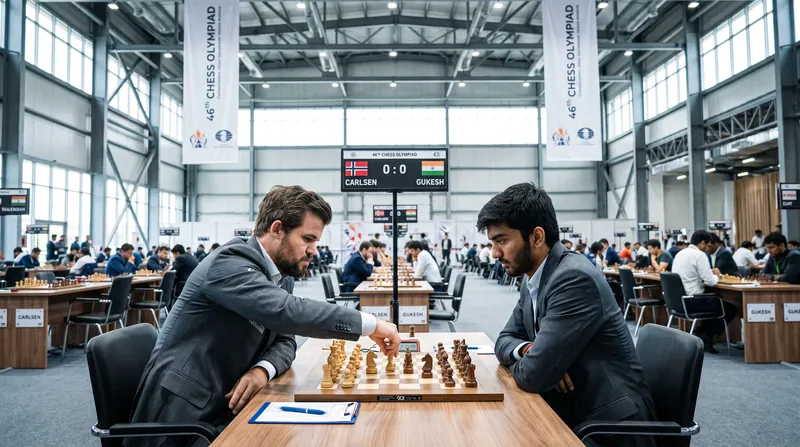
Race to Gold Narrows at 46th Chess Olympiad as US, India, and Uzbekistan Remain Perfect
7 sources
Recap
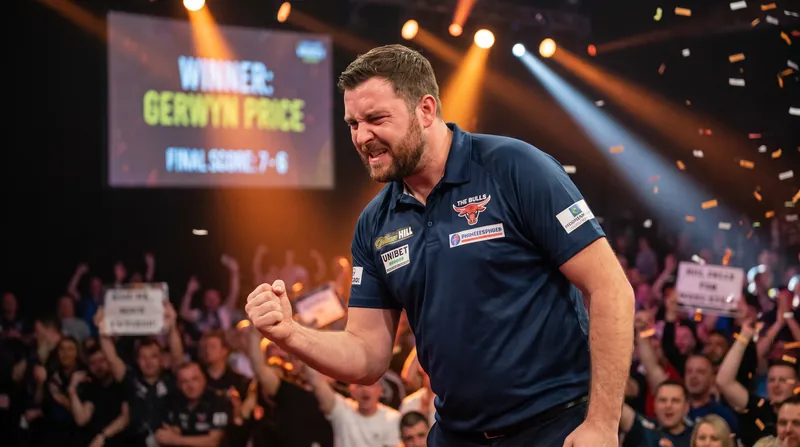
Gerwyn Price Survives Brody Klinge's Stunning Fightback at World Series of Darts Finals
4 sources
Storyline
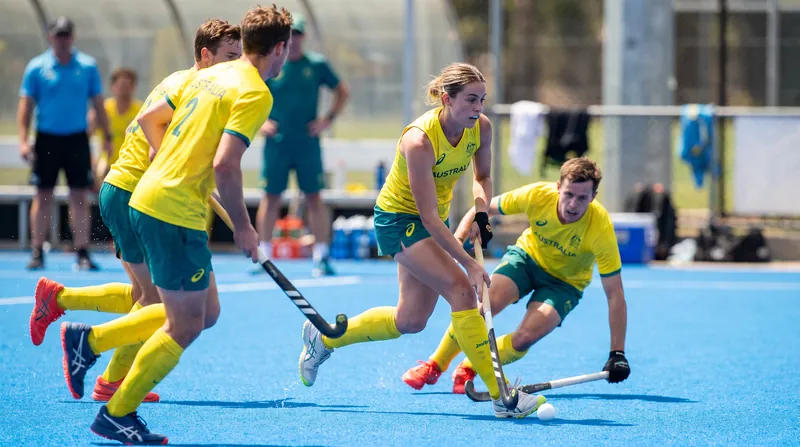
Hockey Australia Launches 'Talent Accelerator 2032' to Fast-Track Next Generation
4 sources
Storyline
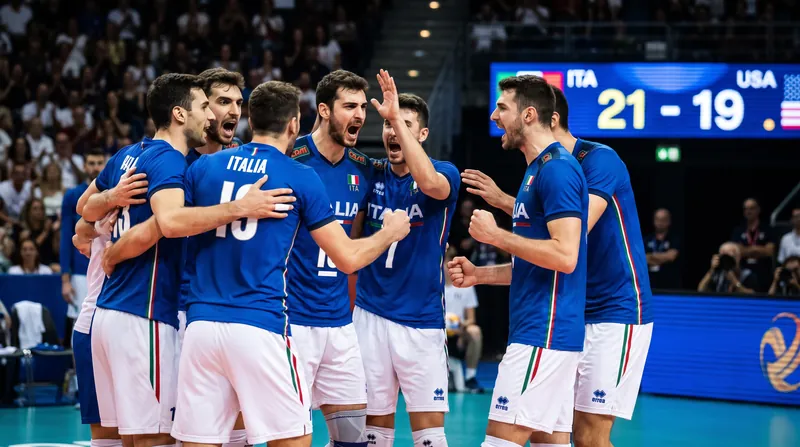
Italy Completes Flawless EuroVolley Group Stage as Knockout Phase Arrives in Turin and Sofia
6 sources
Every angle. Every day.
Get Sports stories with full source coverage and perspective breakdowns delivered to your inbox.