
German Seaports Paralyzed by Daylong Strike Over Contract Impasse, Halting Cargo Operations
A 24-hour warning strike by the ver.di union has halted cargo operations across six major German seaports, including Hamburg and Bremerhaven, amid an ongoing wage dispute. The stoppage affects approximately 11,000 workers and threatens to create short-term backlogs in European supply chains.
By Layla Zaher

Share this story
A coordinated 24-hour warning strike has brought cargo operations at six major German seaports to a near standstill, threatening to create short-term backlogs across one of Europe's most critical logistics gateways. The stoppage, which began with the night shift on Monday, August 17, 2026, marks a sharp escalation in an ongoing wage dispute between port workers and terminal operators. By Tuesday morning, the movement of containerized, automotive, and bulk cargo had largely ceased, forcing shipping lines and freight forwarders to brace for downstream delays.[2][4][5]
The industrial action was invoked by Germany's main services union, ver.di, after collective bargaining negotiations reached an impasse. The strike covers approximately 11,000 port employees across the country's three largest seaports—Hamburg, Bremerhaven, and Wilhelmshaven—as well as the regional ports of Bremen, Emden, and Brake. In Hamburg alone, early reports indicated that as many as 2,100 workers walked off the job to gather for a demonstration, effectively paralyzing the port's massive container infrastructure.[2][3]
At the heart of the dispute is a fundamental disagreement over base pay and contract duration. Ver.di is demanding an 8.2 percent hourly wage increase, coupled with a minimum raise of €2.50 per hour to protect lower-wage earners against inflation. The union is also insisting that any new agreement be limited to a 12-month duration. Union representatives argue that the current economic climate necessitates a substantial and immediate adjustment for terminal staff.[1][3][4]
Conversely, the Central Association of German Seaport Operators (ZDS), representing the employers, has characterized the strike as a disproportionate reaction to what they view as a strong final offer. ZDS proposed a 5.1 percent wage increase backdated to August 1, an additional €300 in holiday pay, and higher allowances for workers at major container operations. However, the employers stipulated that this agreement must run for 19 months, a duration the union has firmly rejected.[1][2][3]
The breakdown in talks became inevitable after ver.di presented the ZDS proposal to its membership. More than 6,100 workers participated in a consultation on the offer, with a clear majority voting to reject it. With the formal "peace obligation"—a period during which industrial action is prohibited during negotiations—having expired, the union moved quickly to authorize the warning strike to maximize pressure on the operators.[1][3]
The operational impact on the ground was immediate and severe. Major facilities, including HHLA's giant container terminals at Altenwerder, Burchardkai, and Tollerort in Hamburg, as well as the Eurogate terminal in Bremerhaven, ceased handling operations. Customer advisories confirmed that no further truck or rail slots could be booked during the 24-hour window, severing the ports from their extensive inland connections across Germany and the broader European continent.[1][3][5]
While the strike itself is strictly time-limited, the logistical consequences are expected to extend well beyond the return of the workforce. Loading and unloading work left incomplete during the stoppage will generate immediate vessel waiting times and container backlogs. Import containers risk missing scheduled rail or trucking connections, while export cargo may miss terminal cut-offs or planned vessel departures, requiring complex schedule adjustments by carriers.[4][5]
The immediate focus now shifts to the next round of negotiations, which are scheduled to take place in Hamburg on August 24 and 25. Logistics providers and cargo owners are monitoring the situation closely; if the two sides remain deadlocked, further and potentially longer industrial actions cannot be ruled out, adding another layer of friction to already strained northern European supply chains.[1][3][4]
Perspectives explored
Port Workers (ver.di)
Union members argue that significant wage increases are necessary to offset inflation, particularly for lower-tier earners.
Representing roughly 11,000 employees across six ports, ver.di maintains that the employers' offer fails to adequately protect workers' purchasing power. The union's demand for a minimum €2.50 per hour raise specifically targets the financial security of lower-wage groups. By insisting on a 12-month contract rather than the proposed 19 months, the union also seeks to retain the flexibility to renegotiate sooner if economic conditions shift.
Terminal Operators (ZDS)
Employers view the strike as an unreasonable escalation given their proposed wage increases and bonuses.
The Central Association of German Seaport Operators (ZDS) argues that their offer of a 5.1 percent wage increase, combined with additional holiday pay and terminal allowances, is highly competitive. Employers have publicly called the strike 'disproportionate' and the union's rejection 'incomprehensible.' They warn that repeated industrial action damages the reputation and reliability of German ports, potentially driving shipping lines to route cargo through competing European hubs.
Logistics Providers
Freight forwarders and carriers are primarily concerned with the cascading delays across the broader supply chain.
For shipping lines and inland transport operators, the 24-hour strike represents a multi-day logistical headache. Companies like Kuehne+Nagel and Hapag-Lloyd have warned customers that the disruption extends beyond the immediate work stoppage. Missed rail connections, delayed vessel departures, and congested terminal yards require complex rescheduling, which increases operational costs and reduces overall network efficiency during a critical shipping period.
Key points
- A 24-hour warning strike halted operations at six major German seaports, including Hamburg and Bremerhaven.
- The ver.di union is demanding an 8.2% wage increase and a 12-month contract for 11,000 workers.
- Employers offered a 5.1% increase over 19 months, which union members overwhelmingly rejected.
- The stoppage prevents the booking of truck and rail slots, disrupting inland logistics.
Open questions
- Whether the August 24-25 negotiations will yield an agreement or lead to prolonged strikes.
- The total financial cost of the cargo backlogs to European supply chains.
Timeline
August 1, 2026
The proposed retroactive start date for the employers' 5.1 percent wage increase offer.
Mid-August 2026
Over 6,100 port workers participate in a consultation, overwhelmingly rejecting the employers' final offer.
August 17, 2026
The 24-hour warning strike begins with the night shift across six major German seaports.
August 24-25, 2026
The next round of collective bargaining negotiations is scheduled to take place in Hamburg.
- Port Workers
- Advocating for higher base pay and shorter contracts to combat inflation.
- Terminal Operators
- Arguing their current wage offer is fair and that strikes damage port competitiveness.
- Logistics Providers
- Focused on mitigating the downstream supply chain delays caused by the stoppage.
Perspectives this story doesn't cover
- German Export Manufacturers
- International Shipping Lines
Sources
Source coverage
5 outlets
3 viewpoints surfaced





- [1]Kuehne+NagelLogistics Providers
Port workers reject final wage offer, prompting warning strikes
Read on Kuehne+Nagel → - [2]The Maritime ExecutiveTerminal Operators
German Seaports Paralyzed by Daylong Strike Over Contract Impasse
Read on The Maritime Executive → - [3]Splash247Port Workers
Six German ports hit by 24-hour strike
Read on Splash247 → - [4]JCtransPort Workers
Strike Disrupts Cargo Operations at Six Major German Ports as 11,000 Workers Stop Work
Read on JCtrans → - [5]LogfretLogistics Providers
Six German Ports Hit by 24-Hour Strike, Raising Risk of Cargo Delays
Read on Logfret →
More in Transportation
See all →Maritime Trade
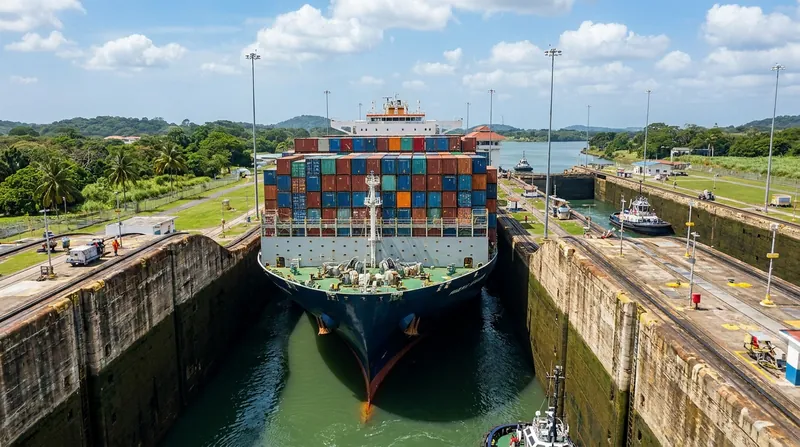
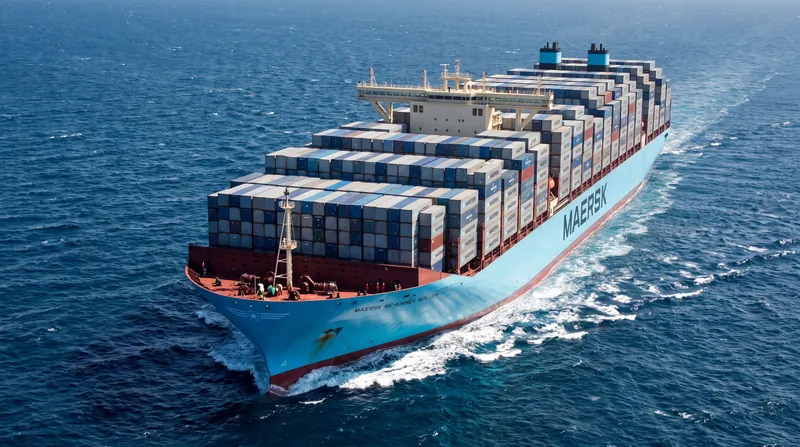
Maersk Reverses Strategy With $5 Billion Order for 26 New Container Ships
7 sources
Aviation Safety
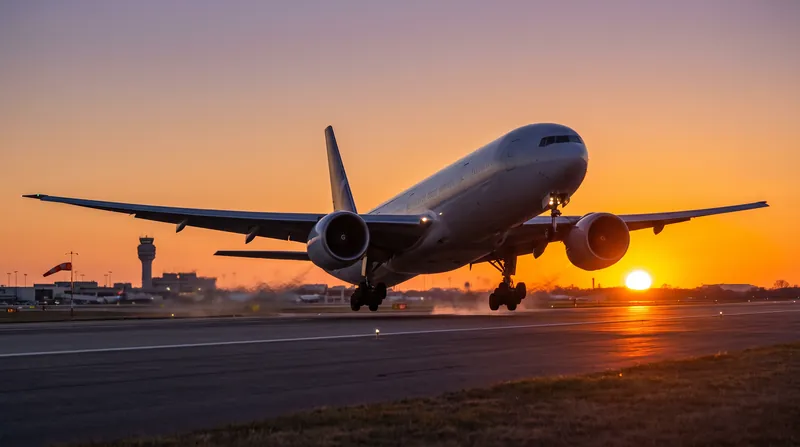
The V1, VR, and V2 Speeds: How Three Critical Velocities Define a Commercial Aircraft's Takeoff Decision
10 sources
Power Systems
Why Heavy Transport Relies on 120-Degree Three-Phase AC for Continuous Torque
6 sources
Maritime Law
SOLAS, MARPOL, and STCW: The Treaties Port Inspectors Use to Regulate Global Shipping
5 sources
Comments
Every angle. Every day.
Get Transportation stories with full source coverage and perspective breakdowns, free every day.