
Fact-Check: Evaluating HHS Secretary RFK Jr.'s Claims on Vaccines and COVID-19
During a recent television interview, Health and Human Services Secretary Robert F. Kennedy Jr. made several assertions regarding vaccine safety and COVID-19 origins. A review of current public health data and peer-reviewed research provides context and corrections for these statements.
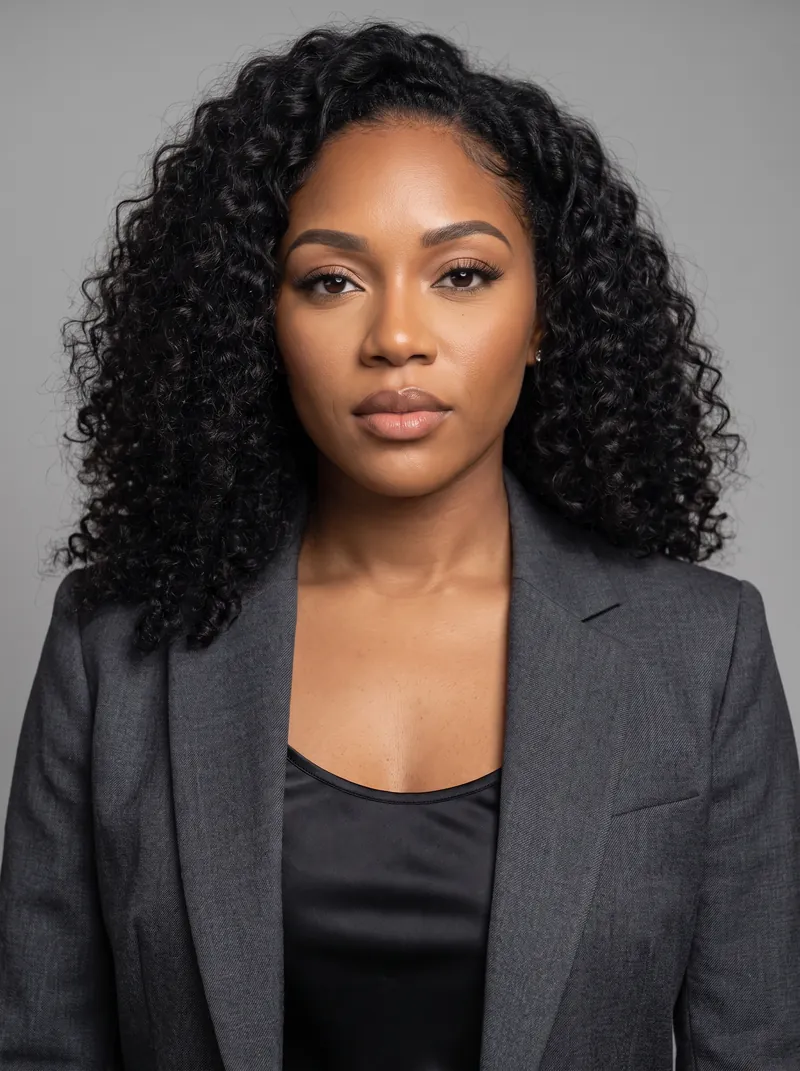
During a wide-ranging interview on CNN, Health and Human Services Secretary Robert F. Kennedy Jr. discussed federal health policy and reiterated several of his long-held views on immunizations and the COVID-19 pandemic. The broadcast quickly generated significant attention, as Kennedy made specific, quantifiable claims regarding the safety profiles of routine childhood vaccines and mRNA technology.
The significance of the platform cannot be overstated. As the head of HHS, Kennedy oversees the Centers for Disease Control and Prevention (CDC), the Food and Drug Administration (FDA), and the National Institutes of Health (NIH). His public statements carry the implicit weight of the federal government's vast health apparatus, prompting immediate responses from medical professionals seeking to clarify the scientific record.
One of the primary assertions made during the interview was Kennedy's reiteration of a link between routine childhood vaccines and the rise in autism diagnoses. He suggested that the current CDC immunization schedule is responsible for neurological developmental issues in children, a claim he has championed for over a decade prior to his cabinet appointment.
This assertion runs counter to the global medical consensus. The CDC and the American Academy of Pediatrics (AAP) have exhaustively studied this potential link. Decades of peer-reviewed research, encompassing data from millions of children across multiple continents, have consistently demonstrated no causal relationship between standard childhood immunizations and autism.[1][3]
According to pediatric neurologists and public health researchers, the observed rise in autism rates over the past two decades is primarily attributed to broadened diagnostic criteria, increased clinical awareness, and better early-screening practices, rather than the administration of vaccines.[3]
Kennedy also directed criticism at the COVID-19 mRNA vaccines, claiming that the immunizations caused more deaths from cardiac events, specifically myocarditis, than they prevented from the virus itself. He argued that the rapid rollout of the technology bypassed crucial long-term safety evaluations.
Extensive retrospective data directly contradicts this mortality claim. A comprehensive five-year review published in The Lancet evaluated the long-term outcomes of mRNA COVID-19 vaccines. The data confirms that while there is a rare, documented risk of myocarditis—particularly in young males—the incidence rate of cardiac complications is significantly higher following a natural COVID-19 infection than following vaccination.[2]
Furthermore, the mortality rate associated with vaccine-induced myocarditis is statistically near zero, with the vast majority of cases being mild and resolving quickly. In stark contrast, COVID-19 infections have caused millions of documented fatalities globally and carry a much higher risk of severe, long-term cardiovascular damage.[1][2]
On the topic of pediatric COVID-19 vaccination, Kennedy suggested that natural immunity acquired from prior infection renders the vaccine entirely unnecessary and potentially harmful for children, advocating for a reliance on the body's natural defenses.
Immunologists acknowledge that infection-acquired immunity provides robust protection. However, they note that this immunity wanes over time and, crucially, requires the individual to survive the initial infection, which carries inherent risks including hospitalization and long COVID.[2]
Public health officials emphasize that vaccination provides a safer, more predictable baseline of protection. It allows the immune system to build defenses without subjecting children to the unpredictable vascular and respiratory risks associated with the live virus.[1]
The reaction from the broader medical community to the interview was swift and unified. Organizations like the AAP issued formal statements reaffirming the safety, efficacy, and absolute necessity of the standard immunization schedule to prevent the resurgence of eradicated diseases.[3]
Conversely, conservative commentators and Kennedy's political supporters argued that the Secretary is simply asking necessary questions. They framed his interview as a necessary challenge to a pharmaceutical establishment and federal bureaucracy that they believe has historically lacked transparency.
Medical ethicists, however, point out that "just asking questions" from the powerful position of HHS Secretary can degrade public confidence in foundational public health measures. They warn that rhetorical skepticism from top officials can lead to measurable declines in vaccination rates, leaving vulnerable populations exposed.
This tension highlights a broader, ongoing debate about the role of federal health agencies under the current administration. It underscores the friction between populist political appointments and the established civil service scientists who manage the nation's health data.
Key points
- HHS Secretary RFK Jr. repeated several debunked claims regarding vaccines and COVID-19 during a CNN interview.
- Major medical organizations, including the AAP and CDC, reaffirm that routine childhood vaccines do not cause autism.
- Peer-reviewed data shows the risk of cardiac events is significantly higher from a COVID-19 infection than from mRNA vaccines.
- Health experts emphasize that vaccination remains the safest method to build immunity without the risks of live viral infection.
What we don’t know
- How Secretary Kennedy's ongoing rhetoric will measurably impact national childhood vaccination rates over the coming years.
- Whether the Department of Health and Human Services will attempt to formally alter CDC immunization recommendations under his leadership.
How we got here
2020-2025
Billions of COVID-19 mRNA vaccine doses are administered globally, generating extensive long-term safety data.
Early 2025
Robert F. Kennedy Jr. is confirmed as Secretary of Health and Human Services.
August 2026
Secretary Kennedy appears on CNN, prompting widespread fact-checks from the medical community regarding his statements on immunizations.
- Medical Consensus
- Argues that overwhelming clinical data proves vaccines are safe, essential, and do not cause autism.
- Fact-Checking Media
- Focuses on holding public officials accountable to established scientific facts and correcting public record.
- Institutional Skeptics
- Argues that questioning the pharmaceutical industry and established health agencies is a necessary check on institutional power.
Perspectives this story doesn't cover
- Parents navigating vaccine hesitancy
- Pharmaceutical industry representatives
Sources
Source coverage
3 outlets
3 viewpoints surfaced



- [1]Centers for Disease Control and PreventionMedical Consensus
Vaccine Safety and Efficacy Data: Comprehensive Review
Read on Centers for Disease Control and Prevention → - [2]The LancetMedical Consensus
Long-term outcomes and safety profile of mRNA COVID-19 vaccines: a 5-year retrospective
Read on The Lancet → - [3]American Academy of PediatricsMedical Consensus
AAP Reaffirms Routine Childhood Immunization Safety Guidelines
Read on American Academy of Pediatrics →
More in News & Politics
See all →Vaccine Policy
Trump Executive Order Reduces Recommended Childhood Vaccines, Falsely Links MMR Shot to Autism
7 sources

SPLC Indictment
DOJ Arrests Former SPLC Official Heidi Beirich in Broader Fraud Case
4 sources
Election Law
Fact-Check: What the Appeals Court Ruling on Mail-In Voting Actually Means for the 2026 Midterms
3 sources

Military Readiness
Fact-Check: Did the Biden Administration Deplete U.S. Military Stockpiles?
6 sources

Comments
Every angle. Every day.
Get News & Politics stories with full source coverage and perspective breakdowns, free every day.