
California Approves First Statewide Non-Ultraprocessed Food Label
California lawmakers have unanimously passed a bill to create a first-in-the-nation 'Non-Ultraprocessed Certified' seal for food packaging. The voluntary program aims to give shoppers a simple visual shortcut to identify minimally processed foods.

- Public Health Advocates
- Medical groups pushing for transparent labeling to combat diet-related diseases.
- State Legislators
- Lawmakers seeking to use state market power to force food industry reform.
- Food Industry Analysts
- Market watchers evaluating how the seal will drive product reformulation.
Perspectives this story doesn't cover
- Small Grocery Store Owners
- Federal FDA Regulators
The moment a shopper flips a box over to read the ingredient list is the step where a family's nutrition is actually determined. It is the single point of friction that dictates whether an ultra-processed food makes it into the pantry, requiring buyers to decode chemical names, hidden emulsifiers, and synthetic dyes just to buy an afternoon snack. Now, California lawmakers are stepping in to bypass that bottleneck entirely, passing a first-in-the-nation bill to put a standardized "Non-Ultraprocessed Certified" seal directly on the front of qualifying food packages.[1][2]
Assembly Bill 2244, authored by Assemblymember Jesse Gabriel, cleared the California State Senate by a 32-0 vote and the Assembly 72-0 in late August 2026. The legislation now sits on Governor Gavin Newsom's desk, where he has until September 30 to sign it into law. If enacted, the measure will create a voluntary certification program modeled after the ubiquitous "USDA Organic" label, giving consumers a visual shortcut to identify foods free from heavy industrial processing.[1][2][4]
"Parents shouldn't need a Ph.D. in chemistry to understand what they're feeding their kids," Gabriel said following the bill's passage. The legislation targets a food landscape increasingly dominated by hyper-palatable products engineered with artificial flavor enhancers, non-sugar sweeteners, and processing aids. By offering a clear, government-backed seal, the state aims to cut through the marketing noise and conflicting clean-label claims that currently crowd grocery store shelves.[1][3][4]
The mechanics of the new seal rely on independent verification. Under the bill, the California Department of Public Health has until June 1, 2029, to begin accrediting third-party certification agents. Food manufacturers will voluntarily submit their products to these agents, who will evaluate the ingredients against the state's strict statutory definition of ultra-processed foods. Products that pass the audit will earn the right to display the "Non-UPF Certified" badge.[2]
To maintain the seal, manufacturers must have their products recertified at least once every three years, or immediately if the recipe is reformulated. The state will also maintain a public, searchable database listing all certified products, complete with their ingredient profiles and certification dates, ensuring transparency remains at the forefront of the program.[2]
To maintain the seal, manufacturers must have their products recertified at least once every three years, or immediately if the recipe is reformulated.
The legislation extends its reach beyond the packaging and directly into the retail environment. Grocery stores generating more than $10 million in annual sales that stock at least 25 certified items will be legally required to prominently highlight at least three of those products. Whether through dedicated end-cap displays, distinct aisle signage, or physical separation, large retailers will have to actively guide shoppers toward these less-processed options.[2]
This labeling initiative builds on California's aggressive push to regulate the food industry. In 2025, Governor Newsom signed the Real Food, Healthy Kids Act (AB 1264), which established the country's first legal definition of ultra-processed foods and created a framework to phase them out of public schools. The state also previously banned several controversial food additives, setting a precedent that rippled across the national supply chain.[1]
Public health advocates and medical organizations have rallied behind the new seal. The Environmental Working Group, the American Academy of Pediatrics, the American Heart Association, and the California Medical Association all supported the measure. These groups argue that as chronic diseases linked to diet continue to rise, giving consumers a frictionless way to choose whole or minimally processed foods is a critical public health intervention.[1]
While the program is voluntary, industry analysts expect the seal to create a powerful market incentive. Just as the USDA Organic label drove widespread agricultural shifts, a state-backed Non-UPF badge could pressure food manufacturers to reformulate their products to qualify. If brands see a competitive advantage in securing the California seal, the resulting recipe changes would likely roll out nationwide, effectively altering the American food supply without a federal mandate.[3]
The immediate fate of the legislation now rests on the governor's signature and the subsequent rollout by the Department of Public Health. If the program launches as planned in 2029, the daily routine of grocery shopping will fundamentally shift. Instead of parsing microscopic text for hidden additives, shoppers will be able to make informed, health-conscious decisions with a single glance down the aisle.[1][2]
The stakes
This legislation transforms the exhausting task of decoding complex ingredient lists into a simple visual check, empowering shoppers to easily avoid hyper-palatable, heavily processed foods. Because of California's massive market size, the new seal is expected to pressure national food brands into reformulating their recipes for the entire country.
The essentials
- California lawmakers unanimously passed AB 2244 to create a state-backed "Non-Ultraprocessed Certified" food seal.
- The voluntary program requires independent third-party certification to verify products are free from heavy industrial processing.
- Large grocery stores will be legally mandated to prominently display certified items to help shoppers find them.
- The bill now awaits Governor Gavin Newsom's signature, with a deadline of September 30, 2026.
- If enacted, the California Department of Public Health will begin accrediting certification agents by June 2029.
Perspectives explored
Public Health and Medical Groups
Advocates argue the seal is a necessary tool to combat diet-related chronic diseases.
Organizations including the Environmental Working Group and the American Academy of Pediatrics view the label as a critical intervention in a food landscape saturated with hyper-palatable, heavily processed options. They argue that consumers are currently outmatched by food science and deceptive marketing, making a clear, government-backed visual cue the most effective way to drive healthier purchasing decisions at scale.
State Legislators
Lawmakers see the voluntary seal as a market-driven approach to improving public health.
Proponents of the bill, led by Assemblymember Jesse Gabriel, emphasize that the legislation does not ban products or limit consumer choice. Instead, they frame it as an empowerment tool that corrects an information imbalance. By setting a strict state standard, lawmakers hope to bypass federal gridlock and use California's massive market size to force nationwide reformulations.
Food Manufacturers and Retailers
The industry faces new logistical requirements and a powerful incentive to adapt their recipes.
While the certification is voluntary for manufacturers, the retail display mandates are compulsory for large grocers, requiring logistical adjustments to highlight certified items. For food brands, the seal represents both a hurdle and an opportunity; those willing to strip artificial additives and processing aids from their formulas stand to gain a significant competitive advantage among health-conscious shoppers, potentially sparking an industry-wide race to clean up ingredient lists.
Sources
Source coverage
4 outlets
3 viewpoints surfaced




- [1]National Hog FarmerPublic Health Advocates
California passes 'Non-Ultraprocessed Certified' seal bill
Read on National Hog Farmer → - [2]edhatState Legislators
California Passes Historic Bill To Label 'Non-Ultraprocessed' Food In Grocery Stores
Read on edhat → - [3]ForbesFood Industry Analysts
California Bets On A Non-Ultra-Processed Food Label. Will It Work?
Read on Forbes → - [4]Perishable NewsPublic Health Advocates
California Lawmakers Pass Bill to Create Landmark 'Non-Ultra-Processed' Food Label
Read on Perishable News →
Comments
More in Food & Drink
See all →Food Chemistry
The Casein-Catechin Bond: How Milk Proteins Neutralize Astringency and Alter the Antioxidant Profile of Black Tea
6 sources

Coffee Chemistry
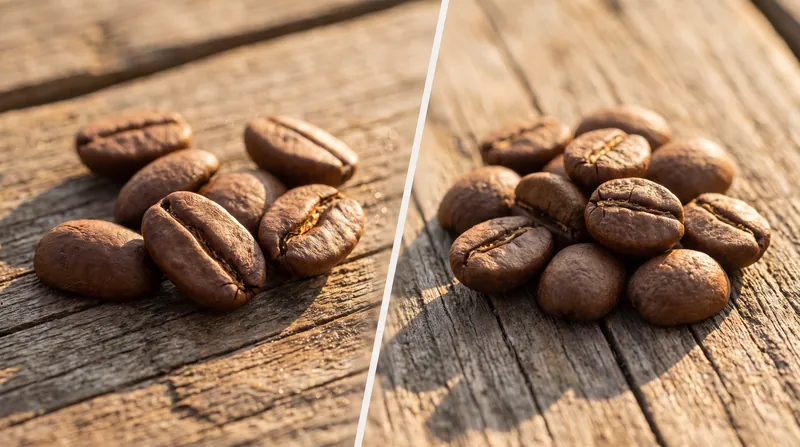
The 60% Higher Chlorogenic Acid Content: How Chemical Composition Separates Arabica and Robusta Coffee Beans
7 sources
Baking Science
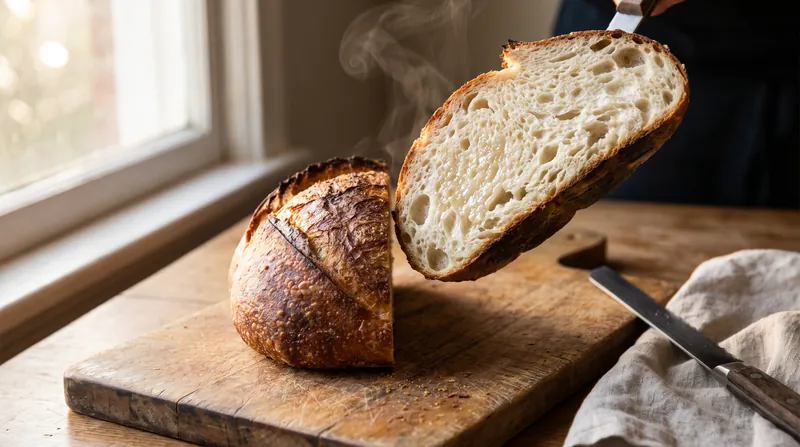
The 60°C to 85°C Window: How Starch Gelatinization Sets the Crumb Structure and Defines a Baked Good's Final Texture
6 sources
Alcohol Regulation
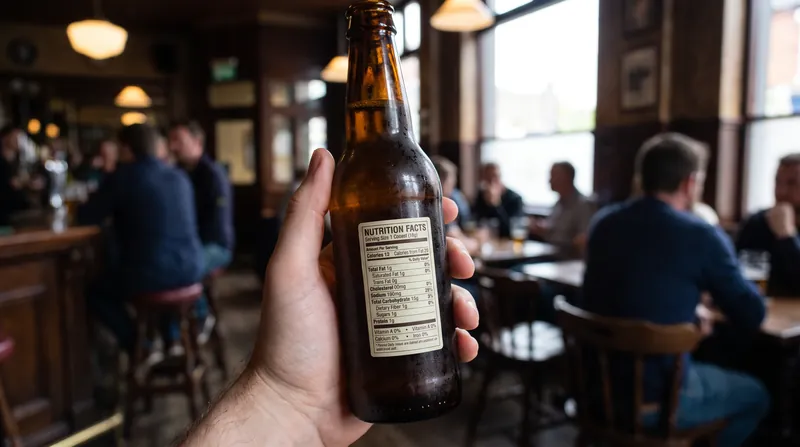
TTB Advances Proposed Rule Mandating Nutritional and Allergen Labeling on All Alcohol
3 sources
Every angle. Every day.
Get Food & Drink stories with full source coverage and perspective breakdowns delivered to your inbox.