
full timeline
US–Venezuela oil deal investigation
U.S.
Follow US–Venezuela oil deal investigation in the Factlen app and get an alert when there is news. Get the app
Share this story
Latest report
Senate Panel Probes Vice President JD Vance Over Venezuelan Oil Contract Awarded to Donor
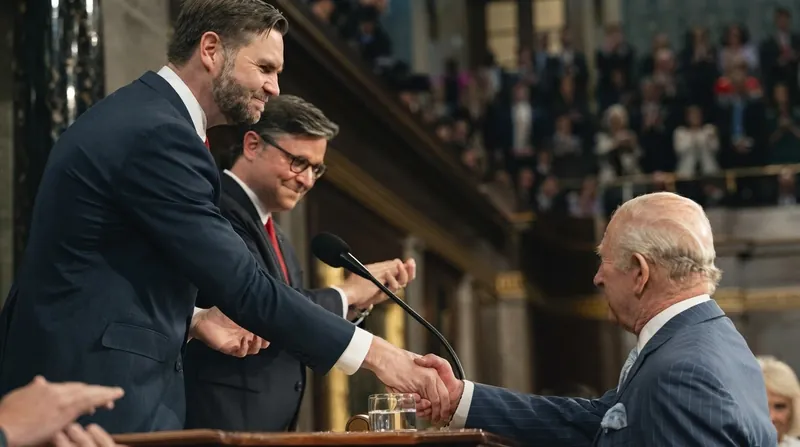
U.S. Senator Maggie Hassan has launched a formal investigation into whether Vice President JD Vance used his influence to help a major political donor secure lucrative Venezuelan oil licenses. The probe centers on a reported private meeting in Montana that preceded the historic energy agreement.
- Senator Maggie Hassan has launched a formal investigation into Vice President JD Vance's role in awarding Venezuelan oil licenses.
- The probe focuses on a reported private meeting in Montana between Vance and energy executive John Addison.
- Investigators are demanding communications and travel records from the Vice President's office by mid-December 2026.
- The controversy centers on the administration's historic agreement securing access to 65 billion barrels of Venezuelan crude.
A United States Senate committee has formally opened an investigation into whether Vice President JD Vance leveraged his office to steer a lucrative Venezuelan oil contract to a major political financial backer. The inquiry marks the first aggressive congressional scrutiny of the administration's historic energy agreement with Caracas, threatening to overshadow the diplomatic breakthrough.[1][2]
Senator Maggie Hassan, the incoming chair of the investigating panel, announced the comprehensive probe on November 23, 2026. She is demanding extensive records regarding Vance's communications with energy executives, specifically targeting the critical weeks leading up to the finalization of the international deal.[1]
"The American people deserve to know whether the Vice President of the United States is using his official power to orchestrate backroom favors for Big Oil and Gas donors," Hassan stated in her public announcement. The senator characterized the allegations as a potential breach of public trust that demands immediate transparency.[1]
The Montana Meeting
The investigation centers on a reported private gathering at a secluded Montana ski resort shortly before the Venezuelan oil licenses were officially awarded. During this unpublicized trip, Vance allegedly met with John Addison, a prominent campaign contributor with extensive corporate energy interests.[3]
Details of the Montana meeting first surfaced in recent investigative media reports, prompting immediate calls for congressional oversight from transparency advocates. Investigators are now seeking visitor logs, travel records, and electronic correspondence from the Vice President's office spanning the last six months of negotiations.[3][4]
Addison's energy consortium subsequently emerged as a primary beneficiary of the administration's diplomatic breakthrough with the Venezuelan government. The overarching bilateral agreement granted American extraction firms unprecedented access to an estimated 65 billion barrels of Venezuelan heavy crude reserves.[2][3]
The Senate panel has given the Vice President's office a strict deadline of the second week of December 2026 to produce the requested documents. Hassan warned that the committee is fully prepared to use its subpoena power if the administration refuses to comply voluntarily with the oversight request.[1][5]
Diplomatic and Economic Stakes
The controversy threatens to complicate a highly delicate geopolitical realignment between Washington and Caracas that has been years in the making. The oil agreement was specifically designed to stabilize volatile global energy markets while pulling Venezuela out of its long-standing economic isolation.[5][6]
By securing access to the 65 billion barrels of heavy crude, the administration aimed to lower domestic fuel prices and reduce American reliance on Middle Eastern suppliers. The deal represented a stark reversal of years of strict economic sanctions previously levied against the Venezuelan government.[6]
However, the opacity of the licensing process has drawn fierce criticism from government transparency advocates and opposition lawmakers on Capitol Hill. Critics argue that the rapid awarding of these highly lucrative extraction contracts bypassed standard competitive bidding protocols entirely.[5]
"This isn't just about one contract; it is about the integrity of our entire foreign policy apparatus," a spokesperson for the Senate panel noted in a background briefing. The committee is meticulously examining whether the donor's massive financial contributions directly influenced the final selection process.[1][2]
The Administration's Defense
The Vice President's office has strongly denied any impropriety regarding the distribution of the Venezuelan energy licenses. Administration officials maintain that all contracts were awarded strictly based on the operational capacity of the bidding firms, rather than any political connections or campaign donations.[4][6]
Supporters of Vance argue that the investigation is a politically motivated attack orchestrated by the incoming Senate leadership to damage the administration. They point to the undeniable economic benefits of the Venezuelan deal, which has already begun to increase global crude supplies and lower futures pricing.[4]
The White House has not yet confirmed whether it will attempt to assert executive privilege over the requested communications and travel logs. Legal experts anticipate a protracted constitutional battle in federal court if the Senate committee issues formal subpoenas for the Vice President's personal records.[2][5]
Energy market analysts are closely monitoring the political fallout, warning that regulatory uncertainty could significantly delay the extraction of the Venezuelan reserves. Several international oil conglomerates have reportedly paused their own investment plans in the region pending the final outcome of the congressional probe.[6]
Expanding the Inquiry
Beyond the Montana meeting, the Senate investigation is also scrutinizing the broader network of political action committees tied directly to the Vice President. Hassan's investigative team is cross-referencing campaign finance disclosures with the exact timeline of the Venezuelan diplomatic negotiations.[1][5]
The inquiry specifically targets a series of seven-figure donations made to aligned political groups in the weeks immediately following the initial diplomatic outreach to Caracas. Investigators are attempting to establish a direct chronological link between the financial contributions and the sudden policy shift.[3][5]
International observers note that the escalating scandal could severely undermine Washington's leverage in ongoing, sensitive negotiations with the Venezuelan government. The administration is currently attempting to secure further democratic concessions from Caracas in exchange for additional rounds of sanctions relief.[6]
The Japanese government and other allied nations have expressed private concerns about the long-term stability of the US-Venezuela energy pact. Tokyo relies heavily on stable global oil markets and had strongly welcomed the initial announcement of the 65-billion-barrel agreement earlier this year.[6]
Next Steps for the Committee
As the December deadline approaches, the Senate panel is assembling a dedicated team of specialized investigative counsels to handle the inquiry. These attorneys have extensive prior experience in untangling complex corporate structures, international energy contracts, and opaque campaign finance networks.[1][2]
If the Vice President's office fails to produce the requested documents, Hassan has indicated she will schedule high-profile public hearings featuring whistleblower testimony. The committee has reportedly already conducted preliminary, closed-door interviews with several mid-level energy department officials involved in the licensing.[1][5]
The outcome of this investigation could significantly alter the balance of power in Washington as the administration navigates a sharply divided Congress. The probe guarantees that the Venezuelan oil deal will remain a central political vulnerability for the White House well into the 2027 legislative session.[4][6]
The immediate focus remains squarely on the document production deadline set for the second week of next month. Until those records are handed over or formally withheld, the exact nature of the Vice President's involvement in the licensing process remains a matter of intense public speculation.[1][3]
The controversy also highlights the growing, unchecked influence of private energy executives in shaping federal foreign policy decisions. Transparency advocates have long warned that the administration's reliance on informal diplomatic channels and private meetings creates massive opportunities for self-dealing.[5]
"When you bypass the State Department and rely on private ski trips to negotiate international energy policy, you invite exactly this kind of corruption probe," an ethics watchdog told reporters following Hassan's announcement. The organization is now calling for a complete, independent audit of all Venezuelan licenses.[5]
Broader Industry Impact
The fallout from the investigation is already rippling through the broader American energy sector, prompting internal reviews at several major extraction firms. Corporate compliance officers are reportedly advising executives to limit informal contacts with administration officials while the Senate probe remains active.[2][6]
As the political stakes continue to rise, the administration faces mounting pressure to demonstrate that the Venezuelan oil deal serves the national interest rather than private portfolios. The coming weeks of congressional scrutiny will test the resilience of both the Vice President's office and the landmark energy agreement itself.[1][4]
The Senate panel's findings will dictate whether the historic 65-billion-barrel agreement stands as a diplomatic triumph or a cautionary tale of political patronage. The committee is expected to release its preliminary investigative report before the spring legislative session officially begins.[1][2]
Sources
- [1]U.S. Senator Maggie Hassan — Incoming Chair Hassan Opens Investigation Into Reports that Vice President Vance Helped Major Political Donor Secure Lucrative Business Opportunities Involving Venezuelan Oil Read on U.S. Senator Maggie Hassan →
- [2]Anadolu Agency — US senator launches probe into Vance's alleged role in securing Venezuelan oil deal for political donor Read on Anadolu Agency →
- [3]The Daily Beast — Vance Hit With Bombshell Probe Over Secret Ski Trip Meeting Read on The Daily Beast →
- [4]Mediaite — JD Vance Under Senate Investigation Over Donor's Oil Deal Read on Mediaite →
- [5]Democracy Now! — JD Vance Faces Senate Scrutiny for Allegedly Helping Campaign Donor Secure Venezuelan Oil Licenses Read on Democracy Now! →
- [6]The Japan Times — JD Vance's ties to prized Venezuelan oil contract under investigation by U.S. Senate panel Read on The Japan Times →
What to watch
- Investigators have set a deadline of mid-December for the Vice President's office to hand over communications and travel records.
Timeline
November 2026
Senate Panel Probes Vice President JD Vance Over Venezuelan Oil Contract Awarded to Donor
August 2026
US Secures Control of 65 Billion Barrels of Venezuelan Oil Reserves in Historic Deal
How the story developed
The events leading to the current investigation stem from the ouster of Nicolás Maduro in Venezuela. Following his removal, the United States entered into negotiations with Venezuela's interim government to address global supply disruptions and rebuild the South American nation's oil sector.
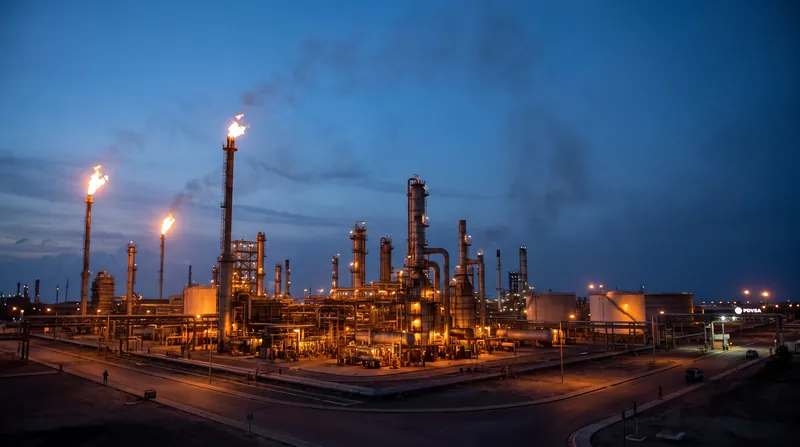
On August 29, the U.S. government reached an agreement to take majority control of 65 billion barrels of Venezuela's proven oil reserves. The State and Defense Departments negotiated the deal alongside the Venezuelan interim administration.
Under the terms of the agreement, the United States secured a 55 percent controlling stake in a joint venture overseeing the reserves. The arrangement was structured as a 100-year concession designed to replenish depleted U.S. strategic reserves and lower domestic gas prices.
Following the announcement of the concession, critics condemned the agreement as a sovereign land grab. Opponents also raised concerns regarding the legal authority of the Venezuelan interim administration to authorize such a deal.