
full timeline
Big Bend border wall dispute
The Supreme Court lifted a lower court's injunction, allowing the Trump administration to bypass environmental reviews and resume border wall construction in Texas's Big Bend region.
Follow Big Bend border wall dispute in the Factlen app and get an alert when there is news. Get the app
Share this story
Latest report
Supreme Court Allows Trump Border Wall Construction to Resume in Big Bend
The Supreme Court lifted a lower court's injunction, allowing the Trump administration to bypass environmental reviews and resume border wall construction in Texas's Big Bend region.
- The Supreme Court lifted a lower court injunction, allowing border wall construction to resume in Texas's Big Bend region.
- The Justice Department argued that pausing the $1.7 billion project cost taxpayers nearly $500,000 per day.
- Opponents claim the Department of Homeland Security's use of waivers bypasses crucial environmental protections in a fragile ecosystem.
- Justice Ketanji Brown Jackson was the sole noted dissenter in the unsigned order.
The U.S. Supreme Court ruled on Monday to allow the Trump administration to resume construction of its border wall and related infrastructure in the Big Bend region of Texas. The unsigned decision lifts a lower court injunction that had temporarily halted the project, which spans over 500 miles and includes Big Bend National Park.[1][2]
Justice Ketanji Brown Jackson was the only noted dissenter in the brief order. The Supreme Court majority wrote that a 1996 immigration law reflects a clear preference for expeditious border construction over the environmental and recreational harms cited by the plaintiffs.[2][4]
The Justice Department had filed an emergency appeal to the high court, arguing that pausing the work cost taxpayers nearly $500,000 per day. Government lawyers asserted the delay risked turning the unsecured sector into a funnel for cartels and illegal crossings.[3][5]
The ruling overturns an October decision by U.S. District Judge Kathleen Cardone, who had sided with a coalition of environmentalists, landowners, and a river guide to halt the work. The challengers argued that the Department of Homeland Security exceeded its authority by issuing sweeping waivers.[1][3]
Bypassing environmental protections
Those waivers were designed to bypass dozens of environmental and historical preservation laws that typically govern federal construction projects. Opponents noted that the Big Bend sector has the lowest apprehension rates of any southern border region, making the drastic waivers unjustified.[3][6]
The $1.7 billion Big Bend project is part of President Donald Trump's broader initiative to secure the U.S.-Mexico border. While the administration has scaled back plans for a 30-foot pedestrian wall directly inside the national park, the broader regional construction involves extensive bulldozing and blasting.[1][4]
Instead of the towering pedestrian barrier, the revised plans call for a 17-mile noncontiguous vehicle barrier system and new patrol roads. However, opponents warn the rapid development will permanently alter pristine desert habitats, rugged mountain ranges, and unique cultural sites.[3][5]
Environmental groups have long argued that the border wall fragments wildlife corridors essential for species like the Mexican black bear and the desert bighorn sheep. The construction process requires heavy machinery that degrades the fragile desert crust and disrupts natural water flows.[1][3]
The Department of Homeland Security maintains that the waivers are a necessary tool granted by Congress to ensure national security. By invoking the 1996 Illegal Immigration Reform and Immigrant Responsibility Act, the agency can expedite infrastructure projects without the standard years-long environmental review process.[2][6]
The cost of delay and security arguments
Judge Cardone's initial injunction had temporarily paused this mechanism, demanding a closer judicial review of whether the executive branch had overstepped its statutory limits. The Supreme Court's intervention effectively closes that avenue of challenge for the Big Bend segment.[3][4]
In its emergency application, the Justice Department emphasized the financial toll of the injunction. Contractors mobilized in the remote Texas region were billing the government for standby costs, accumulating to roughly $3.5 million per week while the legal battle played out.[2][5]
Beyond the financial metrics, federal border officials argued that leaving the Big Bend sector open creates a strategic vulnerability. As enforcement tightens in more populated sectors like El Paso and the Rio Grande Valley, human smuggling operations often shift to more remote, dangerous terrain.[1][4]
"The longer this critical infrastructure is delayed, the more we invite transnational criminal organizations to exploit this rugged corridor," government attorneys wrote in their filing. They argued the vehicle barriers are essential to intercepting smuggling convoys before they vanish into the vast Texas interior.[2][5]
Critics counter that the rugged terrain of Big Bend is already a formidable natural barrier. The region's extreme temperatures, lack of water, and sheer cliffs have historically kept crossing numbers lower than anywhere else along the 1,954-mile southern border.[3][6]
Legal precedents and future challenges
Local landowners and river guides who joined the lawsuit expressed dismay at the Supreme Court's decision. Many rely on the region's unspoiled wilderness for eco-tourism, which drives the local economy in towns like Terlingua and Alpine.[1][3]
The Supreme Court's unsigned order is the latest in a series of rulings favoring the executive branch's authority to construct border barriers. Throughout the Trump administration's tenure, the high court has repeatedly lifted lower court injunctions that sought to halt wall construction on environmental or funding grounds.[2][4]
Justice Jackson's lone noted dissent highlights the ideological divide over the use of emergency docket interventions. While she did not author a lengthy dissenting opinion, her vote signals ongoing concern among the court's liberal wing regarding the rapid dismissal of environmental statutes.[2][5]
The coalition of plaintiffs must now decide whether to pursue their underlying lawsuit in the lower courts, even as construction resumes. Because the Supreme Court only lifted the preliminary injunction, the merits of the case regarding the DHS waivers remain technically unresolved.[1][3]
However, legal experts note that once the environmental damage is done and the wall is built, any subsequent legal victory would be largely symbolic. Courts are historically reluctant to order the demolition of completed federal infrastructure projects.[4][6]
Immediate impacts on the ground
The resumption of work in Big Bend marks a significant milestone for the administration's border security agenda. It demonstrates the enduring power of the 1996 waiver authority, which has now survived multiple legal challenges across different presidential administrations.[2][5]
Heavy machinery is expected to return to the Big Bend construction sites within days. The initial phases will likely focus on grading the new patrol roads and installing the 17-mile vehicle barrier system along the most accessible river crossings.[1][3]
For the communities surrounding the national park, the ruling brings an end to a brief period of uncertainty. The influx of construction crews will strain local resources but also provide a temporary boost to businesses catering to the workers.[3][5]
The legal battle over Big Bend also highlights the broader tension between state and federal priorities. While Texas state leadership has generally supported aggressive border enforcement, local municipalities in the Big Bend region have often opposed the federal government's heavy-handed infrastructure plans.[1][6]
Sources
- [1]The Texas Tribune — Trump's Big Bend border wall construction can resume after U.S. Supreme Court ruling Read on The Texas Tribune →
- [2]CNN — Supreme Court allows Trump to continue border wall construction in Big Bend region of Texas Read on CNN →
- [3]Courthouse News Service — Yielding to Trump, Supreme Court bulldozes barriers to Big Bend border wall Read on Courthouse News Service →
- [4]CBS News — Supreme Court clears way for Trump administration to resume border wall construction in Big Bend Read on CBS News →
- [5]Al Jazeera — US Supreme Court allows border wall in Big Bend National Park to proceed Read on Al Jazeera →
- [6]Hindustan Times — Supreme Court allows Trump to proceed with border wall construction near Big Bend National Park in Texas Read on Hindustan Times →
Charts, maps and images
Timeline
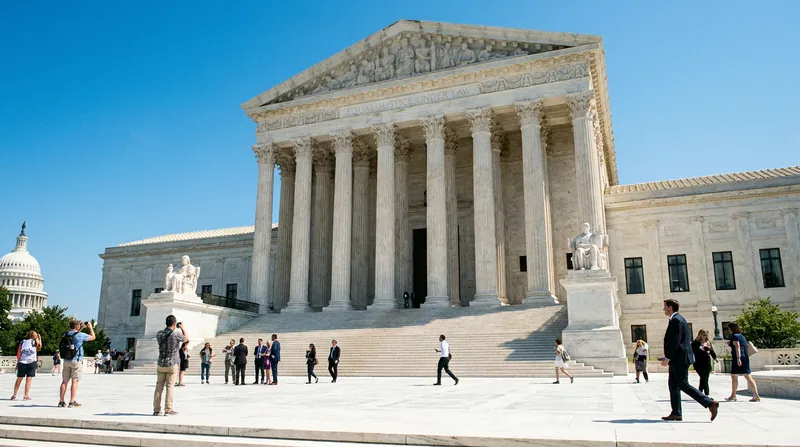
November 2026
Supreme Court Allows Trump Border Wall Construction to Resume in Big Bend
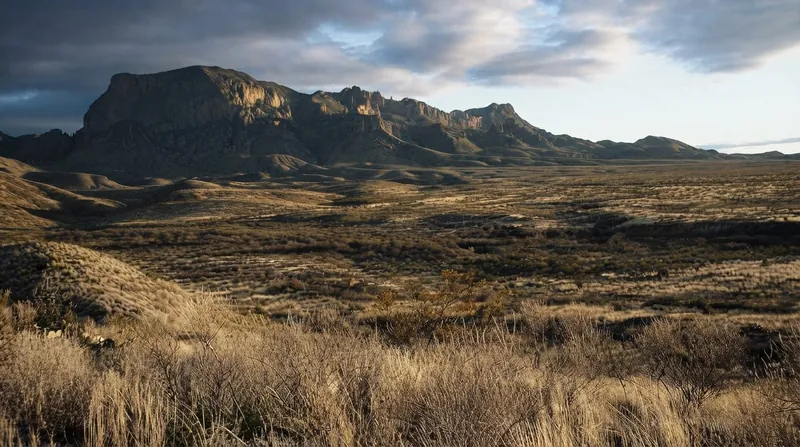
October 2026
Trump Administration Asks Supreme Court to Lift Halt on Big Bend Border Wall
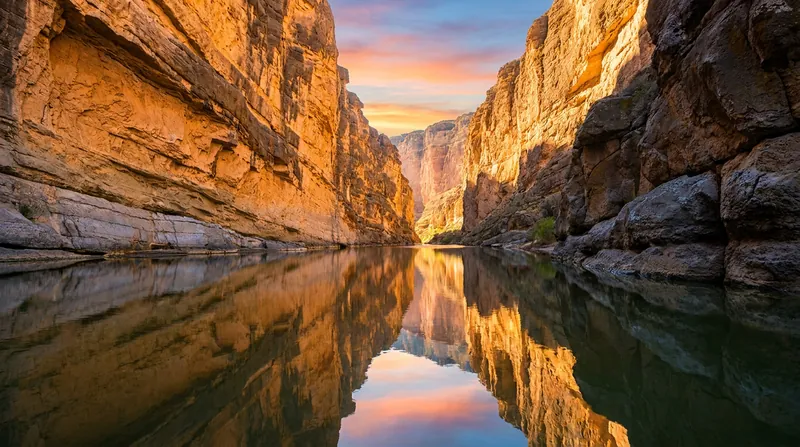
June 2026
Trump Administration Waives Environmental Laws to Expedite Border Construction in Big Bend National Park
AI
How the story developed
The dispute began on June 12, by 15:12 UTC, when the Department of Homeland Security bypassed dozens of federal protections, including the Endangered Species Act, to fast-track border barriers and patrol roads through the Texas wilderness. This marked the first time the federal government suspended the National Park Service Organic Act to build security infrastructure inside a national park.
The $1.7 billion Big Bend project is part of President Donald Trump's broader initiative to secure the U.S.-Mexico border. Inside the national park itself, Customs and Border Protection scaled back plans for a 30-foot pedestrian wall in favor of installing 17 miles of noncontiguous vehicle barriers, surveillance technology, and patrol roads. However, the broader regional construction involves extensive bulldozing and blasting.
Following the waivers, a coalition of environmentalists, landowners, and a river guide amended a federal lawsuit to challenge their constitutionality. The challengers argued that the Department of Homeland Security exceeded its authority by issuing sweeping waivers to bypass dozens of environmental and historical preservation laws. Opponents warned that the rapid development would permanently alter pristine desert habitats, rugged mountain ranges, and unique cultural sites. They also noted that the Big Bend sector accounted for just 1.3% of total nationwide migrant apprehensions, arguing that the drastic waivers were unjustified for an area with historically low illegal immigration.
Construction on the barriers and adjacent border walls was initially expected to begin in late summer or early fall. On October 2, U.S. District Judge Kathleen Cardone sided with the challengers and issued an injunction that halted work across the project area, blocking the administration's use of the environmental waivers in the Big Bend region.
In response to the halt, the Justice Department filed an emergency appeal on October 22, by 00:27 UTC, seeking to resume construction. The legal dispute centered on whether the Department of Homeland Security could use sweeping waivers to bypass environmental laws.