
Coffee Extraction Dynamics: Balancing Acid and Bitterness at 18 to 22 Percent
Brewing the perfect cup of coffee is a predictable chemical balancing act where water acts as a solvent to pull flavors from roasted beans. By manipulating temperature, grind size, and time, you can control whether your morning cup is bright and sweet or harsh and bitter.

Share this story
In short
- Coffee extraction follows a strict sequence: acids dissolve first, followed by sugars and oils, and finally bitter tannins.
- The 'Gold Cup Standard' targets extracting exactly 18 to 22 percent of the coffee bean's mass.
- Water temperature acts as an accelerator; temperatures between 195°F and 205°F extract sugars without scorching the grounds.
The perfect cup of coffee is not a matter of luck; it is a predictable chemical extraction. Every time hot water meets roasted coffee grounds, it dissolves compounds in a specific, unyielding order: first the bright, fruity acids, then the sweet sugars and rich oils, and finally the harsh, astringent bitters. Your job as a brewer is simply to stop the clock right in the middle.[6]
You pour hot water over fresh grounds, watching the dark bed swell and bubble as trapped carbon dioxide escapes. This "bloom" is the first visual cue of a complex chemical reaction. Water is the universal solvent, and heat is its engine. When you brew coffee, you are actively managing a solvent's ability to strip soluble material from a cellular structure.[4][6]
According to extraction dynamics, coffee beans are about 30 percent soluble by weight, but you only want to extract 18 to 22 percent of that mass. This sweet spot is known across the industry as the Gold Cup Standard, a metric that balances flavor clarity with structural body.[4]
Go below 18 percent, and the coffee is under-extracted. You get a cup that tastes sour, thin, and unpleasantly acidic because the water only had time to wash away the fast-dissolving fruit acids and salts, leaving the balancing sugars locked inside the bean.
Push past 22 percent, and you enter the realm of over-extraction. The water begins to break down the heavy, complex plant fibers, pulling out tannins and bitter compounds that dry out your tongue, mask the delicate flavors, and leave a lingering, ashy finish in your mouth.
Temperature is your accelerator pedal. The Specialty Coffee Association recommends water between 195°F and 205°F. At this heat, the water has enough kinetic energy to dissolve the sweet sugars and aromatic oils efficiently without burning the delicate aromatics.
If your water is boiling at 212°F, it acts too aggressively, scorching the grounds and rapidly pulling out those late-stage bitter compounds before you can stop the brew. Conversely, lukewarm water lacks the energy to extract much beyond the initial sour acids, resulting in a hollow, grassy flavor profile.
Grind size dictates the speed limit. Imagine trying to melt a single block of ice versus a handful of crushed ice. The crushed ice melts faster because more of its surface area is exposed to the surrounding environment. Coffee extraction works the exact same way.[4][6]
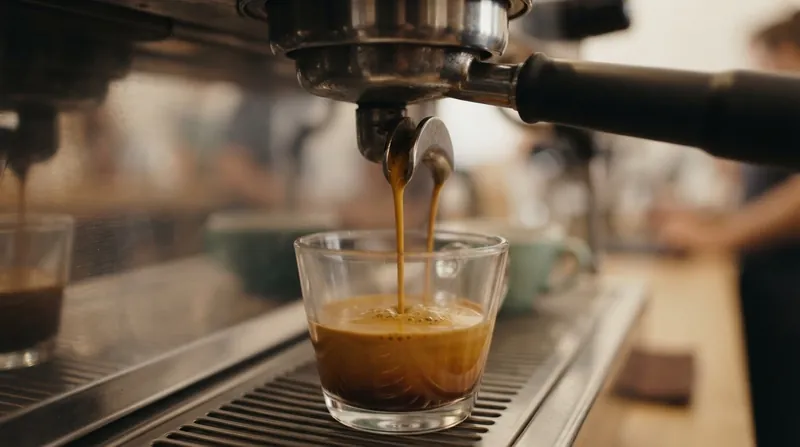
A fine grind, resembling powdered sugar, exposes a massive amount of surface area to the water. This is why espresso, which uses finely ground coffee, extracts its full flavor profile in just 25 to 30 seconds under intense pressure.[1]
A coarse grind, resembling sea salt, has far less exposed surface area. If you used a coarse grind in an espresso machine, the water would rush past the large boulders, leaving you with a weak, sour shot that barely resembles coffee.[1]
This is why coarse grinds are reserved for immersion methods like the French press. In these brewers, the coffee sits fully submerged in the water for four to five minutes, allowing the slow extraction process to unfold gently and evenly across the larger particles.[4]
Time is the final variable, the canvas on which temperature and grind size paint. If your coffee is too sour, you can fix it by simply letting the water stay in contact with the grounds a little longer, giving it time to reach the sugars.[6]
If it is too bitter, you need to shorten the brew time. This interplay means that if you change one variable, you must adjust another to maintain balance. Finer grinds require less time; coarser grinds demand more.[4]
Cold brew flips this entire paradigm on its head. By removing heat entirely, cold brew relies exclusively on time—often steeping for 12 to 24 hours—to extract the soluble compounds from the coffee bed.[2][3]
Without heat, the water struggles to dissolve the bright, floral acids and the bitter, heavy tannins. The result is a remarkably smooth, chocolatey, and low-acidity beverage that feels gentle on the stomach, though it sacrifices the nuanced aromatics found in hot coffee.[3]
There is also a persistent myth about caffeine extraction that trips up many home brewers. Many assume that a dark, bitter cup of espresso or a coffee left to steep for ten minutes contains the most caffeine.[5][6]
In reality, caffeine is highly water-soluble and extracts very early in the brewing process. Whether you brew for two minutes or five, you will extract nearly all the available caffeine from the grounds within the first minute of contact.[5]
Extending the brew time past that initial phase only adds bitterness and heavy body, not a stronger morning jolt. If you want more caffeine, you must use more coffee grounds, not more time.[5]
Ultimately, understanding these mechanics changes how you approach your morning routine. You are no longer just pushing a button; you are actively steering a chemical process, adjusting the dials of heat, surface area, and time to craft the exact sensory experience you want to wake up to.[6]
Key terms
- Extraction Yield
- The percentage of the coffee bean's dry mass that actually dissolves into the water, ideally between 18 and 22 percent.
- Bloom
- The rapid release of carbon dioxide gas that occurs when hot water first touches fresh coffee grounds, causing the bed to swell.
- TDS (Total Dissolved Solids)
- A measurement of how concentrated the brewed coffee is, representing the ratio of dissolved coffee compounds to water in the final cup.
- Channeling
- A brewing flaw where water finds a path of least resistance through the coffee bed, over-extracting that specific path while leaving the rest under-extracted.
Frequently asked
Does a darker roast have more caffeine?
No. Roasting actually burns off a tiny amount of caffeine, meaning light roasts technically have slightly more caffeine by volume. However, the difference is negligible in a brewed cup.
Why does my coffee taste sour?
Sour coffee is under-extracted. The water did not have enough time, heat, or surface area to dissolve the sweet sugars that balance the initial fruit acids. Try grinding finer or brewing slightly longer.
Can I fix bitter coffee?
Bitter coffee is over-extracted, meaning the water pulled out harsh tannins. To fix it next time, use a coarser grind, slightly cooler water, or a shorter brew time.
Why do I need a burr grinder?
Blade grinders chop beans unevenly, creating a mix of boulders and fine dust. This leads to a cup that is simultaneously sour (from the boulders) and bitter (from the dust). Burr grinders crush beans to a uniform size for even extraction.
Viewpoints in depth
Specialty Coffee Roasters
Advocates for light roasts and high-extraction brewing to highlight the unique origin characteristics of the bean.
The specialty coffee movement treats coffee as an agricultural product akin to wine, seeking to highlight the specific terroir, altitude, and processing method of the bean. To achieve this, they favor lighter roasts that preserve delicate floral and fruity aromatics. Because light roasts are denser and harder to extract, these brewers often utilize very precise, high-temperature water and finely tuned burr grinders to push extraction yields toward the 22 percent mark, ensuring the sweet sugars fully balance the bright acids without dipping into bitterness.
Traditional Espresso Brewers
Prioritizes heavy body, rich crema, and a balanced, chocolatey flavor profile over bright acidity.
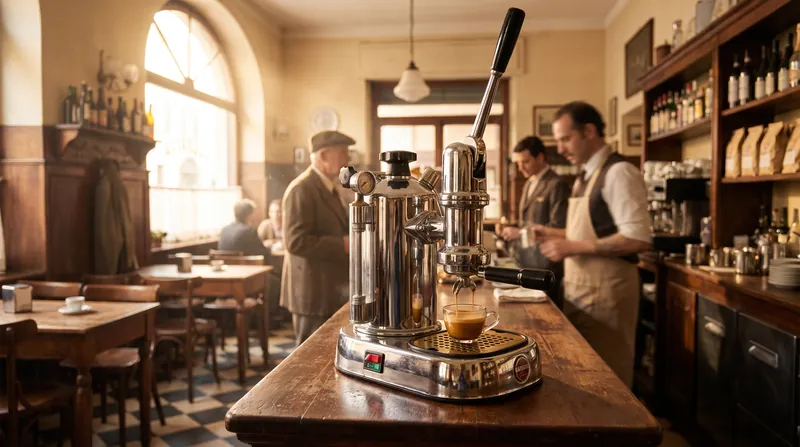
Rooted in Italian cafe culture, traditional espresso brewing focuses on the tactile experience of the coffee—its viscosity, the thickness of the crema, and how well it pairs with steamed milk. This camp often favors medium-to-dark roasts, which are more porous and easier to extract. Because the beans give up their soluble compounds so readily, traditional espresso relies on very short, high-pressure extraction times (often under 30 seconds) to pull out the rich oils and caramelized sugars before the harsh, ashy flavors of the dark roast can ruin the shot.
Cold Brew Advocates
Values a smooth, stomach-friendly beverage that minimizes acidity and bitterness by removing heat from the equation.
Cold brew enthusiasts prioritize comfort and drinkability over complex flavor clarity. By steeping coarse grounds in cold water for up to 24 hours, they fundamentally alter the chemistry of the extraction. The lack of heat prevents the water from dissolving many of the bright, volatile acids and heavy, bitter tannins that hot water easily pulls out. The resulting concentrate is incredibly smooth, naturally sweet, and significantly less acidic, making it a preferred choice for consumers with sensitive stomachs or those who dislike the astringency of traditional hot coffee.
- Specialty Coffee Advocates
- Focus on highlighting origin characteristics through lighter roasts and precise, high-extraction brewing methods.
- Traditional Espresso Brewers
- Emphasize texture, crema, and balance, often favoring darker roasts and shorter, intense extraction times.
- Cold Brew Enthusiasts
- Value the low-acidity, smooth profile achieved by replacing heat with extended time, prioritizing stomach-friendly chemistry.
Perspectives this story doesn't cover
- Tea Drinkers
- Instant Coffee Consumers
Sources
Source coverage
6 outlets
3 viewpoints surfaced





- [1]Foods (MDPI)Traditional Espresso Brewers
Influence of Flow Rate, Particle Size, and Temperature on Espresso Extraction Kinetics
Read on Foods (MDPI) → - [2]PMCCold Brew Enthusiasts
The Effect of Time, Roasting Temperature, and Grind Size on Caffeine and Chlorogenic Acid Concentrations in Cold Brew Coffee
Read on PMC → - [3]PMCCold Brew Enthusiasts
Effect of grinding, extraction time and type of coffee on the physicochemical and flavour characteristics of cold brew coffee
Read on PMC → - [4]Coffee ad AstraSpecialty Coffee Advocates
The Dynamics of Coffee Extraction
Read on Coffee ad Astra → - [5]Rock Creek Coffee RoastersCold Brew Enthusiasts
Brew Time Versus Caffeine Load: When Extraction Stops Increasing Stimulation
Read on Rock Creek Coffee Roasters → - [6]Factlen Editorial Team
Synthesis by Factlen editorial team
Read on Factlen Editorial Team →
More in Food & Drink
See all →Coffee Chemistry
Coffee Bean Density and Thermal Stability Dictate the True Caffeine Content of Your Cup
2 sources
Espresso Mechanics
The 9-Bar Maximum: How 1940s Spring-Lever Engineering Established the Global Standard for Espresso Extraction
7 sources
Coffee Extraction
The 18% to 22% Extraction Yield: How the Golden Cup Standard Balances Acidity and Bitterness
8 sources
Coffee Science
The 40% CO2 Loss in the First 7 Days: How Degassing Dictates Optimal Brewing Time and Crema Formation
7 sources
Comments
Every angle. Every day.
Get Food & Drink stories with full source coverage and perspective breakdowns, free every day.