
Springbok Captain Siya Kolisi Issues Ultimatum to South African Men Over Gender-Based Violence Crisis
The two-time World Cup-winning rugby captain leveraged his national platform to demand accountability from men, stating plainly that male behavior is the root of the country's gender-based violence crisis.
By Xia Wu

- Sports Leadership
- Views athletic platforms as essential tools for driving social accountability and breaking cultural silences.
- Social Advocacy
- Emphasizes that gender-based violence is fundamentally a crisis of male behavior requiring active male intervention.
- Cultural Commentators
- Focuses on the unique unifying power of the Springboks to reach demographics resistant to traditional messaging.
Perspectives this story doesn't cover
- Grassroots male community leaders
Fast facts
- Springbok captain Siya Kolisi issued a direct plea to South African men to take responsibility for the country's gender-based violence crisis.
- Kolisi stated 'we are the problem,' shifting the focus from female victims to male perpetrators and enablers.
- The two-time World Cup winner is using his unique cultural influence to reach young men who often ignore traditional advocacy campaigns.
- Advocacy groups hope the message will filter down to local rugby clubs and schools to create sustained behavioral change.
Why this matters
Kolisi is arguably the most unifying and influential male figure in South Africa. When he frames gender-based violence as a crisis of male accountability rather than a women's issue, it forces a cultural reckoning in spaces—like sports locker rooms and male-dominated institutions—that traditional advocacy often struggles to reach.
The structural math of South Africa's gender-based violence crisis dictates a brutal reality: the violence will not stop until the demographic perpetrating it decides to change. Right now, that condition is failing. Recognizing that legislative action and female-led advocacy have reached their operational limits without widespread male participation, 33-year-old Springbok captain Siya Kolisi has leveraged his unprecedented national platform to issue a direct, uncomfortable ultimatum to South African men.[1][5]
Speaking with raw frustration during a public address this week, the two-time Rugby World Cup winner stripped away the passive language often used to describe the crisis. "We are the problem, we need help," Kolisi stated, shifting the burden of responsibility squarely onto male shoulders. His intervention marks a sharp departure from traditional public service announcements, demanding active accountability rather than mere awareness from the country's male population.[1][2]
The stakes of this messaging are tied directly to the messenger. In a nation of 62 million people, Kolisi occupies a unique cultural apex. As the first Black captain of the Springboks, he unified a fractured country behind the 2019 and 2023 World Cup victories. When he speaks, the demographic most resistant to gender-based violence messaging—young, sports-following men—actually listens.[4][6]
Kolisi’s plea specifically targets the culture of silence within male peer groups. He emphasized that gender-based violence and femicide (GBVF) have continued "for far too long" because men allow toxic behaviors to go unchecked in locker rooms, bars, and private group chats. "Help us be better men," he urged, framing the eradication of violence as an active, daily discipline rather than a passive trait.[3][5]
Kolisi’s plea specifically targets the culture of silence within male peer groups.
The timing of the captain's remarks aligns with a broader push across South African civil society to reframe GBV as a male crisis rather than a women's issue. By stating "we have to do better as men," Kolisi is providing top-cover for grassroots organizations that have spent the last 10 years begging high-profile male figures in the 15-man code to break ranks and call out their peers.[2][4]
This is not the first time Kolisi has waded into heavy social waters, but it is arguably his most pointed domestic intervention since lifting the Webb Ellis Cup in Paris 11 months ago. The South African rugby establishment, historically conservative and hesitant to alienate its core fanbase, has largely rallied behind his stance, recognizing that the sport's massive cultural footprint carries inherent social responsibilities.[6]
The immediate challenge is translating a viral emotional plea into sustained behavioral change. Advocacy groups have noted that while high-profile condemnations generate 24-hour news cycles, the true test lies in whether the country's 1,500 local rugby clubs, high schools, and community organizations adopt Kolisi's zero-tolerance framework in their own ranks.[1][4]
For now, the Springbok captain has successfully forced an uncomfortable conversation into the center of South African sports media. By refusing to let men look away from their role in the crisis, Kolisi has set a new baseline for what athletic leadership looks like off the pitch, challenging every other public figure in the Southern Hemisphere to match his accountability.[5][6]
Sources
Source coverage
6 outlets
3 viewpoints surfaced






- [1]IOLSports Leadership
'We are the problem, we need help': Siya Kolisi's raw plea to South African men on GBV crisis
Read on IOL → - [2]East Coast RadioSocial Advocacy
'We have to do better as men': Siya Kolisi speaks out against GBV
Read on East Coast Radio → - [3]Jacaranda FMCultural Commentators
'Help us be better men' - Kolisi says GBVF continuing for far too long
Read on Jacaranda FM → - [4]Bona MagazineSocial Advocacy
Siya Kolisi and more urge men to stand up against GBV
Read on Bona Magazine → - [5]TimesLIVECultural Commentators
'We are the problem': Siya Kolisi's urgent message to SA men over GBV
Read on TimesLIVE → - [6]SABC SportSports Leadership
Siya Kolisi urges South Africans to unite against GBV
Read on SABC Sport →
Comments

More in Sports
See all →Scoring Mechanics
The Clock-Face Quirk and the 'Advantage' Sequence That Define the Mathematics of a Tennis Game
7 sources

Equipment Rules
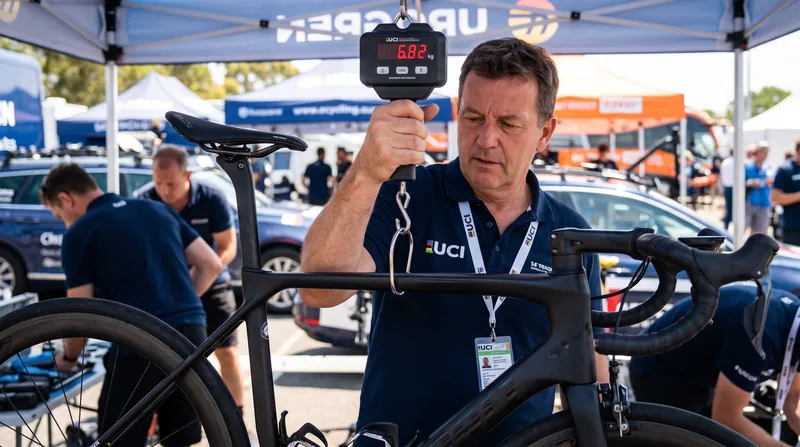
The 6.8-Kilogram Minimum Weight Limit Governing UCI Race Bicycles
8 sources
Scrum Mechanics
The 'Crouch, Bind, Set' Sequence and the 1.5-Meter Push Limit That Define a Legal Rugby Scrum Engagement
5 sources

Recap
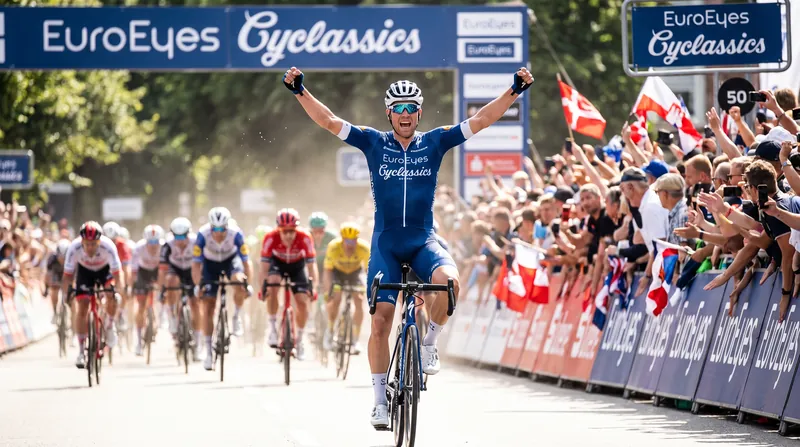
Paul Magnier Claims First WorldTour One-Day Victory at ADAC Cyclassics Hamburg
5 sources
Every angle. Every day.
Get Sports stories with full source coverage and perspective breakdowns delivered to your inbox.