
full timeline
US elections
Democrat Chuck Hubbard has officially defeated Republican incumbent Virginia Foxx in North Carolina’s 5th District following a recount.
Follow US elections in the Factlen app and get an alert when there is news. Get the app
Share this story
Latest report
House Democrats Reach 258-Seat Majority as Chuck Hubbard Wins North Carolina Recount
Democrat Chuck Hubbard has officially defeated Republican incumbent Virginia Foxx in North Carolina’s 5th District following a recount. The victory expands the Democratic House majority to 258 seats, their largest advantage in the chamber since 1992.
- A formal recount in North Carolina's 5th Congressional District confirmed Democrat Chuck Hubbard defeated 11-term Republican incumbent Virginia Foxx by a margin of 412 votes.
- The result brings the Democratic House majority to 258 seats, marking the party's largest control of the lower chamber since the 103rd Congress in 1992.
- Foxx conceded the race on Sunday morning, ending a prolonged post-election challenge period that delayed the final certification of the state's congressional delegation.
- The expanded margin neutralizes the leverage of narrow ideological caucuses, granting incoming Speaker Hakeem Jeffries significant flexibility in whipping votes.
Democrat Chuck Hubbard has officially unseated 11-term Republican incumbent Virginia Foxx in North Carolina’s 5th Congressional District. The final tally, certified Sunday following a mandatory recount, confirmed Hubbard’s victory by a razor-thin margin of 412 votes.[2]
The outcome in the Appalachian district concludes one of the most closely watched outstanding races of the 2026 midterm cycle. Election officials spent the past two weeks re-tabulating more than 340,000 ballots to satisfy state election law requirements.[3][4]
Hubbard’s victory pushes the incoming Democratic House majority to 258 seats, against 177 for the Republican minority. This represents the largest Democratic advantage in the lower chamber since the 103rd Congress convened in 1992.[1][4]
"The voters of the 5th District have spoken, and they have demanded a new direction that prioritizes working families over partisan gridlock," Hubbard said in a victory statement released Sunday morning. "I am honored by their trust and ready to get to work."[2]
Representative Foxx, who has held the seat since 2005 and previously chaired the powerful House Education and Workforce Committee, conceded shortly after the North Carolina State Board of Elections published the final figures.[3]
A Historic Legislative Buffer
The sheer size of the 258-seat majority fundamentally alters the operational dynamics of the incoming House of Representatives. Incoming Speaker Hakeem Jeffries will take the gavel with a 40-seat cushion above the 218 required to pass legislation.[1]
During the previous Congress, narrow margins forced party leaders to negotiate constantly with small, ideologically rigid factions to advance basic procedural votes. A buffer of this magnitude effectively neutralizes the leverage of any single voting bloc.[1][2]
"When you have 258 members, you can afford to lose the progressive flank on a defense bill, or the moderate frontline members on an environmental package, and still pass the legislation," noted a senior Democratic strategist quoted by PBS NewsHour.[1]
This expanded House majority mirrors the party's recent gains in the upper chamber. Just last week, Democrat Mary Peltola secured the Alaska Senate race, expanding the Democratic Senate majority to 56 seats and cementing unified control of Congress.[1][2]
The dual majorities provide the White House with an unobstructed path for judicial confirmations and ambitious legislative priorities. Republican opposition in both chambers is now mathematically relegated to a purely messaging role, lacking the numbers to sustain filibusters or block committee actions.[2]
The North Carolina Battleground
Hubbard’s victory in North Carolina’s 5th District highlights a broader demographic realignment that has steadily eroded traditional Republican strongholds. The district, which stretches across the northwestern corner of the state, has historically voted reliably conservative.[2][4]
Foxx won her 2024 reelection campaign by a comfortable 12-point margin. However, an influx of new residents to the Winston-Salem suburbs, combined with high turnout among younger voters in Boone, rapidly shifted the electorate's composition over the last two years.[2][3]
The demographic shift was particularly pronounced in Watauga County, home to Appalachian State University. Democratic turnout in the county surged by 18 percent compared to the 2022 midterms, providing Hubbard with a critical buffer against Foxx's rural margins.[4]
Local organizers attributed the surge to targeted registration drives focusing on housing affordability and healthcare access. These localized economic messages resonated strongly in communities struggling with inflation and post-pandemic recovery.[2]
The recount process itself proceeded without the partisan friction that has characterized recent close elections. The North Carolina State Board of Elections utilized high-speed scanners to verify the initial machine counts across 15 counties.[3]
"The recount confirmed the accuracy of our initial tabulation, demonstrating the resilience and transparency of North Carolina's election infrastructure," the State Board of Elections stated in its official certification document on Sunday.
Foxx’s concession statement acknowledged the mechanical integrity of the process. "While this is not the outcome we worked for, I respect the final results of the recount and congratulate Mr. Hubbard on his victory," she wrote.
Republican Minority Strategy
For the Republican conference, the loss of a safe seat and the reality of a 177-member minority has triggered intense internal debate. The party now faces its smallest House delegation in decades, prompting calls for a comprehensive strategic overhaul.
Conservative commentators and party strategists are openly questioning the current leadership's approach to candidate recruitment and fundraising. The failure to defend an 11-term incumbent in a traditionally red district has amplified these concerns.[4]
"We are looking at a generational rebuilding process," a Republican National Committee official told Fox News on Sunday. "You do not lose a seat like North Carolina's 5th without fundamental flaws in how you are communicating with suburban and rural voters."
The minority party will now have to rely heavily on public messaging and state-level legal challenges to counter the Democratic agenda. Without the votes to influence committee markups, their legislative influence in Washington is effectively zero.[1]
The conservative House Freedom Caucus, which wielded disproportionate power during the previous session, finds itself entirely sidelined. Their ability to threaten leadership with procedural revolts relied entirely on a narrow margin that no longer exists.[1][2]
Some moderate Republicans are already signaling a willingness to cross the aisle on infrastructure and economic bills. They hope to secure local funding rather than engaging in futile partisan opposition against an insurmountable majority.[2][4]
Preparing for the New Session
With the 2026 midterm cycle officially concluded, Democratic leadership is moving quickly to organize the new Congress. The steering committee faces the complex task of assigning 258 members to various panels, balancing seniority with the demands of newly elected representatives.[1][2]
Hubbard, a former state legislator and public school administrator, is expected to seek assignments on the Agriculture and Education committees. His background aligns closely with the economic drivers of his Appalachian district.[2][3]
The sheer volume of the incoming freshman class requires logistical adjustments on Capitol Hill. Office space allocations and staff hiring budgets are currently being renegotiated to accommodate the massive Democratic delegation.[1][4]
Transition teams are already drafting the initial slate of bills to be introduced on opening day. The legislative package is expected to feature heavy investments in rural broadband and manufacturing subsidies, directly targeting the districts that delivered the new majority.[1][2]
Republican leadership, meanwhile, is organizing a shadow committee structure to draft alternative proposals. While these bills have no path to passage, they will serve as the foundation for the party's 2028 campaign platform.[4]
The 119th Congress will officially convene on January 3, 2027. With the final outstanding races now certified, both parties have a definitive map of the legislative landscape they will navigate over the next two years.[1]
Sources
- [1]PBS NewsHour — Democrats clinch a historic House majority of at least 258 seats, the largest since 1992 Read on PBS NewsHour →
- [2]The Washington Post — Democrat Chuck Hubbard defeats GOP incumbent in North Carolina House race Read on The Washington Post →
- [3]KSAT — Chuck Hubbard defeats Rep. Virginia Foxx after a recount in their North Carolina House race Read on KSAT →
- [4]Associated Press — North Carolina recount confirms Hubbard victory, pushing Democratic House majority to 258 Read on Associated Press →
What to watch
- An appeal remains pending regarding the dismissed Trump administration lawsuit that attempted to block the certification of Alaska's Senate election.
- Democratic leaders are demanding an immediate halt to interior enforcement operations before engaging in bipartisan legislative negotiations on immigration.
- A unified Democratic Congress is expected to intensify antitrust scrutiny and pursue comprehensive federal data privacy legislation.
Earlier updates
1 update
Trump Admits Iran War and Gas Prices Fueled Republican Midterm Losses
Key point: President Trump and Vice President Vance conceded that the economic fallout from the war with Iran was a major factor in the Republican Party's midterm defeat.
AIPresident Donald Trump conceded during a national broadcast that his mass deportation policy likely harmed Republican candidates in the midterm elections.From: Trump Concedes Mass Deportation Policy Was 'Too Tough' and Harmed GOP in Midterms U.S. President Donald Trump has acknowledged that the ongoing war with Iran and the resulting spike in gasoline prices contributed to the Republican Party's sweeping losses in the midterm elections. Speaking to reporters at a White House construction site and in a Fox News interview, Trump conceded that voters were unwilling to tolerate the short-term economic consequences of the conflict. He admitted he was surprised by the extent of the defeat, noting that he had expected the party to perform better following his campaign rallies.
Despite the electoral backlash, Trump defended his decision to launch the military campaign, insisting he would "do it again" because preventing Tehran from acquiring a nuclear weapon outweighed the political costs. Vice President JD Vance offered a starker assessment, stating on social media that the war was the principal reason Republicans lost. Vance challenged the notion that the defeat was due to low turnout, arguing instead that the party must confront the grievances of disillusioned voters who shifted their support to Democrats over inflation and the conflict.
The midterm blowout delivered control of both the House of Representatives and the Senate to the Democratic Party, upending the final two years of Trump's presidency. The shifting balance of power is expected to subject the administration's handling of the Iran conflict to intense congressional scrutiny. Democratic leaders, including top Senate Democrat Chuck Schumer, are already calling for an end to the war, setting the stage for a divided government ready to launch investigations and challenge the president's agenda.
The political fallout follows a surge in global energy costs after Iran blocked the Strait of Hormuz in retaliation for U.S. and Israeli military strikes. While Trump claimed that operations have severely weakened Iran's military capabilities and pointed to renewed oil shipments as evidence of easing disruption, the economic strain became a central issue at the ballot box. Independent voter surveys indicated that the cost of living and the Iran war were crucial factors driving the electorate's decisive rejection of unified Republican control.
7 updates
Democrats Flip Senate Seats in North and South Carolina in Early Midterm Returns
Key point: Democratic candidates Roy Cooper and Annie Andrews have flipped Republican-held Senate seats in North and South Carolina, signaling early momentum for their party.
Democrats have secured crucial victories in the US midterm elections by flipping Senate seats in both North and South Carolina. Roy Cooper won the Senate race in North Carolina, while Annie Andrews defeated Republican Darline Graham in South Carolina.
The South Carolina result is considered a stunning upset and a significant blow to Donald Trump, who had handpicked Graham for the race. The seat was previously held by Graham's late brother, Senator Lindsey Graham, and Republicans had worked extensively to keep it in their control.
These early returns move Democrats significantly closer to securing a Senate majority. The dual victories in the Carolinas represent a major rebuke to the Republican party and highlight a surging blue wave as the midterm elections unfold.
Graham's campaign had faced tightening polls in its final days, with the Republican party fracturing over her candidacy and observers pointing to her own missteps. The loss of these traditionally conservative and battleground seats underscores the challenges the GOP faces as the remaining national results are tallied.
Democrats Flip US House of Representatives in Midterm Rebuke to Trump
Key point: The Democratic Party has regained control of the US House of Representatives, delivering a significant midterm rebuke to the Trump administration.
The Democratic Party has regained majority control of the United States House of Representatives after four years. Media projections confirmed the chamber flipped during the 2026 midterm elections, marking a significant shift in congressional power.
The election results are being widely interpreted as a sweeping rebuke to President Donald Trump and the Republican-led Congress. As the blue wave materialized, Trump responded on social media, arguing that the Republican losses occurred because he was not personally on the ballot and claiming they would have won in a landslide otherwise.
The Democratic majority was secured through critical victories in highly competitive races across the country. In one notable upset contributing to the shift, Democratic challenger Janelle Stelson defeated Republican incumbent Scott Perry to capture Pennsylvania's 10th Congressional District.
This House victory follows two turbulent years since Trump's return to the White House. The shift in the lower chamber aligns with broader Democratic gains, as the party also moves closer to a Senate majority following early seat flips in North and South Carolina.
Keisha Lance Bottoms Wins Georgia Governorship, Making US History
Key point: Democrat Keisha Lance Bottoms has been elected governor of Georgia, becoming the first Black woman to serve as a state chief executive in US history.
Democrat Keisha Lance Bottoms has won the Georgia gubernatorial election, securing a historic victory over her opponent, Rick Jackson. By winning the race, Bottoms becomes the first Black woman to be elected as a state governor in United States history, and the first woman to serve as the chief executive of Georgia.
The outcome of the highly anticipated midterm contest was solidified after Jackson formally conceded the race. Bottoms's triumph successfully flips the Georgia governor's mansion to the Democratic Party, marking the first time in nearly thirty years that a Democrat will hold the state's highest office.
Prior to this election, no Black woman had ever served as the chief executive of any American state. Bottoms has now broken that barrier, adding a landmark achievement to the broader Democratic successes in the ongoing midterm elections.
Democrats Win Control of House and Senate in Major Midterm Rebuke to Trump
Key point: Democrats have secured full control of the US Congress in the 2026 midterms, gaining the power to block President Donald Trump's agenda.
The Democratic Party has won control of both the US House of Representatives and the Senate in the 2026 midterm elections. The sweeping victory secures full Democratic control of Congress, delivering a historic reversal and a major rebuke to President Donald Trump.
Following the results, Trump acknowledged the outcome by stating that Democrats did a good job, while blaming individual Republican candidates for the party's widespread losses. Top House Democrat Hakeem Jeffries celebrated the sweeping victory and vowed to investigate those he accused of enriching themselves.
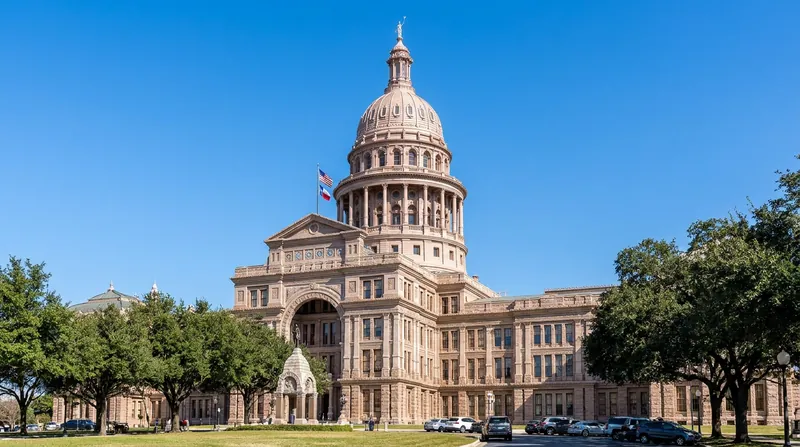
The newly secured majorities grant Democrats the legislative power to block Trump's agenda and launch investigations into alleged corruption during the final two years of his presidency. The congressional takeover was fueled by stunning statewide upsets, including Democrat James Talarico defeating Republican Ken Paxton in the Texas Senate race, and megachurch pastor Adam Hamilton ousting GOP Senator Roger Marshall in Kansas.
Voter turnout and sentiment were heavily driven by deep public anger over the rising cost of living, punishing tariff policies, and the economic impacts of Trump's war against Iran. Before Tuesday's blue wave, Republicans controlled the outgoing 119th Congress with a 53-seat Senate majority.
Democrat Abdul El-Sayed Wins Michigan Senate Seat, Becoming First Muslim Senator
Key point: Democrat Abdul El-Sayed has defeated Republican Mike Rogers in Michigan, becoming the first Muslim elected to the U.S. Senate.
Democrat Abdul El-Sayed has defeated Republican Mike Rogers to win Michigan's U.S. Senate race, networks projected early Wednesday. The victory makes El-Sayed the first Muslim elected to the upper chamber of Congress.
El-Sayed, a 42-year-old medical administrator, campaigned heavily on leftist promises, including the implementation of universal healthcare to help voters navigate the for-profit medical system. He secured the seat previously held by retiring Democratic Senator Gary Peters, holding a nearly six-point lead when the race was called. The win makes him the first Democratic doctor to serve in the Senate since 1969. In his victory speech to supporters in Detroit, El-Sayed celebrated the historic milestone and directly addressed Vice President JD Vance, stating, "You're constitutionally obligated to swear me in in January."
El-Sayed's success in the battleground state successfully holds the seat for the Democrats, bolstering their incoming majorities in Congress following a night of sweeping midterm victories. He managed to secure the win despite a late curveball in his campaign when Congresswoman Haley Stevens, who had lost the Democratic primary to El-Sayed, publicly endorsed Rogers at the eleventh hour.
The Senate race was marked by highly polarized rhetoric and personal attacks. Trump repeatedly mocked El-Sayed's Arabic name, labeled him a "jihadist," and joked at a rally that the Democrat would have to pass through a metal detector before being allowed onto the Senate floor. El-Sayed also faced intense scrutiny over his family history after reports revealed his mother previously worked for a charity designated by the U.S. Treasury as a terrorist organization, and he drew criticism for stating in an interview that Israel is "not our friend."
Democrats Secure Control of US Congress After Flipping the House
Key point: The Democratic Party has won unified control of the US Congress after securing a majority in the House of Representatives during the 2026 midterm elections.
The Democratic Party has secured a majority in the US House of Representatives, confirming their unified control of Congress following the 2026 midterm elections. The victory marks the party's return to power in the lower chamber after four years of Republican rule.
The decisive "blue wave" saw Democrats sweep both the House and the Senate. The party's success in flipping the House was driven in part by strong performances from women candidates across key battleground districts.
The confirmed Democratic sweep solidifies the projected midterm gains that recently rattled global markets, sending tech shares and the US dollar lower amid policy jitters. Unified control of the legislative branch will now allow the party to advance its agenda with significantly less opposition.
All 435 House seats and approximately one-third of the Senate were contested in the midterms. By capturing both chambers, Democrats have fundamentally reshaped the political landscape in Washington for the remainder of the presidential term.
Global Markets Rebound and Bond Yields Fall Following Democratic Sweep
Key point: Global stocks and U.S. Treasury bonds rallied while the dollar weakened as markets absorbed the Democratic Party's victory in the U.S. midterm elections.
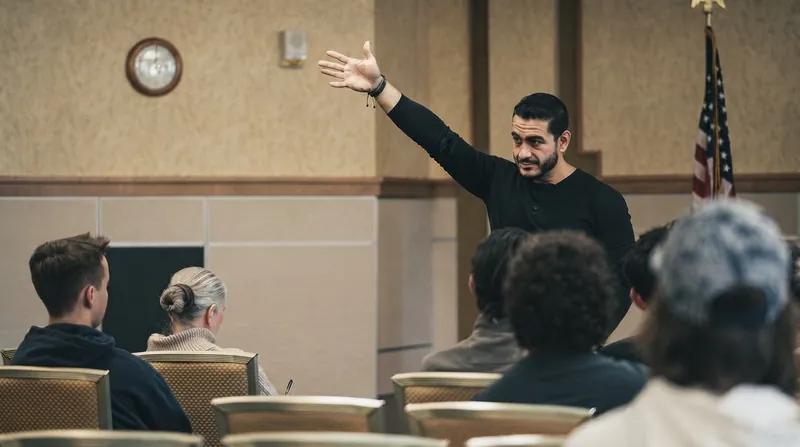
El-Sayed secured the open Senate seat following a highly competitive general election.From: Democrat Abdul El-Sayed Defeats Mike Rogers in Michigan to Become First Muslim US Senator Global stock markets and U.S. equity futures rebounded sharply on Wednesday, while U.S. Treasury bond yields fell as investors digested the Democratic Party's sweep of the midterm elections. The U.S. dollar also weakened against major currencies, accompanied by a rally in safe-haven assets like gold.
Dow Jones Industrial Average futures surged by 912 points, or 1.75 percent, signaling strong opening gains on Wall Street following the decisive election results. In the bond market, U.S. Treasury yields declined as traders adjusted their expectations for future fiscal policy and government borrowing. Meanwhile, investors began picking winners and losers across various sectors, with some tech and artificial intelligence bets facing pressure amid the shifting landscape.
The broad market rally marks a sharp reversal from earlier trading sessions, where projected Democratic gains had initially sparked policy jitters and a sell-off in global equities. Investors appear to have quickly pivoted from uncertainty to pricing in the new political landscape, shifting capital into bonds and broader market indexes while liquidating some pre-election positions.
The market movements follow confirmation that Democrats secured control of both chambers of the U.S. Congress, having successfully flipped the House of Representatives. Analysts note that while unified government control can sometimes bring short-term volatility, historical trends often favor stock market growth once the political outcome is finalized.
1 update
DOJ Asks Washington State to Set Aside Over 400 Ballots Over Noncitizen Voting Claims
Key point: The Justice Department has demanded that Washington state set aside ballots from over 400 suspected noncitizens, a move state officials criticized as an attempt to undermine election confidence.
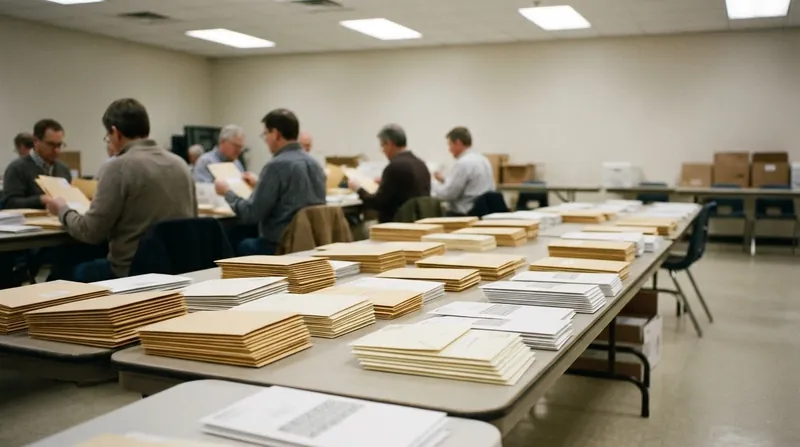
AIIllustration: Election workers process ballots in Alaska, where a federal judge has allowed tabulation to continue uninterrupted.From: Federal Judge Dismisses Justice Department Attempt to Block Alaska Senate Certification The U.S. Justice Department has asked Washington state to set aside ballots from more than 400 individuals it suspects are noncitizens ineligible to vote. In a letter sent to Washington Secretary of State Steve Hobbs on Monday, federal prosecutors claimed the individuals had cast about 1,500 votes in prior elections and requested their upcoming midterm ballots be segregated until their eligibility is confirmed.
Acting U.S. Attorney Neil Floyd described the identified voters as the "tip of the iceberg," though the DOJ did not publicly disclose evidence for the claims. Hobbs stated his office is reviewing the demand but criticized the timing—just eight days before Election Day—as an attempt to cast unfounded suspicion on the election results.
The Washington request marks the latest in a series of direct state challenges by the Trump administration as voting is underway. It follows a similar DOJ effort in California, where a federal appeals court recently rejected the department's attempt to sequester mail ballots from up to 20,000 people.
Charts, maps and images
Timeline
November 2026
House Democrats Reach 258-Seat Majority as Chuck Hubbard Wins North Carolina Recount
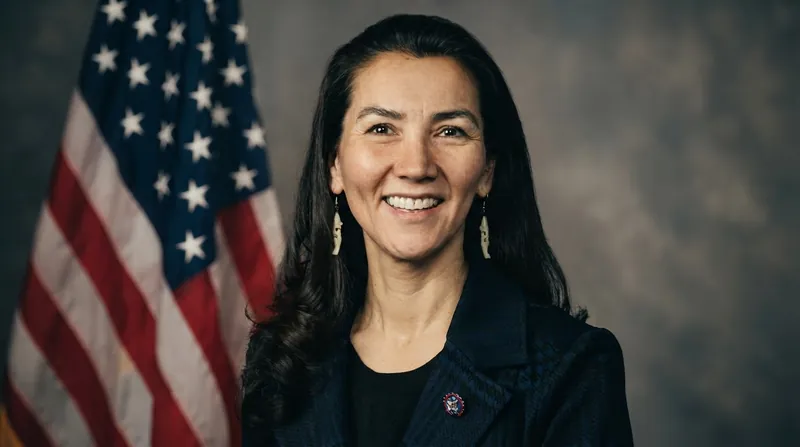
Democrat Mary Peltola Wins Alaska Senate Race, Expanding Majority to 56 Seats
Democrat Eileen Laubacher Ousts Lauren Boebert in Colorado House Race
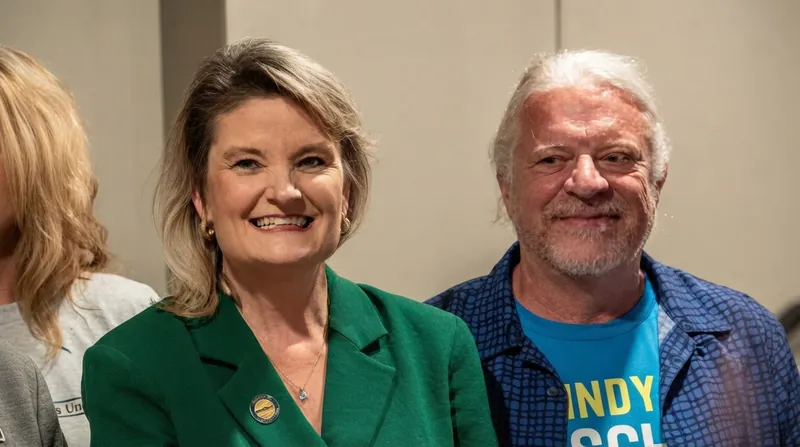
AIAIDemocrat Cindy Holscher Wins Kansas Governor Race After Campaign Targeting AI Data Centers
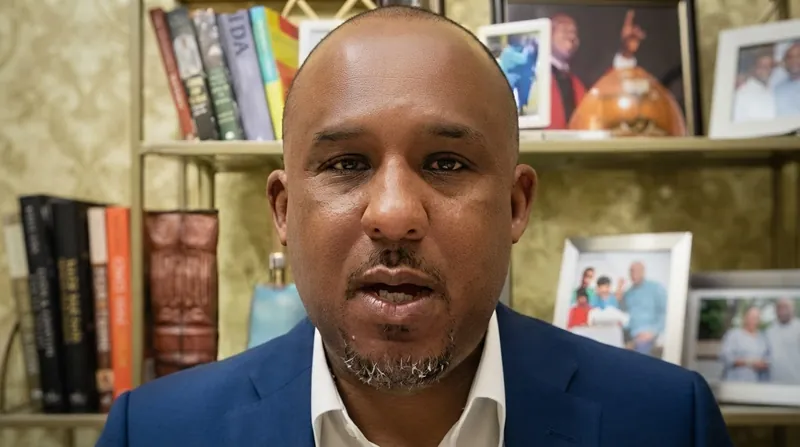
Democrat Scott Colom Wins Mississippi Senate Seat in Historic Upset
Trump Concedes Hardline Deportation Stance Harmed Republicans in Midterm Defeats
AIAISouth Korea Halts Trading as Kospi Plunges 8.8 Percent in $2.5 Trillion Global Tech Rout
Democrat Josh Turek Flips Iowa Senate Seat, Defeating Republican Ashley Hinson
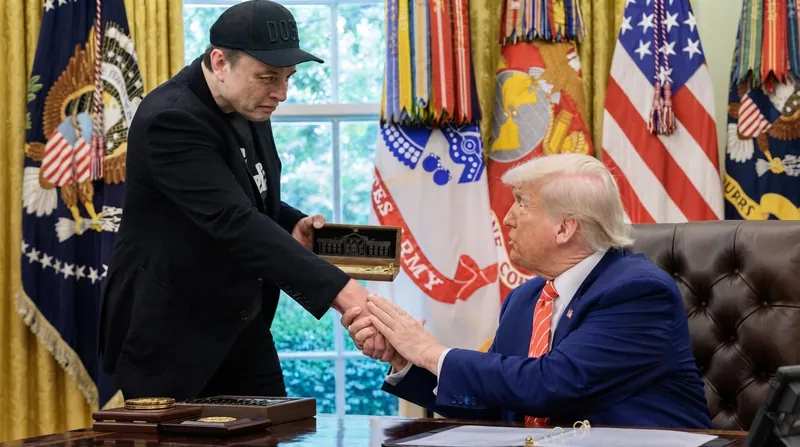
AIAI- Trump Admits Iran War and Gas Prices Fueled Republican Midterm LossesKey point: President Trump and Vice President Vance conceded that the economic fallout from the war with Iran was a major factor in the Republican Party's midterm defeat.
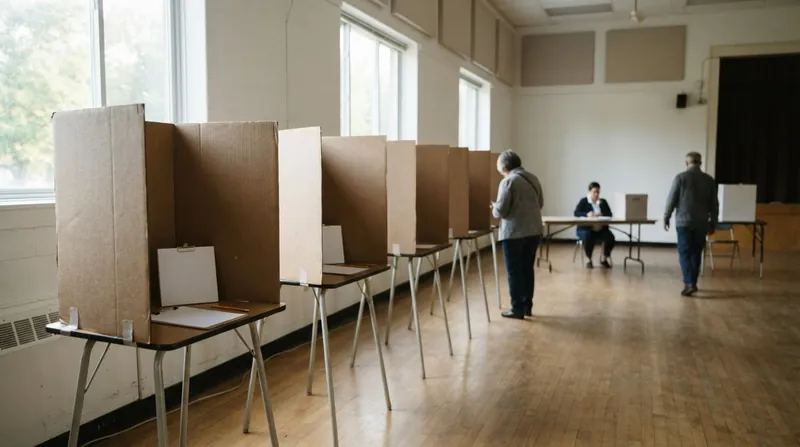
Voters cast ballots in nationwide congressional races that determine the balance of power in the United States government.
AIAIAIAI- Democrats Flip Senate Seats in North and South Carolina in Early Midterm ReturnsKey point: Democratic candidates Roy Cooper and Annie Andrews have flipped Republican-held Senate seats in North and South Carolina, signaling early momentum for their party.
- Democrats Flip US House of Representatives in Midterm Rebuke to TrumpKey point: The Democratic Party has regained control of the US House of Representatives, delivering a significant midterm rebuke to the Trump administration.
- Keisha Lance Bottoms Wins Georgia Governorship, Making US HistoryKey point: Democrat Keisha Lance Bottoms has been elected governor of Georgia, becoming the first Black woman to serve as a state chief executive in US history.
- Democrats Win Control of House and Senate in Major Midterm Rebuke to TrumpKey point: Democrats have secured full control of the US Congress in the 2026 midterms, gaining the power to block President Donald Trump's agenda.
- Democrat Abdul El-Sayed Wins Michigan Senate Seat, Becoming First Muslim SenatorKey point: Democrat Abdul El-Sayed has defeated Republican Mike Rogers in Michigan, becoming the first Muslim elected to the U.S. Senate.
- Democrats Secure Control of US Congress After Flipping the HouseKey point: The Democratic Party has won unified control of the US Congress after securing a majority in the House of Representatives during the 2026 midterm elections.
- Global Markets Rebound and Bond Yields Fall Following Democratic SweepKey point: Global stocks and U.S. Treasury bonds rallied while the dollar weakened as markets absorbed the Democratic Party's victory in the U.S. midterm elections.







How the story developed
The election cycle's early stages featured extensive legal battles over voting rules and voter rolls. On August 24, the Justice Department sued 29 states and Washington, D.C., demanding unredacted voter registration lists to enforce federal election laws, a move federal courts repeatedly dismissed. The Trump administration also sought to use the SAVE database, which pools Social Security and immigration records, to verify voter citizenship. While lower courts blocked the system over privacy concerns, the Supreme Court ruled 6-3 on September 25 to allow its use, despite state officials and fact-checkers stating the database frequently flags naturalized citizens.
In September, disputes over mail-in voting reached the federal courts. A First Circuit appellate panel and a federal district judge blocked a new U.S. Postal Service rule that would have required states to register voters in a federal portal and use specific barcodes on ballot envelopes. On September 15, the Supreme Court rejected the Trump administration's emergency bid to reinstate the restrictions. As early voting commenced, federal agents arrested 11 foreign nationals in California on October 20 on charges of illegally registering and voting, part of a broader operation charging 28 lawful permanent residents.
In the final weeks before the November 3 Election Day, the Justice Department directed counties in California and Washington to segregate ballots from suspected noncitizens. On October 23, the Justice Department filed a lawsuit to block the certification of Alaska's Senate election over ballot confusion involving two candidates named Dan Sullivan. A federal judge dismissed the Alaska lawsuit on November 2, and the Supreme Court denied a Trump administration request on November 3 to segregate 20,000 California mail-in ballots.
Election Day on November 3 resulted in a sweeping shift in congressional power, with the Democratic Party winning unified control of the U.S. Congress. Democrats flipped multiple Senate seats, including victories by Roy Cooper in North Carolina, Annie Andrews in South Carolina, Josh Turek in Iowa, and James Talarico in Texas. In Michigan, Abdul El-Sayed defeated Mike Rogers to become the first Muslim elected to the U.S. Senate.
Democratic candidates also secured historic gubernatorial victories. Keisha Lance Bottoms was elected governor of Georgia, becoming the first Black woman to serve as a state chief executive in U.S. history. In Texas, Gina Hinojosa defeated three-term Republican incumbent Greg Abbott. The projected Democratic sweep initially caused global tech shares and the U.S. dollar to sink on November 4 amid fears of artificial intelligence regulation, before global markets rebounded later that day.