
China Deploys Premier Type 99 Heavy Tanks to Coastal Units Facing Taiwan and Japan
The People's Liberation Army has shifted its heaviest armor to the Eastern Theater Command, signaling a major change in its regional deterrence strategy.

Share this story
China's People's Liberation Army (PLA) has begun deploying its premier Type 99A heavy main battle tanks to frontline units in the Eastern Theater Command, a region directly facing Taiwan and the southern islands of Japan. The movement of these 50-ton behemoths to coastal provinces marks a significant departure from the PLA's traditional reliance on lighter, amphibious armor in the area, signaling a fundamental shift in regional force posture.[1]
Satellite imagery and state media broadcasts confirmed that at least three combined arms brigades stationed in Fujian and Zhejiang provinces have transitioned from older Type 96 tanks and Type 15 light tanks to the advanced Type 99A. The Type 99A features a 125mm smoothbore gun, advanced explosive reactive armor, and active protection systems designed to defeat modern anti-tank guided missiles.
Military analysts note that the Eastern Theater Command has historically prioritized rapid-deployment amphibious assault vehicles and light tanks optimized for crossing the Taiwan Strait and navigating muddy, mountainous terrain. The introduction of heavy armor suggests a doctrinal shift toward preparing for high-intensity, sustained land warfare, potentially anticipating a scenario where heavy allied forces intervene on the mainland or where the PLA requires a hardened defensive perimeter to protect embarkation zones.[1]
In Taipei, the Ministry of National Defense stated it is "closely monitoring" the armored movements. Taiwanese defense officials emphasized that while heavy tanks cannot swim across the strait, their presence at embarkation ports indicates they could be transported via heavy roll-on/roll-off (RO-RO) civilian ferries in a second-wave assault, once a beachhead is secured by lighter amphibious forces.[2]
The deployment has also triggered alarm in Tokyo. Japan's Defense Ministry expressed "grave concern" over the buildup, noting that the units in Zhejiang province are positioned to rapidly project power toward the disputed Senkaku Islands and Japan's southwestern Ryukyu chain. Japanese officials warned that the militarization of the coastline destabilizes the regional balance of power and threatens vital maritime corridors.
Western defense officials view the deployment as a blunt signaling mechanism. By placing its most capable ground combat vehicles in plain sight, Beijing is demonstrating its capacity to absorb and deflect sophisticated anti-armor munitions supplied by the United States to its regional allies. The move is widely interpreted as a deterrent aimed at Washington's evolving security architecture in the Indo-Pacific, proving the PLA is ready for conventional, heavy-metal warfare.[3][4]
Chinese state media has framed the deployments as routine modernization efforts, necessary to safeguard national sovereignty and territorial integrity. PLA-affiliated commentators have dismissed international concerns, arguing that the Eastern Theater Command is simply upgrading its legacy equipment to match the capabilities of other military regions, ensuring a standardized, modern fighting force capable of defending the nation's borders.
Despite the formidable capabilities of the Type 99A, integrating heavy armor into the coastal theater presents significant logistical hurdles. The region's infrastructure—including bridges, rural roads, and port loading ramps—was largely designed for lighter vehicles. The PLA's engineering corps has reportedly been reinforcing local transport networks to accommodate the 50-ton tanks, a massive undertaking that has not gone unnoticed by foreign intelligence agencies tracking the region's military readiness.
The immediate consequence of this posture shift is an accelerated arms race in anti-tank capabilities. Taiwan is expected to expedite its acquisition of additional Javelin missile systems and asymmetric drone swarms, while Japan may accelerate the deployment of its Type 12 surface-to-ship and anti-armor missiles to its southern islands. As the PLA continues to integrate the Type 99A into its coastal combined arms brigades, the threshold for conventional deterrence in the Western Pacific continues to rise.[2][3]
Viewpoints in depth
Beijing's Strategic Planners
Framing the deployment as routine modernization and necessary deterrence against foreign interference.
Chinese military commentators argue that the Eastern Theater Command is simply catching up to the modernization standards of other PLA regions. By replacing outdated Type 96 tanks with the Type 99A, Beijing asserts it is ensuring its forces can adequately defend national sovereignty. They view international alarm as hypocritical, pointing to the influx of advanced Western weaponry into Taiwan and Japan as the true source of regional instability.
Regional Defense Establishments
Viewing the heavy armor as an escalatory preparation for a second-wave invasion force and a direct threat to maritime borders.
Defense officials in Taipei and Tokyo interpret the presence of 50-ton tanks on the coast not as a defensive measure, but as a logistical staging effort for offensive operations. Taiwanese planners assess that while these tanks cannot lead an amphibious assault, they are perfectly suited to roll off civilian ferries onto secured ports to crush remaining resistance. Japan views the proximity of these heavy units to the Ryukyu Islands as a direct threat to its territorial integrity.
Western Military Analysts
Interpreting the move as a logistical flex and a signal to the US regarding the PLA's readiness for high-intensity conventional warfare.
For Western observers, the deployment is as much about logistics as it is about firepower. Successfully operating and maintaining 50-ton tanks in a coastal environment requires robust infrastructure, reinforced bridges, and specialized supply chains. By demonstrating they can sustain heavy armor in the Eastern Theater Command, the PLA is signaling to Washington that it is prepared to engage and defeat heavily armored allied intervention forces in a conventional land war scenario.
Key points
- China has deployed its premier Type 99A heavy tanks to the Eastern Theater Command facing Taiwan and Japan.
- The move marks a shift from relying on lighter, amphibious armor in coastal regions.
- Taiwanese officials warn the tanks could be deployed in a second-wave assault using civilian ferries.
- Japan expressed grave concern over the militarization near its southwestern islands.
What we don’t know
- Whether the PLA has sufficiently upgraded coastal infrastructure and RO-RO vessels to transport these 50-ton tanks across the strait in combat conditions.
- How many total Type 99A units will ultimately be transferred to the Eastern and Southern Theater Commands.
- The exact timeline for these combined arms brigades to reach full operational capability with the new heavy armor.
How we got here
2020-2023
The PLA prioritizes the deployment of the lightweight Type 15 tank for mountainous and coastal regions.
Late 2025
Satellite imagery reveals infrastructure upgrades at Eastern Theater Command embarkation ports to support heavier loads.
June 2026
State media confirms the transition of legacy armored units to the Type 99A platform.
July 2026
Japan and Taiwan issue formal statements of concern regarding the heavy armor buildup.
- Regional Security Threat
- Views the heavy armor as an escalatory step preparing for offensive operations and destabilizing the regional balance.
- Deterrence & Modernization
- Argues the deployment is a standard upgrade of legacy equipment meant to deter foreign intervention and protect sovereignty.
- Strategic Signaling
- Analyzes the move as a geopolitical message to Washington, showcasing the PLA's logistical capacity and readiness for high-intensity conflict.
Perspectives this story doesn't cover
- Local Coastal Residents
- Anti-War Advocates in the Region
Sources
Source coverage
4 outlets
3 viewpoints surfaced




- [1]ReutersStrategic Signaling
China shifts heavy Type 99 tanks to eastern coast in major posture change
Read on Reuters → - [2]Taipei TimesRegional Security Threat
Defense ministry monitors PLA heavy armor movements in Fujian
Read on Taipei Times → - [3]Fox NewsStrategic Signaling
Lawmakers press Eli Lilly for China drug trials tied to military-linked hospitals
Read on Fox News → - [4]Al JazeeraStrategic Signaling
North Korea’s Kim hails ‘unshakeable will’ to develop ties with China’s Xi
Read on Al Jazeera →
More in News & Politics
See all →Pacific Defense
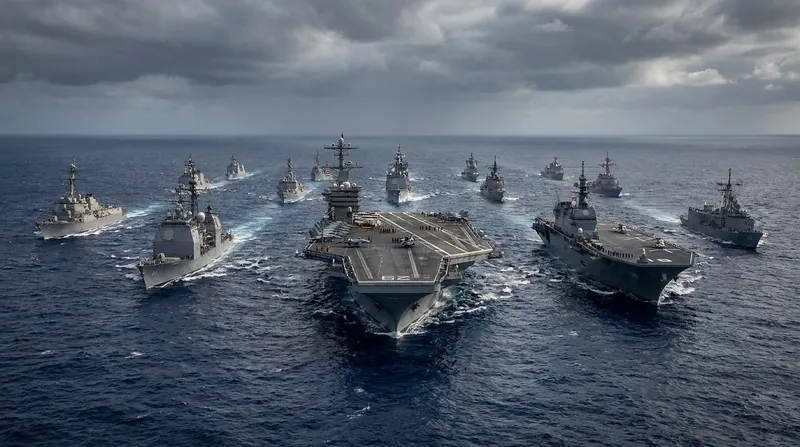
Japanese Torpedo Sinks US Navy Vessel in Friendly Fire Incident During Valiant Shield Exercise
2 sources
Military Space
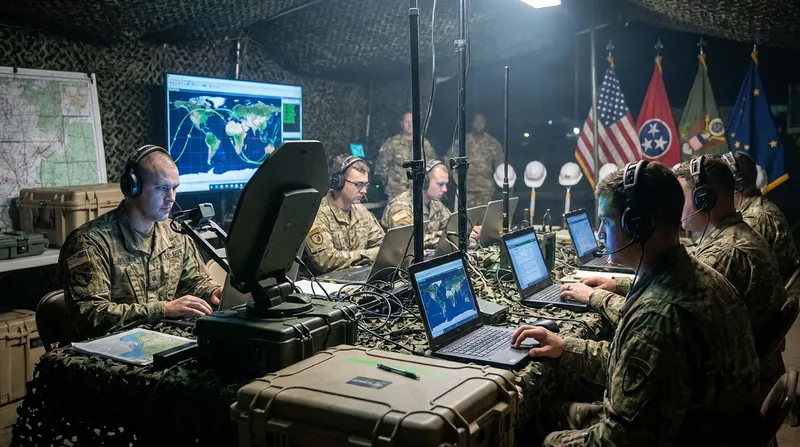
US Army Establishes Dedicated Space Operations Branch in Major Strategic Shift
3 sources
Ukraine Air War
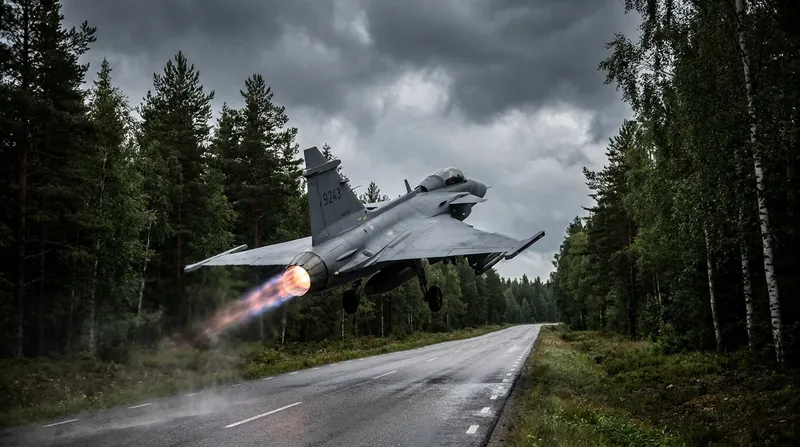
Ukraine Signs $2.5 Billion Contract With Sweden for Gripen E Fighters, Securing Major Air Force Upgrade
4 sources
NATO Posture
Pentagon Discloses Massive Cuts to Strategic Military Assets Available to NATO
3 sources
Comments
Every angle. Every day.
Get News & Politics stories with full source coverage and perspective breakdowns, free every day.