
BWF Injury Report: Modern Sports Science Fuels Resilient Comebacks on the World Tour
As the BWF World Tour calendar intensifies, elite badminton players are successfully navigating complex injuries with advanced rehabilitation. Recent data shows an 84% return-to-sport rate for major knee injuries, underscoring a new era of longevity and resilience in the sport.
By Meera Iyer

- Players & Coaches
- Prioritize long-term health, load management, and psychological recovery over rushing back for immediate tournament points.
- Sports Medicine Researchers
- Focus on biomechanics, surgical outcomes, and data-driven rehabilitation protocols to safely return athletes to the court.
- Tournament Officials
- Monitor player withdrawals and adjust tournament schedules and medical support to accommodate the physical demands of the tour.
Perspectives this story doesn't cover
- Grassroots players lacking access to elite medical care
- Equipment manufacturers designing injury-prevention gear
Key points
- Elite badminton players are increasingly prioritizing long-term rehabilitation over rushing back to the court.
- A recent sports medicine study reveals an 84.2% return-to-sport rate for badminton athletes following ACL injuries.
- Over half of players recovering from severe knee injuries successfully return to their peak performance levels.
- Players like Ashmita Chaliha and Pearly Tan have recently demonstrated successful, deep tournament runs following extended injury layoffs.
- Biomechanical data shows that nearly 75% of severe knee injuries occur during the landing phase of a jump.
- 84.2%
- Elite players returning to sport post-ACL injury
- 50.9%
- Players successfully returning to peak performance
- 74.6%
- ACL injuries occurring during jump landings
- 3 months
- Ashmita Chaliha's recent injury layoff
The BWF World Tour is a grueling gauntlet of explosive lunges, rapid directional changes, and high-impact jump smashes. For years, the physical toll of this relentless schedule was viewed as an unavoidable hazard, with severe injuries often spelling the end of a promising career. Today, however, the narrative on the professional circuit is shifting. Advanced sports medicine, biomechanical analysis, and a renewed emphasis on load management are transforming how elite shuttlers approach recovery.[5]
Rather than rushing back to the court to salvage ranking points, players are increasingly prioritizing long-term health. This cultural shift is yielding remarkable comeback stories across the globe, proving that major injuries are no longer the career death sentences they once were. As the sport prepares for the upcoming World Championships in New Delhi, the focus has expanded from simply treating injuries to optimizing the return-to-performance timeline.[2][4]
The most striking evidence of this evolution comes from the medical community. A comprehensive study recently published in Knee Surgery, Sports Traumatology, Arthroscopy analyzed two decades of anterior cruciate ligament (ACL) injuries among the top 200 players in the BWF rankings. The findings are a testament to modern rehabilitation protocols: 84.2% of elite badminton athletes successfully returned to the sport after an ACL tear.[3]
Even more encouraging is the quality of these returns. The study revealed that 50.9% of those athletes managed a full "return to performance," meaning they reclaimed or exceeded their pre-injury world rankings. For a sport that demands unparalleled lower-body stability and explosive pivoting, these numbers represent a monumental leap forward in surgical and rehabilitative care.[3]
The data also provides crucial insights into injury prevention. Researchers found that 74.6% of ACL injuries in elite badminton occur during the landing phase after a jump, while nearly half happen in the rear court on the backhand side. Armed with this biomechanical data, coaches and physiotherapists are now tailoring training regimens to strengthen specific muscle groups and refine landing mechanics, mitigating the risk before a tear occurs.[3]
On the court, these medical advancements are translating into inspiring personal triumphs. India's Ashmita Chaliha recently showcased the power of patient rehabilitation. After a frustrating three-month injury layoff, the 26-year-old returned to the circuit in formidable shape. She secured a quarter-final appearance at the Macau Open, marking her third consecutive deep tournament run since her comeback began.[1]
On the court, these medical advancements are translating into inspiring personal triumphs.
Chaliha’s resilience highlights a broader trend of players trusting their bodies after extended absences. Similarly, Malaysia's Pearly Tan recently completed an emotional return to form. After battling a severe back injury that sidelined her for months and tested her confidence, Tan and her partner Thinaah Muralitharan fought their way to their first tournament final since her return to action in May.[4]
A sentiment increasingly echoed across the tour is the desire to use injury time as a chance to reset and prepare for many more years of competition. Players are learning to listen to their bodies, recognizing that a strategic withdrawal today can preserve a career for tomorrow.[2][6]
This cautious approach is evident in the handling of ongoing rehabilitations. Malaysia's mixed doubles star Toh Ee Wei, who suffered an ACL injury during the Singapore Open in May, recently withdrew from the upcoming BWF World Championships. Rather than rushing her recovery for the sport's marquee event, Toh and her medical team are adhering to a strict, long-term rehabilitation timeline to ensure a sustainable return.[2]
Not every comeback is perfectly linear, and some require immense patience. Malaysia's Lee Zii Jia, for instance, made the difficult decision late last year to completely shut down his season due to lingering physical issues. By stepping away from the court to focus entirely on rehabilitation, he prioritized a healthy return for the 2026 campaign over the immediate gratification of tournament play.[6]
Strategic pauses like Lee's underscore the delicate balance athletes must strike between competitive drive and physical readiness. The overarching response from the badminton community has been one of support rather than panic. The modern tour understands that healing is a non-linear process, and temporary setbacks or extended rest periods are often part of a successful long-term recovery arc.[5][6]
Equipment and training methodologies are also adapting to support this health-first mandate. From specialized footwear designed to absorb the shock of jump landings to the widespread use of resistance bands for rotator cuff and patellar tendon strengthening, players are investing heavily in preventative care, commonly known as "prehab."[5]
As the BWF calendar continues to expand, the physical demands on the world's best players will only increase. But with sports science providing clearer roadmaps for recovery and athletes embracing a culture of patience, the sport is witnessing an era of unprecedented resilience. A major injury is no longer the end of the story; for many of today's elite shuttlers, it is simply the beginning of their next great comeback.[3][5]
How we got here
May 2026
Malaysia's Toh Ee Wei suffers an ACL injury at the Singapore Open, initiating a long-term rehabilitation process.
June 2026
India's Ashmita Chaliha returns from a three-month layoff, reaching the quarter-finals at the Macau Open.
July 2026
A landmark study is published detailing an 84% return-to-sport success rate for elite badminton players following ACL tears.
August 2026
Pearly Tan and Thinaah Muralitharan reach their first final since Tan's return from a severe back injury.
Viewpoints in depth
Sports Medicine Perspective
Medical professionals emphasize data-driven rehabilitation and biomechanical adjustments to prevent reinjury.
For orthopedic surgeons and physiotherapists, the focus has shifted from mere structural repair to holistic functional recovery. The recent data showing an 84% return-to-sport rate for ACL injuries validates modern surgical techniques, but researchers stress that the rehabilitation phase is where careers are saved. By analyzing injury mechanisms—such as the high prevalence of tears during jump landings—medical teams are implementing targeted 'prehab' routines. They argue that returning to the court too early is the primary cause of secondary injuries, advocating for strict, milestone-based recovery timelines over calendar-based returns.
The Players' Reality
Athletes balance the psychological toll of rehabilitation with the pressure of maintaining world rankings.
For the players, an injury is as much a psychological battle as a physical one. Extended time away from the tour means dropping in the BWF rankings and missing out on crucial Olympic or World Championship qualification points. However, a cultural shift is occurring within the locker rooms. Veterans and rising stars alike are increasingly vocal about the importance of mental health during rehab, acknowledging the self-doubt that accompanies severe injuries like back muscle tears or ACL ruptures. Players are now more willing to sacrifice short-term tournament appearances to ensure they can compete at a high level for years to come.
Tournament & Coaching Strategy
Coaches and federations are adapting training loads and tournament schedules to protect their investments in elite talent.
National badminton federations and head coaches are recognizing that their athletes are high-performance assets requiring careful load management. In the past, players were often pressured to play through minor strains to secure team victories. Today, coaching staffs are proactively withdrawing players at the first sign of chronic pain, as seen with several high-profile pullouts ahead of major opens. This strategic pacing ensures that players peak for major championships while minimizing the wear-and-tear that leads to catastrophic joint and tendon failures.
Sources
Source coverage
6 outlets
3 viewpoints surfaced






- [1]Olympics.comPlayers & Coaches
Macau Open 2026 badminton: Ashmita Chaliha continues impressive comeback
Read on Olympics.com → - [2]BWF BadmintonTournament Officials
Chen/Toh Withdraw from World Championships
Read on BWF Badminton → - [3]Knee Surgery, Sports Traumatology, ArthroscopySports Medicine Researchers
Anterior cruciate ligament injuries in elite badminton athletes: 84% Return to sport, half return to performance
Read on Knee Surgery, Sports Traumatology, Arthroscopy → - [4]The StarPlayers & Coaches
Pearly-Thinaah reach first final since injury return
Read on The Star → - [5]KhelmartSports Medicine Researchers
The Ultimate Guide to Badminton Injuries: Prevention and Recovery in 2026
Read on Khelmart → - [6]BadmintonPlanetPlayers & Coaches
Lee Zii Jia confirms he will sit out the rest of 2025 due to injuries, plans 2026 return
Read on BadmintonPlanet →
Comments
More in Sports
See all →Standings
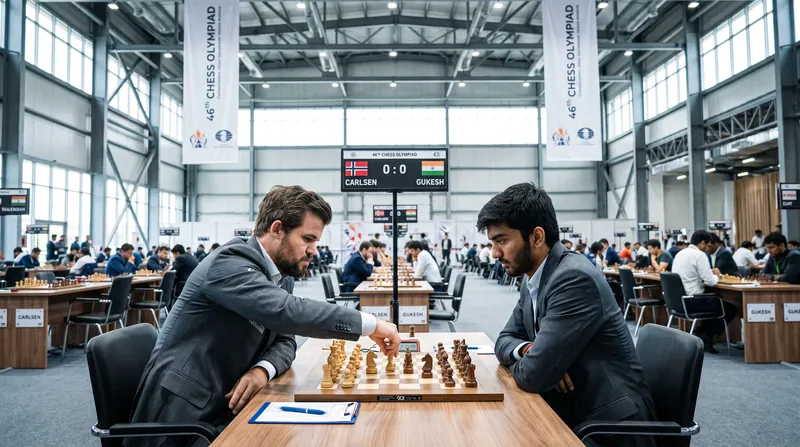
Race to Gold Narrows at 46th Chess Olympiad as US, India, and Uzbekistan Remain Perfect
7 sources
Recap
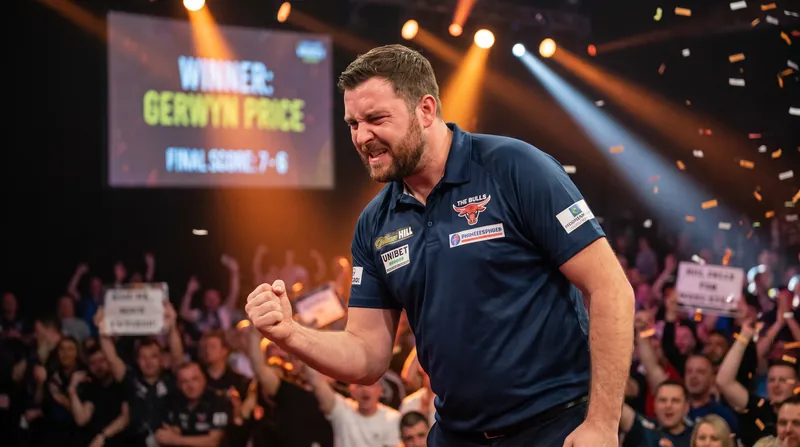
Gerwyn Price Survives Brody Klinge's Stunning Fightback at World Series of Darts Finals
4 sources
Storyline
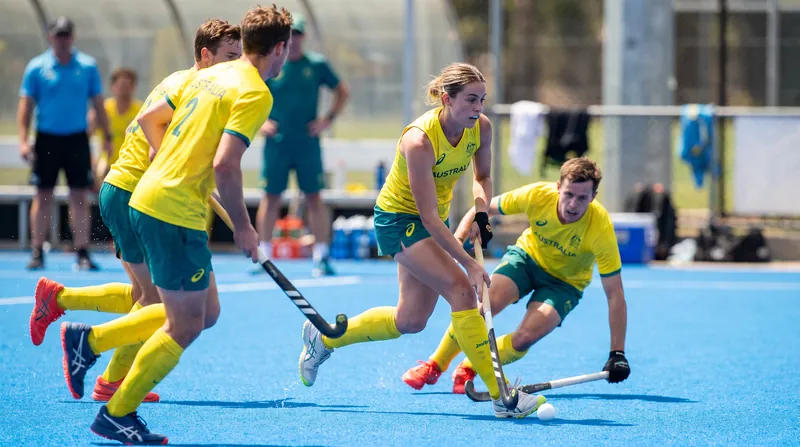
Hockey Australia Launches 'Talent Accelerator 2032' to Fast-Track Next Generation
4 sources
Storyline
Italy Completes Flawless EuroVolley Group Stage as Knockout Phase Arrives in Turin and Sofia
6 sources
Every angle. Every day.
Get Sports stories with full source coverage and perspective breakdowns delivered to your inbox.