
Beyond the Swipe: How 'Experiential Intimacy' and Run Clubs Are Rewriting the Rules of Dating
Frustrated by dating app fatigue, singles in 2026 are turning to shared-interest groups and 'slow dating' to build connections. Psychologists say this shift toward experiential intimacy fosters deeper, more authentic bonds.

In short
- Gen Z and millennials are abandoning dating apps due to widespread burnout and algorithmic fatigue.
- Run clubs and shared-interest groups have emerged as the new 'third places' for organic romantic connections.
- Experiential intimacy builds faster emotional bonds by triggering dopamine and oxytocin through shared, novel activities.
The era of the endless swipe is quietly coming to a close. For the better part of a decade, modern romance was defined by algorithms, gamified interfaces, and the exhausting churn of digital small talk. But by the spring of 2026, a profound cultural shift has taken root. Singles are increasingly abandoning their screens in favor of something decidedly old-fashioned: meeting in person.[1]
This pivot is largely driven by what researchers and industry analysts call "dating app fatigue." A widely cited 2024 Forbes survey found that over 75% of Gen Z users felt burnt out by platforms like Tinder and Bumble, frustrated by the difficulty of gauging genuine chemistry through a screen. Match Group, the parent company of several major dating platforms, has reported consecutive quarters of declining paid user counts going into 2026, attributing the drop to this exact phenomenon.[1]
In response, young adults are flocking to "third places"—community spaces outside of home and work. Run clubs, book clubs, and recreational sports leagues have exploded in popularity, effectively becoming the new singles bars. In major cities from New York to Berlin, run clubs are reporting record sign-ups and multi-month waitlists, drawing thousands of twenty- and thirty-somethings looking for organic connection.[1]
The appeal of these spaces lies in their low-pressure environment. Unlike a formal app-arranged date, which often feels like a high-stakes job interview, a shared activity provides a built-in conversational buffer. If the conversation lulls during a 5-kilometer jog or a pottery class, the activity itself naturally fills the silence, removing the awkwardness of manufactured small talk.
This shift is more than just a change in venue; it represents a fundamental change in how people build connections, a concept psychologists call "experiential intimacy." Traditional dating advice has long prioritized verbal communication—sitting across from each other at a coffee shop and exchanging life stories. But experiential intimacy argues that couples build deeper, faster emotional closeness by doing things together.
The science backs this up. Studies in social psychology demonstrate that engaging in shared experiences, particularly those involving novelty or a mild physical challenge, activates the brain's reward systems. When two people navigate a new hiking trail or attempt a cooking class together, their brains release dopamine and oxytocin, the neurochemicals responsible for bonding, trust, and excitement.
Researchers refer to this as the "Excitement Effect." A landmark study by Aron et al. found that couples who experience novelty together report significantly higher levels of relationship satisfaction. The shared activity creates what psychologists call "emotional alignment," where partners' brain activity and emotional responses begin to synchronize, making them feel more naturally "in tune" with one another.
Furthermore, shared activities provide real-world insights into a potential partner's character that a curated dating profile never could. How someone handles a sudden downpour during a run, a failed attempt at a ceramics wheel, or a disagreement over a book club pick reveals crucial information about their emotional intelligence, patience, and problem-solving skills.
Alongside experiential intimacy, 2026 has seen the mainstream rise of "slow dating." As a direct reaction against the fast-paced, disposable nature of swipe culture, daters are intentionally decelerating the process. Slow dating emphasizes fewer matches, deeper conversations, and a delayed progression to physical intimacy, allowing genuine compatibility to take root before the relationship becomes complicated.
For many, particularly those recovering from the burnout of modern dating or past relational trauma, this slower tempo is profoundly healing. It removes the pressure to perform and allows individuals to prioritize emotional safety and shared values over immediate, fleeting sparks.
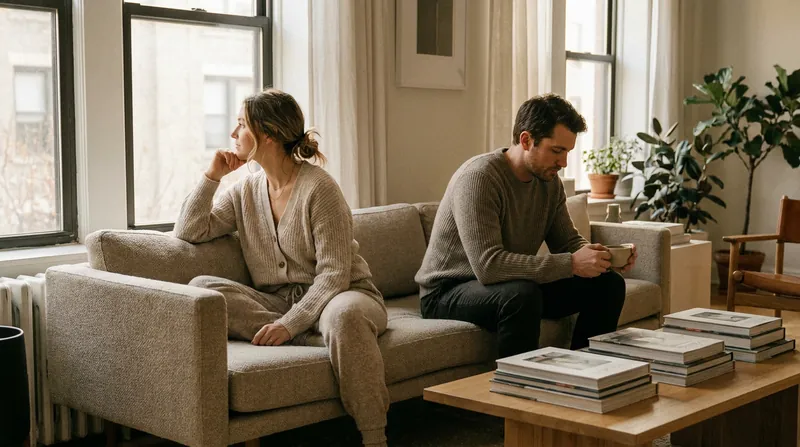
However, relationship experts and analysts caution that the slow dating trend is not without its pitfalls. Cognitive Behavioral Therapists note that while slowing down is generally healthy, the terminology can sometimes be co-opted by individuals with avoidant attachment styles. In some cases, "slow dating" becomes a polite, socially acceptable label for commitment phobia, allowing someone to indefinitely delay defining a relationship while keeping their partner in limbo.[2]
Therapists advise daters to look for emotional availability as the key differentiator. Genuine slow dating involves a gradual physical progression but maintains high emotional engagement and deepening conversations. If the pace is entirely unilateral and avoids emotional depth, it may be avoidance masquerading as mindfulness.
Another misconception is that couples must share all the same hobbies to succeed. While meeting at a run club guarantees at least one shared interest, renowned relationship researcher Dr. John Gottman points out that shared activities are not the sole predictor of a lasting bond. Couples who focus too heavily on finding a partner with identical hobbies may overlook deeper, more critical areas of compatibility.
Ultimately, the success of a relationship relies more on shared values, mutual respect, and how partners interact during an activity, rather than the activity itself. A couple with different hobbies who support each other's passions will fare better than a couple who runs together but lacks fundamental emotional alignment.
The dating landscape of 2026 is undeniably shifting toward a healthier, more intentional model. By trading the endless scroll for shared experiences and mindful pacing, singles are reclaiming their agency. They are discovering that the most enduring connections are rarely found through an algorithm, but rather built, step by step, in the real world.[1][2]
Key terms
- Experiential Intimacy
- Deepening a romantic connection through joint activities that foster emotional, intellectual, and physical closeness.
- Slow Dating
- A deliberate deceleration of the dating process, prioritizing fewer matches, deeper conversations, and delayed physical intimacy.
- Emotional Alignment
- A state where partners' brain activity and emotional responses synchronize during a shared task, making them feel more connected.
- Third Place
- A social surrounding separate from the two usual social environments of home and the workplace, such as a cafe, club, or park.
Frequently asked
What is experiential intimacy?
It is the process of building emotional closeness through shared activities and novel experiences, rather than relying solely on verbal communication.
Why are run clubs replacing dating apps?
Run clubs offer a low-pressure environment with built-in conversational buffers, allowing singles to meet organically and avoid the burnout associated with algorithmic swiping.
What is the 'Excitement Effect'?
A psychological phenomenon where couples who engage in novel or mildly challenging activities together experience a release of dopamine and oxytocin, leading to higher relationship satisfaction.
Can 'slow dating' be a red flag?
Yes. While generally healthy, therapists warn that if the slowness is unilateral and lacks deepening emotional engagement, it may be a mask for commitment phobia or avoidant attachment.
Viewpoints in depth
Community Organizers & Daters
Advocates for organic, in-person connection who view shared-interest groups as a necessary antidote to the isolation of dating apps.
For community organizers and singles exhausted by the digital grind, the shift toward run clubs and hobby groups is a reclamation of human nature. They argue that dating apps stripped romance of its context, reducing people to a list of stats and curated photos. By returning to 'third places,' daters can observe how a potential partner interacts with the world, handles minor frustrations, and treats strangers. This camp views the decline of swipe culture not as a regression, but as a necessary correction toward healthier, more sustainable community building.
Relationship Psychologists
Experts who emphasize the neurochemical benefits of experiential intimacy and the importance of shared values over mere shared hobbies.
Psychologists and relationship researchers view this trend through the lens of neurobiology and attachment theory. They point to the 'Excitement Effect,' noting that shared, novel activities trigger dopamine and oxytocin, which act as the biochemical glue for new relationships. However, they also caution against the 'shared hobby myth.' Researchers like Dr. John Gottman emphasize that while meeting at a pottery class is a great icebreaker, long-term success depends on shared core values and conflict resolution skills, not just a mutual love of ceramics.
Clinical Skeptics & Analysts
Therapists and researchers who warn that modern dating buzzwords like 'slow dating' can sometimes mask avoidant attachment and commitment phobia.
While generally supportive of moving away from app-induced burnout, clinical therapists warn that the vocabulary of 'slow dating' is frequently weaponized. They observe that individuals with avoidant attachment styles often use the guise of 'taking things slow' to justify a lack of emotional investment or to indefinitely delay commitment. This camp urges daters to differentiate between genuine self-care—which involves deepening emotional intimacy at a measured pace—and avoidant behavior, which keeps a partner at arm's length under the polite cover of a cultural trend.
- Community Organizers & Daters
- Advocates for organic, in-person connection who view shared-interest groups as a necessary antidote to the isolation of dating apps.
- Relationship Psychologists
- Experts who emphasize the neurochemical benefits of experiential intimacy and the importance of shared values over mere shared hobbies.
- Clinical Skeptics & Analysts
- Therapists and researchers who warn that modern dating buzzwords like 'slow dating' can sometimes mask avoidant attachment and commitment phobia.
Perspectives this story doesn't cover
- Dating app executives defending the efficiency of algorithmic matching.
- Introverted daters who find large group activities like run clubs overwhelming.
Sources
Source coverage
2 outlets
3 viewpoints surfaced


- [1]The Charlotte ObserverCommunity Organizers & Daters
Why Gen Z Is Burning Out on Dating Apps and Turning to Run Clubs
Read on The Charlotte Observer → - [2]Factlen Editorial TeamClinical Skeptics & Analysts
Synthesis by Factlen editorial team
Read on Factlen Editorial Team →
More in Lifestyle
See all →Modern Courtship
The Science of 'Dry Dating': How Alcohol-Free Courtship is Rewiring Relationship Dynamics
3 sources

Digital Wellness
The Rise of 'Slow Dating': How Intentionality is Curing Swipe Fatigue
4 sources
Dating App Psychology
Sequential Profile Swiping Induces a Rejection Mindset That Cuts Partner Acceptance Rates by 27 Percent
3 sources
Assortative Mating
Partners Share 82% to 89% of Traits: Why Decades of Genomic and Behavioral Data Debunk the 'Opposites Attract' Dating Myth
4 sources
Comments
Every angle. Every day.
Get Lifestyle stories with full source coverage and perspective breakdowns, free every day.