
full timeline
US–Iran Gulf Crisis
Heightened geopolitical tensions between the United States and Iran have triggered direct military attacks and regional precautionary asset relocations.
Follow US–Iran Gulf Crisis in the Factlen app and get an alert when there is news. Get the app
Share this story
Latest report
US Indicts Three Iranian Operatives Over Thwarted RAF Fairford Terror Plot
The Justice Department has charged three men with orchestrating a September attack on a UK air base housing American bombers. The plot was allegedly directed by an operative using coded messages from a New York jail cell.
- The US Justice Department indicted three men for orchestrating a September 2026 plot to attack RAF Fairford with fuel-laden vans.
- The operation was allegedly directed by Kata'ib Hizballah commander Mohammad Baqer Saad Dawood al-Saadi from a federal jail cell in Brooklyn.
- Two operatives based in Iran managed the ground logistics, paying UK recruits to purchase vehicles and conduct surveillance.
- The plot's disruption led the US military to temporarily withdraw B-1 bombers and other aircraft from British bases due to ongoing security threats.
When foreign intelligence services target dissidents abroad, the operations typically rely on local proxies and deniable surveillance. The September 2026 attempt to attack a joint US-UK military installation represents a stark departure from that model, escalating a shadow conflict directly to NATO infrastructure.[1][3]
The US Justice Department unsealed an eight-count superseding indictment on Tuesday charging three men with orchestrating a thwarted terrorist plot against Royal Air Force Fairford in Gloucestershire. The base, which housed American B-1 bombers, was targeted by vehicles loaded with fuel.[1][5]
According to federal prosecutors, the operation was not merely financed by Iran’s Islamic Revolutionary Guard Corps and Kata’ib Hizballah. It was actively directed by an operative already sitting in a federal detention center in Brooklyn, New York, who used coded phone calls to coordinate the logistics.[1][3]
The Operatives and the Network
The indictment names three primary architects of the plot, detailing their respective roles in the conspiracy. Mohammad Baqer Saad Dawood al-Saadi, a 32-year-old dual Iranian-Iraqi national, is identified as a commander for Kata’ib Hizballah.[1][4]
Al-Saadi has been in US custody since May 2026, facing charges for nearly 20 other attempted attacks across Europe and North America, including a near-fatal stabbing in London. Prosecutors allege he continued to command the European network from his cell.[1][5]
The other two defendants remain at large, believed to be in Iran. Mohsen Mohajeri, a 48-year-old Iranian national, and Mohammad Ali al-Hassani, a 35-year-old Iraqi national, allegedly managed the ground operations and recruitment for the Fairford attack.[1][4]
"Anyone who plans a terrorist plot on a military base housing American servicemembers will be prosecuted by the United States government," Attorney General Todd Blanche said in a statement on Tuesday.[1]
Blanche emphasized that the Justice Department would continue dismantling networks targeting American personnel. The public indictment serves as a clear warning to foreign intelligence services operating on allied soil.[1]
Coordinating From a Brooklyn Cell
The most striking revelation in Tuesday’s court filings is the mechanism of command. Al-Saadi was held at the Metropolitan Detention Center in New York while awaiting trial on his prior terrorism charges.[1][3]
Despite his incarceration, prosecutors say he maintained contact with Mohajeri and al-Hassani through third parties. In July 2026, al-Saadi allegedly used a recorded jailhouse phone call to instruct his sister to pass messages about work to his co-conspirators.[3][4]
When he asked if the operations had been paused, his sister delivered a brief confirmation. "Isn't cancelled," she reportedly replied, according to the federal indictment.[4]
The coded exchanges allowed the network to proceed with the logistics for the UK attack without triggering immediate alarms. On September 24, just days before the attempted strike, al-Saadi allegedly asked about al-Hassani's status.[3][4]
"Give him money so we can do it," al-Saadi instructed his family, providing the final financial authorization for the Fairford operation.[4]
The September Base Incursion
The plot culminated in the early hours of September 27, following weeks of meticulous logistical preparation. Al-Hassani allegedly directed a group of local recruits to drive three vans toward the perimeter of RAF Fairford in southwest England.[1][2]
Prosecutors claim al-Saadi had previously paid the group to purchase metallic objects to serve as shrapnel, maximizing the potential lethality of the blast. The operatives were instructed to disguise the vehicles with custom decals, making them appear as legitimate fuel delivery or pool supply services.[4][5]
The vans were loaded with barrels of fuel, intended to act as vehicle-borne improvised explosive devices. Al-Hassani remained in frequent communication with the drivers, guiding their movements via phone as they approached the Gloucestershire facility.[1][3]
The attack failed when at least two of the vans encountered a security roadblock near the base perimeter and were denied entry. A local farmer also reported seeing the group of men engaged in suspicious activity, prompting a rapid police response.[1][5]
One of the five men tasked with driving the vehicles ultimately called emergency services. Prosecutors told a UK court that the driver dialed 999 after the handler warned the group that there was a live bomb in the vans.[2]
Local Proxies and UK Arrests
The US indictment dovetails with ongoing legal proceedings in the United Kingdom. In late October, British counter-terrorism police rearrested several individuals connected to the September 27 incident under the National Security Act 2023.[2]
Two British men, 24-year-old Mohmed Abdulkarim and 24-year-old Nouman Essghir, appeared in Westminster Magistrates’ Court last month, both having been remanded in custody or placed under strict bail conditions. Abdulkarim is charged with assisting a foreign intelligence service, while Essghir faces charges of entering a prohibited place.[2]
UK prosecutors allege that Abdulkarim purchased the three vans and collected cash on the instructions of a handler known as Ali, now identified by US authorities as al-Hassani. Essghir is accused of conducting video-call surveillance of the base in August.[2]
The reliance on local, often financially motivated proxies has become a hallmark of recent Iranian intelligence operations in Europe. By outsourcing the physical risk, handlers in Tehran attempt to maintain plausible deniability while executing complex logistics.[2][6]
Strategic Fallout and Force Posture
The targeting of RAF Fairford represents a significant escalation in the shadow war between Washington and Tehran. The base is a critical node for NATO, frequently hosting American strategic bombers for European deployments.[3][5]
In the immediate aftermath of the September incident, the United States altered its regional force posture to protect its personnel. The US military withdrew all its B-1 bombers from the Fairford installation, relocating the strategic assets to secure locations.[5]
Flight-tracking data also indicated that the US removed at least a dozen aircraft from RAF Mildenhall, another British airbase, following subsequent intelligence regarding Iran-related threats. The rapid dispersal highlights the perceived credibility of the IRGC network.[5]
The scale of the intended attack suggests a willingness to inflict mass casualties on a hardened military target. By utilizing multiple vehicle-borne improvised explosive devices, the operatives aimed to breach the perimeter and detonate near the flight line.[1][2]
The disruption of the Fairford plot underscores the deep integration of US and British intelligence services. The joint investigation tracked financial transfers, jailhouse communications, and local surveillance footage to map the entire command structure.[1][3]
Legal and Diplomatic Horizons
Al-Saadi remains in federal custody in New York, where he now faces an expanded eight-count superseding indictment that carries severe maximum penalties. The charges include attempted acts of terrorism transcending national boundaries and attempted destruction of property by explosive.[1][4]
Mohajeri and al-Hassani remain outside Western jurisdiction, severely limiting the immediate prospects for their apprehension. The Justice Department’s public indictment serves primarily to restrict their international travel and expose the operational methods of the IRGC.[1]
The UK defendants, Abdulkarim and Essghir, are scheduled to appear at the Old Bailey on November 20. Their trial will likely reveal further details about how foreign handlers recruit and manage British citizens for state-sponsored sabotage.[2]
Sources
- [1]U.S. Department of Justice — Most Recently, Iranian Operatives Orchestrated a Terrorist Plot at an Air Force Base in the United Kingdom Read on U.S. Department of Justice →
- [2]The Guardian — US prosecutors charge Iranian operative allegedly responsible for UK air force base attack Read on The Guardian →
- [3]CNN — Iranian operative used coded messages on NY jail call to direct failed UK terror plot Read on CNN →
- [4]CBS News — 3 Iran-backed operatives indicted in U.S. for alleged role in terror plot at U.K. air base Read on CBS News →
- [5]AFP — US charges three 'Iranian operatives' over UK airbase plot Read on AFP →
- [6]The Jerusalem Post — Iran-backed group member helped plan attack on Fairford air base, US says Read on The Jerusalem Post →
What to watch
- The incoming Democratic-majority Congress faces public pressure to address the war, with a recent poll showing 71 percent of Americans support legislation to end the conflict.
- Syria is evaluating whether to formally join the Mecca Joint Defense Agreement after signing a bilateral defense pact with Saudi Arabia.
- U.S. officials are evaluating whether the Iranian threat that prompted the evacuation of aircraft from RAF Mildenhall is imminent or general in nature.
- Indian Oil Corporation is evaluating a three-pronged approach to mitigate shipping risks, including purchasing its own crude oil and liquefied petroleum gas vessels.
- The World Bank is negotiating with up to 40 developing nations to unlock $60 billion in emergency liquidity to help absorb surging energy and fertilizer costs.
Where things stand
71% of Americans Want New Democratic Congress to End Iran War, Poll Finds
Key point: A new Reuters/Ipsos poll shows that 71 percent of Americans want the incoming Democratic Congress to prioritize ending the war with Iran.
AIIllustration: The military conflict has disrupted global energy markets, directly translating into higher fuel prices for American consumers.From: Poll Finds 71% of Americans Want Incoming Congress to End US War With Iran A new Reuters/Ipsos poll reveals that a bipartisan supermajority of 71 percent of Americans wants the incoming Democratic-controlled Congress to take decisive action to conclude the ongoing war with Iran. The survey highlights an overwhelming public demand across the political spectrum for lawmakers to prioritize ending the conflict as they prepare to assume legislative power in Washington.
The polling data indicates that while voters are eager for congressional intervention to halt the military campaign, they are simultaneously warning Democratic leaders against pursuing the impeachment of President Donald Trump. Political analysts note that the recent midterm elections were heavily influenced by public fatigue over the Iran war, translating into a clear and direct mandate for the new Congress to address the overseas conflict rather than focusing on domestic political retribution.
This overwhelming public pressure places immediate demands on the incoming Democratic majority to challenge the White House's foreign policy and actively rein in the administration's war powers. The polling sets the stage for a potential legislative showdown over military funding and war authorizations, shifting the political focus from unilateral executive action to rigorous congressional oversight as the new term begins.
The survey follows the recent midterm elections, where widespread voter frustration with the ongoing conflict played a decisive role in flipping control of the legislature. In the wake of the results, progressive advocates and anti-war coalitions have increasingly questioned whether the newly empowered legislative branch can effectively navigate partisan divides to deliver on the electorate's clear mandate to halt the hostilities.
US Air Force Diverts Tankers and Aircraft From UK Bases Over Iran Threat
Key point: The U.S. military relocated refueling tankers and transport aircraft from RAF Mildenhall to other European bases following an unspecified threat from Iran.
The U.S. Air Force evacuated multiple aircraft from Royal Air Force (RAF) Mildenhall in eastern England on Monday following a reported threat from Iran. At least 10 KC-135 Stratotanker refueling planes and several Osprey transport aircraft were relocated to military facilities in Germany, Spain, and Scotland.
The precise nature of the threat remains under discussion among U.S. officials, who have not clarified whether the danger was imminent or a more general risk to the installation. While the U.S. Air Force declined to comment on specific asset movements, citing operational security, reports indicate that defensive postures at RAF Mildenhall and nearby RAF Lakenheath were elevated to Force Protection Condition Charlie, the second-highest threat level.
The hasty redeployment marks the second time in recent weeks that the U.S. military has thinned out its presence at a British base due to Iranian threats. Last month, the Pentagon withdrew all of its B-1 bombers from RAF Fairford in Gloucestershire after British police arrested five men in connection with a suspected Iran-backed plot targeting the installation and its personnel.
RAF Mildenhall hosts the 100th Air Refueling Wing, the only permanent U.S. refueling wing in Europe, which plays a critical role in supporting American combat aircraft across the region. The evacuations come amid heightened security concerns over the wider implications of the ongoing U.S.-Israeli war against Iran, with Tehran previously warning that British bases used to launch American strikes are legitimate targets for retaliation.
Oil Prices Slump as Trump Downplays Likelihood of Further Strikes on Iran
Key point: Global crude benchmarks fell sharply after U.S. President Donald Trump indicated that renewed military action against Iran is highly unlikely amid ongoing peace talks.
Global crude oil prices fell significantly on Monday, with international benchmark Brent crude dropping to a two-month low. The sell-off was triggered by U.S. President Donald Trump stating that further military strikes against Iran are "highly unlikely" as long as diplomatic negotiations continue to make progress.
In a Sunday interview with CNN, Trump walked back earlier suggestions that he might resume attacks following the U.S. midterm elections. He noted that while the U.S. remains prepared for military action, new strikes would probably not be necessary if a strong agreement is reached. Following his remarks, Brent crude settled nearly 6% lower at $92.57 a barrel, while U.S. West Texas Intermediate dropped to around $86.85.
The easing of tensions unwound a significant geopolitical risk premium that had been priced into the oil market. The price decline occurred despite ongoing security threats in the region, including fresh attacks on commercial shipping near the Strait of Hormuz and a Houthi-claimed strike on a Saudi Aramco administrative office in Riyadh over the weekend. Furthermore, Iranian officials have warned of retaliation against U.S. and Israeli assets if military action escalates.
Oil prices had already plunged 16% last week—their steepest weekly drop since the onset of the COVID-19 pandemic—after the Republican party lost control of Congress in the midterm elections. Analysts noted that the election results increased political pressure on the Trump administration to seek a diplomatic resolution to the conflict. Meanwhile, recovering Middle Eastern oil output and weak demand have pushed the global market toward a supply surplus, further weighing on prices.
US Relocates Military Aircraft From Second British Base Over Iran Threat
Key point: The U.S. relocated military aircraft from RAF Mildenhall to Germany and raised the security threat level at two British bases following intelligence warnings of a threat from Iran.
The United States has relocated military aircraft, including two refueling tankers, from Royal Air Force (RAF) Mildenhall in Suffolk to Germany following a reported threat from Iran. The move marks the second evacuation of American military assets from a British base in recent weeks due to Iranian security warnings.
The Wall Street Journal first reported the evacuation, noting that the precise nature of the threat remains under discussion among U.S. officials. In response to the intelligence, the security posture at both RAF Mildenhall and RAF Lakenheath was elevated to Force Protection Condition (FPCON) Charlie, indicating a likely terrorist action. Spokespeople for the U.S. Air Force and the British Ministry of Defence declined to comment on the specific threat, citing routine operational requirements.
The relocation escalates ongoing security concerns surrounding U.S. military installations in the United Kingdom. It follows a similar incident in September when the U.S. withdrew B-1 bombers from RAF Fairford—a base previously used to launch strikes on Iran—after a suspected Iranian-linked terror plot was uncovered.
Five men were arrested in connection with the earlier plot at RAF Fairford, with two subsequently charged under the National Security Act. British Prime Minister Andy Burnham previously stated that the suspicious activity at the base was likely coordinated by Iran. While Iranian officials have denied involvement in any plots against British bases, the Islamic Revolutionary Guard Corps previously declared that any installation used to launch attacks against Iran would be considered a legitimate target.
US Withdraws Mildenhall Tankers Amid Iran Threat and Ceasefire Talks
Key point: The US relocated refueling tankers from a British air base due to an Iranian threat, even as President Trump expressed optimism about reaching a resolution to the war.
The US military has evacuated aerial refueling tankers and other aircraft from RAF Mildenhall in the United Kingdom to Germany in response to an Iranian threat. The redeployment occurred as US President Donald Trump and Iranian negotiators signaled momentum toward a potential ceasefire, with Trump stating the conflict is effectively over from a military perspective.
Two refueling tankers were diverted to Germany on Monday morning, with several others relocated later in the day. US officials are currently evaluating whether the specific threat to the Suffolk air base is imminent or general in nature.
The evacuation follows a similar incident last month when the US withdrew its B-1 bombers from RAF Fairford due to intelligence regarding a suspected Iran-backed terror plot. UK officials have previously warned that Tehran could expand its targets in Britain if the Middle East conflict continues.
Despite the threats to military installations, Trump indicated progress in diplomatic negotiations, stating that Iran was talking very politely with US representatives. The president expressed optimism about reaching a resolution to end the war, though he noted the US is maintaining its naval blockade to ensure a long-term solution.
Show earlier updates (14)Hide earlier updates
Hormuz LNG and Refined Fuel Shipments Hit Highest Level Since Iran War Began
Key point: October saw the highest number of LNG and refined fuel shipments through the Strait of Hormuz since the US-Iran war began, signaling a partial recovery for Persian Gulf energy exports.
Shipments of liquefied natural gas and refined fuels through the Strait of Hormuz have reached their highest levels since the US-Iran war disrupted maritime trade in February. In October, 31 laden LNG tankers successfully navigated the critical waterway, marking a significant recovery in energy exports from the Persian Gulf.
Vessel tracking data from S&P Global Energy indicates that 23 of the October shipments originated from Qatar's Ras Laffan terminal, while eight departed from Das Island in the United Arab Emirates. The combined figure is a notable increase from the 23 LNG vessels recorded in September. According to analysts, UAE transits have returned to pre-war levels, and Qatari exports have recovered to over 30% of their typical volume.
Separate data from Kpler showed even higher loading activity, with 42 LNG cargoes loaded in October compared to 27 in September. Loadings at Ras Laffan alone exceeded 2.7 million tonnes, representing the terminal's highest monthly volume since the conflict began. To facilitate these exports, some Qatari cargoes have utilized ship-to-ship transfers near Oman's Sohar anchorage after exiting the strait.
The resurgence in traffic provides much-needed relief to a strained global energy market heading into the Northern Hemisphere's winter. The steady increase in both LNG and refined petroleum product flows out of the Persian Gulf helps ease the supply shock that had previously forced buyers to seek alternative sources and pushed up prices.
The Strait of Hormuz, a vital chokepoint for global energy supplies, saw severe disruptions starting in late February due to the ongoing conflict involving Iran. While the recent uptick in shipments is a positive sign for global markets, overall transit volumes through the strait remain substantially below their pre-war averages.
Saudi Air Defenses Intercept Houthi Missiles Over Riyadh Following Pipeline Strike
Key point: Saudi forces intercepted multiple Houthi missiles and drones targeting Riyadh and the Eastern Province shortly after confirming an attack on the country's East-West oil pipeline.
Saudi Arabian air defenses intercepted multiple ballistic missiles fired by Houthi forces toward the capital city of Riyadh on Tuesday. The interceptions occurred just hours after Saudi officials reported damage to the country's critical East-West oil pipeline following a separate strike. The rapid succession of attacks highlights a coordinated effort to breach the kingdom's airspace.
The Saudi-led coalition announced it had intercepted up to three Houthi missiles targeting the kingdom, with at least two specifically aimed at the densely populated capital of Riyadh. Alongside the missile barrage, coalition forces stated they successfully tracked and destroyed a hostile drone flying over Saudi Arabia's Eastern Province before it could reach its intended target.
These consecutive strikes represent a marked escalation in cross-border attacks by the Yemen-based Houthi movement, directly threatening both the Saudi political center and its primary economic powerhouse. The Eastern Province houses the bulk of the kingdom's oil production facilities and export infrastructure, making any aerial incursion there a highly sensitive event for global energy markets.
The aerial assaults follow Monday's confirmation of a direct strike on the East-West pipeline, a vital energy conduit designed to transport Saudi crude oil while bypassing the vulnerable Strait of Hormuz. This renewed Houthi offensive coincides with severe broader regional instability, occurring as the United States and Iran navigate the immediate diplomatic and military fallout of their recent conflict.
Trump signals Iran war ending 'fairly soon' after talks with Qatari PM
Key point: President Trump indicated that the U.S. military engagement with Iran is nearing an end following diplomatic talks with Qatar, though he warned that American forces remain prepared to strike if necessary.
U.S. President Donald Trump indicated that the ongoing war with Iran could be ending "fairly soon," citing positive momentum in recent diplomatic efforts. Following a meeting with Qatari Prime Minister Sheikh Mohammed bin Abdulrahman Al Thani at the White House on Monday, Trump stated that further military action against Tehran does not appear necessary at this time.
During a press briefing, Trump described his discussions with the Qatari leader as "excellent" and noted that Gulf states prefer to maintain the status quo rather than escalate the conflict. While expressing optimism about a peaceful resolution and declaring the military engagement "effectively over," Trump warned that the U.S. military remains "locked and loaded" and prepared to launch new strikes if diplomacy fails. He emphasized that the United States will ensure its interests and allies in the Middle East remain protected at all times.
The remarks mark a significant de-escalation in rhetoric from the U.S. administration, which launched the war alongside Israel in late February. Despite the president's optimistic tone, Secretary of State Marco Rubio offered a more cautious assessment of the diplomatic track. Rubio stated that negotiations have not yet reached a breakthrough, describing some of Iran's current demands as unrealistic and unacceptable.
Qatar has been acting as a key mediator between Washington and Tehran to negotiate an end to the nine-month conflict, which has caused widespread regional instability. The renewed diplomatic push follows recent U.S. midterm elections, where the unpopularity of the war reportedly contributed to Republican losses, increasing domestic political pressure on the administration. Arab leaders have also been urging the U.S. to prioritize negotiations, fearing that renewed fighting could trigger further Iranian retaliatory attacks across the region.
Sources:Trump declares military conflict with Iran 'effectively over' and halts further strikes
Key point: US President Donald Trump announced that the military conflict with Iran is effectively over and that further strikes are unnecessary, shifting focus toward a potential diplomatic deal.
US President Donald Trump has declared that the military phase of the conflict with Iran is "effectively over," signaling a halt to further US military strikes. The announcement marks a significant pause in the recent hostilities between the two nations.
Speaking after a meeting with the Qatari Prime Minister, Trump stated that further military action "doesn't seem necessary," claiming Iran's military capabilities have been "decapitated." Despite the halt in strikes, he warned that US forces remain "locked and loaded" to maintain the current "status quo."
The declaration represents a major de-escalation in the direct armed conflict, shifting the administration's approach from military confrontation toward potential diplomacy. Trump indicated that with the immediate military threat addressed, there is now a "good chance" that a negotiated deal can be reached with Tehran.
The remarks follow a period of intense military exchanges and heightened tensions between Washington and Tehran. The involvement of the Qatari Prime Minister highlights Doha's ongoing role as a key mediator in Middle Eastern diplomatic efforts and US-Iran relations.
Oil Benchmarks Slide to Two-Month Lows as Middle East De-escalation Hopes Cool Inflation
Key point: Oil prices have fallen to near two-month lows as hopes for a diplomatic resolution to the U.S.-Iran conflict help ease global inflation concerns.
Global crude oil benchmarks have slid toward two-month lows, driven by easing geopolitical tensions in the Middle East and fading inflation concerns. Brent crude fell 5.2% to $93.30 a barrel on Monday, while West Texas Intermediate dropped 4.5% to $86.70.
The price drop accelerated after U.S. President Donald Trump indicated that further military strikes against Iran were highly unlikely as long as regional peace talks progressed. The comments followed the Republican Party losing control of Congress in the U.S. midterm elections, which analysts suggest has increased political pressure on the administration to seek a negotiated settlement to the U.S.-Israeli war with Iran.
The decline in oil prices has begun to cool global inflation pressures, which had previously spiked due to the conflict's disruption of Middle Eastern energy flows. The easing of energy costs has prompted investors to rotate back into riskier assets and paused a prolonged rally in the U.S. dollar, while gold has held steady above $4,100 an ounce.
The oil market had been widely expected to face a surplus in 2026 before the outbreak of the war in late February caused massive supply disruptions. Despite ongoing attacks on commercial shipping near the Strait of Hormuz, recovering production and a recent agreement allowing Iraqi crude exports via Oman are pushing global supply back above consumption levels.
Crude Oil Drops to 10-Week Low as Trump Signals Restraint on Iran
Key point: Oil prices tumbled to a 10-week low after President Trump stated that renewed U.S. military strikes on Iran are highly unlikely while diplomatic talks progress.
AIA Royal Air Force Typhoon fighter jet prepares for deployment. The UK is sending aircraft and advisers to Saudi Arabia to intercept Houthi aerial attacks.From: Britain Deploys RAF Fighter Jets and Advisers to Defend Saudi Arabia Against Houthi Strikes Global crude oil prices tumbled to a 10-week low on Monday after U.S. President Donald Trump indicated that further military strikes against Iran are improbable. Brent crude futures fell nearly 5 percent during the session, dropping below $94 a barrel, while the U.S. West Texas Intermediate benchmark fell to roughly $87, extending a massive market sell-off that began late last week.
The sharp market reaction followed Trump's comments during a Sunday interview, in which he stated it was "highly unlikely" he would authorize renewed attacks on Iranian targets as long as diplomatic negotiations to end the conflict continue to advance. The remarks marked a significant shift in tone from the president, who had previously suggested that a large-scale American military operation could resume immediately following the U.S. midterm elections.
This diplomatic pivot has prompted energy traders to aggressively unwind the geopolitical risk premium that had kept oil prices elevated during the active phases of the conflict. The decline compounds a 16 percent plunge in the Brent benchmark last week—its steepest weekly drop since the onset of the COVID-19 pandemic—which was largely driven by expectations that the Democratic victory in the midterms would force a swift political resolution to the war.
Despite the easing of immediate military fears between Washington and Tehran, physical supply risks remain highly active across the region. Both the U.S. and Iran reported fresh attacks on commercial shipping near the critical Strait of Hormuz over the weekend, while Iran-aligned Houthi forces claimed responsibility for a strike on a Saudi Aramco corporate office in Riyadh. Additional drone attacks targeted energy infrastructure in Iraq and Russia, highlighting the fragile security environment that continues to threaten global energy infrastructure.
Adding further downward pressure to prices, industry analysts noted that the global oil market is already showing strong signs of a return to excess supply. Recovering Middle Eastern oil flows and rising production from other nations have pushed global supply well above current consumption levels, with a recent JPMorgan report estimating a worldwide surplus of 1.4 million barrels per day in October.
Oil Sinks to 10-Week Low After Trump Signals Restraint on Iran Strikes
Key point: Crude oil prices fell below $100 a barrel to a 10-week low after Donald Trump stated that further military strikes against Iran are highly unlikely.
Oil prices dropped to a 10-week low, slipping below $100 a barrel. The market shift followed statements from Donald Trump indicating that new military strikes on Iran are "highly unlikely."
Trump downplayed the prospect of further attacks, signaling restraint regarding the ongoing tensions. His remarks directly contributed to the sell-off as traders reacted to the reduced threat of immediate escalation.
The decline to a two-month low marks a significant easing of the geopolitical risk premium that had previously supported higher crude prices. Markets had been closely monitoring the situation for potential disruptions to Middle Eastern oil supplies before the recent assurances.
Trump Downplays Iran Strikes as Rubio Rejects Demands and CENTCOM Launches Task Force
Key point: President Trump indicated that further military strikes on Iran are unlikely if negotiations progress, even as the U.S. expanded its pressure campaign by launching a task force to disrupt Iranian ground supply routes.
President Donald Trump stated that renewed U.S. military strikes against Iran are "highly unlikely" if diplomatic negotiations progress, even as Secretary of State Marco Rubio dismissed Tehran's mediation terms and U.S. Central Command launched a new task force to choke off Iranian supply routes.
During a Sunday interview, Trump indicated that further military action would be unnecessary if Iran agrees to a strong deal regarding its nuclear program and the reopening of the Strait of Hormuz. However, Rubio dampened expectations for an imminent breakthrough, telling reporters that Iran's current demands are "unacceptable" and "unrealistic."
Meanwhile, CENTCOM announced the formation of Task Force Iron Gate, a dedicated unit based in Tampa, Florida. The task force is designed to monitor and disrupt the overland movement of advanced weapons, dual-use technologies, and sanctioned materials across Iran's land borders and the Caspian Sea.
The new task force expands Washington's pressure campaign beyond its existing naval blockade, which has already severely restricted Iranian crude oil exports. By targeting ground transit routes, the U.S. military aims to close alternative supply channels and further constrain Tehran's ability to finance militant activities or replenish its military capabilities.
The diplomatic maneuvering follows the recent U.S. midterm elections, which have increased domestic pressure on the administration to find a resolution to the unpopular eight-month war. As part of the broader effort to broker an end to the conflict, Trump has also floated the possibility of a trilateral summit involving China and Russia to help mediate a settlement.
Syria Prepares to Deploy 600 Special Forces to Saudi Arabia Amid Houthi Clashes
Key point: Syria is preparing to deploy 600 special forces to Saudi Arabia to assist in securing the border against Houthi rebels, marking a significant expansion of military cooperation between Damascus and Riyadh.
Syria is preparing to deploy an initial force of about 600 special forces personnel to Saudi Arabia in the coming week to support Riyadh amid escalating clashes with Houthi rebels. The deployment follows a recent defense cooperation agreement between the two nations, with Saudi Arabia insisting the personnel be Syrian nationals rather than foreign fighters.
A Syrian delegation led by Khaled Khattab, commander of the 82nd Division, recently concluded a two-week visit to Saudi Arabia, while 36 Syrian military officers visited a joint command and operations center in Jeddah for frontline briefings. Although regional officials indicate a small number of Syrian military advisers are already in the kingdom training Yemeni forces, and some reports suggest thousands of troops could eventually deploy, Damascus has publicly denied plans to send combat troops directly into Yemen. A Syrian diplomatic source stated that the bilateral cooperation focuses strictly on training, military consultations, and capability development.
The troop movement marks a significant shift in regional alliances, bringing former Syrian rebels into a support role for Saudi Arabia against the Iran-backed Houthis. The deployment could deepen Syria's regional security commitments as it reintegrates into the Arab world following the overthrow of Bashar al-Assad. Furthermore, Damascus is evaluating whether to join the Mecca Joint Defense Agreement, a collective security pact signed in August by Saudi Arabia, Turkey, and Pakistan, which treats an attack on one member as an attack on all.
The military cooperation follows Syrian President Ahmad al-Sharaa's visit to Riyadh on November 4, where the two governments signed a formal defense pact. During the visit, Saudi Arabia pledged over $400 million in concessional loans for Syrian postwar reconstruction, including healthcare and infrastructure projects. The partnership develops as Saudi Arabia faces intensified missile and drone attacks from the Houthis, including recent strikes that damaged the Aramco tower in Riyadh, prompting Riyadh to seek additional defensive assistance from regional partners.
Houthi Missiles Damage Aramco Tower in Riyadh Amid Syrian Troop Deployment
Key point: An Aramco commercial tower in Riyadh was damaged by debris from intercepted Houthi missiles as Saudi Arabia reportedly enlists Syrian military support to counter the escalating attacks.
An administrative tower belonging to Saudi state oil giant Aramco in Riyadh was damaged on Sunday after Saudi air defenses intercepted a barrage of Houthi ballistic and cruise missiles. Falling debris and shrapnel struck the building in the King Abdullah Financial District, blowing out windows across several floors, though the Saudi Energy Ministry reported no casualties.
The Saudi-led coalition confirmed it intercepted multiple missiles targeting the capital and the kingdom's southern and eastern regions. The Iran-aligned Houthi movement claimed responsibility for the strikes, which prompted early-warning alerts and loud explosions across Riyadh. Several Arab nations, including the UAE, Qatar, Bahrain, and Syria, issued statements condemning the attack.
The missile barrage coincides with reports that Syria is deploying military personnel to Saudi Arabia to assist in the fight against the Houthis. Following a recently signed defense cooperation agreement, Damascus has reportedly sent military advisers, training teams, and thousands of troops to support Riyadh, marking a significant shift in regional military alliances.
Hostilities between Saudi Arabia and the Houthis have escalated sharply since a 2022 UN-brokered truce collapsed in July 2026. The renewed conflict, which has seen the Houthis target Saudi airports and energy infrastructure, has become a new front in the broader regional war that intensified following US and Israeli strikes on Iran earlier in the year.
Indian Oil Corp Plans to Buy Crude and LPG Tankers to Mitigate Hormuz Shipping Risks
Key point: Indian Oil Corporation is acquiring its own crude oil and LPG vessels to reduce its reliance on chartered ships and mitigate soaring freight costs caused by disruptions in the Strait of Hormuz.
AIThe US military launched airstrikes against Iranian targets following a drone attack on a commercial vessel in the Strait of Hormuz.From: US Strikes Iranian Missile Sites Following Drone Attack on Cargo Ship, Testing Fragile Ceasefire State-owned Indian Oil Corporation (IOC) plans to acquire its own crude oil and liquefied petroleum gas (LPG) vessels to strengthen control over its energy supply chain amid ongoing disruptions around the Strait of Hormuz. The company's board has approved the purchase of several vessels, with tenders issued several months ago. IOC is also exploring the possibility of building ships domestically under the government's Make in India initiative.
During the company's second-quarter earnings call, IOC Director of Finance Anuj Jain confirmed the board's approval and emphasized that oil sector companies must focus more on shipping. The move marks a shift from IOC's traditional reliance on time-chartered and voyage-chartered vessels. The company is now evaluating a three-pronged approach: optimizing existing charter arrangements, purchasing its own ships, and supporting domestic shipbuilding.
The push for vessel ownership comes as geopolitical tensions in West Asia drive up freight rates and war-risk insurance costs. While IOC's current fleet of three crude oil vessels and nine LPG vessels on time charter has provided cost savings, the gap between chartered and spot-market rates has widened significantly. IOC pays about $2 to $2.50 per barrel for its time-chartered crude carriers, whereas spot-market rates have surged to $8 to $10 per barrel.
The shipping strategy is part of a broader effort by India's largest refiner to diversify crude procurement and protect its margins. IOC sourced 55% of its crude requirements from Russia during the first half of the financial year, but soaring freight costs have eroded the benefits of discounted crude imports. IOC Chairman A.S. Sahney recently warned that freight has become a "killing factor" for refiners, urging India to expand its national tanker fleet and storage capacity to ensure energy security.
Saudi Aramco Tower in Riyadh Damaged by Falling Debris After Missile Attack
Key point: A Saudi Aramco administrative building in Riyadh's financial district sustained limited damage from falling shrapnel after the Saudi-led coalition intercepted Houthi missiles targeting the capital.
An administrative building belonging to state oil giant Saudi Aramco in Riyadh's King Abdullah Financial District was damaged on Sunday following an attempted missile attack. The Saudi Energy Ministry confirmed that falling shrapnel caused limited structural damage to the tower, with no injuries or fatalities reported.
Witnesses reported seeing blown-out windows and shattered glass across several floors of the prominent Aramco skyscraper, noting that ambulances were seen heading toward the area. The incident occurred as the Saudi-led coalition announced it had intercepted and destroyed two ballistic missiles and two cruise missiles fired toward the capital by Yemen's Houthi movement. Saudi Civil Defense had issued early-warning alerts across Riyadh before loud explosions were heard echoing through the city, though authorities later announced the danger had passed.
The strike on the King Abdullah Financial District marks a significant escalation, bringing the violence directly into the heart of the Saudi capital's business hub and threatening a highly populated area with heavy commuter traffic. It follows a recent surge in cross-border attacks, including a ballistic missile interception over the oil-rich Eastern Province earlier on Sunday. The Eastern Province, which holds most of the kingdom's oil and gas reserves, previously saw an October strike that heavily damaged Aramco's headquarters in Dhahran.
The renewed hostilities come after a 2022 UN-brokered truce collapsed, reigniting the long-running war between the Saudi-led coalition and the Iran-aligned Houthis. The Houthis have increasingly targeted Saudi airports, energy infrastructure, and military sites in recent months, prompting retaliatory coalition airstrikes across Yemen as the regional conflict continues to broaden.
Saudi Airstrikes Kill 33 Near Sanaa After Houthi Missiles Hit Riyadh
Key point: At least 33 people were killed in Saudi airstrikes on Yemen's Sanaa province following a Houthi missile attack that damaged a building in Riyadh.
Saudi Arabian airstrikes on Yemen's Sanaa province have killed at least 33 people and wounded dozens more. The deadly bombardment followed a barrage of missiles fired by Houthi forces toward the Saudi capital of Riyadh.
Houthi officials reported that the coalition strikes left 39 people wounded alongside the 33 fatalities. In Riyadh, early warning alerts preceded loud explosions, and witnesses reported that a projectile damaged a tower in the city.
The exchange of fire represents a sharp escalation in direct hostilities between the Saudi coalition and Houthi forces. Striking the respective capitals underscores a breakdown in recent de-escalation efforts and threatens to broaden the regional conflict.
The Houthi movement has frequently targeted Saudi infrastructure with drones and missiles in retaliation for the coalition's military intervention in Yemen. These latest strikes occur amid heightened volatility across the Middle East, complicating international diplomatic efforts to secure a lasting ceasefire.
US Forces Disable Cargo Ship in Gulf of Oman as Pentagon Unveils New Task Force
Key point: The US military disabled a commercial cargo ship in the Gulf of Oman for attempting to breach its naval blockade, while simultaneously launching a new task force to target Iranian supply lines across land borders.
US forces disabled a commercial cargo vessel, the St. Kitts-flagged M/V Huda, in the Gulf of Oman on November 7 after it allegedly attempted to breach the US naval blockade against Iran. In a concurrent move, the Pentagon unveiled a new task force aimed at disrupting Iranian supply lines across land borders and the Caspian Sea.
US Central Command stated that a military aircraft fired precision-guided munitions at the stern of the M/V Huda after its civilian crew ignored repeated warnings to leave the targeted areas. The bulk carrier had visited an Iranian port and was attempting to depart regional waters when it was struck. Following the strike, which caused an explosion and fire on the vessel, the United Arab Emirates rescued 22 crew members from the burning ship.
The incident marks the first time in nearly a month that the US military has fired on and disabled a cargo ship attempting to evade the blockade, following a similar strike on the Ocean Molica on October 10. The newly established Task Force Iron Gate, a 20-person unit based in Tampa, Florida, significantly expands the US enforcement campaign beyond maritime routes. The task force will coordinate with interagency partners to target the movement of advanced weapons, dual-use technologies, and sanctioned materials across Iran's land borders.
The US resumed its naval blockade of Iranian ports in July to restrict Iran's maritime trade and oil exports, a campaign that Central Command estimates has prevented the export of more than $25 billion in crude oil. The strict enforcement has led to the redirection of over 140 commercial vessels and the disabling of several ships that refused to comply with US orders, amid heightened regional tensions and ongoing conflict.
Timeline
September 2026
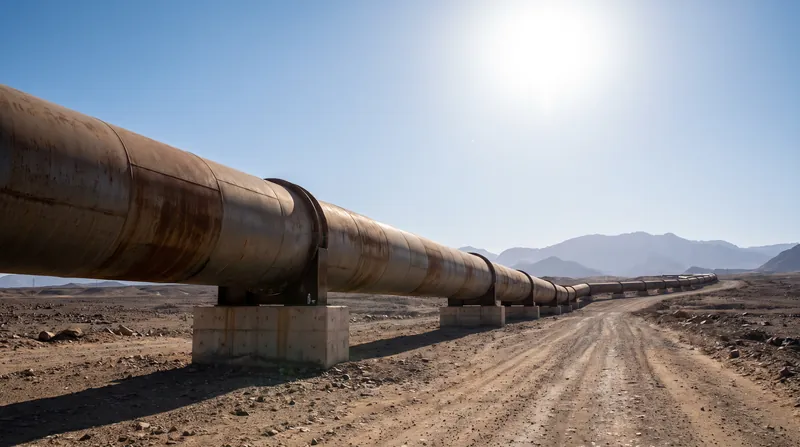
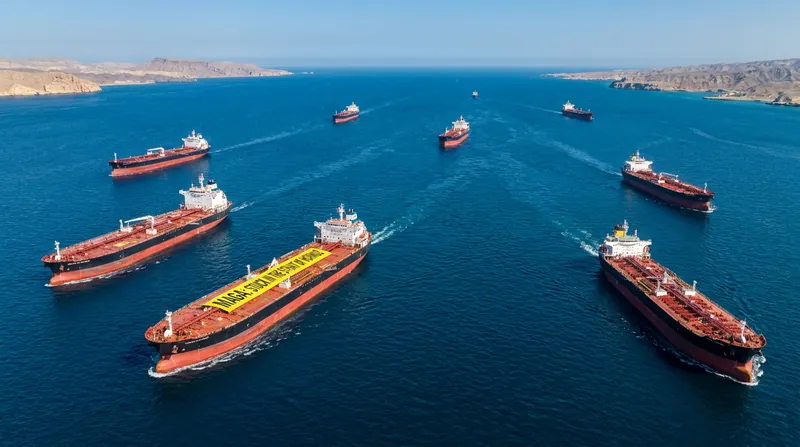
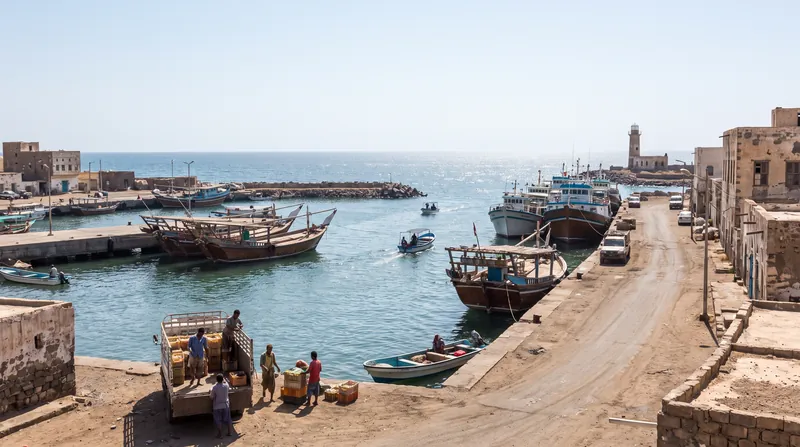
Iraq Seizes Drone Launchers Used in Saudi Pipeline Attack, Closes Three Iran Border Crossings
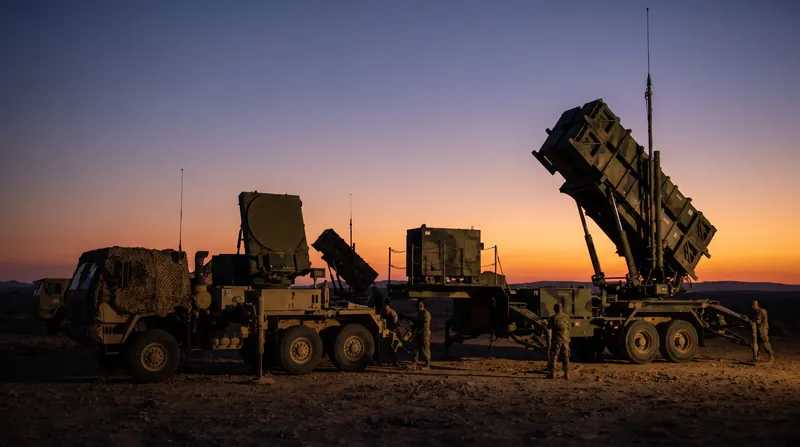
AIHow a New Secretariat Could Let the Mecca Joint Defense Agreement Replace the US Security Umbrella
AIBrent Crude Reaches $109 as Rising US Diesel Prices Shift Federal Reserve Rate Expectations
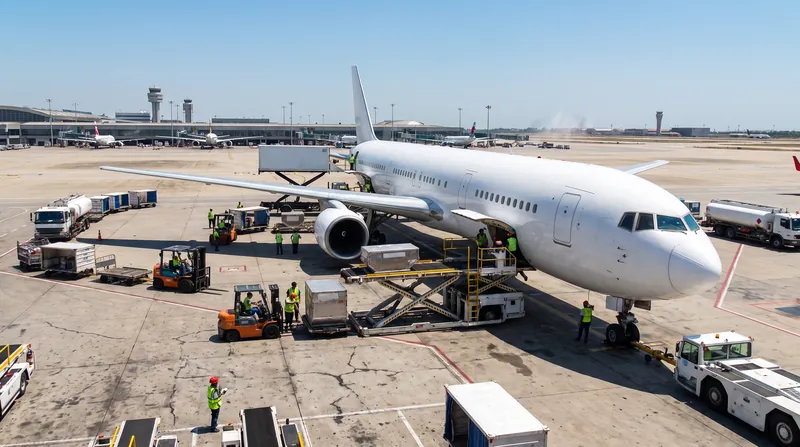
AIU.S. Sanctions 27 Iranian Airlines in Sweeping Crackdown on Aviation Sector
AIBrent Crude Nears $100 as Persian Gulf Escalation Threatens Global Inflation Trajectory
AI




How the story developed
The crisis escalated significantly in early June when a fragile April ceasefire unraveled amid Iranian missile strikes and Israeli operations in Lebanon. On June 11, the U.S. struck approximately 20 air defense and radar sites in southern Iran after an American helicopter was downed near the Strait of Hormuz. The strikes severely damaged civilian water facilities, prompting war crime warnings. Following threats to seize Iran's Kharg Island oil terminal, the U.S. and Iran signed a preliminary Memorandum of Understanding on June 16 to halt hostilities and reopen the Strait of Hormuz, initiating a 60-day window to negotiate a permanent nuclear and sanctions agreement.
The diplomatic framework quickly faltered. On June 20, Iran announced the closure of the Strait of Hormuz, citing Israeli strikes in Lebanon as a breach of the agreement. Although the U.S. temporarily waived oil sanctions and released $12 billion in exchange for nuclear inspections on June 23, the 60-day ceasefire formally collapsed by July 12 over maritime disputes. On July 14, the U.S. reinstated a full naval blockade on Iran and imposed a 20 percent tariff on commercial shipping passing through the Strait of Hormuz. Iran subsequently shifted to an offensive military doctrine, and the U.S. Treasury launched a secondary sanctions campaign to sever Iran from the global financial system, extending sanctions to digital assets and commercial aviation.
As the U.S.-Iran standoff deepened, the conflict expanded across the region. In August, Saudi Arabia formed a 14-nation maritime defense coalition to secure the Red Sea, while Iran-aligned Houthi forces launched a naval blockade in the Bab el-Mandeb Strait. By September 6, Turkey, Pakistan, and Saudi Arabia formalized the Mecca Joint Defense Agreement, establishing a permanent military command structure in Riyadh. Houthi forces captured strategic islands in the Red Sea, tightening their control over maritime choke points and prompting Saudi Arabia to prepare a major military offensive. In Yemen, Houthi forces advanced within 80 kilometers of Aden, displacing tens of thousands of civilians.
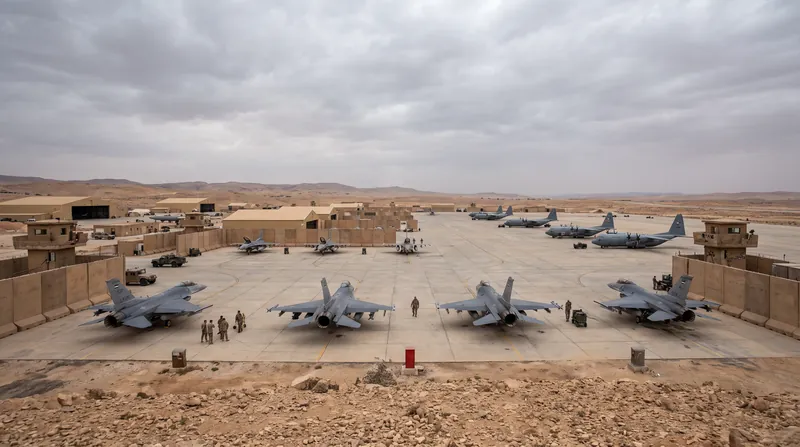
Throughout September and October, maritime and aerial attacks intensified. Iran claimed strikes on U.S. bases in Kuwait and the United Arab Emirates, while Iranian ballistic missiles damaged U.S. combat aircraft at a Jordanian airbase. The U.S. deployed high-energy laser weapons to the Strait of Hormuz and destroyed multiple Iranian oil tankers. Meanwhile, Houthi forces launched coordinated missile and drone attacks on Saudi Arabian energy infrastructure, including a strike on a Saudi Aramco facility in Dhahran on October 13 and the Ras Tanura refinery on October 27. The escalating violence pushed Brent crude prices past $110 a barrel, drove U.S.-to-China tanker charter rates to $60 million, and forced the U.S. to order non-emergency diplomatic personnel to leave Saudi Arabia on October 21.
The economic fallout of the prolonged blockade severely impacted global markets. The closure of the Strait of Hormuz severed access to a third of the world's fertilizer supply and drove U.S. average diesel prices to a record $6.53 per gallon by late September. The World Bank downgraded its growth forecast for the Middle East and North Africa to a 2.1 percent contraction, while the Group of Seven nations and the International Energy Agency coordinated the release of 100 million barrels of oil and diesel to ease the global energy crunch.
The conflict also spilled into Europe and strained U.S. domestic politics. In September and October, British counter-terrorism police arrested multiple individuals linked to suspected Iranian espionage and terror plots targeting Royal Air Force bases used by U.S. strategic bombers, prompting the U.S. to evacuate B-1 bombers from RAF Fairford. Domestically, the U.S. military spent over $47 billion on the campaign by late October. Following the U.S. midterm elections in early November, the Trump administration faced mounting pressure to resolve the conflict, leading to the resumption of indirect diplomatic backchannels and the eventual halt of military strikes.