
full timeline
Russia–Ukraine war
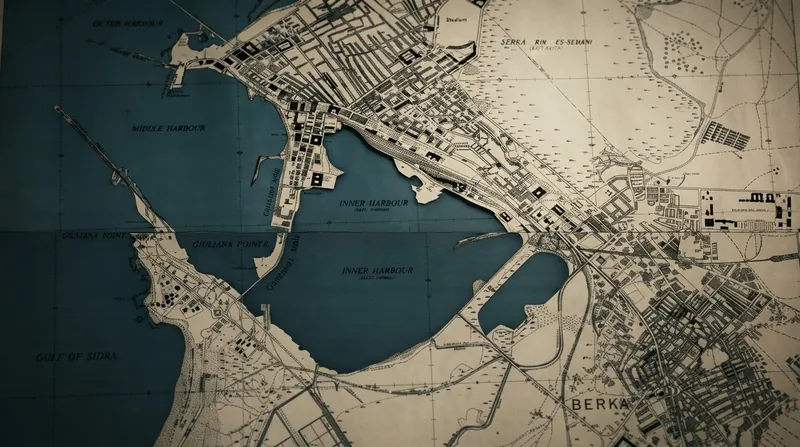
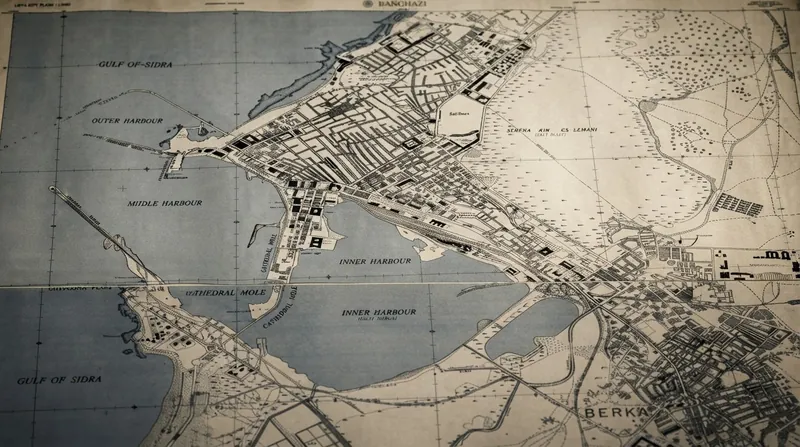
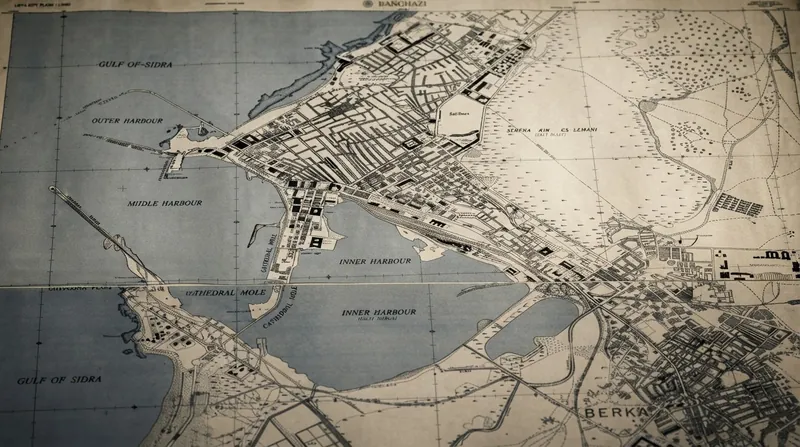
Ukrainian President Volodymyr Zelenskyy announced that seven naval drones sank a modern Russian corvette and struck a cargo vessel off the coast of Benghazi.
Follow Russia–Ukraine war in the Factlen app and get an alert when there is news. Get the app
Share this story
What to watch
- U.S. Senate committees have given SpaceX CEO Elon Musk until November 30 to confirm the preservation of all documents related to Starshield satellite network outages.
- The European Union's extended economic sanctions against Russia are set to remain in place until July 31, 2027.
- A temporary U.S. Treasury license allowing the import of Russian diesel will remain active through April 2027.
- Deliveries of 500 newly manufactured Patriot air defense interceptors to Ukraine are not expected until the 2030s due to manufacturing requirements.
Earlier updates
1 update
Russia Launches Massive Pre-Summit Aerial Assault Against Ukrainian Energy Infrastructure
Key point: Russia launched a massive drone and missile assault on Ukraine's energy infrastructure, causing widespread power and water outages just days before U.S.-led peace negotiations are set to begin.
The November 16 assault shattered the previous record of 1,200 drones launched in a single wave.From: Ukraine Strikes Kerch Bridge in Record 1,300-Drone Aerial Assault Across Russia Russia launched a massive overnight aerial assault on Ukraine's energy infrastructure on November 3, utilizing nearly 300 drones and dozens of missiles. The bombardment targeted power generation facilities and substations across up to 10 regions, prompting widespread emergency power cuts and water outages, particularly in Kyiv.
Ukrainian President Volodymyr Zelensky reported that the overnight strikes involved 17 ballistic missiles and several dozen cruise missiles alongside the drone swarm. Ukraine's Energy Minister Denys Shmyhal highlighted the severe risks of the operation, noting that three drones specifically targeted a substation critical to the stable operation of the Khmelnytskyi Nuclear Power Plant. Meanwhile, DTEK, Ukraine's largest private energy company, stated that three of its thermal power plants were forced to suspend electricity generation due to extensive destruction.
The assault marks one of the largest attacks on Ukraine's energy grid this year and occurred shortly after the United States announced it would lead a new round of peace negotiations between Moscow and Kyiv in the United Arab Emirates next week. In addition to crippling the energy grid, the strikes inflicted heavy civilian casualties; a Russian strike on a hospital in Kharkiv left 73 people injured, while an attack on a humanitarian aid distribution site in the Zaporizhzhia region killed at least 29 people.
Russia has repeatedly targeted Ukraine's energy infrastructure in the lead-up to the winter months, aiming to disrupt heating and electricity supplies as temperatures drop. The renewed campaign raises concerns about a potential energy crisis similar to previous wartime winters, as local officials and utility workers scramble to stabilize the grid, repair damaged facilities, and restore essential water and power services to millions of residents.
2 updates
US, Ukraine, and Russia to Hold Trilateral Peace Talks in Abu Dhabi
Key point: The United States will mediate trilateral peace talks with Ukraine and Russia in Abu Dhabi on November 10 and 11.
The United States, Ukraine, and Russia are scheduled to hold trilateral peace talks in Abu Dhabi on November 10 and 11. The upcoming negotiations were announced by U.S. official Steven Witkoff, marking a significant diplomatic development in the ongoing conflict.
The meetings will be the first direct talks involving the three nations since February. The United States will act as a mediator during the discussions in the United Arab Emirates, reflecting ongoing efforts by the Trump administration to secure a peace deal.
Ukraine Hacks Russian Emergency Alert System in Retaliation for Similar Cyberattack
Key point: Ukrainian President Volodymyr Zelenskyy confirmed that Ukraine hacked Russia's emergency alert system in retaliation for a similar Russian cyberattack that sent fake nuclear threat warnings to Ukrainian civilians.
Securing an energy truce to protect civilian infrastructure is Kyiv's primary objective for the November talks.From: Ukraine Confirms Trilateral November Peace Summit With United States and Russia in Abu Dhabi Ukrainian President Volodymyr Zelenskyy confirmed that Ukraine infiltrated Russia's emergency alert system in a retaliatory cyberattack. The operation was launched after Russian hackers compromised Ukraine's Air Alert application, which millions rely on for warnings about incoming missile and drone strikes.
The reciprocal breaches occurred hours apart on November 1 and 2, causing both nations' public warning systems to broadcast fabricated alerts. Ukrainian users received fake notifications of radiation hazards, chemical threats, and street fighting in Kyiv, while the hacked Russian app warned residents across 33 regions of incoming nuclear warheads and urged them to seek shelter.
Zelenskyy stated the retaliatory strike was necessary after it became clear the initial Russian hack deliberately targeted the civilian population. The digital assaults coincided with the end of a limited humanitarian ceasefire and highlight the increasing vulnerability of critical public safety infrastructure in the ongoing conflict.
1 update
Russia Resumes Attacks on Kherson Region as Oleshky Ceasefire Ends
Key point: Russian forces have renewed their attacks on the Kherson region after the Oleshky ceasefire ended, having reportedly used the pause to fortify their positions.
AIRussian forces reportedly used a five-day humanitarian ceasefire to reoccupy positions in Oleshky, directly across the Dnipro River from Kherson.From: Ukraine Expresses Concern Over US-Brokered Local Ceasefire as Russian Forces Re-Enter Oleshky Russian forces have resumed attacks on Ukraine's Kherson region following the conclusion of the Oleshky ceasefire. Kyiv reported that the temporary truce has ended, leading to renewed military strikes in the area.
Ukraine's General Staff stated that Russian troops utilized the pause in fighting to strengthen their defensive positions around Oleshky. The brief ceasefire had previously offered civilians a short respite from the ongoing violence that has plagued the region.
The renewed hostilities in Kherson follow a period of heightened digital warfare between the two nations. As ground engagements reignite, authorities are already dealing with the fallout from recent cross-border cyberattacks that broadcast false warnings on civilian emergency alert applications.
Charts, maps and images
Timeline
November 2026
Polish Authorities Confirm Russia Mounted Two Assassination Attempts Against Ukrainian Rapper
AIAIAIAIUS Senate Prepares Inquiry Into Disruptions to Ukraine's Starshield Access
AIAIDenmark Expels Russian Defense Attaché Over Alleged Plot to Assassinate Ukrainian Rapper
AIAITrump Envoy Jared Kushner Signals US Openness to NATO-Like Security Guarantees for Ukraine
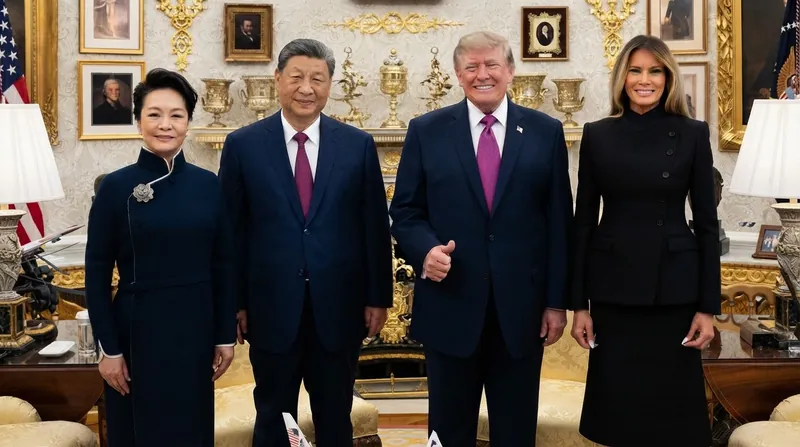
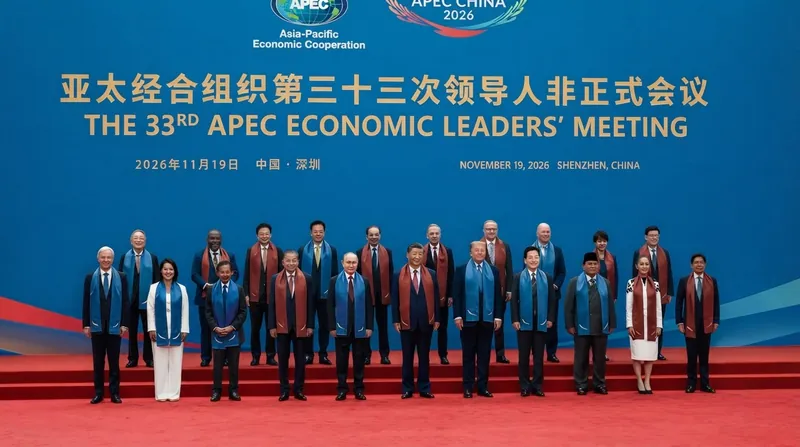
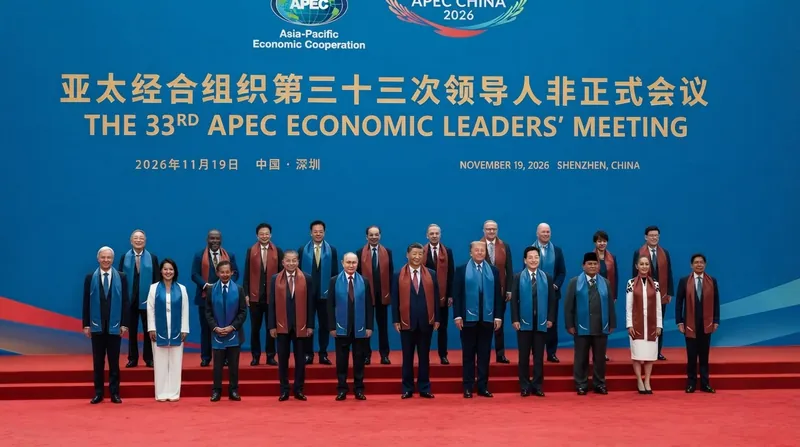
AIAIAIAITrump, Xi, and Putin Commence Unprecedented Trilateral Economic Summit in Shenzhen
AIAIAIAI





How the story developed
The conflict saw significant escalation and shifting tactics beginning in July. Analysis estimated combined casualties surpassed two million, with Russian losses reaching 1.4 million. Ukraine increasingly relied on domestic weapons, striking a St. Petersburg oil terminal in July and deploying its new 300-kilometer range FP-7 ballistic missile in combat by October. Throughout the summer, European intelligence agencies formally linked a pan-continental sabotage campaign targeting defense infrastructure to Russian military intelligence. In September, Russia integrated North Korean military personnel into its operations, eventually expanding the deployment to 18,000 troops by October in exchange for establishing drone manufacturing facilities in North Korea. French military personnel have also been operating inside Ukraine since the summer in non-combat training and logistics roles.
Diplomatic maneuvering intensified in September when the United States proposed a three-part diplomatic framework, including an energy ceasefire. On October 11, U.S. President Donald Trump announced an immediate energy ceasefire, but Russian forces struck Ukrainian energy infrastructure hours later. Ukraine officially abandoned the fragile truce on October 15, resuming drone strikes on Russian oil refineries. The resumption caused a diplomatic rift, with Trump condemning the strikes and temporarily suspending new congressional Russia sanctions. Washington briefly halted intelligence sharing with Kyiv before restoring it on October 18. In October, Putin announced the creation of a permanent, non-negotiable security corridor inside Ukraine to protect Russian border regions.
Infrastructure and maritime routes became primary targets in October and November. SpaceX imposed unannounced speed limits on its military-grade Starshield satellite network in Ukraine on October 14, disrupting Ukrainian interceptor drones. Russian drone strikes repeatedly targeted commercial vessels in the Black Sea, sinking a Turkish-operated grain ship on October 5 and striking ships near Romania and Bulgaria. In response, Romania and Bulgaria petitioned NATO for a joint Black Sea military command, and Romanian F-16s intercepted drones over their territorial waters on October 17. Ukraine launched massive drone barrages across Russia, including a record 1,300-drone assault on November 16 that critically damaged the Kerch Bridge, prompting retaliatory Russian ballistic missile strikes that severed major bridges in Kyiv.
Peace negotiations gained momentum in November. Following a localized humanitarian ceasefire in Oleshky brokered by First Lady Melania Trump in late October, delegations from Ukraine, Russia, and the United States met in Abu Dhabi on November 10 and 11. The talks produced an agreement in principle for a large-scale prisoner exchange but concluded without a comprehensive ceasefire due to fundamental disagreements over territorial control and security guarantees. During the summit, U.S. negotiators formally proposed that Ukraine cede the Donbas region to Russia in exchange for immediate NATO accession, a framework Ukrainian President Volodymyr Zelenskyy publicly rejected on November 15. Ahead of the talks, leaked Russian records disclosed nearly 400,000 military fatalities explicitly linked to the invasion.
Following the Abu Dhabi talks, U.S. envoys Steve Witkoff and Jared Kushner met with Putin in Moscow on November 13. Putin agreed to allow European representatives to join future negotiations but maintained his demand that four annexed Ukrainian regions remain under Moscow's control. On November 19, Trump, Putin, and Chinese President Xi Jinping held an unprecedented trilateral summit in Shenzhen, China. The 90-minute closed-door meeting focused on nuclear arms control and global security, concluding with a joint "Declaration toward Peace" that notably omitted any direct mention of the ongoing war in Ukraine.