
The End of the Binge: Why 'Slow Streaming' is 2026's Biggest Entertainment Trend
Driven by rising consumer fatigue and new mental health research, the streaming industry is shifting away from the binge-watching model in favor of weekly drops, natural pause points, and built-in digital wellness tools.

Share this story
In short
- The streaming industry is shifting away from the binge-watching model toward 'Slow Streaming.'
- Clinical data links frictionless, continuous viewing to sleep deprivation, anxiety, and cognitive arousal.
- Platforms are reintroducing weekly episode drops to reduce subscriber churn and sustain cultural relevance.
For the better part of a decade, the gold standard of television consumption was defined by a single, exhausting phrase: "just one more episode." The binge-watching model, pioneered in the early 2010s, trained audiences to consume entire seasons of television in sleepless, weekend-long marathons. But as we move through 2026, a profound cultural and technological shift is underway.
The streaming industry is actively dismantling the very monster it created, ushering in an era of "Slow Streaming." Driven by a convergence of consumer burnout, alarming mental health data, and shifting business imperatives, platforms are redesigning their ecosystems to encourage mindful viewing over mindless consumption.[1]
The scale of the binge-watching hangover has become impossible for the industry to ignore. Recent comprehensive surveys of American viewing habits reveal a deeply fatigued audience. According to 2025 data, nearly 90 percent of viewers admit they frequently fail to finish the videos they start, overwhelmed by the sheer volume of available content.
More concerningly, 30 percent of Americans report losing sleep on a nightly basis because they cannot break away from streaming platforms. The frictionless design of these apps—where the next episode begins before the credits of the last have even finished rolling—has transformed entertainment from a relaxing pastime into a compulsive habit that viewers are increasingly eager to break.
The clinical community has been sounding the alarm on this frictionless consumption for years, and the data is now definitive. Extensive studies on media behavior have established a robust correlation between heavy binge-watching and a spectrum of mental health challenges, including elevated stress, anxiety, and profound loneliness.
Researchers note that the continuous consumption of high-stakes narrative content without natural mental breaks leads to cognitive pre-sleep arousal. This neurological state makes it incredibly difficult for the brain to transition into rest, effectively hijacking the body's circadian rhythms and leaving viewers chronically fatigued.[2]
Psychologists specializing in digital behavior point out that the architecture of streaming platforms was explicitly designed to exploit human vulnerabilities. Autoplay features and algorithmically perfectly-timed cliffhangers remove the natural decision-making pauses that once allowed a viewer to turn off the television. Over time, this creates a self-reinforcing cycle: viewers turn to streaming to escape daily stressors, only to experience sleep deprivation and social isolation, which in turn exacerbates their original anxiety. Recognizing these red flags, a growing contingent of consumers is actively seeking ways to rebuild boundaries with their screens.
In response to this mounting pushback, the streaming industry is executing a fascinating pivot toward "Slow Streaming." The most visible manifestation of this trend is the triumphant return of the weekly episode drop. While initially viewed as a relic of linear television, the weekly release schedule has been embraced by major platforms as a premium format.
By spacing out episodes, networks are artificially reintroducing the friction that binge-watching erased. This pacing allows narratives to breathe, gives audiences time to process complex storylines, and fundamentally changes the relationship between the viewer and the screen from one of consumption to one of anticipation.[1]
This editorial shift aligns perfectly with the evolving business realities of the streaming wars. As the market reaches saturation, platforms are no longer solely focused on acquiring new subscribers; their primary metric is retention. Industry analysts note that dropping an entire season at once often results in a massive, fleeting spike in viewership followed by immediate subscriber churn.
Conversely, a weekly release schedule keeps a show in the cultural zeitgeist for months. It encourages sustained engagement, ongoing social media discourse, and a steady drumbeat of word-of-mouth marketing that a weekend binge simply cannot replicate.
Beyond release schedules, the user interfaces of streaming applications are undergoing a quiet, wellness-oriented revolution. Product designers are experimenting with features that actively encourage users to step away. We are seeing the introduction of built-in sleep timers, "wellness prompts" that gently remind viewers how long they have been watching, and, perhaps most significantly, options to disable autoplay by default. These tools represent a paradigm shift in tech design, moving away from the metric of "time spent on app" toward a more sustainable model of "time well spent."[1]
The push for mindful consumption is being heavily driven by younger audiences, particularly Generation Z. Despite being digital natives, recent media consumption trends indicate that Gen Z is increasingly wary of algorithmic manipulation and endless content feeds. Over 70 percent of young viewers express cautious or negative views toward the flood of frictionless, AI-generated, or hyper-optimized content. Instead, they are gravitating toward curated, intentional media experiences. They are willing to pay for premium streaming, but they demand that the technology serve their well-being rather than exploit their attention.
The physical health benefits of this Slow Streaming movement extend well beyond improved sleep hygiene. Medical professionals note that breaking up viewing sessions naturally encourages physical movement, reducing the musculoskeletal strain and back problems associated with prolonged sitting. When viewers are not locked into a four-hour marathon, they are more likely to stretch, hydrate, and engage in other activities. This holistic approach to entertainment acknowledges that the body and the mind are inextricably linked, and that true relaxation cannot be achieved through physical stagnation.
Perhaps the most uplifting aspect of the Slow Streaming trend is its impact on social connection. Binge-watching is inherently isolating; it is a solitary race to the finish line to avoid spoilers. The weekly release model, however, resurrects the "watercooler" effect.
It creates a shared cultural timeline where friends, family, and online communities can theorize, debate, and bond over a narrative as it unfolds. In an era marked by digital fragmentation, the ability of a television show to synchronize millions of people into a shared weekly ritual is a powerful antidote to modern loneliness.[1]
As we look toward the future of entertainment, it is clear that the platforms prioritizing viewer wellness will secure the deepest loyalty. The era of treating human attention as an infinite resource to be mined is drawing to a close. By embracing Slow Streaming, the industry is proving that technology can evolve to respect our psychological limits. It is a hopeful reminder that we have the agency to reshape our digital environments, ensuring that the stories we love enhance our lives rather than consume them.[1]
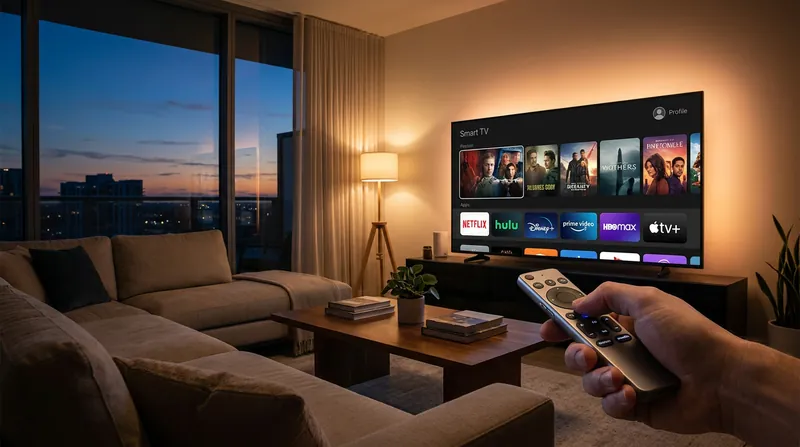
For viewers looking to immediately implement mindful viewing habits, experts recommend a few simple architectural changes to the living room. Keeping ambient lights on during evening viewing helps maintain a connection to the physical environment and prevents the loss of time awareness. Setting a definitive episode limit before sitting down, and physically placing the remote control across the room, introduces just enough friction to break the autoplay spell. Ultimately, Slow Streaming is about reclaiming the remote control—not just from the algorithm, but from our own exhausted impulses.[1]
Key terms
- Slow Streaming
- An emerging digital wellness trend focused on consuming media at a deliberate, paced rate rather than binge-watching.
- Cognitive Pre-Sleep Arousal
- A state of mental stimulation and alertness that prevents the brain from transitioning into restful sleep, often triggered by engaging media.
- Subscriber Churn
- The rate at which customers cancel their streaming subscriptions, often occurring immediately after they finish bingeing a specific show.
- Frictionless Design
- User interface choices, like autoplay, that remove natural stopping points and make it effortless to continue consuming content.
- Watercooler Effect
- The phenomenon where people gather to discuss a shared cultural event, such as a weekly television episode.
Frequently asked
What exactly is 'Slow Streaming'?
Slow Streaming is a movement away from binge-watching, characterized by weekly episode releases, the disabling of autoplay, and the use of digital wellness tools to encourage mindful, paced media consumption.
How does binge-watching affect sleep?
Continuous viewing of narrative content causes cognitive pre-sleep arousal, making it difficult for the brain to wind down. This disrupts circadian rhythms and leads to chronic fatigue.
Why are streaming platforms bringing back weekly episodes?
Weekly releases help platforms reduce subscriber churn by keeping audiences engaged over several months. It also allows shows to build sustained cultural momentum and word-of-mouth marketing.
Are younger viewers watching more or less content?
While Gen Z consumes significant amounts of video, recent data shows they are increasingly wary of algorithmic feeds and prefer curated, intentional viewing experiences over mindless scrolling.
Viewpoints in depth
Public Health & Psychology
Medical professionals warning about the neurological and physical toll of frictionless content consumption.
Clinical researchers emphasize that the human brain is not designed for the continuous, high-stakes emotional processing required by binge-watching. The lack of natural mental breaks leads to cognitive pre-sleep arousal, effectively hijacking circadian rhythms. Psychologists argue that streaming platforms have historically weaponized human vulnerabilities through autoplay and cliffhangers, making the shift toward mindful design a necessary public health intervention rather than just a feature update.
Streaming Industry Strategists
Media executives and analysts focused on the business mechanics of subscriber retention and cultural relevance.
For the industry, the pivot away from the binge model is driven by hard economics. Dropping an entire season at once creates a brief spike in engagement followed by immediate subscriber churn. By returning to weekly episode releases, platforms can stretch a single content investment across multiple billing cycles. Strategists note that this pacing also allows shows to build organic word-of-mouth momentum, transforming solitary viewing into a sustained, communal cultural event.
Consumer Wellness Advocates
Digital well-being proponents pushing for user-centric interfaces that respect time and attention.
Wellness advocates celebrate 'Slow Streaming' as a victory for consumer agency. They argue that technology should serve the user, not the algorithm. By demanding features like default-off autoplay, built-in sleep timers, and transparent viewing metrics, this camp seeks to empower individuals to build healthier boundaries. They view the rejection of the binge model—particularly by younger, digitally native generations—as a broader cultural awakening against the exhaustion of the attention economy.
- Public Health & Psychology
- Medical professionals warning about the neurological and physical toll of frictionless content consumption.
- Streaming Industry Strategists
- Media executives and analysts focused on the business mechanics of subscriber retention and cultural relevance.
- Consumer Wellness Advocates
- Digital well-being proponents pushing for user-centric interfaces that respect time and attention.
Perspectives this story doesn't cover
- Independent filmmakers who may prefer the binge model for highly serialized, slow-burn narratives.
- Shift workers and non-traditional viewers who rely on on-demand bingeing due to irregular schedules.
Sources
Source coverage
2 outlets
3 viewpoints surfaced


- [1]Factlen Editorial TeamConsumer Wellness Advocates
Synthesis by Factlen editorial team
Read on Factlen Editorial Team → - [2]ResearchGatePublic Health & Psychology
Binge-Watching and Mental Well-Being: A Correlational Study
Read on ResearchGate →

More in Entertainment
See all →Live Sports Streaming
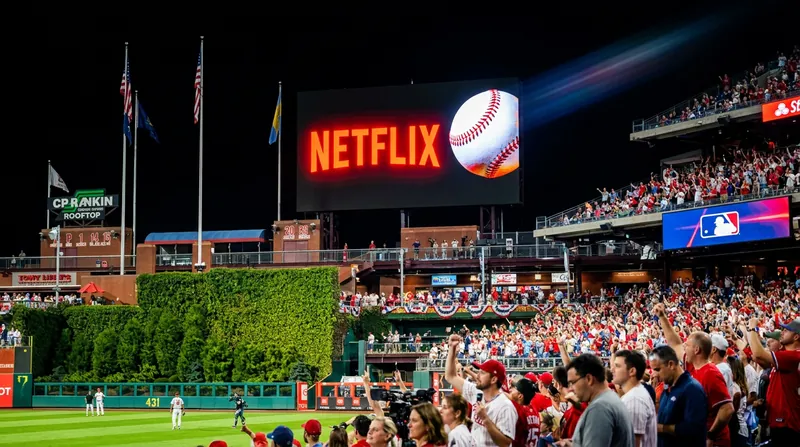
Netflix Secures Exclusive MLB Home Run Derby and Opening Night Rights in Major Live Sports Pivot
4 sources
Streaming Economics
Netflix Authorizes $25 Billion Stock Buyback, Eclipsing Content Spend in Major Industry Pivot
2 sources

Streaming Economics
Disney Agrees to $50 Million Antitrust Settlement Over ESPN Bundling, Must Consider Unbundling Networks
1 sources
Virtual Theater
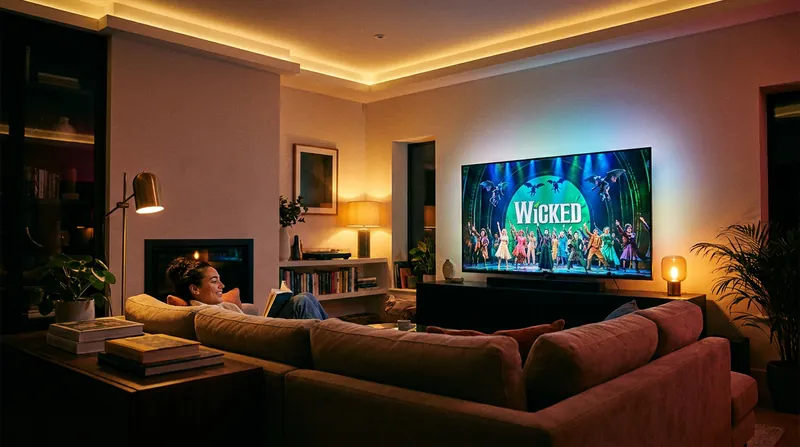
The Global Stage: How Streaming Platforms Are Democratizing Access to Live Theater
6 sources
Comments
Every angle. Every day.
Get Entertainment stories with full source coverage and perspective breakdowns, free every day.