
The Anatomy of an F1 Reset: How Red Bull is Rebuilding After the British Grand Prix
Following a challenging British Grand Prix and a rare crash, Max Verstappen has called for a team-wide 'reset.' Here is how an elite Formula 1 operation uses data, simulator correlation, and rapid engineering to bounce back mid-season.
By Meera Iyer

Share this story
The dust had barely settled at the Silverstone circuit before Max Verstappen issued a clear, uncompromising directive to Red Bull Racing: the team needed a fundamental "reset." Following a highly uncharacteristic crash during the British Grand Prix and a weekend plagued by setup struggles, the reigning champion's frustration was palpable.
However, in the hyper-technical world of Formula 1, a "reset" is not merely a psychological buzzword or a motivational speech. It is a rigorous, multi-million-dollar engineering protocol designed to tear down a failing aerodynamic philosophy and rebuild it before the next race weekend.[1]
To understand how an elite motorsport operation bounces back from a disastrous weekend, one must look past the immediate paddock tensions and into the factory floor. The moment Verstappen's damaged chassis was returned to the garage, the reset protocol began. Terabytes of telemetry data—capturing everything from suspension load to underfloor pressure variations—were immediately downloaded and transmitted to the team's headquarters in Milton Keynes. This data extraction is the first step in diagnosing why the car behaved unpredictably, shifting the narrative from driver error to mechanical or aerodynamic root causes.[4]
The primary culprit in mid-season slumps is often a breakdown in "correlation." In Formula 1, correlation refers to the relationship between the virtual data generated in the wind tunnel and the actual physical performance of the car on the track. When Verstappen complains that the car feels disconnected or unpredictable, it usually indicates that the aerodynamic upgrades bolted onto the car are not producing the downforce numbers promised by the factory's supercomputers. Fixing this correlation issue is the absolute priority of the engineering reset.[2]
By Monday morning, the focus shifts entirely to the Driver-in-the-Loop (DiL) simulator. This highly advanced, multi-million-dollar rig allows engineers to recreate the exact track conditions, wind speed, and tire degradation of the British Grand Prix. Verstappen, alongside the team's dedicated simulator drivers, spends hours running virtual laps, testing dozens of micro-adjustments to the suspension geometry and ride height. The goal is to replicate the exact instability that caused the crash, and then engineer a setup that cures it.[1][2]
While the virtual testing continues, the physical reality of the crash presents a massive logistical hurdle. Under Formula 1's strict cost cap regulations, every shattered carbon fiber wing and broken suspension wishbone represents a direct hit to the team's seasonal development budget. A major crash at Silverstone forces the manufacturing department into a frantic sprint. Composite technicians work in rotating 24-hour shifts to bake new carbon fiber parts in the factory's autoclaves, ensuring the team has enough spare parts for the upcoming double-header.[4]
The tension reported in the paddock is often a byproduct of this intense, clock-ticking pressure. Team Principal Christian Horner and the senior management must balance the driver's immediate demand for performance with the harsh realities of the budget cap. Presenting a united front, management works to channel the driver's frustration into actionable engineering feedback. The "reset" requires aligning the aerodynamicists, the race engineers, and the driver onto a single, agreed-upon development path, discarding any experimental setups that introduced the instability.[3]
This alignment often involves stripping the car back to a known baseline. If recent upgrades have confused the aerodynamic platform, the team may choose to revert to an older, more predictable specification of the floor or front wing. This "step backward to move forward" approach is a classic F1 reset strategy. It sacrifices theoretical peak downforce for driver confidence, acknowledging that a driver who trusts the car will ultimately extract more lap time than one fighting an unpredictable, theoretically faster machine.
The psychological component of the reset is equally critical, though less visible than the engineering work. Elite athletes like Verstappen operate on supreme confidence. A crash that stems from unpredictable car behavior shatters that confidence. The simulator sessions serve a dual purpose: they validate the new engineering setup, but they also rebuild the driver's trust in the machinery. By the time Verstappen steps out of the simulator, he must believe that the car will react exactly as expected when he throws it into a high-speed corner.[1][2]
As the week progresses, the newly manufactured parts and the revised setup parameters converge. The race mechanics, who have meticulously rebuilt the physical chassis, begin the process of applying the new setup. This involves precise adjustments to the torsion bars, anti-roll bars, and aerodynamic flap angles. Every millimeter is double-checked against the new baseline established by the simulator team. The car that emerges from the garage for the next race is fundamentally different in its mechanical DNA from the one that crashed at Silverstone.[2][4]
The true test of the reset arrives during Free Practice 1 (FP1) at the subsequent Grand Prix. The first 60 minutes of track time are not about setting the fastest lap; they are entirely about data validation. The car is fitted with aero rakes—large metal grids covered in pressure sensors—to measure the airflow around the new components. If the data on the track matches the data from the simulator, the reset is deemed a success, and the team can begin pushing for performance.
If the correlation is still off, the team faces a much deeper crisis, requiring a fundamental rethink of their entire aerodynamic philosophy. However, championship-winning organizations like Red Bull have built their legacy on their ability to execute these mid-season pivots flawlessly. The tension following the British Grand Prix, rather than a sign of collapse, is often the catalyst that forces the organization to sharpen its focus and eliminate complacency.[3]
Ultimately, the anatomy of an F1 reset highlights the incredible resilience of these sporting organizations. It transforms a moment of failure—a high-speed crash and internal frustration—into a masterclass in rapid problem-solving, logistical execution, and engineering precision. For the fans watching the next race, the car on the track represents the culmination of thousands of hours of unseen, relentless effort to turn adversity into an advantage.[1][3][4]
- Aerodynamic Engineers
- Focused entirely on data correlation, ensuring the wind tunnel numbers match the physical reality of the car on track.
- Race Operations
- Prioritizes the logistical sprint of manufacturing replacement parts and physically rebuilding the chassis under a tight deadline.
- Team Management
- Balances the driver's immediate demand for performance with the financial constraints of the cost cap and team morale.
Sources
Source coverage
4 outlets
3 viewpoints surfaced




- [1]AutosportTeam Management
Verstappen calls for Red Bull 'reset' after British GP struggles
Read on Autosport → - [2]Motorsport.comAerodynamic Engineers
Red Bull engineering team faces crucial simulator week after British GP
Read on Motorsport.com → - [3]BBC SportTeam Management
Red Bull wing failure 'super-dangerous' - Verstappen
Read on BBC Sport → - [4]ESPNRace Operations
How Red Bull plans to bounce back from British GP disappointment
Read on ESPN →
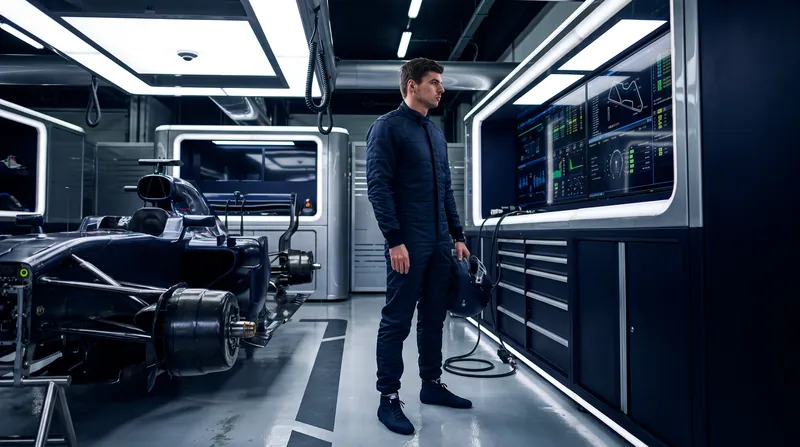
More in Sports
See all →McLaren Resurgence
McLaren's Hungarian GP Victory Blows Open 2026 Formula 1 Championship Race
2 sources
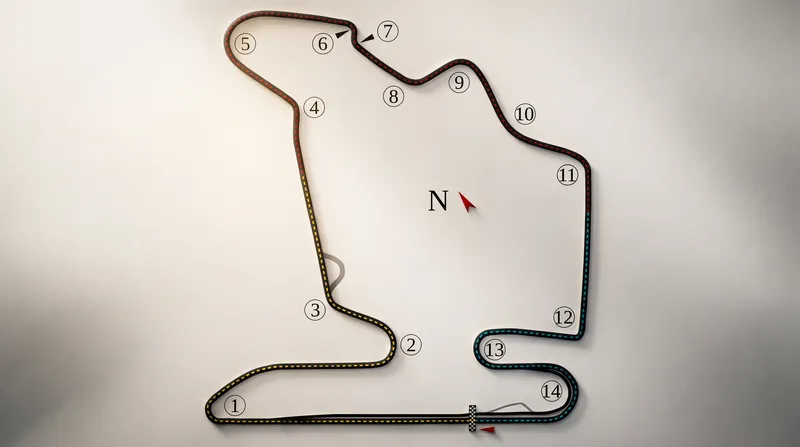
Hungarian Grand Prix
Ferrari Dominates Hungarian Grand Prix Friday Practice as Leclerc and Hamilton Set the Pace
6 sources
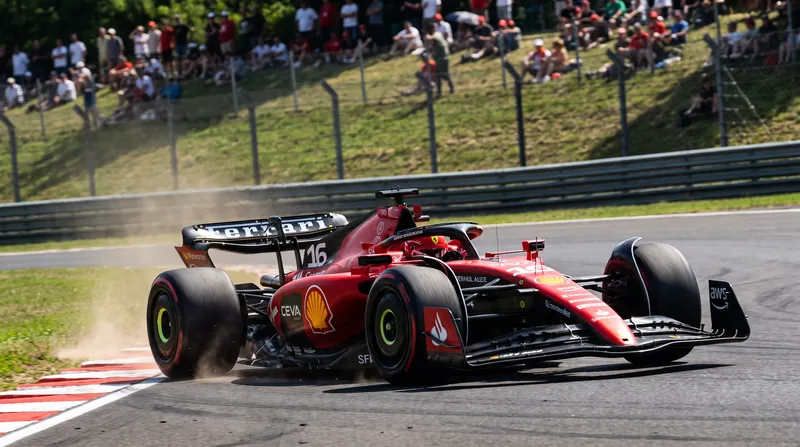
F1 Valuations
Red Bull Rejects $3 Billion Buyout Offer for Racing Bulls F1 Team
5 sources
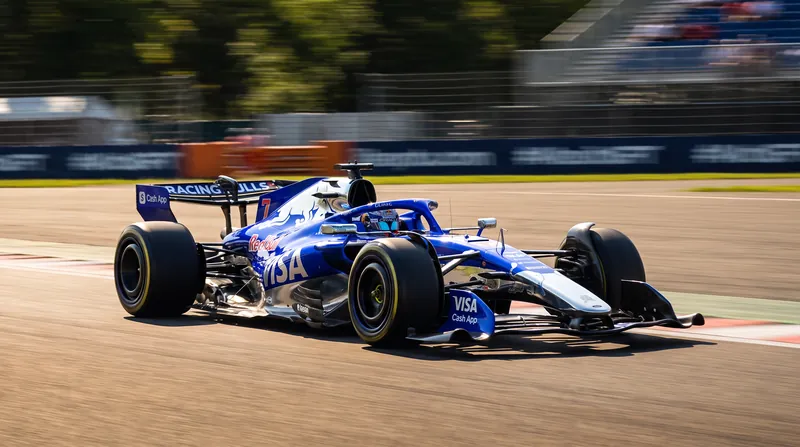
F1 Driver Market
Red Bull Secures Hadjar Amid Escalating Uncertainty Over Max Verstappen's Future
8 sources
Comments
Every angle. Every day.
Get Sports stories with full source coverage and perspective breakdowns, free every day.