
Springboks and All Blacks Set Blistering Pace as Inaugural Nations Championship Reaches Midway Point
South Africa and New Zealand share the top spot in the Southern Hemisphere pool with perfect records, while an unbeaten France leads a tightly contested Northern Hemisphere race heading into the November window.
By Xia Wu

- Southern Hemisphere Analysts
- Focus on the dominant 15-point starts by South Africa and New Zealand as proof of Southern superiority.
- European Commentators
- Emphasize the thrilling four-way race in the Northern pool and the depth of European contenders.
- Global Expansion Advocates
- View the struggles of Japan and Fiji as a necessary growing pain for the long-term health of the sport.
Perspectives this story doesn't cover
- Fiji and Japan team management on the physical toll of the new format
- Player welfare advocates concerned about the increased intensity of test windows
The inaugural 2026 Nations Championship has reached its midway point following the conclusion of the July international window, and the Southern Hemisphere's traditional heavyweights are laying down a formidable marker. The new biennial tournament, which splits 12 of the world's top teams into two hemispheric pools, was designed to inject high stakes into every test match. After three gruelling rounds of cross-pool play, the standings reveal a stark contrast: a two-horse race for dominance in the South, and a chaotic, four-way dogfight in the North.[1][2]
South Africa and New Zealand have emerged as the undisputed pacesetters in the Southern Hemisphere pool, both boasting perfect 3-0 records and maximum bonus points to sit tied at 15 points apiece. The Springboks have been particularly ruthless in their execution, racking up a tournament-high 130 points and conceding just 49 in their opening three fixtures against Northern opposition. Their physical dominance has sent a clear warning to the rest of the rugby world.[3][5]
The All Blacks are matching their fierce rivals stride for stride. New Zealand's dynamic attack has yielded 121 points, securing three consecutive bonus-point victories to keep the race for the Southern Hemisphere's top spot deadlocked. The two powerhouses are now on a collision course to determine who will represent the South in the London Grand Final this November, leaving the rest of their pool scrambling to keep pace.[3][4]
In stark contrast to the top-heavy Southern pool, the Northern Hemisphere standings are a tightly contested affair. France currently holds the pole position with 12 points, having ground out three crucial victories. Unlike the high-flying Southern leaders, Les Bleus have yet to secure a try-scoring bonus point, relying instead on a pragmatic, results-driven approach that has kept them unbeaten but vulnerable at the top of the table.[1][6]
Breathing down the French team's necks is Scotland, who have emerged as the surprise package of the tournament so far. With two wins and a narrow loss, the Scots have accumulated 11 points, bolstered by crucial bonus points that keep them firmly in the hunt for the London final. Their expansive style of play has proven highly effective against Southern defenses.[3][6]
Breathing down the French team's necks is Scotland, who have emerged as the surprise package of the tournament so far.
England and Ireland remain deadlocked at 10 points each, both sporting 2-1 records as they enter the four-month hiatus. England's attack has been potent, scoring 125 points across their three matches, but a costly defeat has left them chasing France. Ireland, meanwhile, has relied on a stingy defense but finds itself in fourth place due to a slightly inferior points differential. Both nations remain well within striking distance of the pool lead.[3][5]
Further down the standings, the chasing pack faces an uphill battle when the tournament resumes in November. Australia, sitting on 8 points, and Argentina, with 7 points, remain mathematically alive in the Southern pool. However, both nations will need South Africa and New Zealand to stumble significantly in the second half of the competition to have any hope of reaching the final.[3][7]
For the newly integrated nations, the step up in weekly intensity has been a baptism of fire. Japan has managed one victory to sit on 4 points, while Fiji and Italy remain anchored to the bottom of their respective pools with zero points after three rounds. The gruelling schedule of back-to-back tier-one test matches has highlighted the depth challenges these developing squads face.[3][5]
The competition format—which sees teams play six matches against opponents from the rival hemisphere—has successfully injected unprecedented stakes into the traditional test windows. With the July series concluded, teams now have a critical window to regroup, analyze their cross-pool opponents, and prepare for the decisive November fixtures.[4][8]
When the action resumes, the race for the top spot in each pool will reach its climax. The ultimate prize awaits the two pool winners: a historic First Place vs First Place Grand Final at Allianz Stadium in London on November 29, where the inaugural Nations Championship title will be decided and the balance of global rugby power officially crowned.[2][8]
What to know
- South Africa and New Zealand are tied atop the Southern Hemisphere pool with perfect 15-point records.
- France leads the Northern Hemisphere pool with 12 points, closely followed by Scotland, England, and Ireland.
- The Springboks boast the tournament's most potent attack, having scored 130 points in three matches.
- Newly integrated teams Japan and Fiji have struggled, securing just one win between them.
- The tournament resumes in November, culminating in a Grand Final in London.
Sources
Source coverage
8 outlets
3 viewpoints surfaced








- [1]RugbyPassEuropean Commentators
Nations Championship 2026 Standings & Table
Read on RugbyPass → - [2]World RugbySouthern Hemisphere Analysts
The Nations Championship debuts in July 2026
Read on World Rugby → - [3]FlashscoreSouthern Hemisphere Analysts
Nations Championship 2026 standings
Read on Flashscore → - [4]Six Nations RugbyEuropean Commentators
Nations Championship 2026 Championship Format & Match Points System Explainer
Read on Six Nations Rugby → - [5]WikipediaGlobal Expansion Advocates
2026 Nations Championship
Read on Wikipedia → - [6]TNT SportsEuropean Commentators
Nations Championship 2026 Table & Standings
Read on TNT Sports → - [7]Wallabies RugbySouthern Hemisphere Analysts
Nations Championship 2026 | Wallabies Rugby
Read on Wallabies Rugby → - [8]Gullivers Sports TravelGlobal Expansion Advocates
How the Nations Championship Works: The Format
Read on Gullivers Sports Travel →
Comments

More in Sports
See all →Race Format Overhaul
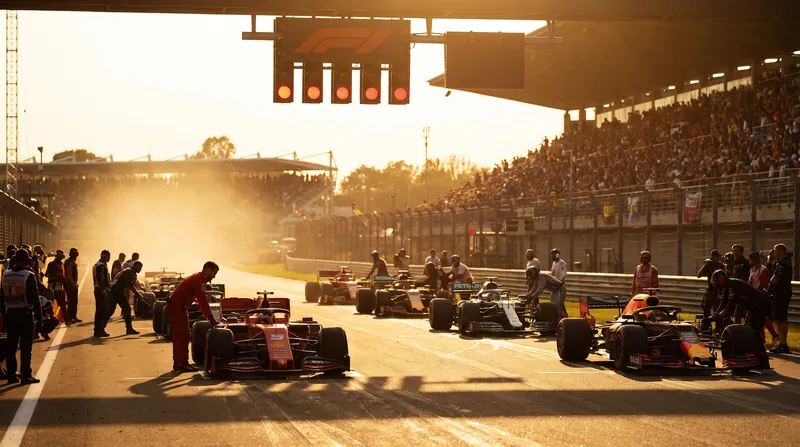
F1 Commission Approves Shorter Races and Removes Three-Hour Limit for 2027 Season
7 sources
Fencing Rules
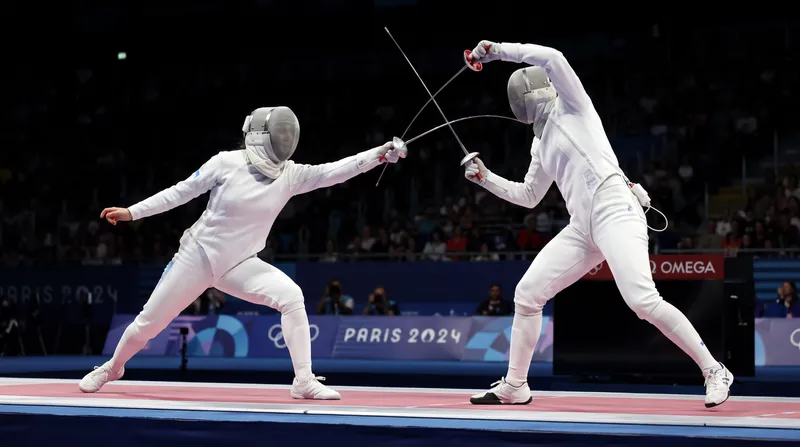
The Sequence of Priority: How Attack, Parry, and Riposte Decide a Fencing Bout
8 sources
Oceania Qualifiers
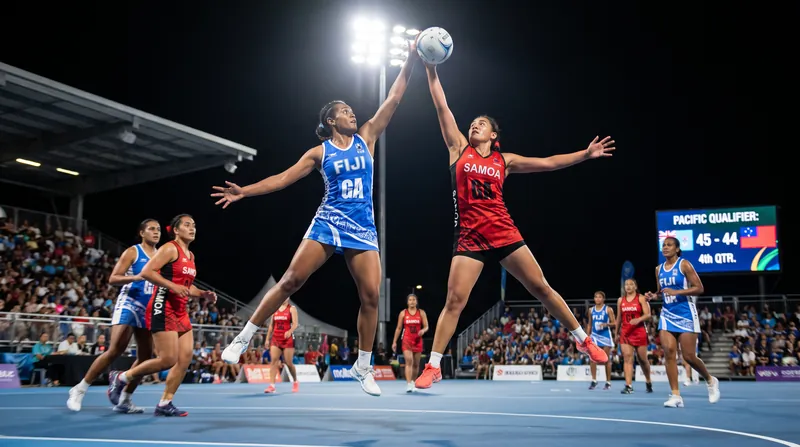
Samoa and Tonga Secure Netball World Cup 2027 Qualification at Oceania Qualifiers
5 sources
Boxing Governance
The Four Major Sanctioning Bodies and How They Govern Professional Boxing's World Titles
6 sources

Every angle. Every day.
Get Sports stories with full source coverage and perspective breakdowns delivered to your inbox.