
Senate Republicans Reelect John Thune as Leader Following Midterm Wipeout
South Dakota Senator John Thune secured another term as the Senate Republican leader, overcoming a conservative push to delay the vote. The conference backed Thune by acclamation as they prepare to navigate their new minority status in the 120th Congress.
By Anaya Sharma

Share this story
Senate Republicans reelected South Dakota Senator John Thune as their conference leader on Tuesday, opting for continuity in the wake of a devastating 2026 midterm election. Meeting behind closed doors in the Old Senate Chamber, the conference backed Thune by acclamation for another two-year term.[1][3]
The secret-ballot election secures Thune’s position as Senate Minority Leader for the 120th Congress, which convenes in January. The vote followed a tense, hours-long session where members grappled with the electoral fallout that cost the party at least seven Senate seats and their majority.[1][4]
"I appreciated the opportunity to have an open, honest and transparent conversation with my colleagues today," Thune said in a statement following the vote. He added that he was honored to retain the conference's trust as they prepare to navigate their new minority status.[4]
Thune’s victory was never seriously in doubt, as he ran unopposed for the top post. However, the proceedings were marked by a vocal conservative revolt that sought to delay the leadership elections entirely until the party could digest the scale of its midterm defeats.[2][3]
The Conservative Revolt
Wisconsin Senator Ron Johnson spearheaded the effort to postpone the leadership vote, circulating a letter that demanded a period of "soul-searching" before cementing the roster. Johnson argued that the conference needed a concrete strategy for the lame-duck session and the incoming Democratic-controlled Congress.[2][5]
"We just can't continue on business as usual," Johnson told reporters outside the chamber, describing the midterm results as a stunning defeat at the polls. He maintained that such a significant electoral loss inherently demands a change in how the conference operates.[3]
The push for a delay ultimately failed, with the conference voting 31-15 to proceed with the scheduled elections. Following the procedural defeat, Johnson walked out of the room as the formal leadership voting began, though he later clarified his opposition was not personal.[1][4]
"This has never been anything against John Thune," Johnson conceded, noting that the leader had been unfairly attacked by the party's base. Despite his frustrations with the process, the Wisconsin senator acknowledged that no clear alternative candidate had emerged to challenge Thune directly.[3]
Other conservatives were far more pointed in their criticism of the decision to maintain the status quo. Missouri Senator Josh Hawley publicly lambasted the outcome, questioning the political reality of colleagues who supported an immediate vote without a broader reckoning over the party's direction.[2][4]
"If you don't think after losing seven Senate seats minimum that we need to change course, I don't know what planet you're on," Hawley said. He argued that rushing to ratify the exact same leadership team sent a dismissive message to Republican voters.[4]
Defending the Status Quo
Mainstream Republicans rallied around Thune, arguing that the leadership team was not responsible for the broader political environment that drove the midterm losses. West Virginia Senator Jim Justice acknowledged the frustration but defended the current roster's performance over the past two years.[4]
"They do a good job," Justice said following the first of three closed-door meetings on Tuesday. While he recognized the legitimate argument for questioning leadership after a severe defeat, he maintained that the current team did not cause the electoral problems they now face.[4]
Thune himself appeared sympathetic to the unrest, promising members a platform to air their grievances. Before the vote, he assured the conference they would have a "very fulsome, robust conversation about where we go from here" to determine the consensus of the group.[4]
Oklahoma Senator Jim Lankford noted that Thune enjoys widespread support because he actively solicits different viewpoints before making major decisions. Lankford contrasted this inclusive management style with previous leadership regimes, suggesting it helped insulate Thune from the intense backlash following the midterm wipeout.[4]
The South Dakota senator has spent the last two years navigating a complex relationship with President Donald Trump and the populist wing of the party. Thune frequently defended the Senate's institutional norms, including the legislative filibuster, which often put him at odds with the MAGA base.[2][3]
The Midterm Wipeout Context
The leadership elections took place against the backdrop of a sweeping Democratic wave that fundamentally altered the congressional balance of power. Republicans lost control of both chambers, with the Senate GOP shedding at least seven seats in states including Maine, Kansas, and South Carolina.[1][3]
Two additional Senate races in Alaska and Mississippi remain uncalled, potentially deepening the Republican deficit. The shift hands Democrats as many as 56 seats in the upper chamber, granting them significant latitude to confirm nominees and advance their legislative priorities in the coming term.[1][4]
In his first extended floor remarks since the election, Thune acknowledged that Republicans suffered a "tough night" at the ballot box. He attempted to set a resolute tone for the incoming minority, promising to cooperate where possible while fiercely opposing the Democratic agenda.[4]
"The American people are not looking for socialist government and leftist fantasies," Thune declared, previewing his pitch to colleagues looking for a roadmap. He pledged to work closely with House Republicans to halt what he characterized as the worst impulses of Democratic extremism.[4][5]
The Senate dynamic contrasts sharply with the House, where Republicans elected Ohio Representative Jim Jordan as their minority leader. Jordan, a hardline Trump loyalist, represents a more combative approach to minority status, setting up a potential strategic divergence between the two Republican conferences.[2]
Navigating the Lame-Duck Session
Before the new Congress convenes, Thune must guide his fractured conference through a high-stakes lame-duck session. Conservatives used Tuesday's meetings to demand a concrete plan for passing remaining Republican priorities and securing defense funding before Democrats assume full control of the chamber.[4][5]
Florida Senator Rick Scott, who chairs the Senate Steering Committee, emphasized the urgency of the remaining weeks. "We need a plan to get the Republican agenda done," Scott said, urging leadership to keep the Senate in session around the clock to maximize their remaining majority power.[4][5]
The lame-duck agenda includes critical negotiations over war spending, border security, and government funding deadlines. Thune faces the immediate challenge of unifying a conference that is simultaneously grieving its electoral losses and deeply divided over how aggressively to wield its fading procedural leverage.[3][4]
The internal debates also highlighted the ongoing tension over the party's identity and its relationship with Donald Trump. While Thune pledged to work with the president to advance conservative goals, several senators privately questioned whether the party's current trajectory is sustainable after consecutive electoral defeats.[2][3]
The Path Forward
Thune’s reelection represents a bet on institutional stability over reactionary upheaval. As the 65-year-old leader prepares for his second term at the helm, his immediate task involves holding a diminished and demoralized conference together against a newly empowered Democratic majority.[1][3]
Thune’s reelection represents a bet on institutional stability over reactionary upheaval.
The closed-door sessions featured what Hawley described as an "honest, open microphone" environment where senators bluntly dissected their own campaign failures. Members who survived tough reelection bids shared strategies, while others analyzed the broader national trends that contributed to the party's collapse.[4]
Key points
- John Thune was reelected by acclamation to serve as Senate Republican leader for the 120th Congress.
- A conservative effort led by Ron Johnson to delay the leadership vote failed 31-15.
- Republicans are grappling with a midterm wipeout that cost them at least seven Senate seats.
- Thune pledged to work with House Republicans to counter the incoming Democratic majority.
Open questions
- How Thune will manage the strategic divergence with the House Republican conference led by hardliner Jim Jordan.
- The final Senate balance, as races in Alaska and Mississippi remain uncalled.
- Which specific legislative priorities Republicans will prioritize during the lame-duck session before Democrats take control.
- Mainstream Republicans
- Value institutional stability and inclusive leadership to navigate the Senate minority.
- Conservative Hardliners
- Demand aggressive opposition tactics and a leadership overhaul following the midterm defeats.
Perspectives this story doesn't cover
- Democratic Senate leadership preparing to govern with the new majority
- Republican donors and strategists analyzing the midterm financial fallout
Sources
Source coverage
5 outlets
2 viewpoints surfaced





- [1]PBS NewsMainstream Republicans
Senate Republicans vote to keep Thune as leader after election wipeout
Read on PBS News → - [2]New York PostConservative Hardliners
Senate Republicans re-elect John Thune as leader after midterm shellacking
Read on New York Post → - [3]CBS NewsMainstream Republicans
Thune reelected as Senate GOP leader after brutal midterm losses
Read on CBS News → - [4]AP NewsMainstream Republicans
Senate Republicans vote to keep John Thune as leader after steep election losses
Read on AP News → - [5]Washington ExaminerConservative Hardliners
Thune reelected as Senate GOP leader after failed push to delay vote
Read on Washington Examiner →
More in News & Politics
See all →State Elections
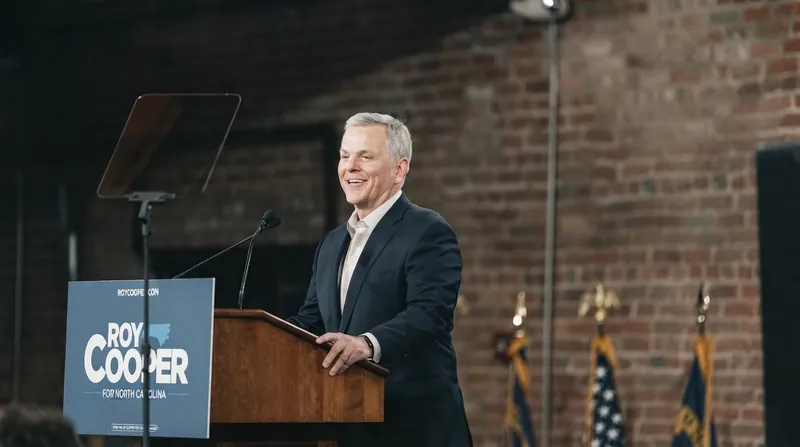
Byron Donalds Elected in Florida as First Black Republican Governor in US History
5 sources
Electoral Milestones
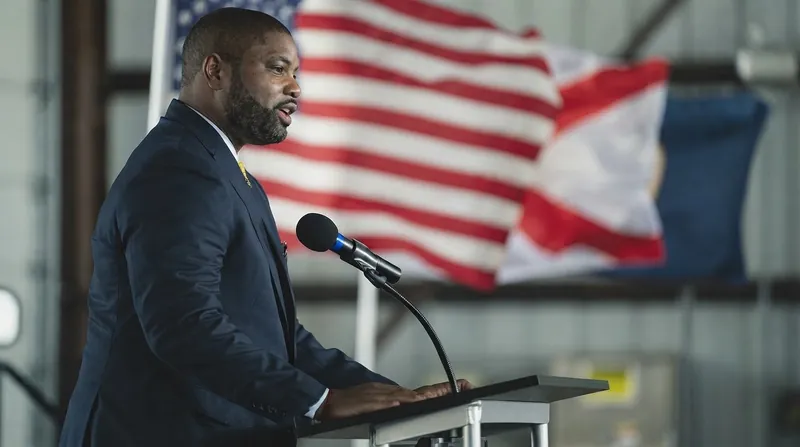
Keisha Lance Bottoms Wins Georgia Gubernatorial Race to Become First Black Female Governor in US
4 sources
House Leadership
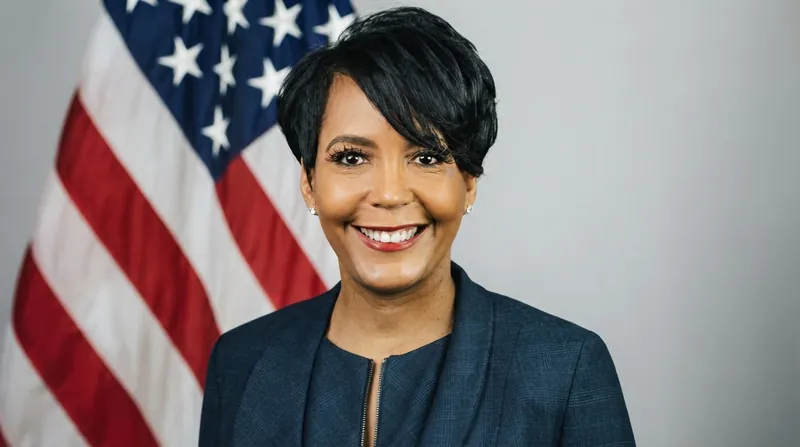
House Republicans Elect Jim Jordan as Minority Leader Following Midterm Defeats
7 sources
Congressional Oversight
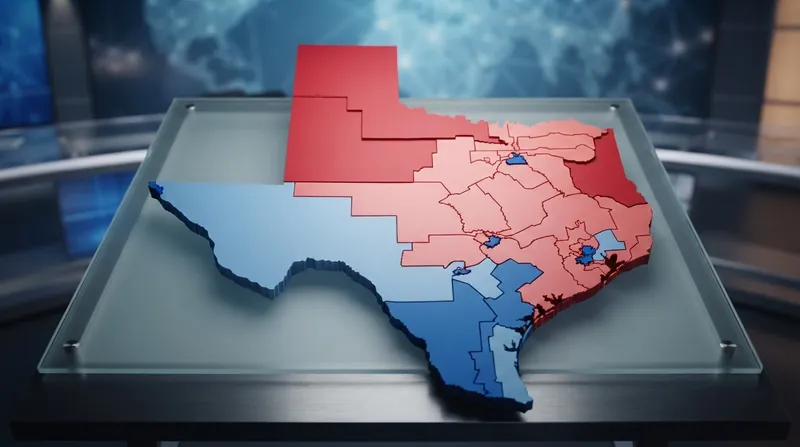
Democrats Plan Expansive Subpoenas for Elon Musk and Stephen Miller Following Midterm Sweep
3 sources
Comments
Every angle. Every day.
Get News & Politics stories with full source coverage and perspective breakdowns, free every day.