
full timeline
Israeli election campaign
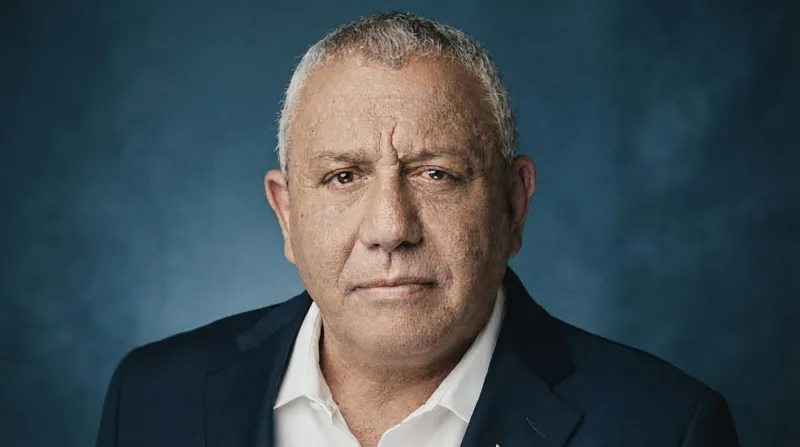
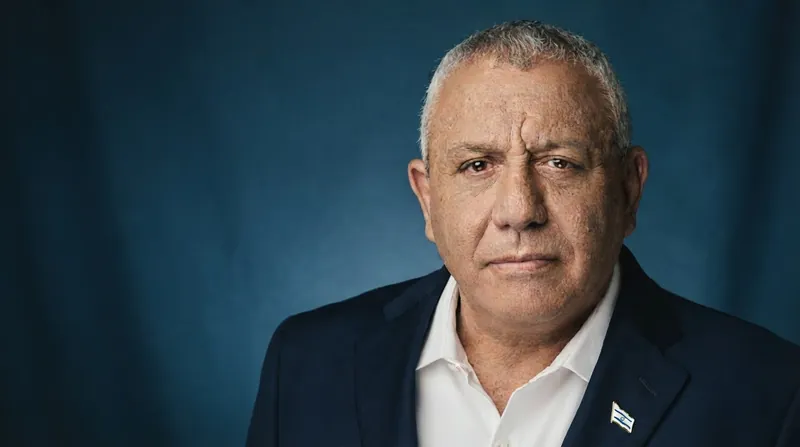
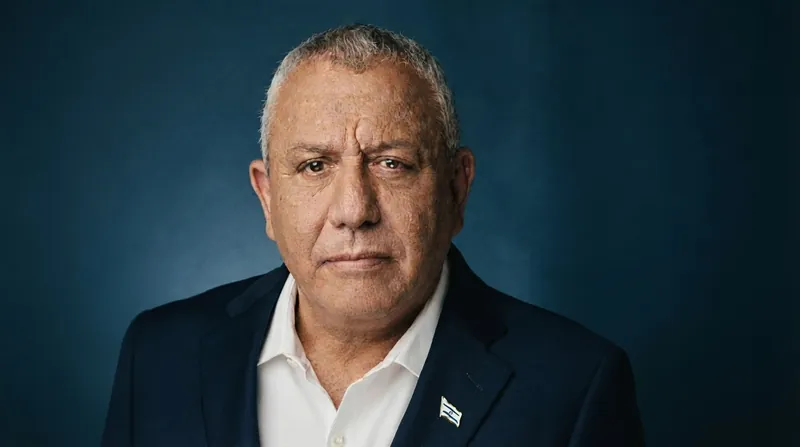
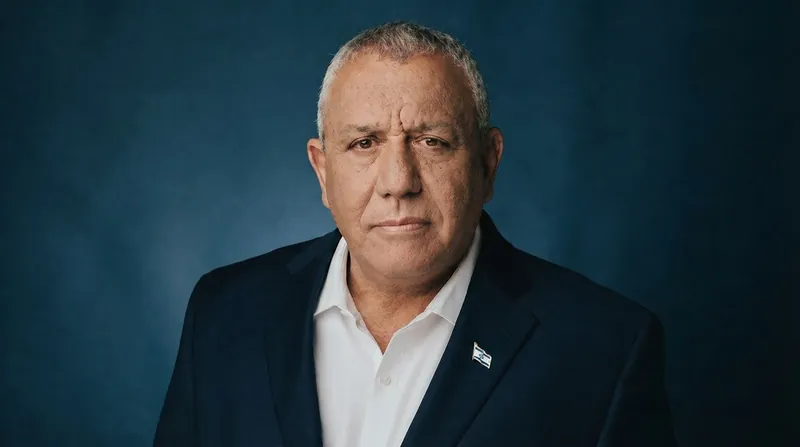
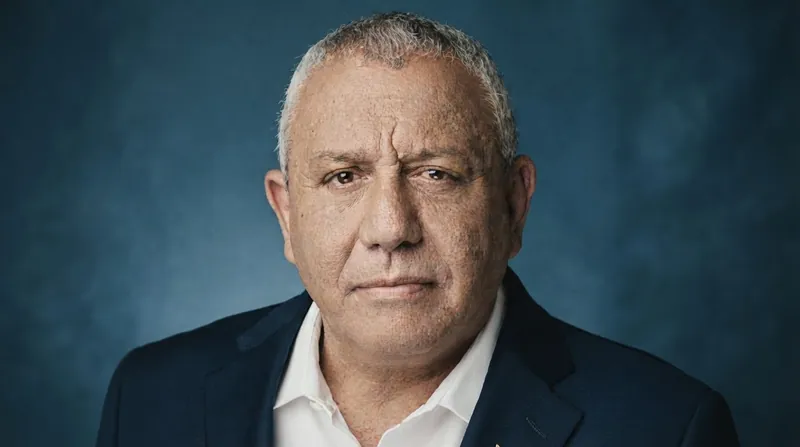
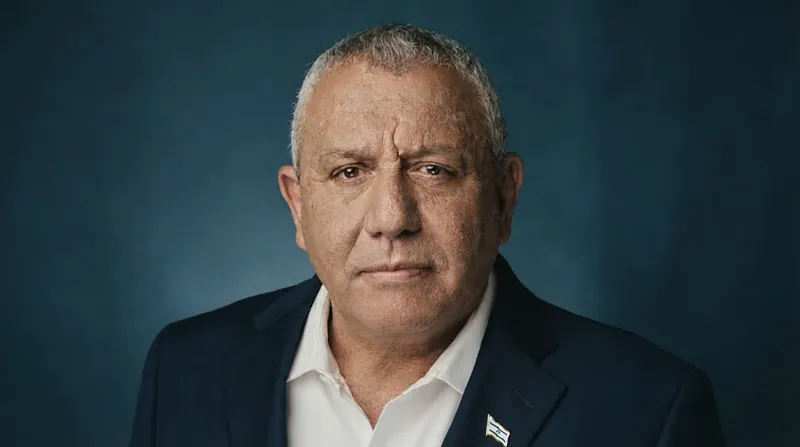
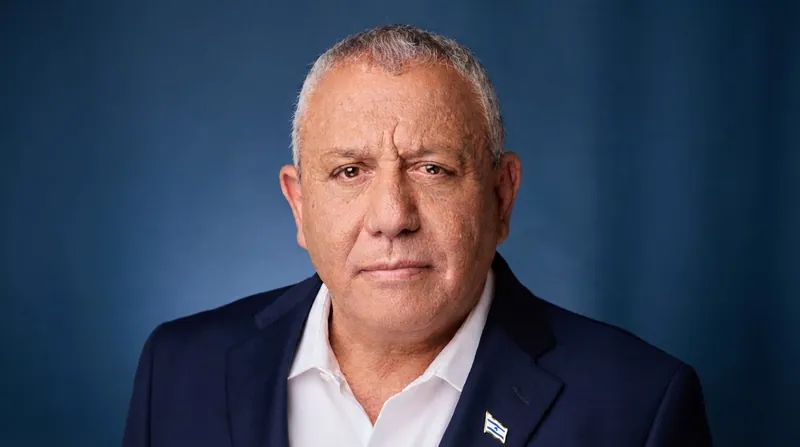
Talks between Prime Minister Benjamin Netanyahu's Likud party and Gadi Eisenkot's Yashar faction have collapsed without a unity government deal.
Follow Israeli election campaign in the Factlen app and get an alert when there is news. Get the app
Share this story
Latest report
Likud and Yashar End Coalition Negotiations Without an Agreement
Talks between Prime Minister Benjamin Netanyahu's Likud party and Gadi Eisenkot's Yashar faction have collapsed without a unity government deal. The breakdown follows a second round of negotiations that failed to resolve disputes over leadership rotation.
- A second round of coalition talks between Likud and Yashar ended without an agreement to form a unity government.
- The four-hour meeting failed to resolve the core dispute over a guaranteed leadership rotation timeline.
- Prime Minister Netanyahu will continue to rely on his existing 64-seat right-wing and religious coalition.
- Yashar will remain in the opposition, signaling a return to combative parliamentary politics ahead of the 2027 budget vote.
Coalition negotiations between Prime Minister Benjamin Netanyahu's Likud party and Gadi Eisenkot's Yashar faction have officially collapsed. The two sides concluded their second round of talks on Sunday without reaching an agreement to form a broad unity government.[1][4]
The breakdown follows a marathon four-hour meeting that failed to bridge fundamental gaps between the two political camps. Negotiators departed the room with no scheduled follow-up, signaling a hard halt to the immediate unity effort.[3][5]
According to reports from the room, the primary sticking point remained the structure of a potential power-sharing arrangement. The Media Line noted that the delegations specifically "leave leadership rotation unresolved," a hurdle that has historically derailed similar Israeli coalition efforts.[5]
The failure to secure a deal leaves Netanyahu reliant on his existing 64-seat right-wing and religious bloc in the 120-seat Knesset. Eisenkot's Yashar party will remain in the opposition, maintaining the polarized political status quo that has defined the 2026 legislative session.[1][2]
The Rotation Dispute
The second round of negotiations was intended to address the preconditions Likud had established earlier in the month. Yashar had initially invited Likud to the table in a bid to project domestic stability during ongoing regional security challenges.[1][4]
However, the demand for a clear leadership rotation timeline proved insurmountable. Eisenkot's faction reportedly sought a guaranteed date for a transfer of the premiership, a concession Netanyahu's team was unwilling to formalize in writing.[2][5]
i24NEWS characterized the end of the session as concluding "without breakthrough," highlighting the rigid positions held by both negotiating teams. Neither side demonstrated the flexibility required to dismantle the existing coalition agreements Likud holds with its current partners.[4]
The Times of Israel reported that while the Yashar-Likud track stalled, parallel discussions with the United Torah Judaism (UTJ) faction showed some progress. This suggests Likud may be pivoting to shore up its existing alliances rather than expanding the government's base.[3]
Security and Domestic Pressures
The push for a unity government emerged against the backdrop of severe security crises throughout 2026. Proponents argued that a broader coalition, incorporating former military chiefs like Eisenkot, would provide the government with greater legitimacy for major strategic decisions.[1][2]
Without Yashar in the cabinet, the current administration faces continued domestic skepticism regarding its handling of defense policy. The opposition has consistently criticized the government's reliance on hardline factions that lack extensive military command experience.[2][4]
The four-hour sitdown on Sunday represented the most significant attempt to alter that dynamic this year. Its failure underscores the deep mistrust between Netanyahu and the centrist opposition figures who previously served in emergency wartime cabinets.[3][5]
Middle East Monitor reported that Israeli media widely viewed the collapse as a definitive end to the current unity initiative. The swift confirmation of the breakdown by both parties leaves little room for immediate backchannel resuscitation.[1]
Legislative Consequences
The immediate consequence of the collapsed talks is a return to combative parliamentary politics. The Knesset faces a backlog of contentious legislation, including the 2027 state budget, which must be passed to prevent automatic early elections.[3][4]
Yashar is now expected to intensify its opposition to the government's legislative agenda. Eisenkot's faction has previously signaled its intent to challenge the coalition on both economic policy and military conscription exemptions.[2][5]
Likud, meanwhile, must manage the demands of its right-wing partners, who were reportedly wary of Yashar's potential entry into the government. The collapse of the unity talks removes the immediate threat of those factions being sidelined or diluted.[1][3]
The United Torah Judaism party's reported progress in separate talks indicates that Netanyahu is actively working to stabilize his current 64-seat majority. Ensuring the loyalty of these factions is critical for the coalition's survival through the winter legislative session.[3]
The Path Forward
Political analysts note that the failure of the Likud-Yashar negotiations reflects a broader stagnation in Israeli politics. The inability of the two major blocs to compromise on core governance issues ensures continued electoral volatility.[2][4]
While The Times of Israel noted that the parties had initially agreed to meet again after their four-hour session, the subsequent confirmation of a breakdown suggests those plans were abandoned. The rapid deterioration of the dialogue highlights the fragility of the initial outreach.[3][5]
Eisenkot's decision to walk away from the table preserves his faction's standing among opposition voters who strongly oppose any partnership with Netanyahu. Entering a government without a guaranteed rotation would have severely damaged Yashar's credibility with its base.[1][2]
For Netanyahu, the end of the talks means he avoids a potentially destabilizing confrontation with his current coalition partners. However, it also leaves him solely responsible for the government's performance during a period of intense national strain.[4][5]
Regional Implications
The composition of the Israeli government remains a critical factor for international allies monitoring the region's stability. A unity government including Eisenkot was widely viewed in Western capitals as a moderating influence on Israeli policy.[1][4]
The confirmation that the current right-wing coalition will remain intact means international diplomatic efforts must continue to navigate the existing political realities in Jerusalem. The lack of a breakthrough ensures continuity in Israel's current diplomatic posture.[2][5]
As the Knesset prepares for its next session, the focus will shift entirely to internal coalition management and opposition maneuvering. The brief window for a transformative political realignment in late 2026 has officially closed.[3][4]
The definitive end to the Likud-Yashar negotiations marks a return to the entrenched partisan battles that preceded the talks. Both sides will now prepare for the next electoral contest, whenever it may occur, armed with the narrative of this failed negotiation.[1][5]
Public Trust and Final Stances
The collapse also impacts the broader public mood, which polling throughout 2026 has shown heavily favors a unity government. The failure of political leaders to deliver on this public demand may further erode trust in the national leadership.[2][4]
Sources
- [1]Middle East Monitor — Netanyahu's Likud, Eisenkot's Yashar end unity government talks without deal: Israeli media Read on Middle East Monitor →
- [2]Middle East Eye — Netanyahu, Eisenkot parties end talks without deal on forming government Read on Middle East Eye →
- [3]The Times of Israel — Parties of Eisenkot, Netanyahu agree to meet again after four-hour sitdown Read on The Times of Israel →
- [4]i24NEWS — Eisenkot's Yashar and Netanyahu's Likud conclude second round of coalition talks without breakthrough Read on i24NEWS →
- [5]The Media Line — Likud, Yashar Hold 4-Hour Unity Talks but Leave Leadership Rotation Unresolved Read on The Media Line →
What to watch
- Eisenkot faces a December 6 deadline to form a coalition, with the possibility of a 14-day extension.
- The opposition plans to use the speaker position to fast-track the reversal of the outgoing government's judicial overhaul.
- Eisenkot has vowed to launch a parliamentary and judicial probe into allegations that the Prime Minister's Office colluded with state security services to interfere in the election.
- Yashar's return to the opposition signals combative parliamentary politics ahead of the 2027 budget vote.
Earlier updates
4 updates
Israeli Coalition Talks Stall as Ultra-Orthodox Faction Refuses Netanyahu Support
Key point: Benjamin Netanyahu's bid to form a government has stalled after the ultra-Orthodox United Torah Judaism party declined to endorse him, leaving opposition leader Gadi Eisenkot as the frontrunner.
Israeli coalition negotiations stalled on Thursday after the ultra-Orthodox United Torah Judaism party officially declined to endorse Benjamin Netanyahu for prime minister. The decision, finalized during consultations with President Isaac Herzog, significantly weakens Netanyahu's bid to form a new government following the October 27 elections.
The United Torah Judaism party, a traditional ally of Netanyahu that holds seven seats in the 120-member Knesset, informed Herzog it would not recommend any candidate for the premiership. The move leaves Netanyahu's bloc with 53 seats, well short of the 61 needed for a parliamentary majority. Meanwhile, opposition leader Gadi Eisenkot has emerged as the frontrunner to receive the mandate, securing recommendations from his 48-seat bloc as well as the Arab-led Ra'am party and potentially the Joint List.
The loss of the ultra-Orthodox endorsement severely complicates Netanyahu's path to power and increases the likelihood that Eisenkot will be tasked with forming a coalition. The religious factions have aggressively pushed to maintain military service exemptions for Torah students, a policy Netanyahu has supported to keep his bloc intact. However, Eisenkot, a former military chief, has strongly opposed these exemptions amid ongoing conflicts in Gaza, Lebanon, and Iran, drawing harsh criticism from ultra-Orthodox leaders.
President Herzog began his formal consultations with party leaders on Wednesday after accepting the certified election results, which he declared legally binding despite Netanyahu's unsubstantiated claims of foreign interference. Herzog is expected to conclude the meetings on Thursday evening before deciding which lawmaker has the best chance of forming a government. The chosen candidate will have 28 days to assemble a governing coalition, with a possible 14-day extension if their initial efforts fail.
Herzog Rebuffs Netanyahu Allies' Election Fraud Claims as Coalition Splinters
Key point: Israeli President Isaac Herzog rebuked far-right lawmakers over unsubstantiated claims of election fraud as he began consultations to form a new government.
Israeli President Isaac Herzog clashed with representatives of the far-right Otzma Yehudit party on Thursday, rebuking their unsubstantiated claims of election fraud. During contentious consultations at the President's Residence on forming a new government, Herzog dismissed the lawmakers' allegations that the recent election was stolen as "hearsay" and "speculation." He emphasized that definitive claims must be proven in the legal world and cautioned against making generalizations.
The exchange unfolded as Otzma Yehudit formally recommended Prime Minister Benjamin Netanyahu to form the next government. Lawmaker Yitzhak Wasserlauf repeated the bloc's claims of fraud and declared that his party had "no confidence" in Attorney General Gali Baharav-Miara. Herzog swiftly rebuked him, stating that the culture of discrediting public servants in state institutions simply because they make unfavorable recommendations is unacceptable. The president also suggested that the high turnout among Arab voters may have been driven by opposition to National Security Minister Itamar Ben Gvir's treatment of their communities.
Herzog's firm rejection of the fraud claims follows his formal acceptance of the certified election results on Wednesday, which dealt a significant blow to Netanyahu's efforts to discredit the vote. The president's stance comes as Netanyahu's bloc struggles to maintain unity, with an ultra-Orthodox faction already declining to recommend him for prime minister. Herzog stated that the elections are over and urged political leaders to face reality as he began the coalition-building process.
Netanyahu and his religious-nationalist allies lost their parliamentary majority in the October 27 election, while Arab-led parties made historic gains. Although the elections commission found no evidence of irregularities that compromised the integrity of the vote, the Shin Bet intelligence service is investigating suspicions of foreign funding. The agency recently sought to interrogate senior Arab lawmakers, but the attorney general rejected the request due to a lack of evidence. Herzog emphasized that while the investigation into foreign interference should proceed, Arab Israeli voters "must not be smeared."
Sources:Israeli Coalition Talks Stall as President Accepts Certified Election Results
Key point: Israeli President Isaac Herzog has accepted the certified parliamentary election results as legally binding, triggering formal consultations to form a government amid stalled coalition talks.
Israeli President Isaac Herzog officially accepted the certified parliamentary election results as legally binding on Wednesday, moving the country into the next critical phase of government formation. The formal certification triggers a mandatory process in which Herzog will now begin consultations with representatives from all elected parties to determine who is best positioned to assemble a governing coalition and designate them as prime minister.
Supreme Court Justice Noam Sohlberg, head of the election committee, presented the finalized results to Herzog during a formal ceremony. Sohlberg emphasized that the results are legally binding and warned that public trust in the electoral process is easy to destroy, yet very difficult to repair. The acceptance follows the election commission's definitive conclusion that there was no evidence of irregularities that could have compromised the vote, dismissing unsubstantiated claims of fraud repeatedly amplified by Prime Minister Benjamin Netanyahu.
The certification cements a political deadlock, confirming that Netanyahu's religious-nationalist bloc lost its Knesset majority while Arab-led parties secured historic gains. With neither Netanyahu nor his chief rival, opposition leader Gadi Eisenkot, holding the 61 seats necessary to form a government, coalition negotiations have stalled. The impasse raises the possibility of an unprecedented cross-aisle alliance involving Eisenkot and Arab-led parties, or the prospect of Israel being forced into yet another early election next year.
The formal handover of results comes amid heightened tensions over the vote's legitimacy and ongoing investigations by the Shin Bet intelligence service into potential foreign interference. Far-right figures, including Itamar Ben-Gvir, have rejected the committee's findings and demanded the arrest of Arab political leaders. In response, Herzog has strongly condemned the racist rhetoric, urging the country to accept the reality of the election outcome as he navigates the deeply fractured parliament.
Arab Parties Back Eisenkot for Prime Minister, Securing 67 Endorsements
Key point: Opposition leader Gadi Eisenkot has secured 67 endorsements to form Israel's next government after receiving the backing of the Arab Joint List and Ra'am.
AIPresident Isaac Herzog formally tasked Gadi Eisenkot with forming the next government after consultations with party leaders.From: Netanyahu Demands to Lead Unity Government as Eisenkot Opens Coalition Talks Opposition leader Gadi Eisenkot has secured 67 endorsements in the 120-seat Knesset after the Arab Joint List and Ra'am announced they will back him for prime minister over Benjamin Netanyahu. The endorsements provide Eisenkot with a majority of recommendations to form Israel's next government.
The Joint List's recommendation positions Palestinian parties to potentially decide who governs Israel. Eisenkot is now tipped to seek the establishment of a new government with the backing of these Arab lists, handing him a crucial advantage in the ongoing political deadlock.
Despite securing the majority of recommendations, Eisenkot faces significant challenges due to deep divisions among the opposition parties. These ongoing internal fractures could still prevent the successful formation of a coalition and may ultimately keep Netanyahu in power.
2 updates
Israeli Election Commission Dismisses Netanyahu Fraud Claims Following Vote Review
Key point: Israel's election commission has ratified the final election results, finding no evidence to support Prime Minister Benjamin Netanyahu's claims of widespread voter fraud.
Israel's Central Elections Committee officially ratified the recent Knesset election results on Wednesday, announcing that an extensive review found no evidence of fraud or irregularities. The decision formally rejects Prime Minister Benjamin Netanyahu's allegations that the vote was compromised.
The six-day review, overseen by Supreme Court Justice Noam Sohlberg, examined protocols from 9,069 polling stations, representing approximately 75% of the country's regular voting locations. Officials also investigated thousands of complaints from political factions and the public, and conducted in-depth examinations of physical ballots where necessary, before formally submitting the official results to President Isaac Herzog.
The certification confirms the loss of Netanyahu's governing majority, clearing the way for Herzog to mandate an opposition leader, widely expected to be Gadi Eisenkot, to form a new coalition government. In response to the committee's decision, Netanyahu's Likud party and the ultra-Orthodox Shas party abstained from the vote, with Likud officials stating they are preparing a potential legal appeal to challenge the results.
Concurrently, Attorney General Gali Baharav-Miara blocked a request by the Shin Bet security service to interrogate senior politicians from Palestinian-led parties regarding the foreign interference claims, citing a complete lack of evidence. Eisenkot subsequently accused Netanyahu of launching a 'pogrom against democracy' by weaponizing state security forces to undermine the electoral process.
Netanyahu and his political allies had claimed that illegal foreign funding and organized voter fraud in Arab communities influenced the election outcome, which saw right-wing factions narrowly lose crucial parliamentary seats. Opposition leaders and election officials have characterized the fraud allegations as an unsubstantiated attempt by the prime minister to retain power and delegitimize Arab citizens who voted legally.
Israeli President Herzog Opens Coalition Talks Following Inconclusive Election
Key point: Israeli President Isaac Herzog has begun consulting with political factions to select a candidate to form a new government after the recent elections yielded no clear majority.
The recent 66-52 vote for Knesset Speaker demonstrated the opposition bloc's current parliamentary majority.From: Eisenkot Invites Netanyahu's Likud to Coalition Talks in Bid for Broad Israeli Unity Government Israeli President Isaac Herzog began formal consultations with political party representatives on Wednesday to determine who will be tasked with forming a new government. The high-stakes talks follow the inconclusive October 27 parliamentary elections, which left the country in a political deadlock with no clear winner.
In an unusual departure from past coalition negotiations, Herzog is meeting with factions in ascending order of their size. The discussions started with the smallest parties on Wednesday and will conclude with Prime Minister Benjamin Netanyahu's Likud and Gadi Eisenkot's Yashar on Thursday evening. The president's office stated the strategy is intended to encourage fresh thinking and explore alternative arrangements. Meanwhile, Herzog publicly urged party leaders to keep an open mind and do everything possible to avoid another round of elections.
The consultations launch a critical phase in the coalition-building process, as neither leading candidate has a clear path to power. Netanyahu's right-wing bloc secured 53 seats in the 120-seat Knesset, while Eisenkot's centrist opposition bloc won 48. Both sides remain well short of the 61 seats required for a parliamentary majority, raising the prospect of difficult and protracted negotiations. The outstanding recommendations from unaligned parties could prove decisive in determining who receives the mandate.
Once the consultations conclude, Herzog will assign the mandate to the lawmaker he believes has the best chance of assembling a coalition, granting them an initial 28 days to form a government. The ongoing political deadlock follows Israel's fifth election since 2019 and comes amid deep polarization. The situation is further complicated by Arab-led parties securing a record 19 seats, potentially holding the balance of power as the rival blocs vie for control.
1 update
Israeli Opposition Leaders Back Gadi Eisenkot to Form Next Government
Key point: Israeli opposition leaders have united to recommend former military chief Gadi Eisenkot to form the next government following inconclusive elections.
AIFormer IDF Chief of Staff Gadi Eisenkot has secured 67 recommendations to form Israel's next government.From: Arab-Majority Parties Back Gadi Eisenkot to Form Israeli Government Israel's main opposition leaders have agreed to recommend former military chief Gadi Eisenkot to form the next government, aiming to replace Prime Minister Benjamin Netanyahu. The leaders of the anti-Netanyahu bloc met in Herzliya on Tuesday and pledged to establish a national emergency government.
The agreement follows the October 27 elections, which left neither Netanyahu's bloc nor the opposition with the 61 seats needed for a parliamentary majority. Eisenkot's bloc secured 48 seats compared to Netanyahu's 53, making the support of Arab-majority parties potentially decisive in securing a mandate from President Isaac Herzog.
Eisenkot, who leads the Yashar party and served as Israel Defense Forces chief of staff from 2015 to 2019, has ruled out forming a coalition with Netanyahu. In a recent statement, Eisenkot emphasized that Netanyahu lacks a majority and that the opposition bloc intends to repeal laws they believe threaten democracy.
Charts, maps and images
Timeline
November 2026
Likud and Yashar End Coalition Negotiations Without an Agreement
Eisenkot Invites Netanyahu's Likud to Coalition Talks in Bid for Broad Israeli Unity Government
AIAIIsraeli Opposition Elects Matan Kahana as Knesset Speaker in 66-52 Vote
Eisenkot Demands Netanyahu Step Down Over Alleged Shin Bet Election Interference
Eisenkot Rejects Netanyahu Unity Coalition Offer as 'Cynical Maneuver' Amid Knesset Deadlock
Gadi Eisenkot Confronts Benjamin Netanyahu Over Coalition Strategy Following Fractured Knesset Vote
Swearing-In of Fractured Israeli Knesset Deepens Deadlock as Gadi Eisenkot Mounts Bid to Replace Benjamin Netanyahu
Netanyahu Demands to Lead Unity Government as Eisenkot Opens Coalition Talks
Israeli President Taps Gadi Eisenkot to Form Next Government After Deadlocked Election
Arab-Majority Parties Back Gadi Eisenkot to Form Israeli Government
AI- Israeli Coalition Talks Stall as Ultra-Orthodox Faction Refuses Netanyahu SupportKey point: Benjamin Netanyahu's bid to form a government has stalled after the ultra-Orthodox United Torah Judaism party declined to endorse him, leaving opposition leader Gadi Eisenkot as the frontrunner.
- Herzog Rebuffs Netanyahu Allies' Election Fraud Claims as Coalition SplintersKey point: Israeli President Isaac Herzog rebuked far-right lawmakers over unsubstantiated claims of election fraud as he began consultations to form a new government.
- Israeli Coalition Talks Stall as President Accepts Certified Election ResultsKey point: Israeli President Isaac Herzog has accepted the certified parliamentary election results as legally binding, triggering formal consultations to form a government amid stalled coalition talks.
- Arab Parties Back Eisenkot for Prime Minister, Securing 67 EndorsementsKey point: Opposition leader Gadi Eisenkot has secured 67 endorsements to form Israel's next government after receiving the backing of the Arab Joint List and Ra'am.
Israeli Election Commission Dismisses Netanyahu Fraud Claims Following Vote Review
- Israeli Election Commission Dismisses Netanyahu Fraud Claims Following Vote ReviewKey point: Israel's election commission has ratified the final election results, finding no evidence to support Prime Minister Benjamin Netanyahu's claims of widespread voter fraud.
- Israeli President Herzog Opens Coalition Talks Following Inconclusive ElectionKey point: Israeli President Isaac Herzog has begun consulting with political factions to select a candidate to form a new government after the recent elections yielded no clear majority.
Israeli Opposition Leaders Back Gadi Eisenkot to Form Next Government
- Israeli Opposition Leaders Back Gadi Eisenkot to Form Next GovernmentKey point: Israeli opposition leaders have united to recommend former military chief Gadi Eisenkot to form the next government following inconclusive elections.


October 2026
Israeli exit polls show no clear majority amid record 77.7% voter turnout
- Israeli exit polls show no clear majority amid record 77.7% voter turnoutKey point: Exit polls from Israel's general election project a political deadlock, with neither Benjamin Netanyahu nor challenger Gadi Eisenkot securing a clear majority despite the highest voter turnout since 1999.
- Vote Count Denies Netanyahu and Opponents a Majority in Israeli ElectionKey point: Neither Benjamin Netanyahu nor his opponents have secured a clear majority with over 60% of the vote counted, plunging Israel into political uncertainty.
- Netanyahu Falls Short of Majority as Rivals Seek Arab CoalitionKey point: With Netanyahu's bloc lacking a majority, his opponents must decide whether to partner with Arab parties to form a government.
Israelis Vote in First Post-October 7 General Election Amid Referendum on Netanyahu
AI- Israelis Cast Ballots in Tightly Contested Election Deciding Netanyahu's FateKey point: Voters in Israel are heading to the polls for a pivotal general election that will decide whether Prime Minister Benjamin Netanyahu retains power amid ongoing regional conflicts.
- Netanyahu Touts Trump Endorsement as Israelis Cast Ballots in Pivotal ElectionKey point: Prime Minister Benjamin Netanyahu is leveraging a recent endorsement from Donald Trump to rally support as Israelis vote in a highly contested election.
- Exit polls project no clear winner in Israeli electionKey point: Initial exit polls from Israel's national election indicate a political deadlock with no clear winner emerging.
Tens of Thousands Rally in Tel Aviv for Oct. 7 State Inquiry Days Before Election
- Tens of Thousands Rally in Tel Aviv for Oct. 7 State Inquiry Days Before ElectionKey point: Tens of thousands of Israelis gathered in Tel Aviv to demand an independent state inquiry into the October 7 attacks ahead of the upcoming general election.
How the story developed
The campaign for the 26th Knesset began with legal disputes over candidate eligibility. On September 26, Israel's Central Elections Committee voted 18-5 to disqualify the Arab-majority Ra'am party and the Joint List, as well as individual lawmakers Sami Abu Shehadeh and Ofer Cassif. The Israeli Supreme Court unanimously overturned the party bans on October 4, restoring Ra'am and the Joint List to the ballot, and reinstated Cassif in a 7-2 vote. Abu Shehadeh withdrew his candidacy after the court indicated a majority favored upholding his individual ban.
In the final weeks of the campaign, international and domestic realignments shaped the race. On October 18, US President Donald Trump formally endorsed Netanyahu, though Vice President JD Vance declined to do the same. Two days later, US Defense Secretary Pete Hegseth held an undisclosed meeting with Netanyahu in Israel to discuss potential military operations against Iran. Domestically, former defense minister Benny Gantz withdrew his National Unity faction from the election on October 19 after polling showed it failing to cross the 3.25 percent electoral threshold. On October 25, tens of thousands of Israelis rallied in Tel Aviv demanding an independent state inquiry into the October 2023 attacks.
Polling stations opened on October 27 for the first national vote since the 2023 attacks, with more than 7.2 million eligible voters. The election saw a record 77.7 percent voter turnout, the highest since 1999. Exit polls and the subsequent vote count revealed a political deadlock, with neither Netanyahu nor Eisenkot securing a clear majority. Netanyahu's Likud party won 27 seats, while Eisenkot's opposition bloc held 48 seats against Netanyahu's 53. On November 4, Israel's election commission ratified the final results, finding no evidence to support Netanyahu's claims of widespread voter fraud, which President Isaac Herzog also rebuked.
Following the certification, President Herzog began consultations to form a new government. Netanyahu's bid stalled on November 5 when the ultra-Orthodox United Torah Judaism party declined to endorse him. That same day, the Arab Joint List and Ra'am officially recommended Eisenkot, giving him the backing of 67 lawmakers. On November 8, Herzog formally tasked Eisenkot with forming the government, granting him an initial 28-day window. Eisenkot stipulated that any coalition would only include members who recognize Hamas as a terrorist organization and support its destruction.
As the newly elected 120-seat Knesset was sworn in on November 11, Eisenkot formally launched his bid to replace Netanyahu. The anti-Netanyahu bloc seized control of the Knesset Arrangements Committee and nominated Avigdor Liberman to head the Foreign Affairs and Defense Committee. Tensions escalated on November 16 when Eisenkot demanded Netanyahu's immediate resignation over weekend reports alleging the Prime Minister's Office colluded with the Shin Bet and national police to suppress political opposition during the campaign. Eisenkot vowed to launch a parliamentary and judicial probe into the alleged interference, deepening the political deadlock.