
Major Smartphone Makers Unveil Tool-Free Battery Designs Ahead of Global Rollout
Apple, Samsung, and Google have previewed new smartphone architectures featuring user-replaceable batteries, signaling an end to expensive, glue-heavy repairs. The shift comes ahead of a 2027 European Union mandate but will be implemented on devices sold worldwide.

Share this story
The era of the glued-shut, unrepairable smartphone is coming to an abrupt and consumer-friendly end. In a coordinated series of announcements this week, major manufacturers including Apple, Samsung, and Google previewed new internal architectures that will allow users to swap out depleted batteries without specialized tools, heat guns, or professional assistance.[1][3]
The design shift represents one of the most significant hardware pivots in modern mobile history. For over a decade, flagship smartphones have relied on heavy industrial adhesives to achieve ultra-thin profiles and robust water resistance. This engineering choice made battery replacement a costly, delicate, and sometimes dangerous procedure usually reserved for certified technicians.[3]
The primary catalyst for this industry-wide redesign is the European Union’s impending battery regulation, which requires all consumer electronics sold in the bloc to feature user-replaceable batteries by 2027. Rather than manufacturing separate, fragmented models for the European market, tech giants have opted to apply the new standard globally, bringing the benefits to consumers worldwide.[2][4]
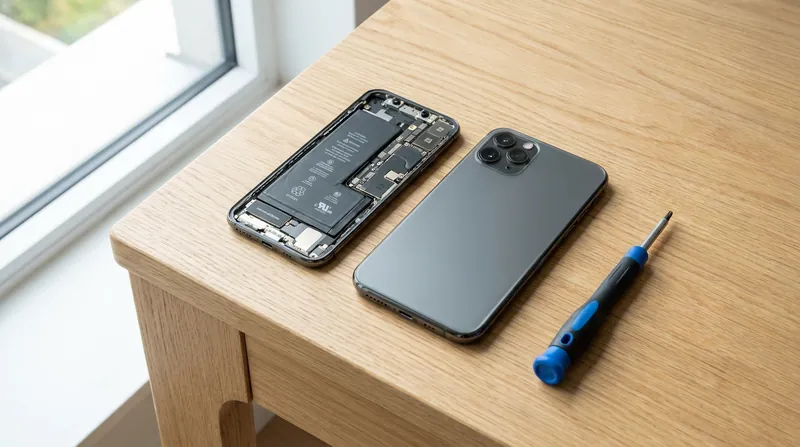
Early prototypes showcased to developers reveal a clever engineering compromise. Instead of reverting to the flimsy, pop-off plastic backings of the early 2010s, the new designs utilize internal mechanical latches and specialized compression gaskets. Users will be able to trigger a release mechanism—often using a standard SIM ejector tool—to safely detach the rear glass and access a modular battery cartridge.[1]
Repair advocates are celebrating the move as a monumental victory for consumer rights and environmental sustainability. Organizations like iFixit have long campaigned against the use of heavy adhesives, noting that battery degradation is the single most common reason consumers abandon otherwise perfectly functional devices.
By lowering the barrier to entry for a simple battery swap, the average lifespan of a flagship smartphone is expected to increase dramatically. Industry analysts project that devices which previously saw three years of active use could now comfortably serve consumers for five or more years, provided they receive ongoing software support.
The financial implications for consumers are substantial. Currently, out-of-warranty battery replacements for premium devices can cost upwards of $119 at official service centers, often requiring users to surrender their device for several days. The new modular batteries are projected to retail for roughly $45, with users able to perform the swap at their kitchen table in under five minutes.[3][5]
However, the transition has required massive supply chain overhauls. Component manufacturers in Asia have spent the last eighteen months retooling assembly lines to produce the new standardized battery enclosures and precision-machined latches required to maintain the devices' structural integrity without relying on glue.[2]
Maintaining water and dust resistance—a non-negotiable feature for modern premium phones—has been the primary engineering hurdle. To achieve IP68 ratings with a removable back panel, manufacturers are employing advanced compression seals and hydrophobic meshes that can withstand repeated openings without losing their protective qualities.[1]
The shift is also sparking a wave of innovation in the accessory market. With standardized internal connection points, third-party hardware startups are already prototyping extended-capacity battery modules, specialized camera grips with integrated power, and even snap-in hardware wallets for cryptocurrency that fit directly into the battery bay.
Market analysts suggest the move aligns surprisingly well with changing consumer behavior. As the pace of year-over-year processor and camera improvements has slowed, consumers are naturally holding onto their devices longer. By embracing repairability, manufacturers hope to build brand loyalty and pivot their revenue models toward ongoing services and ecosystem lock-in rather than forced hardware upgrades.[2][5]
While the first fully compliant flagship devices aren't expected to hit retail shelves until early 2027, mid-range models featuring the new modular architecture are slated for release in the fourth quarter of this year. These early releases will serve as a real-world stress test for the new latches and seals before the technology scales to tens of millions of premium units.[1][3]
For the average smartphone user, the anxiety of a degrading battery—watching the maximum capacity drop below 80 percent and knowing a costly repair or replacement looms—will soon be a relic of the past. The industry is finally acknowledging that a dead battery shouldn't mean a dead phone.[5]
Key points
- Major smartphone brands are redesigning devices to feature tool-free, user-replaceable batteries.
- The shift is driven by a 2027 EU mandate, but the new designs will be sold globally.
- Users will be able to swap batteries at home, dropping replacement costs from over $100 to roughly $45.
- Advanced compression seals will allow the phones to maintain their premium water resistance.
Unanswered questions
- How well the new compression seals will hold up to water and dust after multiple years of use and repeated openings.
- Whether manufacturers will implement software locks that disable certain phone features if a third-party battery is installed.
How we got here
Dec 2023
The European Union officially passes the new battery regulation mandating user-replaceable batteries.
2024–2025
Asian supply chains undergo massive retooling to develop new latches and compression seals.
June 2026
Major smartphone manufacturers preview their compliant designs to developers and the press.
2027
The EU mandate takes full effect, requiring all new consumer electronics to feature the modular standard.
- Consumer Rights Advocates
- Argue that user-replaceable parts are essential for reducing e-waste and empowering consumers to maintain their own devices.
- Hardware Manufacturers
- Focused on balancing the new regulatory requirements with the engineering challenges of maintaining premium aesthetics and water resistance.
- Accessory Developers
- View the modular standard as a platform for hardware innovation, allowing for snap-in upgrades and specialized battery packs.
Perspectives this story doesn't cover
- Independent Repair Shops
Sources
Source coverage
5 outlets
3 viewpoints surfaced





- [1]The VergeHardware Manufacturers
Apple 2027 rumors: AirPods with cameras for AI and the second folding iPhone
Read on The Verge → - [2]BloombergHardware Manufacturers
Smartphone Supply Chain Pivots to Modular Batteries Ahead of EU Mandate
Read on Bloomberg → - [3]WiredConsumer Rights Advocates
The Gemini-Powered Google Home Speaker Is Finally Here
Read on Wired → - [4]European Commission
EU Battery Regulation: Implementation and timeline
Read on European Commission → - [5]Wall Street JournalHardware Manufacturers
Tech Giants Embrace Repairability as Consumer Upgrade Cycles Lengthen
Read on Wall Street Journal →
More in Technology
See all →Foldable Tech
Samsung Overhauls Foldable Strategy, Adopting Wider 4:3 Galaxy Z Fold 8 Design to Counter Apple
2 sources

Mobile Hardware
Qualcomm Brings Data-Center Chip Stacking to Smartphones for Always-On AI
4 sources

Camera Sensors
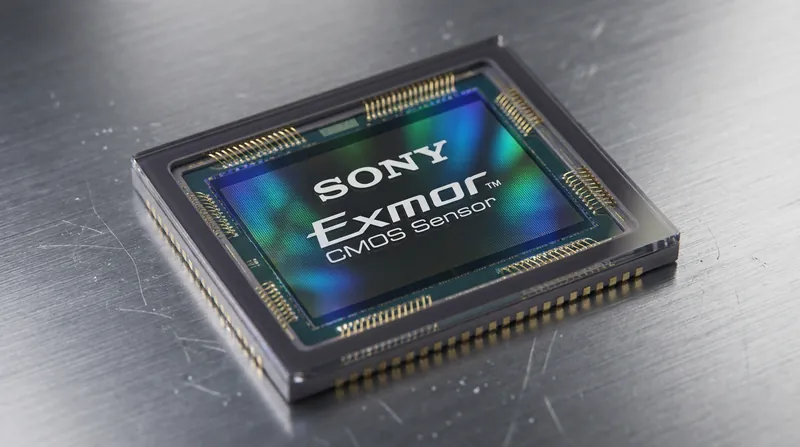
Sony Unveils LYTIA L910 Sensor, Bringing 16.6 Stops of Single-Exposure Dynamic Range to Smartphones
1 sources
Display Tech
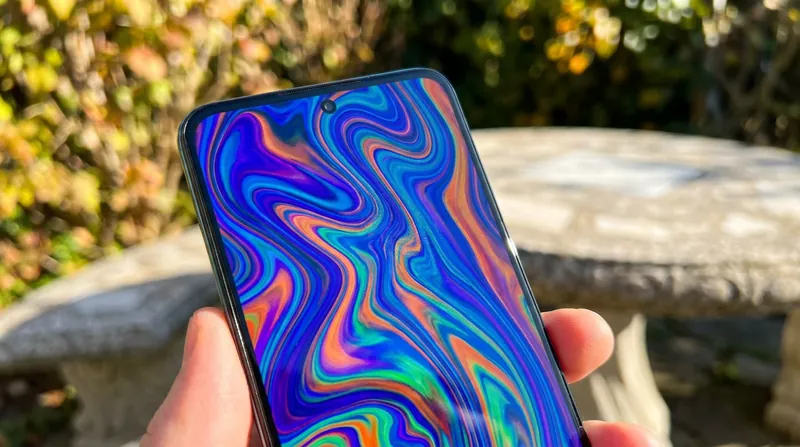
The End of Screen Glare: How Anti-Reflective Displays Became the Standard in 2026 Smartphones
2 sources
Comments
Every angle. Every day.
Get Technology stories with full source coverage and perspective breakdowns, free every day.