
How Mixed Team Gymnastics Works: Inside the Format Headed to LA 2028
The Australian Gymnastics Championships debuted a groundbreaking mixed-gender team event this weekend, offering a first look at the format expected to reshape the sport at the Los Angeles 2028 Olympics.

Share this story
The Gold Coast Sports and Leisure Centre erupted in a different kind of roar this weekend. For the first time in the history of the Australian Gymnastics Championships, male and female athletes stood shoulder-to-shoulder on the same podium, competing not as separate delegations, but as a unified squad.
The debut of the mixed team artistic gymnastics event marks a watershed moment for a sport traditionally defined by its strict gender segregation. As chalk dusted the air and scores flashed across the arena displays, the atmosphere felt less like a standard national qualifier and more like a glimpse into the future of global athletics.
The introduction of the mixed team format is not merely an experimental exhibition; it is a calculated trial run for the Los Angeles 2028 Olympic Games. The International Gymnastics Federation (FIG) has been quietly developing this framework for years, seeking to align the sport with the International Olympic Committee's broader mandate for gender parity and innovative, youth-oriented event structures. By testing the format at a high-stakes national championship, Australia has positioned itself at the vanguard of this transition, providing crucial data on logistics, scoring, and audience engagement.[1]
To understand the significance of this shift, one must examine the mechanics of the new format. In traditional artistic gymnastics, men compete across six apparatuses (floor, pommel horse, rings, vault, parallel bars, and high bar), while women compete across four (vault, uneven bars, balance beam, and floor).
The mixed team format bridges this divide by requiring a squad of six gymnasts—three men and three women. During the competition, the team must field athletes on a designated number of apparatuses from both the Men's Artistic Gymnastics (MAG) and Women's Artistic Gymnastics (WAG) disciplines, creating a combined aggregate score.[3]
The specific breakdown tested in Australia required teams to count twelve total routines toward their final score: six from the men and six from the women. This structure forces coaches to make complex strategic decisions. Because the men have six events and the women have four, teams cannot simply put up their best all-arounders on every piece of equipment.
Instead, they must identify which specific apparatuses yield the highest potential scoring advantages under the current Code of Points, balancing the risk of a fall on the balance beam against the potential for a massive execution score on the parallel bars.[3]
Scoring normalization presents one of the most significant technical hurdles for the mixed format. Because the MAG and WAG Codes of Points are fundamentally different—with varying difficulty values and execution deductions—a 14.500 on the men's rings does not represent the exact same statistical achievement as a 14.500 on the women's uneven bars.
To address this, the FIG and Gymnastics Australia implemented a proportional weighting system for the trial, ensuring that a dominant performance in either discipline carries equal weight in the final team tally. This prevents teams from disproportionately relying on one gender to carry the squad.
The strategic implications of this format are profound, particularly for national federations preparing for LA 2028. Historically, a country could dominate the Olympic medal table by fielding an unstoppable women's team, even if their men's program was rebuilding, or vice versa. The mixed team event demands holistic excellence. A nation must cultivate elite talent across both MAG and WAG pipelines to reach the podium. This dynamic inherently favors comprehensive powerhouse programs like the United States, China, and Japan, which possess deep rosters of world-class athletes in both disciplines.[1][3]
However, the format also introduces unique opportunities for mid-tier gymnastics nations. Because the mixed team event requires fewer total athletes than fielding two separate full squads for the traditional team finals, countries with a handful of exceptional specialists can suddenly become highly competitive. If a nation possesses two world-class male vaulters and two elite female floor workers, they can construct a mixed lineup that maximizes those specific strengths, potentially upsetting deeper, more balanced teams in a single-day final.[3]
The push for mixed-gender events is part of a broader evolution within the Olympic movement. Over the past decade, the IOC has successfully integrated mixed relays in swimming, track and field, and triathlon, as well as mixed team events in judo and archery. These additions have consistently generated high television ratings and robust social media engagement, appealing to a modern audience that values collaborative, inclusive competition. Gymnastics, consistently one of the most-watched sports at the Summer Games, is a natural candidate for this expansion.[2][3]
For the athletes, the transition requires a cultural shift within the training environment. Men's and women's gymnastics have historically operated in silos, often training in separate facilities with distinct coaching staffs and distinct competitive calendars. The Australian trial demonstrated the immediate benefits of breaking down these barriers. Athletes reported a heightened sense of camaraderie and a more electric team dynamic, as male and female gymnasts actively coached and cheered for one another on the competition floor, sharing insights on vaulting techniques and mental preparation.
The logistical execution of the mixed event is not without its challenges. Gymnastics meets are notoriously long and complex to schedule, requiring precise timing for warm-ups, apparatus transitions, and judging rotations. Integrating MAG and WAG athletes into a single competitive session requires dual judging panels operating simultaneously, as well as careful management of the physical space on the arena floor to ensure safety and visibility. The Australian Championships served as a vital stress test for these operational demands, proving that a seamless broadcast product is achievable.[2]
Looking ahead, the data and feedback gathered from the Gold Coast will be instrumental in refining the format. The FIG is expected to review the scoring normalization algorithms and the required routine counts before formally proposing the event structure to the IOC for the LA 2028 program. If approved, the mixed team event would likely be added as a supplementary medal opportunity, existing alongside the traditional men's and women's team finals, rather than replacing them.[1]
The next critical milestone will be the integration of the mixed team format into the World Gymnastics Championships cycle. Industry insiders anticipate that a refined version of the event will debut as an exhibition at the 2027 World Championships, providing the global gymnastics community with a final opportunity to adapt their strategies before the Olympic qualification period begins. This timeline gives national federations a narrow but crucial window to restructure their high-performance funding and talent identification programs.[2][3]
Ultimately, the debut of the mixed team event in Australia signals a vibrant, progressive chapter for artistic gymnastics. By demanding excellence across the entire spectrum of the sport and fostering a new level of athlete collaboration, the format honors the rigorous traditions of gymnastics while adapting to the expectations of a modern global audience. As the road to Los Angeles 2028 comes into focus, the sport is poised to deliver one of the most compelling and unpredictable competitions in Olympic history.[3]
The essentials
- The Australian Gymnastics Championships successfully trialed a new mixed-gender team format.
- The format requires teams of three men and three women to combine their scores across different apparatuses.
- The International Gymnastics Federation is testing the structure with the goal of debuting it at the LA 2028 Olympics.
- The event forces national federations to develop elite talent in both men's and women's programs to remain competitive.
Timeline
2024
The IOC continues its push for gender parity, successfully integrating mixed events in sports like swimming and track.
July 2026
Gymnastics Australia hosts the inaugural trial of the mixed team format at the national championships on the Gold Coast.
2027 (Projected)
The mixed team format is expected to be featured as an exhibition event at the World Gymnastics Championships.
2028 (Target)
The mixed team event is slated to make its official Olympic debut at the Los Angeles Games.
- Format Innovators
- Argue that mixed events modernize the sport, align with IOC gender parity goals, and create a more engaging broadcast product.
- Olympic Strategists
- Focus on how the format alters the competitive balance of power, forcing nations to develop both MAG and WAG pipelines equally.
- Traditionalists
- Emphasize the logistical complexities and the challenge of fairly normalizing scores between two fundamentally different Codes of Points.
Perspectives this story doesn't cover
- Smaller national federations
- Apparatus specialists
Sources
Source coverage
3 outlets
3 viewpoints surfaced



- [1]ESPNOlympic Strategists
Mixed team gymnastics makes competitive debut in Australia, eyeing LA 2028
Read on ESPN → - [2]Inside the GamesOlympic Strategists
LA 2028 Organisers Monitor Mixed Team Gymnastics Trial in Australia
Read on Inside the Games → - [3]Factlen Editorial TeamOlympic Strategists
Synthesis by Factlen editorial team
Read on Factlen Editorial Team →
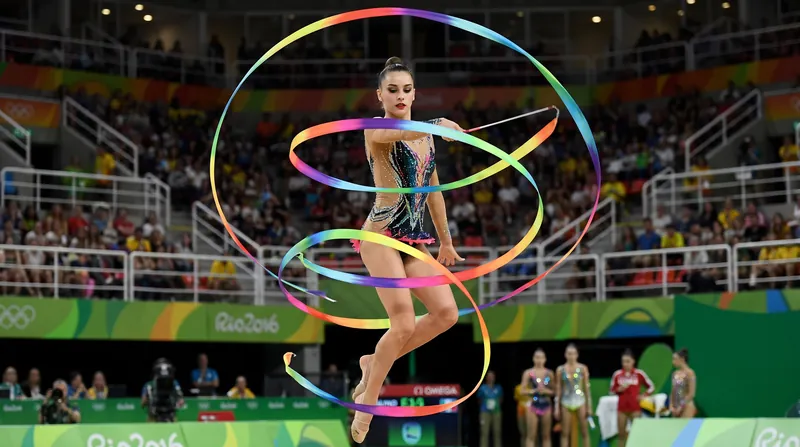
More in Sports
See all →Injury
Gymnastics Injury Report: Godwin Completes Golden Comeback as Langton Escapes Serious Injury
7 sources
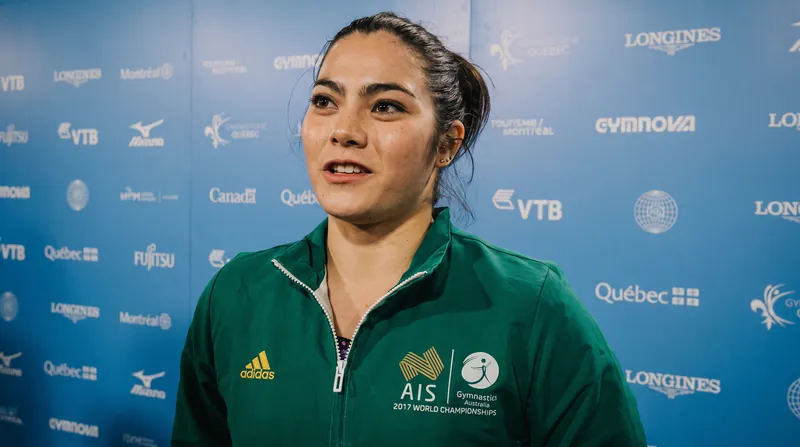
Injury
Hashimoto Daiki Overcomes Shoulder Injury to Claim Sixth Straight All-Japan Gymnastics Title
3 sources
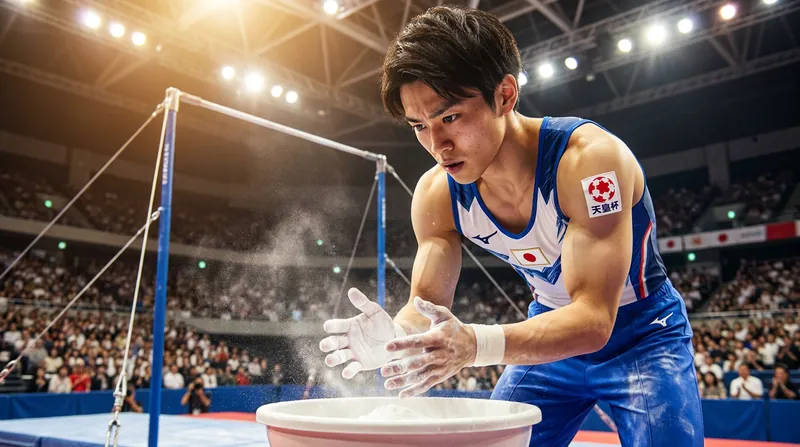
Standings
Global Rhythmic Gymnastics Standings Finalized as Varfolomeev Dominates Milan World Cup Finale
4 sources
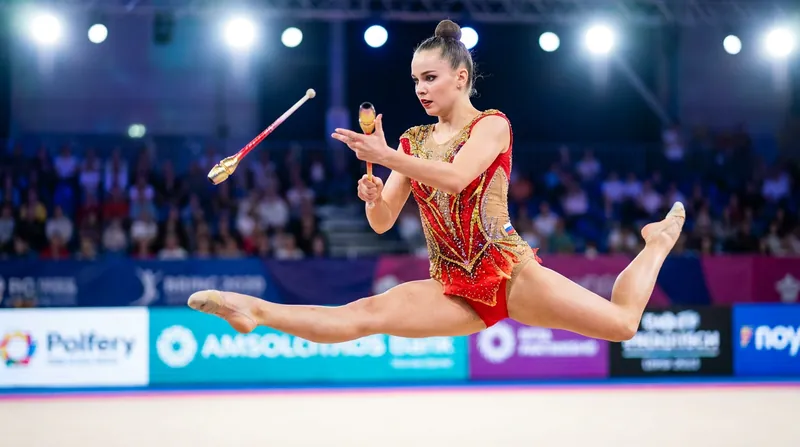
Injury
Gymnastics Injury Report: Suni Lee Launches LA28 Comeback as European Stars Target Strategic Returns
5 sources
Comments
Every angle. Every day.
Get Sports stories with full source coverage and perspective breakdowns, free every day.