
Skye Blakely and Kayla DiCello Make Elite Gymnastics Return Two Years After Devastating Injuries
Two years after suffering Achilles tears at the 2024 Olympic Trials, Skye Blakely and Kayla DiCello are returning to elite competition at the 2026 American Classic in Minneapolis.

Share this story
Two years ago, the city of Minneapolis became synonymous with heartbreak for USA Gymnastics. During the 2024 U.S. Olympic Trials, top contenders Skye Blakely and Kayla DiCello both suffered devastating Achilles tendon ruptures just days apart, instantly ending their dreams of competing at the Paris Games.[1]
Now, in a moment of profound athletic symmetry, the two gymnasts are returning to the exact same city this week to launch the next chapter of their careers. The 2026 American Classic, held in Minneapolis from June 26 to 27, will mark their official return to the elite competition stage.[2]
The synchronized comeback of Blakely and DiCello is one of the most anticipated storylines of the summer gymnastics season. For decades, an Achilles tear was widely viewed as a career-ending catastrophe in a sport that demands explosive lower-body power.
But the sport has fundamentally changed, and both athletes are proving that a catastrophic injury is no longer a permanent red light. Their presence on the roster for the American Classic signals a shift in how elite gymnasts manage their bodies, prioritize longevity, and pace themselves for future Olympic cycles.[1]
The initial prognosis for both athletes in the summer of 2024 was daunting. Doctors typically outline a six-to-nine-month recovery window just to resume basic gymnastics activities, let alone elite-level tumbling.
The physical toll of the injury was compounded by the emotional devastation of missing an Olympic Games they had spent their entire lives training for. Both athletes were carried off the floor in tears, facing a grueling rehabilitation process that would test their mental resilience as much as their physical strength.
Fortunately, neither gymnast had to navigate the dark days of early recovery alone. Both Blakely and DiCello were committed to the University of Florida, allowing them to transition their rehabilitation to Gainesville under the guidance of the Gators' medical staff.[1]
They became constant companions in the physical therapy room, matching each other's schedules and providing a vital emotional backstop. DiCello later noted that having a teammate who intimately understood the exact pain and frustration of the Achilles protocol made the isolation of injury far more bearable.
Despite their shared starting line, their recovery timelines eventually diverged based on what their individual bodies required. Blakely took an aggressive, highly motivated approach to her rehabilitation. Driven by a desire to compete in her freshman NCAA season, she attacked her physical therapy with a singular focus.
Defying the conservative end of her medical estimates, Blakely made her collegiate debut for the Gators in January 2025, a staggering 199 days after her Achilles ruptured in Minneapolis.
DiCello, conversely, opted for a more conservative and comprehensive medical route. While her right Achilles healed smoothly, she continued to experience lingering pain from a bone spur in her left heel.
Recognizing that she needed a fully healthy foundation to make a run at the 2028 Los Angeles Olympics, DiCello elected to undergo a second surgery in late 2024. The decision forced her to miss the entire 2025 NCAA season, but it provided her with the peace of mind that her body would be structurally sound for the long haul.[1]
The patience paid off. After a year of intense reflection and recovery, DiCello finally made her triumphant return to the competition floor for the Gators in January 2026. Competing in front of a raucous home crowd at the O'Connell Center, she debuted routines that showcased her trademark elegance, proving that the explosive power required for elite gymnastics had not been lost to the surgeon's scalpel.
Now, with successful collegiate seasons under their belts, both athletes are making the difficult transition back to elite gymnastics. The shift requires upgrading their routines to meet the rigorous demands of the open-ended Code of Points, adding significant difficulty and impact volume to their training.[1]
The American Classic serves as the perfect low-pressure environment to test these upgraded routines before the high-stakes Xfinity U.S. Gymnastics Championships later this August in Phoenix.[2]
Their return strategy is heavily focused on pacing. Neither gymnast is expected to immediately throw their maximum difficulty on all four apparatuses this weekend. Instead, they are taking a measured approach, likely focusing on the uneven bars and balance beam—events that place slightly less catastrophic load on the Achilles tendon compared to the floor exercise and vault.[1]
The broader implications of their return extend far beyond the results sheet in Minneapolis. Blakely and DiCello are living proof of the rapid advancements in orthopedic surgery and sports science. The integration of modern physical therapy and hyper-specific biomechanical retraining has dramatically accelerated the timeline for Achilles recovery in high-impact sports.
As the lights come up on the arena in Minneapolis this weekend, the gymnastics community will not just be watching two athletes compete; they will be witnessing a masterclass in resilience. The tears shed in this very city two years ago have been replaced by the chalk and sweat of a meticulously executed comeback.
For Blakely and DiCello, the American Classic is not the final destination, but rather the starting block for the next quadrennial. With their eyes firmly set on the 2028 Los Angeles Olympics, they have already achieved the most difficult victory of all: refusing to let an injury dictate the end of their story.[1]
Key points
- Skye Blakely and Kayla DiCello are returning to elite competition at the 2026 American Classic in Minneapolis.
- Both athletes tore their Achilles tendons exactly two years ago in the same city during the 2024 Olympic Trials.
- They rehabilitated together at the University of Florida, utilizing the NCAA season to regain their competitive form.
- Their return highlights major advancements in sports medicine and pacing strategies aimed at the 2028 Los Angeles Olympics.
How we got here
June 2024
Blakely and DiCello both suffer Achilles tears at the U.S. Olympic Trials in Minneapolis.
Late 2024
DiCello undergoes a second surgery on her left heel, ruling her out of the 2025 NCAA season.
January 2025
Blakely makes her collegiate debut for the Florida Gators, just 199 days post-surgery.
January 2026
DiCello returns to NCAA competition after an extended rehabilitation period.
June 2026
Both athletes return to elite competition at the American Classic in Minneapolis.
- Athlete Support Systems
- Focuses on the mental health, emotional resilience, and steady pacing required to overcome a catastrophic injury.
- Collegiate Athletics Programs
- Highlights how the NCAA environment provides a supportive, structured bridge for elite athletes to rehab and regain their competitive edge.
- Sports Medicine Analysts
- Emphasizes the rapid advancements in orthopedic surgery and physical therapy that make these accelerated timelines possible.
Perspectives this story doesn't cover
- Athletes who were forced to retire from similar injuries before modern protocols were developed
- Judging panels evaluating modified routines during the comeback phase
Sources
Source coverage
2 outlets
3 viewpoints surfaced


- [1]Olympics.comAthlete Support Systems
Skye Blakely and Kayla DiCello: The long road back to elite gymnastics
Read on Olympics.com → - [2]USA GymnasticsSports Medicine Analysts
2026 American Classic and Hopes Classic Set for Minneapolis
Read on USA Gymnastics →
More in Sports
See all →Standings
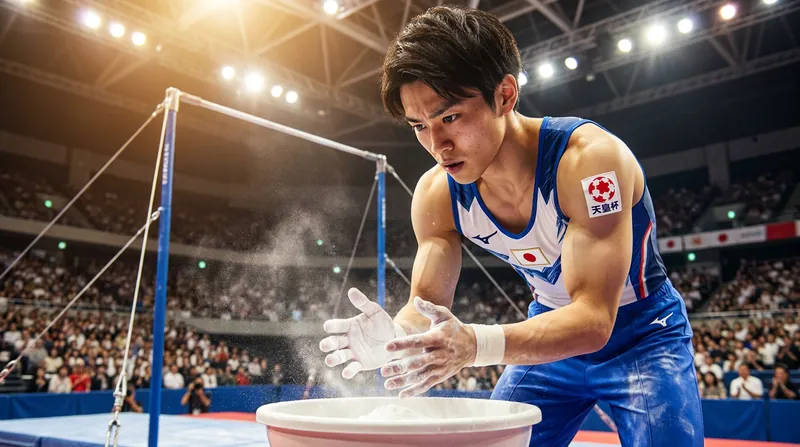
Global Rhythmic Gymnastics Standings Finalized as Varfolomeev Dominates Milan World Cup Finale
4 sources
Injury
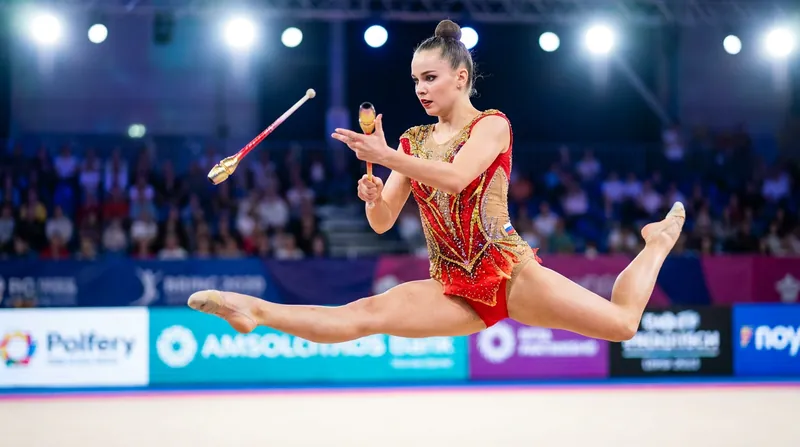
Gymnastics Injury Report: Suni Lee Launches LA28 Comeback as European Stars Target Strategic Returns
5 sources
Standings
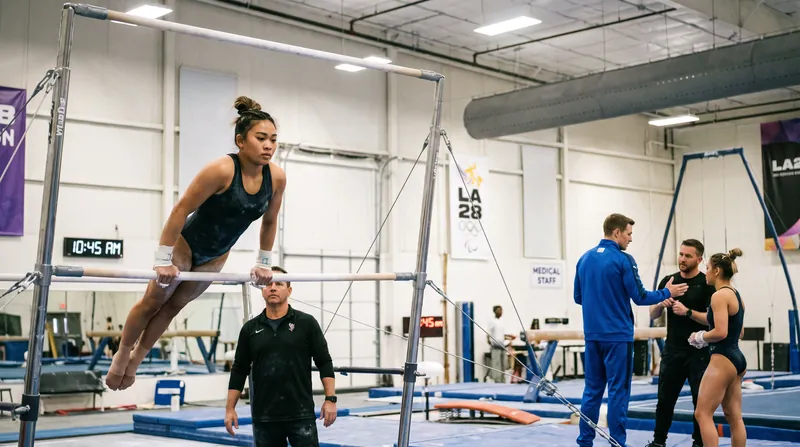
Global Acrobatic Gymnastics Standings Finalized as Four Nations Claim World Cup Titles
3 sources
Standings
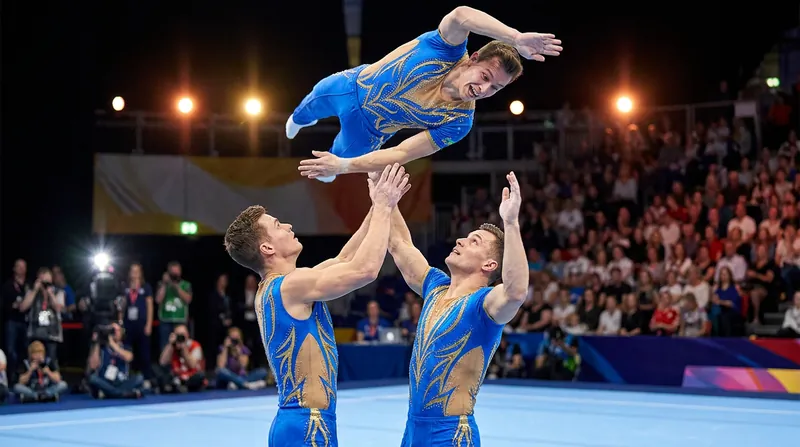
Global Women's Floor Standings Tighten: Bickel and Raz Headline the Race to Paris
6 sources
Comments
Every angle. Every day.
Get Sports stories with full source coverage and perspective breakdowns, free every day.