
Health Clubs Partner with Licensed Providers to Offer GLP-1 and HRT, Shifting Business Model to Preventative Care
Major fitness operators are transforming into preventative medical clinics by integrating weight-loss medications, hormone therapy, and peptide treatments with traditional strength training. The shift aims to combat the muscle loss associated with GLP-1 drugs and position gyms as comprehensive longevity hubs.

Share this story
The prevailing assumption when GLP-1 medications like Wegovy and Zepbound exploded in popularity was that they posed an existential threat to the fitness industry. If a weekly injection could effortlessly strip away body fat, the logic went, why would anyone continue paying for a gym membership or personal training?
Yet, the reality unfolding across the wellness landscape is precisely the opposite. Rather than emptying out, health clubs are evolving into comprehensive preventative care clinics. By partnering with licensed medical providers, fitness operators are now prescribing the very medications once thought to be their undoing, alongside hormone replacement therapy (HRT) and peptide treatments.[4]
This shift represents a fundamental reimagining of what a gym is supposed to do. For decades, the fitness industry operated adjacent to, but entirely separate from, the medical establishment. Today, that wall is dissolving. Major operators are realizing that medication alone does not ensure sustainable metabolic health.
While GLP-1 receptor agonists are highly effective at reducing appetite and driving weight loss, they do not discriminate between fat and lean muscle mass. Without targeted strength training and nutritional support, patients risk significant muscle atrophy, which can compromise bone density and long-term metabolic function.[4][5]
To bridge this gap, luxury athletic resort operator Life Time launched MIORA, an in-club longevity and performance clinic. The concept moves far beyond traditional personal training by offering comprehensive blood panels, health reports, and medical consultations.
Through MIORA, members can access GLP-1 prescriptions, hormone replacement therapy, and recovery services like IV drips and peptide injections under the supervision of medical professionals. Life Time's leadership has indicated that this integrated model will eventually expand across their entire portfolio of clubs, treating medical weight loss as a core component of their business rather than a peripheral add-on.[2][6]
The boutique fitness sector is executing a similar pivot. Xponential Fitness, the parent company of brands like Club Pilates and Pure Barre, recently acquired Lindora, a chain of metabolic health clinics. This acquisition signals a strategic integration of medical weight management into the boutique studio ecosystem. Lindora provides medically supervised GLP-1 protocols, personalized nutrition plans, and hormone therapies. By bringing these clinical services under the same corporate umbrella as its fitness studios, Xponential aims to create a closed-loop system where medical intervention and physical conditioning mutually reinforce one another.[1][8]
For mid-market and independent gyms that lack the capital to acquire medical clinics, technology platforms are providing turnkey solutions. Software provider Daxko recently launched Elevate Wellness, a program that connects health club members to a nationwide network of licensed telemedicine providers and FDA-regulated pharmacies.
The clinical partner handles the medical evaluation, lab work, and prescribing of GLP-1s or HRT, while the gym provides the essential coaching, strength training, and accountability. This model keeps medical care strictly in the hands of licensed clinicians while allowing local gyms to participate in the preventative health boom without navigating complex medical compliance hurdles.[3]
Understanding the mechanism behind this integration requires looking at how these therapies actually function in the body. GLP-1 (glucagon-like peptide-1) medications work by mimicking a naturally occurring hormone that slows gastric emptying, signals fullness to the brain, and enhances insulin secretion. The clinical evidence supporting their efficacy for weight loss is robust. However, the uncertainty lies in body composition changes. Clinical trials have shown that a substantial portion of the weight lost on these drugs—sometimes up to 40 percent—can come from lean mass rather than fat tissue.[4][5]
This physiological reality is what makes the gym-clinic partnership so vital. When a patient receives a GLP-1 prescription from a traditional primary care doctor or an online telehealth portal, they are rarely provided with a structured, supervised resistance training program. Fitness operators are stepping in to fill this void.
Equinox, for example, developed a specific "GLP-1 Protocol" designed by its Health Advisory Board. The program trains coaches to tailor workouts for clients experiencing the rapid metabolic changes and potential side effects—such as dizziness or fatigue—associated with the medications, prioritizing muscle preservation through heavy compound lifts and adequate protein intake.[4][5]
Beyond weight loss, the integration of Hormone Replacement Therapy (HRT) into health clubs highlights a broader focus on longevity and vitality. As men and women age, natural declines in testosterone, estrogen, and progesterone can lead to fatigue, decreased muscle mass, and prolonged recovery times.
By offering HRT alongside fitness programming, clubs are addressing the underlying biochemical barriers that often prevent older adults from maintaining an active lifestyle. When hormones are optimized under medical supervision, members typically experience improved energy levels, better sleep, and enhanced physical performance, which in turn drives higher gym attendance and retention.[6][7]
Peptide therapies are also emerging as a cornerstone of this new preventative care model. Compounds like Sermorelin, which stimulates natural growth hormone production, and BPC-157, known for its tissue-repair properties, are being utilized to accelerate recovery and preserve lean muscle. While the clinical data on some peptides is still developing, their application in a medically supervised fitness setting aims to help members recover faster from intense workouts and mitigate the wear and tear of aging. These therapies represent a shift from reactive medicine—treating injuries after they occur—to proactive resilience building.[6][7]
The transition from health club to medical clinic is not without its challenges. Operating in the healthcare space requires strict adherence to HIPAA regulations, secure data management, and clear boundaries between fitness professionals and licensed medical providers. Gyms must ensure that personal trainers are not dispensing medical advice, but rather executing fitness protocols that complement a physician's treatment plan. The franchise models and third-party telehealth partnerships currently gaining traction are specifically designed to offload this medical liability, ensuring that prescribing and monitoring remain strictly within the clinical domain.[3][7]
There is also inherent uncertainty regarding the long-term sustainability of this model. The high out-of-pocket costs for GLP-1 medications, HRT, and peptide therapies mean these integrated services are currently accessible primarily to affluent consumers. Insurance coverage for preventative weight management and longevity therapies remains inconsistent. Furthermore, the long-term physiological impacts of remaining on GLP-1 medications indefinitely, or the metabolic consequences of cycling on and off them, are still being studied by the medical community.[5]
For the everyday consumer, this industry shift offers a highly practical takeaway: medical weight loss and hormone optimization should not be pursued in isolation. If you are considering a GLP-1 medication or HRT, the clinical consensus strongly suggests pairing it with a structured resistance training program and nutritional oversight. The emerging gym-clinic model provides a blueprint for how this should look—a coordinated approach where your prescribing physician, your dietitian, and your strength coach are all working toward the same metabolic goals.[2][4]
Ultimately, the integration of medical services into health clubs represents a maturing of the fitness industry. By moving beyond aesthetic goals and embracing preventative healthcare, gyms are positioning themselves as essential infrastructure for longevity. The convergence of medicine and movement acknowledges a fundamental truth: lasting health requires both the biochemical support to function optimally and the physical conditioning to build resilience. As this model scales, the local health club may soon become the primary destination not just for working out, but for comprehensive metabolic care.[1][3][7]
Key points
- Health clubs are evolving from pure fitness facilities into comprehensive preventative care clinics.
- Major brands like Life Time and Xponential Fitness are directly integrating GLP-1 prescriptions and HRT into their business models.
- The integration aims to solve the muscle loss problem associated with rapid weight-loss medications.
- Turnkey telehealth platforms are allowing independent gyms to offer medical oversight without navigating complex compliance hurdles.
Open questions
- How the long-term physiological effects of remaining on GLP-1 medications indefinitely will impact lifelong fitness programming.
- Whether insurance providers will eventually cover these integrated gym-clinic memberships as preventative healthcare.
- How smaller, independent gyms will compete with the capital-intensive medical offerings of luxury fitness brands.
Timeline
2023
The surge in GLP-1 popularity leads to initial fears that weight-loss drugs will negatively impact gym attendance.
Late 2023
Life Time pilots its MIORA medical wellness concept, becoming one of the first major operators to offer GLP-1s and HRT in-club.
January 2024
Equinox launches its specialized GLP-1 coaching protocol to help members mitigate muscle loss while on the medications.
Early 2024
Xponential Fitness acquires Lindora, signaling the boutique fitness sector's entry into the metabolic health clinic space.
2026
Turnkey telehealth platforms like Daxko Elevate Wellness launch, allowing independent and mid-market gyms to seamlessly integrate medical prescribing into their offerings.
- Integrated Wellness Operators
- Argue that combining medical interventions with fitness programming is essential for long-term metabolic health and muscle preservation.
- Clinical Oversight Advocates
- Emphasize that while GLP-1s and HRT are powerful tools, they require strict medical supervision, blood work, and tailored exercise protocols to mitigate risks like muscle loss.
- Preventative Health Strategists
- View the gym-as-clinic model as the future of proactive healthcare, focusing on longevity, hormone optimization, and keeping aging populations active.
Perspectives this story doesn't cover
- Health Insurance Providers
- Primary Care Physicians
Sources
Source coverage
8 outlets
3 viewpoints surfaced







- [1]Athletech NewsIntegrated Wellness Operators
Xponential Fitness President on Lindora Deal, 2024 Wellness Trends
Read on Athletech News → - [2]Athletech NewsIntegrated Wellness Operators
Life Time Expands Miora Clinic Offering GLP-1s
Read on Athletech News → - [3]FittIntegrated Wellness Operators
Daxko Elevate Wellness Connects Health Clubs to Telemedicine
Read on Fitt → - [4]Fast CompanyClinical Oversight Advocates
Equinox's GLP-1 protocol is not a one-size-fits all program
Read on Fast Company → - [5]Los Angeles TimesClinical Oversight Advocates
The GLP-1 workout: How gyms are adapting to the Ozempic era
Read on Los Angeles Times → - [6]Life TimeIntegrated Wellness Operators
MIORA Medical Weight Loss Therapies
Read on Life Time → - [7]Future of FitnessPreventative Health Strategists
SLIM Gym: Integrating Preventative Health and Performance Medicine
Read on Future of Fitness → - [8]Xponential FitnessIntegrated Wellness Operators
Lindora Wellness: Weight Loss & Metabolic Health
Read on Xponential Fitness →

More in Fitness
See all →Boutique Fitness
How a $40 Million Settlement is Reshaping the Pilates Franchise Industry
2 sources

Exercise Science
Multiomics Study Identifies Distinct Metabolic and Immune Signatures in Regular Exercisers
5 sources
Core Biomechanics
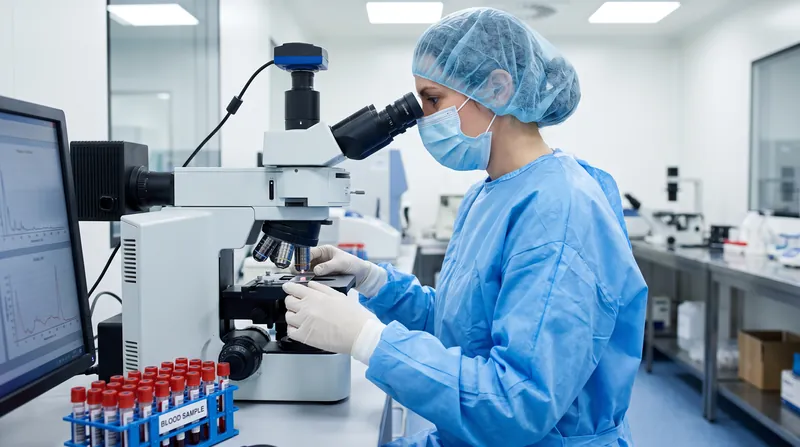
The 10-20% MVC Threshold: How Low-Level Deep Core Activation Maximizes Spinal Stiffness
7 sources

Core Biomechanics
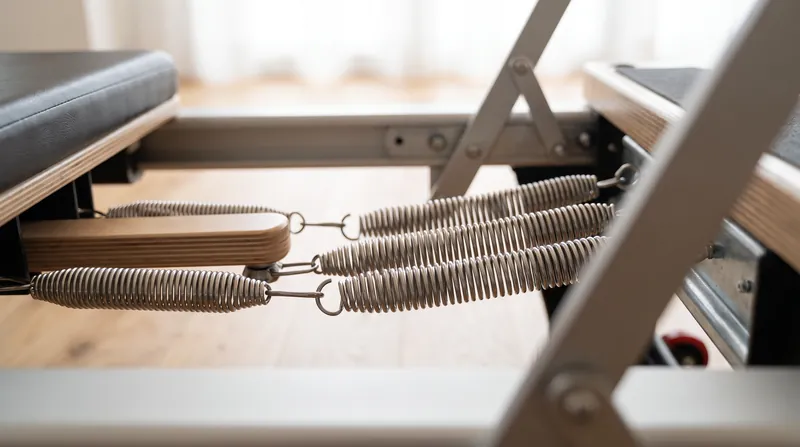
The Accommodating Resistance: How Reformer Springs Drive Higher Deep Core Co-Contraction Than Mat Pilates
5 sources
Comments
Every angle. Every day.
Get Fitness stories with full source coverage and perspective breakdowns, free every day.