
FAA Finalizes MOSAIC Rule, Overhauling Certification to Enable New Class of Electric Aircraft
The Federal Aviation Administration has fully implemented the Modernization of Special Airworthiness Certification (MOSAIC) rule, allowing electric, hybrid, and heavier aircraft to be certified under the light-sport category. The regulatory overhaul opens the door for a new generation of advanced propulsion systems and simplified flight controls in general aviation.

Share this story
The Federal Aviation Administration has officially closed the book on a two-decade-old regulatory framework, fully implementing the final phase of its Modernization of Special Airworthiness Certification (MOSAIC) rule. As of late July 2026, the arbitrary 1,320-pound weight limit that previously defined light-sport aircraft has been eliminated.
In its place, the FAA has adopted a performance-based standard that allows electric motors, hybrid systems, and heavier four-seat airframes to be certified under the light-sport category. For the local flight school looking to upgrade its fleet or the weekend pilot considering an electric aircraft purchase, the regulatory runway is finally clear.[1]
The shift marks the most significant overhaul to general aviation since the light-sport category was created in 2004. Phase 1 of MOSAIC, which took effect in October 2025, expanded the privileges of sport pilots, allowing them to fly a dramatically wider range of legacy aircraft—such as the Cessna 172 and Piper Cherokee—using a valid U.S. driver's license in lieu of an FAA medical certificate.
Now, Phase 2 has activated the manufacturing side of the equation, establishing the 14 CFR Part 22 framework that dictates how the next generation of aircraft will be designed and built.[4][5]
The linchpin of this new era was the FAA's formal acceptance of updated ASTM consensus standards in mid-July. These standards serve as the compliance blueprint for manufacturers. By officially recognizing them, the agency gave the green light for companies to begin certifying airplanes, gliders, gyroplanes, and powered-lift aircraft under the expanded rules. This means manufacturers can bypass the notoriously expensive and time-consuming Part 23 certification process for a much broader class of vehicles, drastically lowering the barrier to entry for new aviation technology.[1][2]
For prospective aircraft owners, the most immediate impact is the FAA's new "propulsion agnostic" stance. Under the legacy rules, a light-sport aircraft was strictly limited to a single reciprocating engine—meaning if it didn't burn gas and have pistons, it didn't qualify. MOSAIC tears up that playbook. The new regulations explicitly permit electric motors, hybrid-electric systems, and even turbine engines. This opens the consumer market to electric vertical takeoff and landing (eVTOL) vehicles and multi-engine light-sport twins, providing buyers with quieter, more efficient, and potentially cheaper-to-operate alternatives to traditional gas-powered planes.[3][4]
The rule also introduces a specific certification pathway for aircraft equipped with "simplified flight controls." As automation technology advances, manufacturers are developing aircraft that rely heavily on computer-assisted flight envelopes rather than traditional stick-and-rudder mechanics.
While these highly automated aircraft are now legally permitted to enter the light-sport market, the FAA has mandated that pilots receive model-specific training and a logbook endorsement from an authorized instructor before taking the controls. The agency's stance is clear: managing a digital flight system requires a fundamentally different skill set than flying a conventional airframe.[3]
Flight schools and training academies are already calculating how the expanded category will alter their business models. Because MOSAIC allows light-sport aircraft to feature retractable landing gear, constant-speed propellers, and up to four seats (though sport pilots are still limited to carrying one passenger), academies can consolidate their training fleets. A single modern light-sport aircraft can now serve a student from their first introductory flight all the way through complex commercial maneuvers, reducing the need for schools to maintain separate, specialized airframes for advanced training.[4][5]
The rotorcraft industry is also positioned for a major shift. For the first time, helicopters and gyroplanes can be designed and produced under the light-sport framework. Industry advocates note that this will spur rapid innovation in the vertical aviation sector, allowing original equipment manufacturers to bring recreational rotorcraft to market much faster. The inclusion of powered-lift aircraft under the MOSAIC umbrella is widely seen as the regulatory catalyst needed to make personal eVTOL ownership a reality within the decade.[2]
Despite the sweeping changes to manufacturing and pilot privileges, the FAA has maintained strict boundaries regarding maintenance. The maintenance rules for standard-category aircraft remain unchanged, a critical distinction for owners of legacy fleets. However, for the new wave of light-sport category aircraft, the repairman-certificate eligibility has been broadened. This ensures that as electric and hybrid propulsion systems become more common on local tarmacs, a parallel workforce of certified light-sport repairmen will be legally authorized to maintain them.[4][6]
With the regulatory framework now fully active, the aviation industry is entering a transitional phase. Manufacturers currently producing light-sport aircraft must pivot to the new Part 22 compliance path, while avionics and propulsion startups race to certify their electric systems under the accepted ASTM standards. For the everyday aviation enthusiast, the next few years promise a transformation of the local airport ramp, as the aging fleet of gas-powered trainers is gradually joined by a diverse lineup of electric, hybrid, and highly automated aircraft.[1][3]
Key points
- The FAA has fully implemented Phase 2 of the MOSAIC rule, overhauling how light-sport aircraft are certified.
- The new performance-based standards eliminate the old 1,320-pound weight limit, allowing for heavier four-seat airframes.
- Electric motors, hybrid systems, and turbine engines are now legally permitted in the light-sport category.
- The rule creates a regulatory pathway for consumer electric vertical takeoff and landing (eVTOL) vehicles and gyroplanes.
How we got here
July 2025
The FAA officially publishes the final MOSAIC rule, outlining a two-phase implementation plan for light-sport aircraft.
October 2025
Phase 1 takes effect, expanding sport pilot privileges and allowing them to fly heavier legacy aircraft without an FAA medical certificate.
July 16, 2026
The FAA formally accepts updated ASTM consensus standards, providing manufacturers with the compliance blueprint for new aircraft.
July 24, 2026
Phase 2 becomes fully active, officially permitting the certification of electric, hybrid, and powered-lift aircraft under the light-sport category.
- Aviation Manufacturers
- Focus on the reduced certification costs and the ability to bring electric and hybrid aircraft to market faster.
- General Aviation Pilots
- Value the expansion of sport pilot privileges and the ability to fly heavier, more capable aircraft without an FAA medical certificate.
- Flight Schools and Instructors
- Emphasize the economic benefits of fleet consolidation and making pilot training more affordable.
Perspectives this story doesn't cover
- Traditional Standard-Category Aircraft Owners
- Aviation Insurance Providers
Sources
Source coverage
6 outlets
3 viewpoints surfaced






- [1]General Aviation NewsGeneral Aviation Pilots
FAA Acceptance of ASTM Standards Clears Path for MOSAIC
Read on General Aviation News → - [2]AVwebAviation Manufacturers
The FAA has accepted new ASTM consensus standards for light-sport category airplanes
Read on AVweb → - [3]Fly4FunFlight Schools and Instructors
The Door Opens for Electric and Simplified Flight Controls
Read on Fly4Fun → - [4]Gleim AviationFlight Schools and Instructors
MOSAIC at a Glance: Key Takeaways
Read on Gleim Aviation → - [5]Experimental Aircraft AssociationGeneral Aviation Pilots
Sport Pilot 2.0 (MOSAIC)
Read on Experimental Aircraft Association → - [6]Federal Aviation AdministrationGeneral Aviation Pilots
MOSAIC Effective Dates
Read on Federal Aviation Administration →
More in Automotive & Transportation
See all →EV Safety Standards
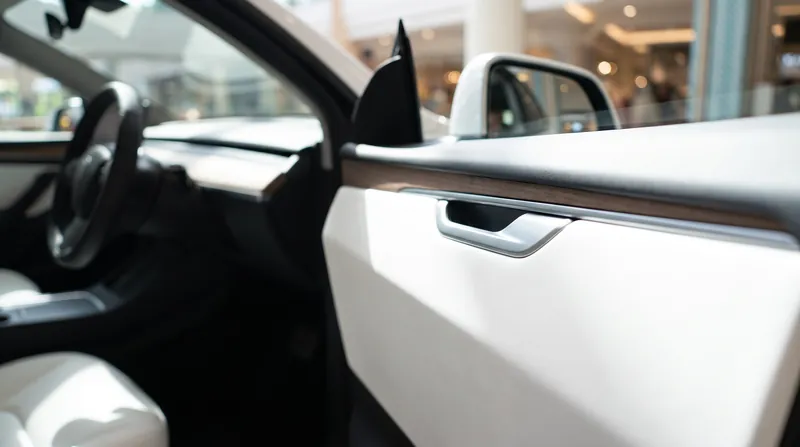
Tesla and Eight Automakers Recall 4.3 Million Vehicles in China to Standardize Emergency Door Releases
8 sources
Electric Aviation
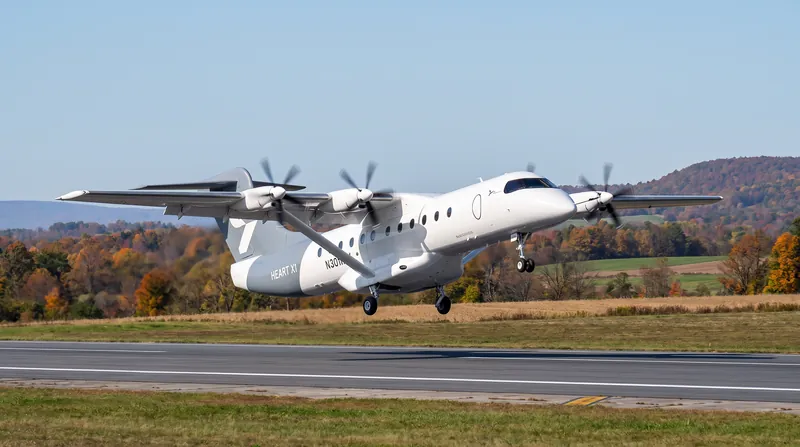
World's Largest All-Electric Plane Completes Maiden Flight on $5 of Electricity
5 sources
USMCA Trade Rules
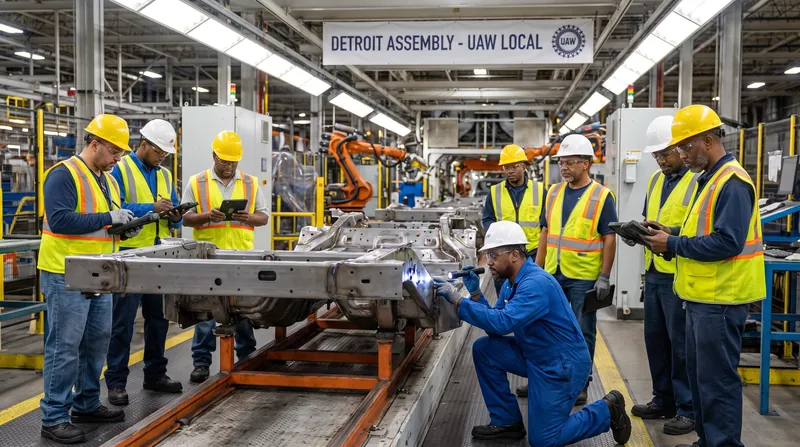
Detroit Automakers Warn Revised USMCA Rules Could Add Billions in Annual Costs
6 sources
Aviation Policy
China's Civil Aviation Regulator Unveils 2026–2030 Plan, Targeting Low-Altitude Economy and Green Tech
6 sources

Comments
Every angle. Every day.
Get Automotive & Transportation stories with full source coverage and perspective breakdowns, free every day.