
At least 12 Injured in Shooting Near Florida A&M University Stadium During Homecoming
Gunfire outside Bragg Memorial Stadium in Tallahassee left a dozen people wounded, including children, disrupting the university's homecoming weekend. Law enforcement has secured the campus while the search for suspects continues.

Share this story
The safety of mass collegiate gatherings relies on a secure perimeter separating sanctioned events from the surrounding city, a boundary that failed in Tallahassee during the 2026 homecoming weekend. Gunfire outside Florida A&M University’s Bragg Memorial Stadium left at least 12 people injured, shattering the institution's celebrations.[1][3]
The incident occurred as an estimated 20,000 students, alumni, and local residents converged on the campus for one of the largest annual events in the region. Emergency responders arrived to find multiple victims suffering from gunshot wounds in the immediate vicinity of the sports complex.[2][6]
Preliminary reports indicate that 11 individuals sustained direct gunshot wounds, while at least one other person was injured during the ensuing chaos. Medical personnel transported the victims to nearby hospitals, triggering emergency protocols across local trauma centers.[2][4]
Among the 12 total casualties, six are reported to be children, escalating the severity of the public safety response. The presence of minors at a late-night collegiate celebration highlights the porous nature of the event's outer security rings.[3]
Law enforcement agencies have not yet released direct quotations or official transcripts from the on-scene commanders, citing the active and fluid nature of the investigation. Authorities are currently prioritizing the stabilization of victims and the securing of the crime scene over public briefings.[1][5]
A Celebration Fractured
Florida A&M University’s homecoming is traditionally an economic and cultural anchor for Tallahassee, drawing tens of thousands of visitors. The violence forced an abrupt halt to the festivities, with university officials issuing immediate campus alerts to shelter in place.[6][7]
Campus police, working in conjunction with the Tallahassee Police Department, established a 12-block cordon around Bragg Memorial Stadium. The lockdown trapped attendees inside secure buildings while tactical units swept the surrounding streets for potential suspects and secondary threats.[6][7]
The shooting exposes the structural vulnerabilities inherent in hosting massive open-air events within dense urban environments. Despite increased police presence for the weekend, the sheer volume of attendees overwhelmed standard access control measures at the stadium's periphery.[1][8]
Investigators are currently reviewing surveillance footage from campus security cameras and soliciting mobile phone video from witnesses. The rapid escalation from a celebratory gathering to a mass casualty event suggests a targeted altercation that indiscriminately caught bystanders in the crossfire.[2][5]
Medical updates on the condition of the injured, particularly the six children, remain tightly controlled by hospital administrators. The local healthcare infrastructure, while equipped for trauma, faced a sudden surge that tested emergency room capacities at the two major trauma centers late into the night.[3][4]
Perimeters and Public Safety
The incident at Florida A&M joins a growing list of violent disruptions at major university events across the United States. Security analysts consistently point to the transition zones—areas between ticketed venues and public streets—as the most difficult spaces to police effectively.[4][8]
Securing these transitional spaces requires a balance between maintaining an open, welcoming campus atmosphere and implementing rigid, airport-style screening. Universities often resist militarizing their borders, but mass casualty events force administrators to reconsider the baseline requirements for public safety.[5][7]
The financial burden of implementing comprehensive security rings around stadiums often falls on the universities and local municipalities. For historically Black colleges and universities like FAMU, these unexpected security costs can strain already tight institutional budgets.[6]
State lawmakers in Florida have previously debated the parameters of campus carry laws and university security funding. This weekend's violence is likely to accelerate legislative scrutiny regarding how state institutions manage their $15 million security funding allocations and emergency response protocols.[1][5]
Community leaders in Tallahassee are calling for a structural review of how city police and campus security coordinate during mega-events. The jurisdictional overlap between university grounds and city streets often complicates both preventive measures and immediate tactical responses.[2][7]
Tracing the Escalation
As the investigation enters its next phase, detectives are focusing on the 30-plus ballistics casings recovered from the streets outside Bragg Stadium. The number of casings and the spread of the victims will help determine whether multiple shooters were involved in the incident.[3][8]
University officials face the immediate challenge of providing psychological support and counseling services to a traumatized student body. The emotional toll of gun violence at a homecoming event extends far beyond the physical injuries, fracturing the sense of community safety.[6][7]
The coming days will require a transparent accounting of how the security perimeter was breached and what measures failed. Administrators must balance the ongoing criminal investigation with the public's demand for actionable safety improvements before the next major campus gathering.[1][4]
For the families of the 12 injured individuals, the focus remains entirely on medical recovery and physical rehabilitation. The inclusion of six children among the casualties ensures that this incident will resonate deeply within the broader Tallahassee community for months.[3][5]
The resolution of this case depends on witness cooperation and the rapid processing of forensic evidence. Until suspects are apprehended and motives clarified, the campus remains in a state of heightened alert, grappling with the aftermath of a shattered celebration.[2][8]
A Community Seeking Answers
The disruption of homecoming carries significant cultural weight for the university network, as alumni travel from across the country to participate. The sudden pivot from celebration to crisis management forces the institution to redirect resources toward emergency communications and victim support.[6]
Local businesses that typically rely on the economic influx of the homecoming weekend were also forced to lock down or close early. The economic ripple effects of the violence compound the immediate tragedy, affecting vendors and hospitality workers throughout the Tallahassee area.[7]
Law enforcement officials are urging anyone with digital media from the event to submit their files to a centralized investigative portal. The ubiquity of smartphones means that the moments leading up to the gunfire were likely captured, providing crucial leads for detectives.[2][5]
Law enforcement officials are urging anyone with digital media from the event to submit their files to a centralized investigative portal.
Key points
- Gunfire outside Bragg Memorial Stadium left at least 12 people injured during the university's homecoming weekend.
- Half of the reported casualties are children, escalating the severity of the medical and law enforcement response.
- The violence forced an immediate lockdown of the campus, halting one of Tallahassee's largest annual cultural events.
- Investigators are currently reviewing surveillance footage to determine how the security perimeter was breached.
Unanswered questions
- The exact number of shooters involved and their potential motives.
- Whether the suspects were affiliated with the university or attendees of the homecoming event.
- The current medical conditions of the six children transported to local trauma centers.
- Campus Security Advocates
- Emphasize the need for expanded, hardened perimeters around university events.
- Community Leaders
- Focus on the broader societal issues of gun violence and the trauma inflicted on local youth.
- Law Enforcement
- Prioritize the immediate stabilization of the crime scene and the rapid processing of forensic evidence.
Perspectives this story doesn't cover
- Families of the victims
- Event security contractors
- Student body representatives
Sources
Source coverage
8 outlets
3 viewpoints surfaced







- [1]AP NewsLaw Enforcement
At least 12 people injured in shooting near Florida football stadium
Read on AP News → - [2]CNNLaw Enforcement
11 people shot near Florida university stadium in Tallahassee
Read on CNN → - [3]CBS NewsCommunity Leaders
At least 12 injured, including 6 children, in a shooting near Florida A&M University
Read on CBS News → - [4]The GuardianCommunity Leaders
Eleven sustain gunshot wounds in shooting near Florida university
Read on The Guardian → - [5]WUSFCampus Security Advocates
At least 12 people injured in shooting near Florida football stadium
Read on WUSF → - [6]HBCU GamedayLaw Enforcement
FAMU homecoming: Police confirm shooting near Bragg Stadium
Read on HBCU Gameday → - [7]FOX 13 NewsCampus Security Advocates
Several hurt in shooting near FAMU's football stadium
Read on FOX 13 News → - [8]XinhuaLaw Enforcement
At least 12 injured in shooting near Florida university stadium
Read on Xinhua →

More in News & Politics
See all →Election Integrity
Justice Department Sues to Block Alaska Senate Certification Over Ballot Confusion
6 sources
Voter ID Laws
Supreme Court Permits New Hampshire Ban on Student IDs for Voting Ahead of Midterms
4 sources
Congressional Investigations
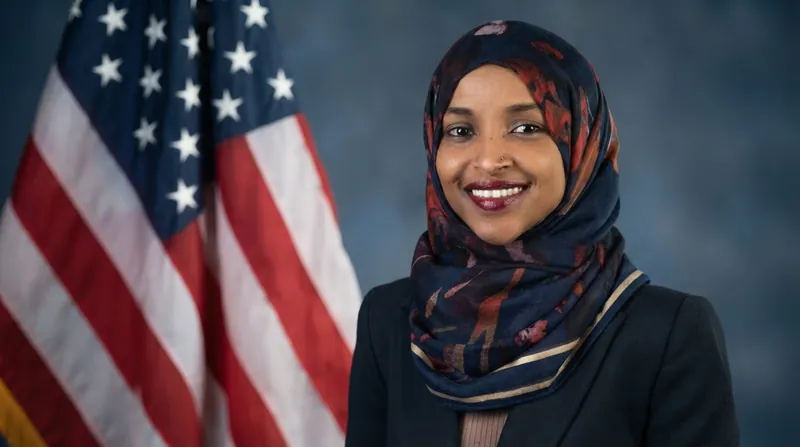
Rep. Ilhan Omar Relocates From Washington Residence Following Federal Search
5 sources
Data Privacy
New Mexico Judge Orders Meta to Pay $25 Billion Over Cambridge Analytica Privacy Violations
6 sources
Comments
Every angle. Every day.
Get News & Politics stories with full source coverage and perspective breakdowns, free every day.