
Goldman Sachs Lowers South Korea Kospi Target by 25 Percent Amid AI Trade Retreat
Strategists have cut their 12-month forecast for the benchmark index to 9,000 following a steep decline in semiconductor stocks. Despite the downgrade, analysts maintain that the market remains deeply undervalued with significant upside potential.
Share this story
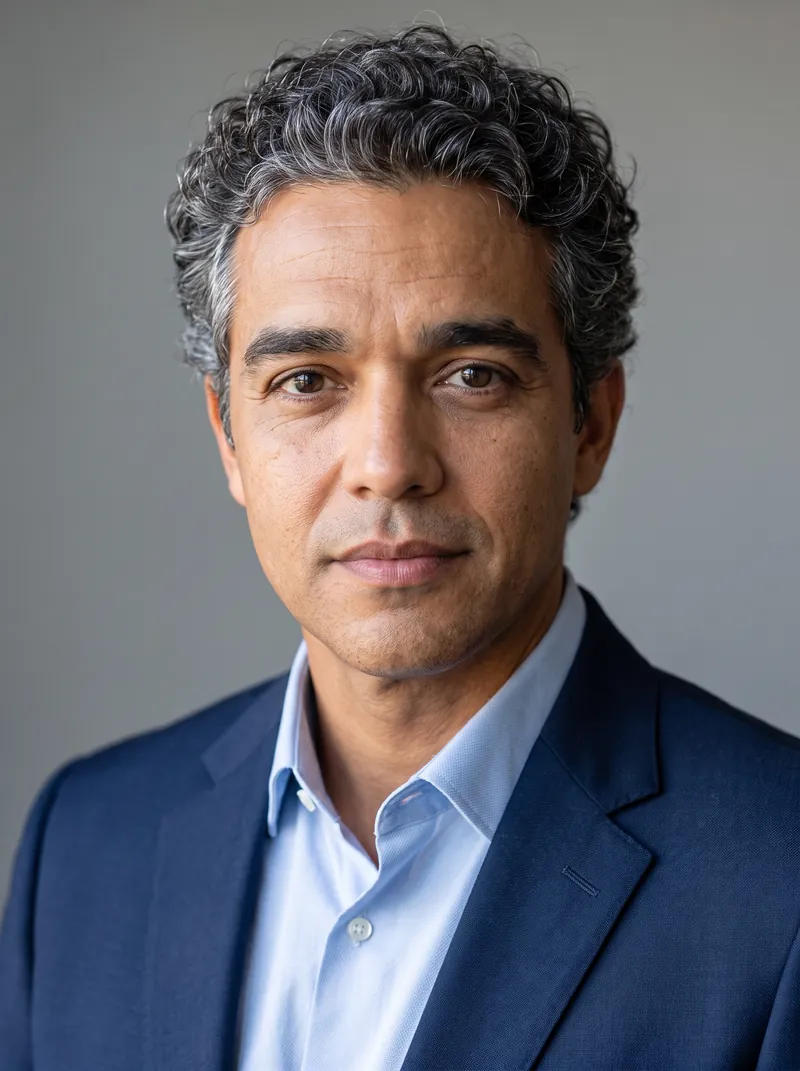
Goldman Sachs strategists have lowered their 12-month target for South Korea's Kospi index by 25 percent to 9,000, resetting market expectations amid a broader retreat in artificial intelligence investments. The revision, led by chief Asia-Pacific equity strategist Timothy Moe, marks a sharp reversal from multiple target upgrades issued earlier in 2026.[1][2]
The decision follows a steep decline in the benchmark index, which has fallen more than 35 percent from its June peak. Institutional investors are increasingly scrutinizing the sustainability of the massive infrastructure spending required for AI data centers, alongside rising global financing costs.[2][3]
South Korea's equity market is heavily weighted toward semiconductor giants like Samsung Electronics and SK Hynix, making it highly sensitive to shifts in global technology sentiment. The selling pressure on these bellwethers has spilled over into the broader Korean market, prompting analysts to apply more conservative valuation assumptions.[1][2]
Despite the substantial downgrade, Goldman Sachs maintains that the recent selloff has left South Korean equities deeply undervalued. The revised 9,000-point target still implies an upside of more than 60 percent from current trading levels, suggesting a significant recovery potential for patient capital.[2][3]
Reassessing the AI Premium
The Kospi's 12-month forward price-to-earnings ratio has dropped to approximately four times, a valuation floor not seen across major markets since 2006. The index began 2026 with a total market capitalization exceeding $1 trillion before the technology-led correction erased significant value.[2]
Strategists estimate that current semiconductor valuations imply a 65 percent decline in the sector's 2027 earnings. Goldman Sachs considers this scenario excessively pessimistic, suggesting that the market is pricing in an overly negative fundamental outlook that ignores the structural demand for computing power.[2]
Large cloud service providers and hyperscalers are expected to maintain their capital expenditures, which analysts project will rise to $1.2 trillion next year. This sustained investment is necessary to support compute-intensive AI models, driving continued demand for the high-bandwidth memory chips produced in South Korea.[4]
"The market is pricing an overly negative fundamental outlook," the Goldman strategists wrote in their October 25 note. They explained that the target reduction incorporates more conservative assumptions about how the market may price underlying fundamentals, while still offering an attractive risk-to-reward ratio.[2]
Divergence Beyond Semiconductors
Companies outside the memory chip sector, which account for roughly half of the Kospi's weighting, are currently trading at 7.6 times forward earnings. This bifurcation highlights the outsized impact that semiconductor sentiment is having on the broader national index, masking resilience in other industries.[1][2]
The rapid shift in sentiment underscores how quickly the artificial intelligence narrative is evolving from unbridled optimism to strict financial scrutiny. Investors are demanding clearer timelines for when massive capital expenditures will translate into tangible returns, punishing markets that rely heavily on future growth projections.[2][3]
Earlier this year, Goldman Sachs had identified South Korea as its highest-conviction equity market in the Asia-Pacific region. The bank had repeatedly raised its Kospi target, maintaining a 12,000-point forecast even as the global technology selloff began in late June, before finally capitulating to the sustained downward pressure.[2][3]
The downgrade aligns with broader market volatility, as global hedge funds recently experienced their worst performance across major strategies since the pandemic-era market collapse. Technology shares have borne the brunt of this correction, pulling down related indices worldwide and forcing a recalibration of risk assets.[4]
Identifying Defensive Opportunities
Despite lowering the headline index target, Goldman Sachs continues to identify specific opportunities within the South Korean market. The bank favors sectors such as power generation, industrials, and companies poised to benefit from domestic economic reflation as the central bank adjusts monetary policy.[1][2]
Corporate governance-related stocks and enterprises tied to Korean popular culture also remain on the firm's recommended list. These sectors offer potential insulation from the cyclical volatility currently affecting the semiconductor industry, providing alternative avenues for growth in a constrained environment.[1][2]
The revised outlook presents a complex scenario for institutional and retail investors navigating the South Korean market. While the headline target cut signals caution, the underlying analysis suggests a rare entry point for long-term capital willing to weather near-term fluctuations.[2][3]
The duration of the current earnings cycle remains a critical variable, with some analysts arguing that the market is underestimating how long the memory semiconductor boom will last. Supply shortages for memory and storage devices are expected to intensify next year as data center construction accelerates globally.[4]
The Path to Recovery
If institutional risk appetite translates into actual capital inflows, the deeply discounted Kospi could experience a sharp rebound toward the 9,000-point target. However, if the preference for safe-haven assets persists amid high funding costs, the recovery may be delayed, leaving the index range-bound.[4]
The ultimate trajectory of the Kospi will depend heavily on the upcoming quarterly earnings reports from global technology leaders. These disclosures will provide concrete data on whether AI infrastructure spending is generating the revenue growth required to justify current valuations and reignite the semiconductor trade.[1][2]
For now, the South Korean market serves as a real-time barometer for the global artificial intelligence industry. As capital markets transition from funding theoretical potential to demanding proven profitability, the Kospi's performance will indicate whether the AI trade is merely pausing or fundamentally resetting.[2][3]
Key points
- Goldman Sachs lowered its 12-month target for South Korea's Kospi index by 25 percent to 9,000 amid concerns over artificial intelligence infrastructure spending.
- The revision follows a 35 percent decline in the benchmark index from its June peak, prompting more conservative valuation assumptions.
- Despite the downgrade, strategists maintain that the market is deeply undervalued, with the revised target implying over 60 percent upside.
- The bank continues to favor non-memory sectors, including power generation, industrials, and corporate governance-related stocks.
What we don’t know
- Whether upcoming quarterly earnings from global technology leaders will justify the massive AI infrastructure spending currently underway.
- How long the current supply shortage for high-bandwidth memory chips will persist before capacity catches up with demand.
- If the broader South Korean market can decouple from the semiconductor sector's volatility in the near term.
How we got here
January 2026
The Kospi index begins the year with a total market capitalization exceeding $1 trillion amid soaring optimism for AI-driven memory chip demand.
June 2026
The benchmark index reaches its peak; Goldman Sachs maintains a bullish 12,000-point target despite early signs of a global technology selloff.
August 2026
South Korea's Kospi triggers circuit breakers following a 7.6 percent drop as semiconductor giants plunge on funding concerns.
October 25, 2026
Goldman Sachs cuts its 12-month Kospi target by 25 percent to 9,000, citing more conservative valuation assumptions as the AI trade unravels.
- Valuation Optimists
- Argue that the recent selloff is an overreaction, leaving the market deeply discounted and primed for a significant rebound.
- AI Skeptics
- Believe that the massive capital expenditures required for AI infrastructure are unsustainable, justifying a retreat from semiconductor-heavy indices.
- Sector Rotators
- Focus on finding value in non-memory sectors like industrials and power generation that are insulated from tech volatility.
Perspectives this story doesn't cover
- Retail investors in South Korea
- Executives at major semiconductor manufacturing firms
Sources
Source coverage
5 outlets
3 viewpoints surfaced




- [1]Investing.comAI Skeptics
Goldman Sachs cuts Kospi target by 25% amid AI stock selloff
Read on Investing.com → - [2]The Edge MalaysiaValuation Optimists
Goldman cuts Kospi 12-month target by 25% as AI trade unravels
Read on The Edge Malaysia → - [3]TokenPostValuation Optimists
Goldman Sachs Cuts 12-Month KOSPI Target by 25% to 9,000
Read on TokenPost → - [4]FutubullSector Rotators
Goldman Sachs cuts 12-month target for South Korea's KOSPI Index by 25%
Read on Futubull → - [5]NewsBytesSector Rotators
Goldman Sachs cuts South Korea Kospi target to 9,000
Read on NewsBytes →

More in Business
See all →Sovereign Debt
Moody's Retains France Aa3 Sovereign Rating With Warning Amid Escalating Yield Pressures
7 sources

Corporate Liquidation
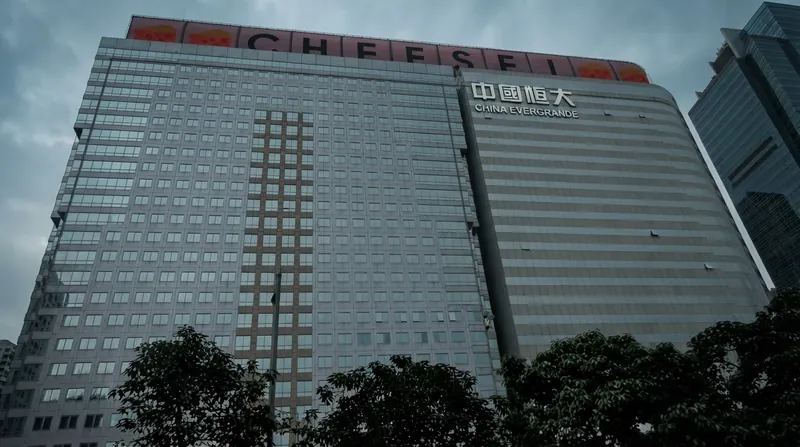
Evergrande Liquidators Prepare 2027 Payout Covering Under 1% of Offshore Creditor Claims
4 sources
Telecom IPOs
Jio Platforms IPO Sells Out Within 100 Minutes in India's Largest Share Offering
7 sources
Auto Industry
GM Stock Tumbles on Narrowed Profit Forecast Despite $20 Billion Share Buyback
7 sources

Comments
Every angle. Every day.
Get Business stories with full source coverage and perspective breakdowns, free every day.