
American League Wild Card Race Tightens as Midsummer Trade Deadline Looms
A crowded American League Wild Card picture has emerged as the season reaches its midpoint, with the Royals, Twins, Red Sox, and a surging Astros squad battling for the final postseason berths.
By Xia Wu

Share this story
As Major League Baseball rounds the corner toward the midsummer classic, the American League Wild Card race has devolved into a thrilling, high-stakes traffic jam. Thanks to the expanded postseason format introduced in recent years, the middle of the AL standings is packed with teams refusing to fold, turning the upcoming trade deadline into a complex puzzle for front offices.[1]
At the top of the Wild Card heap sits the loser of the heavyweight bout currently taking place in the AL East. With the New York Yankees and Baltimore Orioles trading blows for the division crown, whichever powerhouse falls short is virtually guaranteed to host the first Wild Card series. That leaves just two remaining tickets to October for a sprawling pack of contenders.[1]
The most pleasant surprise of the summer has been the resurgence of the American League Central. Long derided as baseball's weakest division, the Central has transformed into a gauntlet. The Cleveland Guardians, Minnesota Twins, and Kansas City Royals are all playing winning baseball, threatening to swallow up multiple postseason berths.
The Royals, in particular, have captured the league's attention. Powered by the MVP-caliber play of shortstop Bobby Witt Jr. and a surprisingly resilient starting rotation, Kansas City has held onto a playoff spot far longer than preseason prognosticators expected. Their success has forced the front office to shift from a rebuilding mindset to actively seeking bullpen reinforcements.
Meanwhile, the Minnesota Twins are relying on their depth to weather a storm of midsummer injuries. Despite inconsistent stretches, the Twins have managed to keep their heads above water, clinging to the third and final Wild Card spot. Their front office is banking on the eventual return of key stars to provide an organic boost down the stretch.
Looming ominously in the rearview mirror of the entire league are the Houston Astros. After a disastrous opening two months that had some analysts prematurely writing their obituary, the perennial AL juggernaut has awakened. Houston has surged back over the .500 mark, applying immense pressure to the Seattle Mariners and Texas Rangers in the AL West, while simultaneously crashing the Wild Card party.[1][2]
The Boston Red Sox remain the ultimate wild card in the Wild Card race. Hovering stubbornly around the .500 mark, Boston has relied on a mix of breakout performances from young talent and veteran starting pitching to stay within striking distance. Manager Alex Cora has kept the clubhouse focused on the daily grind, knowing that a single hot week could vault them firmly into playoff position.
This logjam has fundamentally altered the calculus of the July trade deadline. In previous eras, teams hovering around .500 at midsummer would readily declare themselves sellers, offloading expiring contracts for prospects. Now, with the third Wild Card spot dangling just a few games out of reach, front offices are paralyzed by indecision.
Teams like the Tampa Bay Rays and Detroit Tigers find themselves trapped in this 'dreaded middle.' They are close enough to taste the postseason, yet flawed enough to question whether mortgaging their future for a rental player is a wise investment. The coming weeks will force these organizations to pick a lane, and their choices will dictate the flow of talent across the league.
As the dog days of summer set in, the American League Wild Card race promises daily scoreboard watching. With every series carrying outsized weight, the expanded playoff format is delivering exactly what it was designed to do: keeping fanbases engaged, raising the stakes of regular-season baseball, and ensuring a chaotic sprint to the finish line.[1]
The essentials
- The AL East runner-up is heavily favored to secure the top Wild Card spot.
- The Guardians, Twins, and Royals have turned the AL Central into a multi-bid division.
- The Houston Astros have erased a poor start to crash the Wild Card picture.
- The Boston Red Sox remain in the hunt, hovering around the .500 mark.
- The expanded playoff format is complicating 'buy or sell' decisions ahead of the trade deadline.
Timeline
April 2026
The Astros stumble out of the gate, falling well below .500 and sparking early panic.
May 2026
The Royals emerge as a legitimate threat, powered by an MVP-level start from Bobby Witt Jr.
June 2026
The AL Central solidifies as a three-team race, with the Guardians, Twins, and Royals all surging.
July 2026
The Astros cross back over the .500 mark, tightening the Wild Card race ahead of the trade deadline.
- Aggressive Contenders
- Teams that view the expanded playoffs as a mandate to acquire talent and push for October.
- Cautious Front Offices
- Teams paralyzed by hovering near .500, unsure whether to mortgage their future for a slim playoff chance.
- Hopeful Fanbases
- Supporters of fringe teams who believe a single hot streak can save their season.
Perspectives this story doesn't cover
- Minor league prospects whose careers are stalled or accelerated based on trade deadline decisions.
- Small-market ownership groups balancing the financial windfall of a playoff appearance against long-term payroll flexibility.
Sources
Source coverage
2 outlets
3 viewpoints surfaced


- [1]MLB.comHopeful Fanbases
2026 MLB Standings and Records: Wild Card
Read on MLB.com → - [2]ESPNAggressive Contenders
Astros surge back into the AL playoff picture
Read on ESPN →
More in Sports
See all →Standings
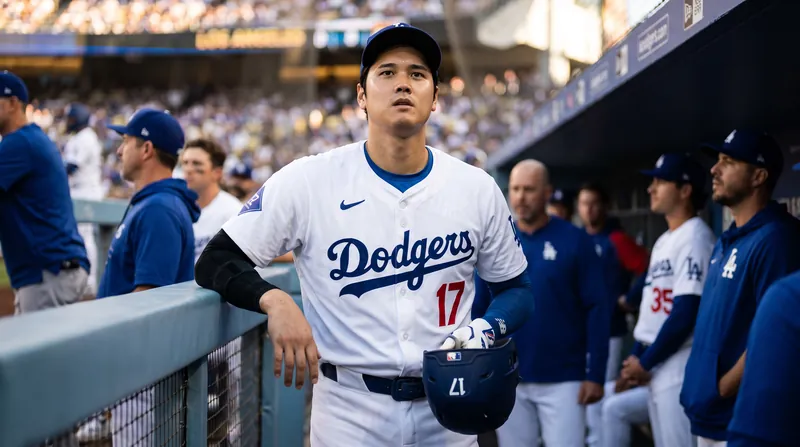
MLB Playoff Picture: AL West Deadlocked and NL Wild Card Chaos Define Final Weekend
7 sources
Storyline
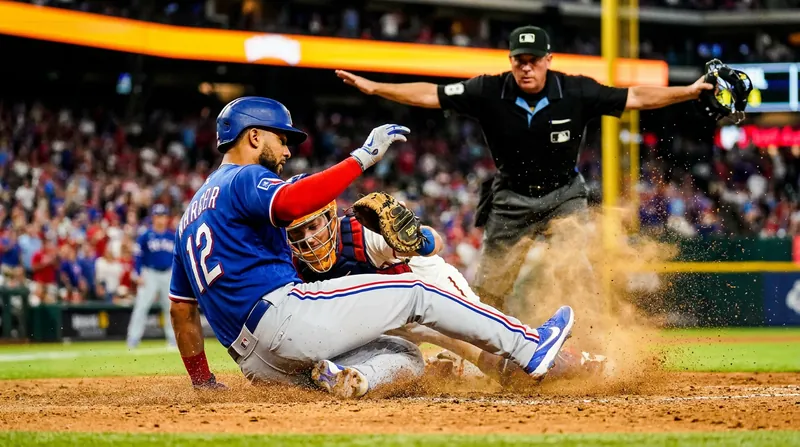
Chris Sale Ties Randy Johnson's Strikeout Record as Justin Verlander Sets Final Farewell
7 sources
Preview
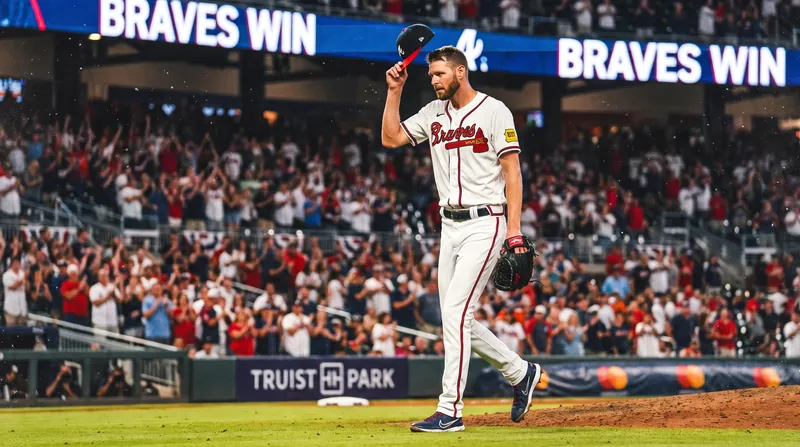
Shohei Ohtani Returns as Dodgers and Padres Clash in High-Stakes September Preview
6 sources
Recap
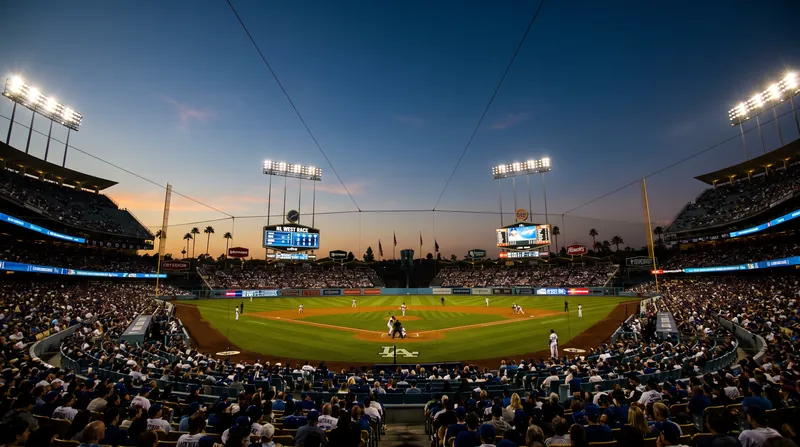
Bo Davidson Makes Historic MLB Debut as Giants Snap Losing Streak Against Twins
6 sources
Comments
Every angle. Every day.
Get Sports stories with full source coverage and perspective breakdowns, free every day.