full timeline
Voter backlash against AI data centers
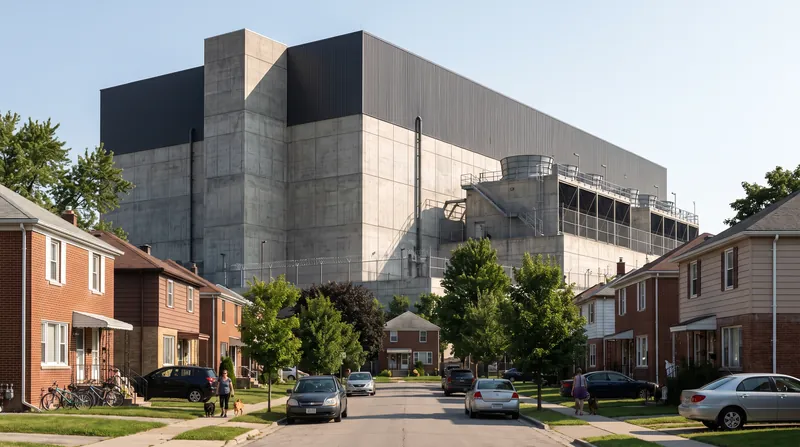
Local communities and voters are increasingly organizing ballot measures and protests to oppose the construction of new artificial intelligence data centers.
Follow Voter backlash against AI data centers in the Factlen app and get an alert when there is news. Get the app
Share this story
Latest
On November 5, by 12:50 UTC, OpenAI released a National Community Compact and a Compute Campus Policy Blueprint, establishing new transparency and resource commitments for its future data centers. The company pledged to pay the full cost of its electricity and necessary grid upgrades to protect residents from potential rate spikes, introducing a Grid Protectors Program to shield residential utility customers. The framework requires a locally tailored version of the compact at every future campus OpenAI owns and operates.
OpenAI formally banned the use of non-disclosure agreements with public officials when negotiating new projects, a policy shift detailed by November 6 at 01:52 UTC. The company committed to publishing site-specific water and power usage, prioritizing low-water cooling systems, establishing local hiring targets, and mandating comprehensive environmental disclosures and formal engagement with local labor unions before construction begins. Chris Lehane, OpenAI's chief global affairs officer, stated the policies stem from months of discussions with local residents and officials in states impacted by the data center boom.
The blueprint also urges federal and state policymakers to adopt similar requirements. OpenAI recommended that utility commissions create large-load tariffs to ensure major electricity users pay for their incremental grid costs, alongside clear public explanations of cost allocations. The company conceded that voluntary corporate promises cannot provide communities with lasting assurances at the scale needed, marking a departure from earlier industry negotiations.
How the story developed
By August 27, residents in multiple states were bypassing city councils to restrict or permanently ban data center construction at the ballot box, responding to the massive energy and water demands of artificial intelligence infrastructure. Voters in at least 10 municipalities across seven states were deciding on ballot measures, aiming to prevent future city councils from quietly approving tech developments against community wishes. At the time, 40 states had some form of active data center ban or moratorium in place.
Early indicators of voter sentiment included a June poll finding that 57 percent of Americans opposed having a data center built in their community. In Monterey Park, California, a permanent, voter-enacted ban on data centers passed with 86 percent support. The tech industry argued that these bans harm economic development and block critical artificial intelligence infrastructure.
During the midterm elections in early November, voters across the United States approved dozens of local ballot measures restricting or banning data center construction. Exit polling indicated that 56 percent of midterm voters considered artificial intelligence and data centers a major factor in their decisions.
The election results revealed sweeping bipartisan resistance to the physical footprint of the artificial intelligence boom. Voters in 44 out of 45 municipalities with data center ballot measures chose to restrict or ban new construction. Ohio saw the most concentrated opposition, with over a dozen communities enacting zoning restrictions or outright bans on hyperscale facilities.
Candidates who promised development moratoriums also secured victories. Democratic gubernatorial candidates who campaigned on data center moratoriums or strict regulations won races in key tech hubs, including Texas, Ohio, and Georgia. These electoral outcomes put roughly half of proposed artificial intelligence data center additions under threat of stricter local scrutiny.
What to watch
- Federal and state policymakers' response to OpenAI's recommendation to adopt industry-wide transparency and resource requirements.
- Utility commissions' potential creation of large-load tariffs to ensure major electricity users pay for incremental grid costs.
- The implementation of locally tailored community compacts and formal labor union engagements at every future campus OpenAI owns and operates.
Where things stand
OpenAI Pledges Data Center Reforms Following Midterm Voter Backlash
Key point: OpenAI has introduced a new policy framework committing to pay full infrastructure costs and increase transparency for its data centers following widespread voter opposition.
OpenAI has released a National Community Compact and a Compute Campus Policy Blueprint, establishing new transparency and resource commitments for its future data centers. The framework, published on Thursday, outlines how the company will engage with local communities and manage the environmental impact of its physical infrastructure. It requires a locally tailored version of the compact at every future campus OpenAI owns and operates.
Under the compact, OpenAI pledges to pay the full cost of its electricity and necessary grid upgrades, protecting residents from potential rate spikes. The company also committed to eliminating nondisclosure agreements with public officials, publishing site-specific water and power usage, prioritizing low-water cooling systems, and establishing local hiring targets. Chris Lehane, OpenAI's chief global affairs officer, stated the policies stem from months of discussions with local residents and officials in states impacted by the data center boom.
The accompanying blueprint extends these principles to the broader industry, urging federal and state policymakers to adopt similar requirements. OpenAI recommended that utility commissions create large-load tariffs to ensure major electricity users pay for their incremental grid costs, alongside clear public explanations of cost allocations. The company conceded that voluntary corporate promises cannot provide communities with lasting assurances at the scale needed, marking a significant departure from the opacity of earlier industry negotiations.
The policy shift follows a massive voter backlash against AI infrastructure during the United States midterm elections earlier in the week. Voters overwhelmingly rejected data center expansions in 40 out of 41 local ballot measures spread across 10 states. Additionally, Democratic candidates who campaigned on data center moratoriums or strict regulations won gubernatorial races in key states like Texas, Ohio, and Georgia, putting roughly half of proposed AI data center additions under threat of stricter local scrutiny.
Charts, maps and images
Show 1 moreShow fewer
Timeline
November 2026
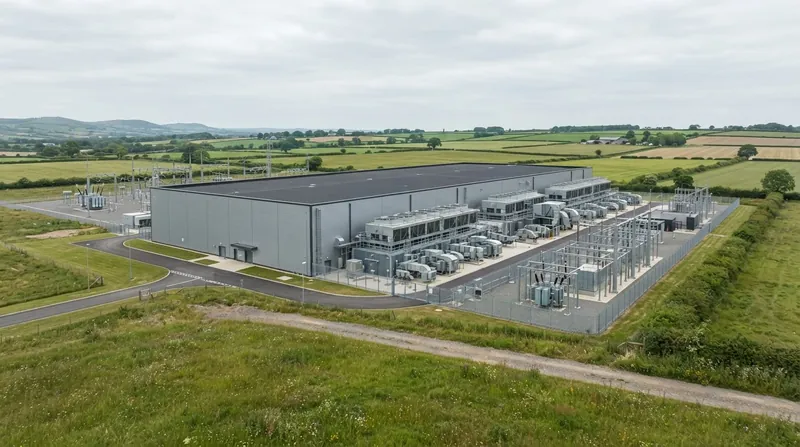
OpenAI Abandons Non-Disclosure Agreements for Data Center Projects After Midterm Pushback
AILocal communities and voters are increasingly organizing ballot measures and protests to oppose the construction of new artificial intelligence data centers.
AI- OpenAI Pledges Data Center Reforms Following Midterm Voter BacklashKey point: OpenAI has introduced a new policy framework committing to pay full infrastructure costs and increase transparency for its data centers following widespread voter opposition.
August 2026
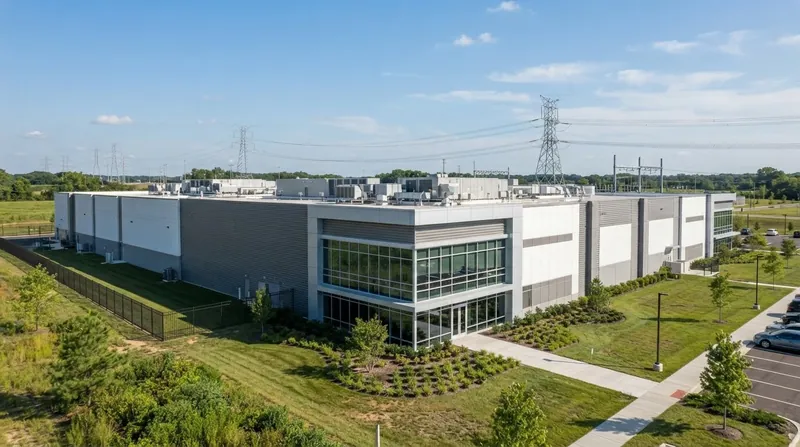
How Local Voters Are Using Ballot Measures to Ban New Data Centers