full timeline
US–Iran military conflict
Tensions between the United States and Iran have escalated into direct military strikes following the breakdown of diplomatic negotiations.
Follow US–Iran military conflict in the Factlen app and get an alert when there is news. Get the app
Share this story
Latest
On Tuesday evening, President Donald Trump spoke to the Financial Times, declaring he had no immediate plans to order further military strikes on Iran. While stating that United States forces remain "locked and loaded," Trump suggested there may be no reason for an imminent attack and described the situation in the Persian Gulf as "brilliant," with oil continuing to reach global markets under United States military escort. Acknowledging the war contributed to his party's electoral losses, Trump maintained the conflict was worth it and said he would make the same decision again. By Wednesday, November 4, Trump warned that American forces could still deliver a heavy hit.
On Wednesday, November 4, Iran's Islamic Revolutionary Guard Corps claimed that four commercial oil tankers caught fire and were destroyed after striking naval mines in the Strait of Hormuz. The paramilitary group stated the vessels hit the explosives while attempting to navigate a prohibited passage south of the strategic waterway, adding that Iranian forces intercepted and halted two additional non-compliant ships. The Iranian military did not identify the destroyed vessels or provide casualty figures.
Early Wednesday morning, the Islamic Revolutionary Guard Corps announced it had shot down a United States MQ-9 Reaper drone over the strait. Following the United States midterm elections, Iranian officials asserted that American voters had rejected the war at the ballot box, while adding that Tehran remains ready for battle.
How the story developed
The conflict escalated into direct military strikes following the breakdown of diplomatic negotiations in Switzerland. The peace talks abruptly collapsed when the Iranian delegation walked out. Despite the stall in Switzerland, indirect diplomatic talks have continued via Qatari mediators. Meanwhile, Iran has demanded an end to American naval blockades and oil sanctions.
In the Strait of Hormuz, a critical chokepoint for global energy supplies, commercial traffic dropped significantly as the conflict began. The region experienced a surge in maritime attacks, including a projectile strike on a tanker near Oman and an attack that killed an Indian seafarer on Monday.
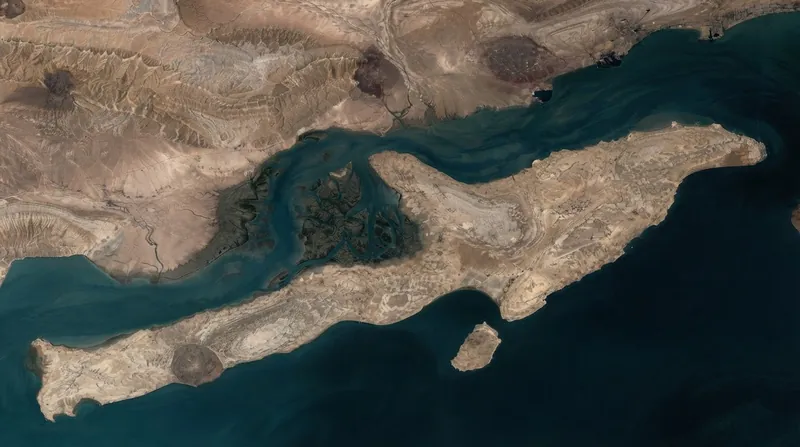
Late Monday, United States forces launched limited airstrikes against Iranian surface-to-air missile batteries on Qeshm Island. United States officials described the bombardment as a defensive measure taken after Iranian forces fired on an American jet fighter. The strikes occurred on the eve of the United States midterm elections.
The ongoing conflict drove up global oil prices and consumer costs, playing a significant role in the United States midterm elections. The Republican Party lost control of Congress as Democrats achieved historic victories nationwide. Vice President JD Vance explicitly blamed the conflict for the defeat, noting voters wanted to end the war and focus on domestic inflation. Senate Minority Leader Chuck Schumer heralded the Democratic victory as a clear mandate from voters to change the nation's course.
What to watch
- With Democrats preparing to take power and having previously voted to restore war powers to Congress, the incoming legislative majority is expected to pursue de-escalation in the conflict.
Where things stand
Iran Claims Four Commercial Tankers Destroyed by Naval Mines in Strait of Hormuz
Key point: Iran's Revolutionary Guard Corps claims four commercial oil tankers were destroyed by naval mines in the Strait of Hormuz after attempting to navigate a prohibited passage.
Four commercial oil tankers caught fire and were destroyed after striking naval mines in the Strait of Hormuz on Wednesday, according to Iran's Islamic Revolutionary Guard Corps. The paramilitary group stated that the vessels were attempting to navigate a prohibited passage south of the strategic waterway when they hit the explosives. Two additional non-compliant ships were also reportedly intercepted and halted by Iranian forces.
The Iranian military did not identify the destroyed vessels by name or flag, nor did it provide casualty figures for the crews involved. In a statement broadcast on state television, the IRGC claimed the ships had violated regulations by taking unauthorized routes. The group also announced it had shot down a United States MQ-9 Reaper drone over the strait early Wednesday morning.
The destruction of the tankers threatens to reignite direct military confrontation just as the conflict appeared to be cooling. Despite earlier indications that Washington might pause its offensive operations, United States President Donald Trump warned on Wednesday that American forces could still deliver a heavy hit. Iranian officials responded by asserting that American voters had rejected the war at the ballot box, though Tehran remains ready for battle.
The Strait of Hormuz remains a critical chokepoint for global energy supplies, though commercial traffic has dropped significantly since the conflict began. The region has seen a surge in maritime attacks in recent days, including a projectile strike on a tanker near Oman and an attack that killed an Indian seafarer on Monday. Indirect negotiations between Washington and Tehran remain stalled, with Iran demanding an end to American naval blockades and oil sanctions.
Trump Declares No Immediate Plans for Further Iran Strikes Following Electoral Rout
Key point: President Donald Trump announced he has no immediate plans for further military strikes on Iran following a midterm election defeat that he acknowledged was partly driven by voter opposition to the war.
President Donald Trump has declared that he has no immediate plans to order further military strikes on Iran, despite previously keeping the option open ahead of the U.S. midterm elections. Speaking to the Financial Times on Tuesday evening, Trump stated that U.S. forces remain "locked and loaded" but suggested there may be no reason for an imminent attack.
Trump described the current situation in the Persian Gulf as "brilliant," noting that oil continues to reach global markets under U.S. military escort through the Strait of Hormuz. However, he acknowledged that the ongoing conflict with Iran played a significant role in the Republican Party's bruising losses in the midterm elections. Despite losing control of Congress, the president maintained that the war has been worth it and stated he would have made the same decision again.
The decision to hold off on further strikes marks a shift in tone following the electoral rout, which saw Democrats flip control of Congress and achieve historic victories nationwide. With Democrats preparing to take power and having previously voted to restore war powers to Congress, the incoming legislative majority is expected to pursue de-escalation in the conflict.
The midterm results have been widely interpreted as a voter rebuke of the administration's handling of the Iran war, which has driven up global oil prices and consumer costs. Vice President JD Vance explicitly blamed the conflict for the GOP's defeat, noting that voters wanted to end the war and focus on domestic inflation. Meanwhile, Senate Minority Leader Chuck Schumer heralded the Democratic victory as a clear mandate from voters to deliver on their priorities and change the nation's course.
Charts, maps and images
Timeline
November 2026
Tensions between the United States and Iran have escalated into direct military strikes following the breakdown of diplomatic negotiations.
AI- Trump Declares No Immediate Plans for Further Iran Strikes Following Electoral RoutKey point: President Donald Trump announced he has no immediate plans for further military strikes on Iran following a midterm election defeat that he acknowledged was partly driven by voter opposition to the war.
- Iran Claims Four Commercial Tankers Destroyed by Naval Mines in Strait of HormuzKey point: Iran's Revolutionary Guard Corps claims four commercial oil tankers were destroyed by naval mines in the Strait of Hormuz after attempting to navigate a prohibited passage.