full timeline
NASA Swift telescope reentry
Follow NASA Swift telescope reentry in the Factlen app and get an alert when there is news. Get the app
Share this story
Latest
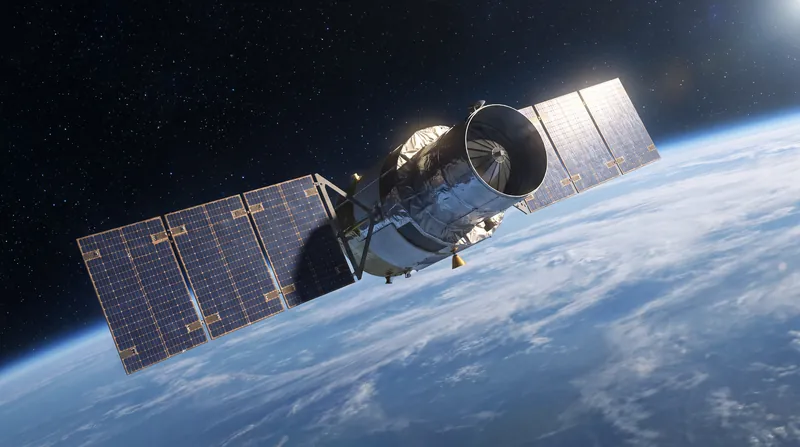
By 17:33 UTC on November 3, mission controllers confirmed that NASA's Neil Gehrels Swift Observatory is scheduled to re-enter Earth's atmosphere and burn up on November 4. The 1,470-kilogram spacecraft is expected to largely disintegrate during the disposal process.
This scheduled reentry follows the official conclusion of the observatory's science operations by 23:36 UTC on October 23. The telescope's orbit had decayed to an unsustainable altitude of 171 miles, bringing an end to a mission that mapped the universe's most powerful explosions.
How the story developed
Launched in 2004, the Neil Gehrels Swift Observatory spent more than two decades observing astrophysics phenomena. Over its operational lifetime, the telescope rapidly detected over 2,000 gamma-ray bursts and contributed data to approximately 7,000 published scientific papers.
In recent years, increased solar activity caused Earth's atmosphere to expand, which increased atmospheric drag on the satellite. This drag led to a rapid decay of the observatory's orbit, threatening its continued operation in space.
To address the decaying orbit, NASA and Katalyst Space Technologies initiated the Swift Boost rescue mission, a $30 million commercial effort intended to raise the aging satellite's altitude. The mission utilized a rescue spacecraft named LINK, which was designed to dock with the telescope.
On August 22, the rescue mission was officially canceled. The LINK spacecraft suffered critical reaction wheel failures, which prevented it from safely docking with the observatory.
The failure of the rescue mission sealed the observatory's fate, leaving it to succumb to atmospheric drag. Initially projected to burn up as early as October, the spacecraft continued its unpowered descent toward Earth.
What to watch
- Any surviving fragments of the spacecraft are expected to fall safely into an ocean corridor.
- The LINK spacecraft will conduct proximity operations to gather data on autonomous rendezvous techniques.
Key numbers
From: NASA Aborts Swift Telescope Rescue Mission, Sealing Observatory's Fiery Re-Entry
Charts, maps and images
Timeline
November 2026
NASA's 22-Year-Old Swift Space Telescope Set for Atmospheric Reentry on November 4
October 2026
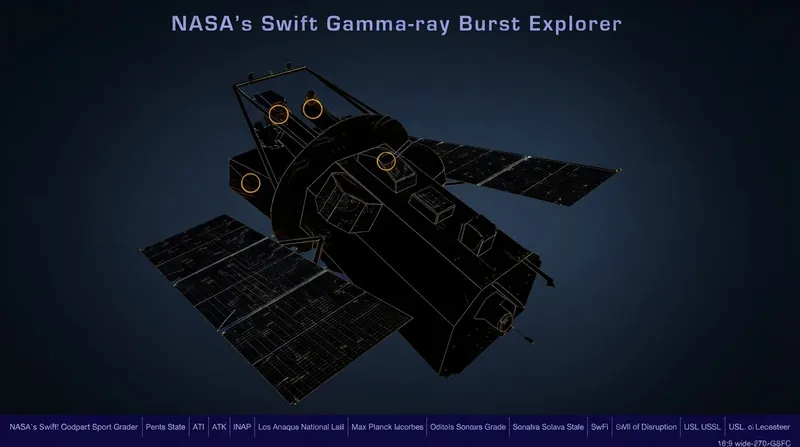
NASA Swift Observatory Concludes Science Mission After Orbital Decay
August 2026
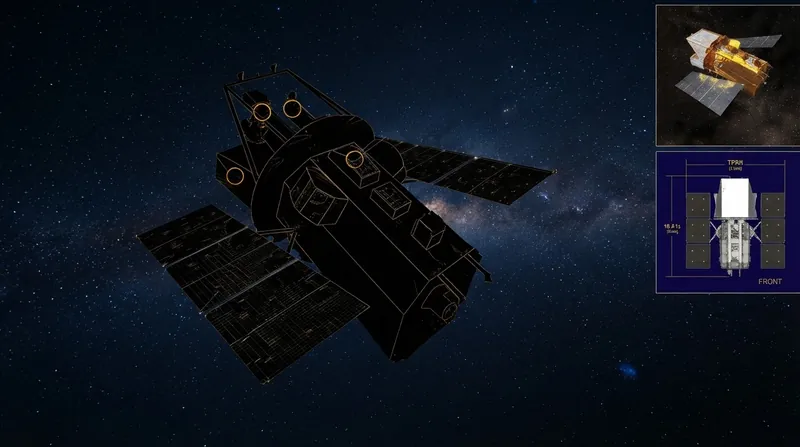
NASA Aborts Swift Telescope Rescue Mission, Sealing Observatory's Fiery Re-Entry