full timeline
South African municipal elections
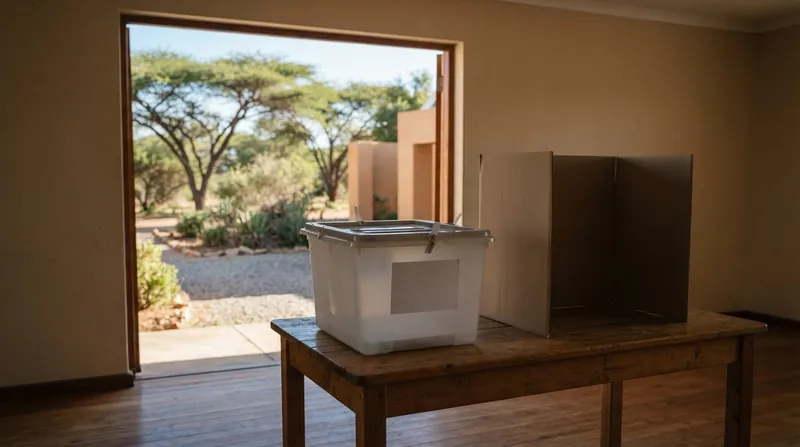
South Africa conducts local government elections seen as a critical test of voter support for the governing African National Congress.
Follow South African municipal elections in the Factlen app and get an alert when there is news. Get the app
Share this story
Latest
By 02:58 UTC on November 5, early results from South Africa's local government elections showed the ruling African National Congress facing a significant decline in support as ballot counting got underway. Preliminary figures from the national tally indicated the ANC was hovering around 35 percent of the vote, closely followed by the Democratic Alliance. The Electoral Commission of South Africa cautioned that the national picture could shift as more voting districts are processed overnight.
The preliminary figures represent a sharp drop from the 45.6 percent the ANC secured in the 2021 municipal elections, pointing to a continued erosion of the party's historical dominance since the end of white minority rule in 1994. The steep losses escalate the political challenges for the ANC, which lost its 30-year parliamentary majority in the 2024 national elections and was forced into a national unity government with the Democratic Alliance and other rivals.
How the story developed
Millions of voters headed to the polls on Wednesday to elect local government representatives. The current local elections are widely viewed as a referendum on the African National Congress's ability to govern at the municipal level amid widespread public anger over service delivery failures. Voters across the country have expressed deep frustration over a lack of basic public services, citing crumbling infrastructure, persistent water outages, leaking sewage, and rolling power cuts.
A record 29.2 million South Africans registered to vote in the municipal elections, with over 27 million participating across 278 local councils. The nationwide vote elected representatives for 257 municipal councils, including eight major metropolitan areas, with voters choosing from 546 political parties and independent candidates.
The elections featured a record 1,700 independent candidates contesting ward elections, reflecting a growing rejection of established national party structures. The elections also marked the first local vote contested by the MK Party, led by former President Jacob Zuma, which has drawn support away from the African National Congress in key regions.
The final outcome will determine the leadership of the country's cities and local councils. In recent years, fragmented voting has increasingly led to unstable coalition governments and high mayoral turnover.
What to watch
- Preliminary results are expected by early Thursday.
- Potential coalition negotiations are looming in several major metropolitan areas.
Where things stand
African National Congress Faces Steep Losses as South African Local Election Tally Begins
Key point: Preliminary results from South Africa's municipal elections show the ruling African National Congress facing a sharp decline in support as voters express frustration over failing public services.
Early results from South Africa's local government elections show the ruling African National Congress facing a significant decline in support as ballot counting gets underway. Preliminary figures from the national tally indicate the ANC is hovering around 35% of the vote, closely followed by the Democratic Alliance.
The initial tally follows Wednesday's nationwide vote to elect representatives for 257 municipal councils, including eight major metropolitan areas. While the Electoral Commission of South Africa cautioned that the national picture could shift as more voting districts are processed overnight, the preliminary figures represent a sharp drop from the 45.6% the ANC secured in the 2021 municipal elections. The results point to a continued erosion of the party's historical dominance since the end of white minority rule in 1994.
The steep losses escalate the political challenges for the ANC, which lost its 30-year parliamentary majority in the 2024 national elections and was forced into a national unity government with the Democratic Alliance and other rivals. The current local elections are widely viewed as a referendum on the party's ability to govern at the municipal level. Voters across the country have expressed deep frustration over a lack of basic public services, citing crumbling infrastructure, persistent water outages, leaking sewage, and rolling power cuts.
A record 29.2 million South Africans registered to vote in the municipal elections, choosing from 546 political parties and independent candidates. The elections also mark the first local vote contested by the MK Party, led by former President Jacob Zuma, which has drawn support away from the ANC in key regions. The final outcome will determine the leadership of the country's cities and local councils, where fragmented voting has increasingly led to unstable coalition governments and high mayoral turnover in recent years.
Charts, maps and images
Timeline
November 2026
South Africa conducts local government elections seen as a critical test of voter support for the governing African National Congress.
AI- African National Congress Faces Steep Losses as South African Local Election Tally BeginsKey point: Preliminary results from South Africa's municipal elections show the ruling African National Congress facing a sharp decline in support as voters express frustration over failing public services.