full timeline
Serbian political crisis and elections
Follow Serbian political crisis and elections in the Factlen app and get an alert when there is news. Get the app
Share this story
Latest
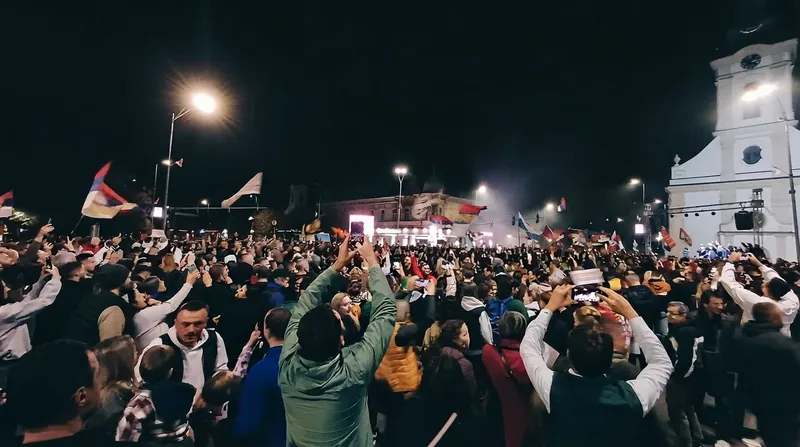
On October 25, Serbian President Aleksandar Vučić conceded defeat to the student-led opposition movement, ending his 14-year grip on power and the decade-long dominance of the Serbian Progressive Party. By 21:50 UTC, based on preliminary results, Vučić announced that the newly formed Students' List was projected to secure an absolute majority, while his ruling party would take around 105 seats. The election saw a massive turnout of nearly 70 percent, reaching levels unseen in Serbia in over two decades.
On October 26, the Serbian student movement began its political transition to form a new government and build a new state administration. By 12:20 UTC, leaders of the Students' List announced they were initiating the process to reverse the country's authoritarian drift and establish a state governed by the rule of law. The incoming coalition is projected to hold between 135 and 140 seats in the 250-member parliament, giving it a mandate to dismantle entrenched corruption.
How the story developed
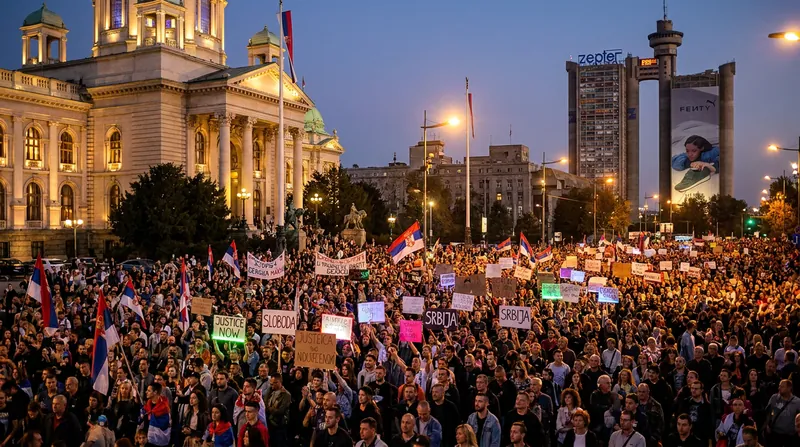
The political crisis originated from the deadly collapse of a railway station canopy in Novi Sad in November 2024, which killed 16 people. This event triggered grassroots mobilization and two years of widespread demonstrations against perceived corruption and democratic backsliding.
Following months of escalating anti-government protests across Serbia, President Vučić announced on June 29 that he would step down in the coming weeks after 12 years in power. The announcement paved the way for early parliamentary and presidential elections, creating uncertainty regarding Serbia's EU accession process and relations with Kosovo. At the time, the opposition demanded international election monitors and equal access to state media.
In the lead-up to the vote, opposition parties unified into a single bloc to challenge the ruling Serbian Progressive Party's dominance. The campaign took place against the backdrop of massive student-led demonstrations demanding institutional reform and an end to alleged state capture. International observers monitored the election following allegations of media bias and institutional pressure during the campaign.
On October 25, millions of Serbian citizens cast their ballots in the snap parliamentary election, testing President Vučić's ruling coalition.
What to watch
- Vučić remains president until 2027, setting up a potential period of political cohabitation with the new parliament.
- The incoming government plans to accelerate European Union integration and distance Belgrade from Russian influence.
Where things stand
Student Movement Begins Political Transition After Defeating Vučić
Key point: The student-led coalition has begun the transition to form a new government in Serbia, pledging to dismantle corruption and establish the rule of law.
The Serbian student movement has begun its political transition to form a new government, initiating the process of building a new state administration. Leaders of the Students' List announced they are taking on the task of reversing the country's authoritarian drift following their electoral victory.
The incoming coalition is projected to hold between 135 and 140 seats in the 250-member parliament, giving it a mandate to dismantle entrenched corruption after 14 years of rule by the Serbian Progressive Party. Representatives have pledged to immediately establish a state governed by the rule of law.
This transition marks the culmination of a grassroots movement that originated from mass protests over the deadly collapse of a railway station canopy in Novi Sad in November 2024. The shift in power is expected to bring significant changes to Serbia's domestic policies and accelerate its integration with the European Union.
Serbian President Vucic Concedes Defeat to Student-Led Opposition in Historic Election Loss
Key point: Serbian President Aleksandar Vučić has conceded defeat to a student-led opposition movement, ending his 14-year rule following a historic parliamentary election.
Serbian President Aleksandar Vučić conceded defeat to a student-led opposition movement in Sunday's parliamentary elections, ending his 14-year grip on power. Based on preliminary results, Vučić announced that the youth-backed Students' List is projected to secure an absolute majority with 135 to 140 seats in the 250-member parliament, while his ruling Serbian Progressive Party will take around 105 seats.
The snap elections were called following two years of widespread demonstrations against perceived corruption and democratic backsliding. The protests were initially triggered by the 2024 collapse of a train station canopy in Novi Sad that killed 16 people. The historic vote saw a massive turnout of nearly 70 percent, reaching levels unseen in Serbia in over two decades.
Key numbers
- 12 years
- Time Vučić has been in power
- 45-60 days
- Window for snap elections
From: Serbian President Aleksandar Vučić to Resign Within Weeks, Triggering Snap Elections
Charts, maps and images
Timeline
October 2026
Serbian President Vučić Concedes Defeat as Student Coalition Sweeps Snap Election
- Student Movement Begins Political Transition After Defeating VučićKey point: The student-led coalition has begun the transition to form a new government in Serbia, pledging to dismantle corruption and establish the rule of law.
Serbia holds parliamentary elections amid widespread student-led protests challenging the governing leadership.
- Serbian President Vucic Concedes Defeat to Student-Led Opposition in Historic Election LossKey point: Serbian President Aleksandar Vučić has conceded defeat to a student-led opposition movement, ending his 14-year rule following a historic parliamentary election.
June 2026
Serbian President Aleksandar Vučić to Resign Within Weeks, Triggering Snap Elections