full timeline
EU–China electric vehicle trade dispute
Follow EU–China electric vehicle trade dispute in the Factlen app and get an alert when there is news. Get the app
Share this story
Latest
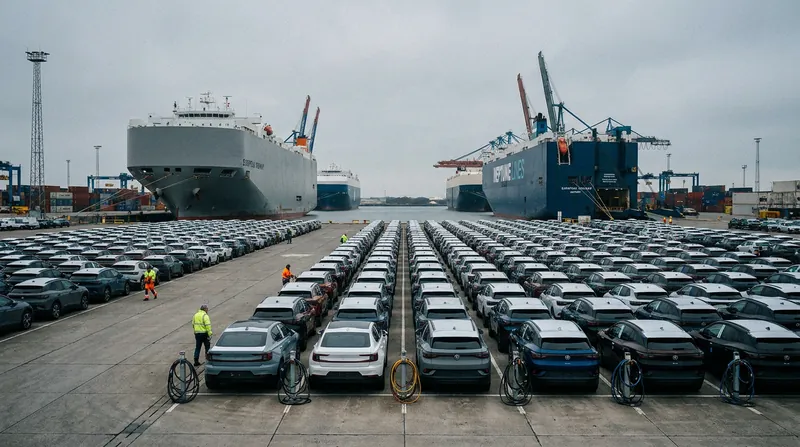
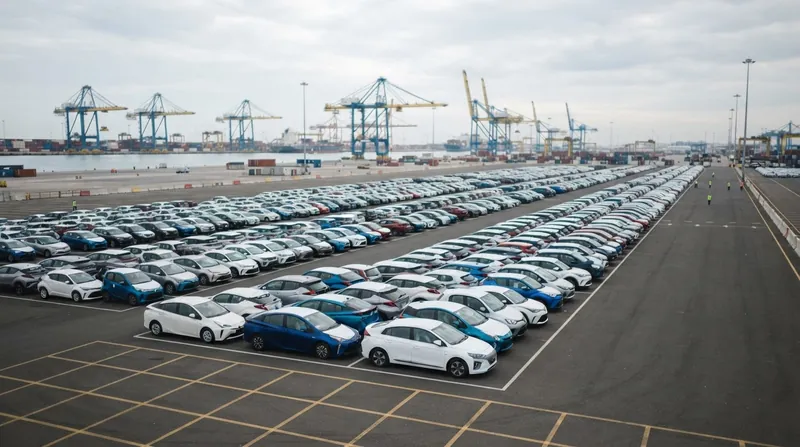
By 19:57 UTC on October 13, the European Union established a strict quota capping Chinese hybrid vehicle imports at 350,000 units annually to avert a broader trade conflict. The restriction relies on World Trade Organization safeguard rules, enforcing a hard volume stop rather than percentage tariffs. Vehicles assembled at local European plants are explicitly exempt from the quota, a measure designed to incentivize foreign direct investment.
The quota follows a preliminary agreement reached by 19:31 UTC on October 9, in which China agreed to reduce its exports of hybrid and plug-in hybrid vehicles to the EU by up to 50 percent over four years. As part of the deal, Beijing lowered Chinese import tariffs on several European product categories, expanding market access for food and drink exports, and committed to fast-tracking export licenses for rare earths and permanent magnets destined for the European market. EU Trade Commissioner Maroš Šefčovič called the agreement a crucial first step in rebalancing a trade deficit that exceeds €1.18 billion a day.
How the story developed
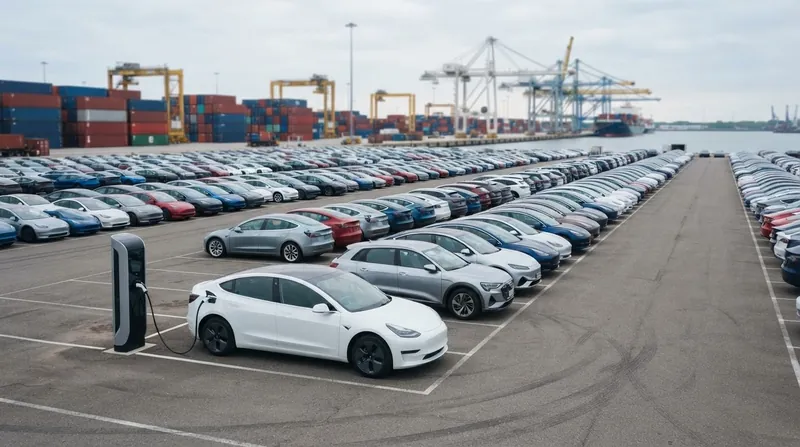
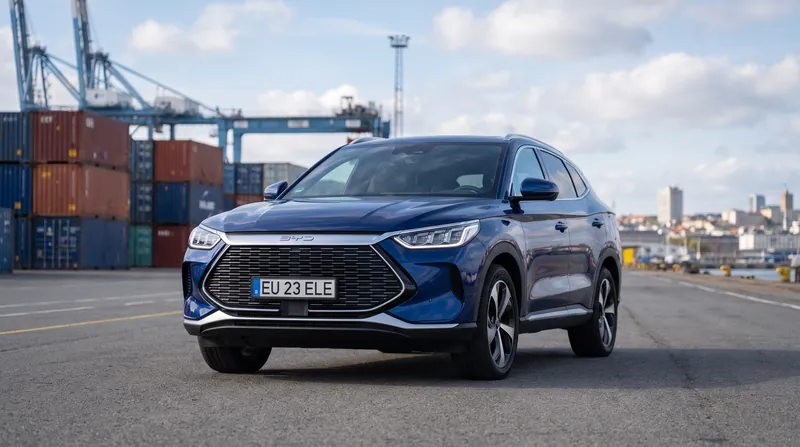
The trade dispute initially centered on pure battery electric vehicles, which the European Union targeted with tariffs in 2024. By 03:58 UTC on July 5, the EU had finalized tariffs of up to 35.3 percent on Chinese battery electric vehicles, alongside a minimum price mechanism allowing automakers to avoid the levies by agreeing to price floors. However, plug-in hybrids were excluded from the initial rules. Chinese automakers bypassed the tariffs by surging exports of plug-in hybrids 14-fold, with imports into Europe rising from 3,800 in October 2024 to 50,000 by July. In response, the EU began drafting regulations to apply similar tariffs to hybrid vehicles, while climate advocates warned that making electric vehicles more expensive threatened the bloc's 2030 emission targets.
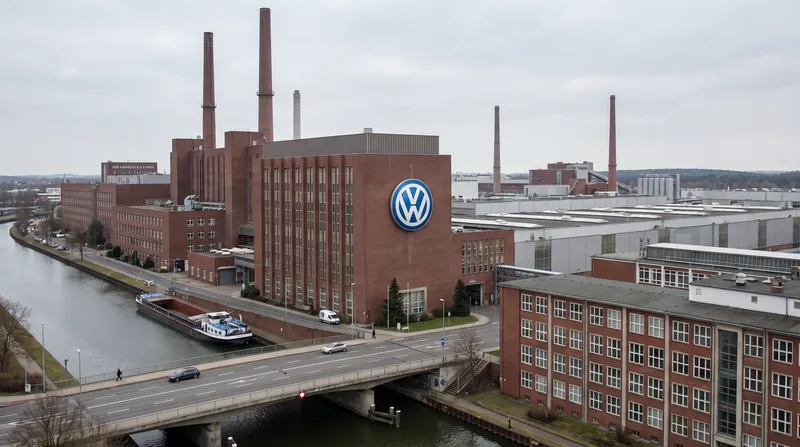
Pressure to close the hybrid loophole mounted in September. By 05:34 UTC on September 24, German Finance Minister Lars Klingbeil urged the EU to impose duties on Chinese plug-in hybrid vehicles. The demand came as European automakers faced mounting pressure from cheaper imports, with Volkswagen considering domestic factory closures and up to 50,000 global job cuts. Berlin also demanded stricter local-content rules and joint-venture requirements for foreign automakers operating in Europe.
By 21:03 UTC on September 25, the European Commission formally asked China to voluntarily cap its plug-in hybrid vehicle exports to Europe at 15 percent of the market, threatening unilateral tariffs if an agreement was not reached. The request was part of a "managed trade" strategy aimed at reducing a €360.6 billion trade deficit and protecting European manufacturing, following a 400 percent surge in Chinese hybrid imports in 2025. China's Ministry of Commerce rejected the proposed cap, arguing it violated World Trade Organization rules, prompting EU Trade Commissioner Maroš Šefčovič to plan an October visit to Beijing to seek a negotiated agreement.
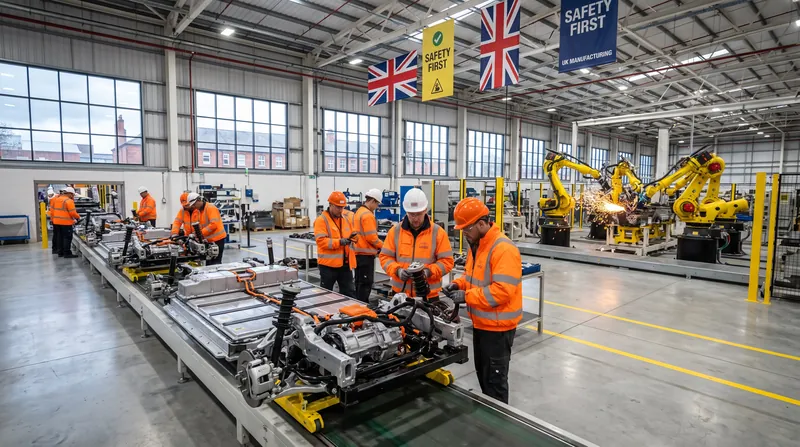
Simultaneously, the EU pressured the United Kingdom to align with its trade protections. By 07:02 UTC on September 27, Brussels urged London to match its 45 percent tariffs on Chinese electric vehicles, warning that divergence could exclude British-built cars from upcoming "Made in Europe" trade protections. The UK automotive industry stated that €24 billion in cross-Channel trade was at risk. While UK Prime Minister Andy Burnham ruled out rejoining the EU customs union, the UK government officially began drafting tariffs by 01:03 UTC on October 6 to match the EU's maximum 45.3 percent levy. Chinese brands had exploited the UK's lower 10 percent base tariff to capture over 25 percent of the market in September. British officials concluded that preserving access to the EU market, which takes 58 percent of UK car exports, outweighed the risk of Chinese retaliation.
What to watch
- The United Kingdom government is drafting tariffs on Chinese electric vehicles to match the European Union's maximum 45.3 percent levy.
- European buyers may face showroom waitlists and firmer pricing late in the year once the 350,000 annual allowance for Chinese hybrid imports is exhausted.
Key numbers
- 35.3%
- Maximum additional EU tariff on Chinese EVs
- 14x
- Increase in Chinese PHEV sales in Europe (2024-2025)
- 25%
- Estimated production cost advantage of Chinese EVs
- 16%
- Share of EU CO₂ emissions from passenger cars
From: How the EU's Definitive Tariffs on Chinese EVs Reshape the Global Auto Market
Charts, maps and images
Show 9 moreShow fewer
Timeline
October 2026
EU Caps Chinese Hybrid Vehicle Imports at 350,000 Annually Under WTO Safeguard Rules
China Agrees to Halve Hybrid Vehicle Exports to EU Under Landmark Trade Deal
UK Prepares Tariffs on Chinese Electric Vehicles to Match EU Duties
September 2026
EU Urges UK to Match Chinese EV Tariffs to Preserve 'Made in Europe' Market Access
EU Demands China Limit Hybrid Car Exports to 15% of Market to Avert New Tariffs
German Finance Minister Demands EU Tariffs on Chinese Hybrid Cars to Protect Auto Jobs
July 2026
How the EU's Definitive Tariffs on Chinese EVs Reshape the Global Auto Market