full timeline
China CXMT Memory Chip Expansion
Follow China CXMT Memory Chip Expansion in the Factlen app and get an alert when there is news. Get the app
Share this story
Latest
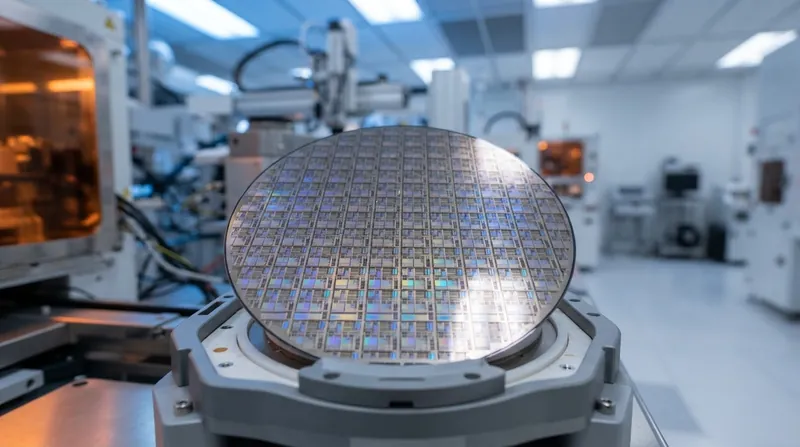
On October 28, ChangXin Memory Technologies committed to beginning limited commercial production of advanced HBM3E artificial intelligence memory chips within two months, targeting late 2026 for mass production. The company is proceeding with the manufacturing push despite achieving viable yields on only 20 to 30 percent of its wafers, absorbing massive manufacturing losses in the process.
The aggressive push into AI memory production is driven by United States export controls that restrict China's access to foreign AI memory components. To secure the domestic supply chain, massive state subsidies will likely be required to offset the astronomical costs associated with the discarded silicon from the low-yield production runs.
How the story developed
Following a public listing in July 2026, ChangXin Memory Technologies experienced a significant financial turnaround. On October 17, the Chinese semiconductor manufacturer announced it expected up to 132.5 billion yuan ($19.8 billion) in net profit for the first nine months of 2026, reversing a loss from the previous year. This financial windfall was driven by a global shortage of standard DRAM, which occurred as incumbent manufacturers pivoted their capacity toward AI-focused high-bandwidth memory.
Alongside the profit forecast, the company claimed on October 17 that its fifth-generation DRAM had entered mass production. To signal executive confidence, Chairman Zhu Yiming proposed a share buyback program of up to 2 billion yuan.
Despite the massive profit forecast and an anticipated eightfold jump in revenue, company shares fell 7.8 percent on October 19. Investors took profits after the earnings report revealed a sharp deceleration in third-quarter profit growth.
The stock drop was attributed to rising capital expenditures and the broader global memory squeeze, which began pressuring the chipmaker's profit margins. In response to the market reaction, management reiterated its pledge to implement the share buy-back program to stabilize the stock and signal confidence in long-term demand.
By October 28, the company shifted its focus toward advanced AI memory, committing to the mass production of HBM3E chips despite severe yield deficits. The strategic move aims to bypass United States export controls and secure China's domestic supply chain, even as the company faces the prospect of relying on state subsidies to cover the costs of discarded silicon.
What to watch
- Independent verification of the density and yield rates for the company's fifth-generation DRAM remains pending.
- ChangXin Memory Technologies plans to begin limited commercial production of HBM3E memory within two months.
- The company aims to achieve mass production of advanced AI memory chips by late 2026.
Charts, maps and images
Show 1 moreShow fewer
Timeline
October 2026
China's CXMT Commits to HBM3E AI Memory Production Despite 20 Percent Yield Deficits
AI-generatedAI-generatedAI-generatedChina's CXMT Shares Drop 7.8% Despite Returning to Profitability on AI Memory Boom
Memory Maker CXMT Swings to $20 Billion Profit as Global Chip Pricing Surges