
Triathlon Injury Report: Geens Catches Stress Reaction Early as Milner Completes Long-Awaited Return
Jelle Geens and Cameron Main have adjusted their mid-season schedules to manage early-stage injuries, while British prospect Hugo Milner proves patience pays off with a podium return following a seven-month stress fracture layoff.
By Jackson Reed

- Athlete Management
- Focuses on the athletes prioritizing long-term health over immediate starts, avoiding catastrophic injury.
- Coaching & Medical Teams
- Focuses on early scans, MRI diagnostics, and adjusting training loads to keep athletes on track for late-season goals.
- Fans & Analysts
- Focuses on the impact these absences have on the T100 and Ironman Pro Series standings, while celebrating the successful returns.
Perspectives this story doesn't cover
- Race Organizers
- Sponsorship Brands
- Grade 2
- Jelle Geens' femoral stress reaction diagnosis
- 15 weeks
- Time until the 70.3 World Championship for Geens
- 7 months
- Hugo Milner's stress fracture layoff
- 32:16
- Milner's winning 10km cross-country return time
The grueling nature of professional triathlon means injuries are an occupational hazard, but the 2026 season is highlighting a distinct shift in how the sport's top tier manages physical setbacks. Rather than waiting for a minor ache to become a major break, athletes are proactively managing their bodies.[1][2]
Instead of pushing through pain and risking catastrophic, career-altering damage, elite athletes are increasingly pulling the plug early. By prioritizing long-term health and utilizing advanced diagnostics, professionals are turning potential season-ending disasters into manageable bumps in the road.[1]
Belgian star Jelle Geens, a two-time IRONMAN 70.3 World Champion, recently provided a textbook example of this cautious approach. Slated to race the T100 San Francisco event, Geens experienced discomfort that prompted an immediate medical scan.[1]
The imaging revealed a Grade 2 femoral shaft stress reaction. Geens immediately withdrew from the California race, noting on his 'All in Triathlon' podcast that catching the stress reaction early was a massive victory. "It could have been way worse if I'd kept running on it," Geens explained to his listeners.[1]
While the injury puts his highly anticipated full-distance IRONMAN World Championship debut in Kona in jeopardy—he had planned to use IRONMAN Lake Placid in July as a qualifier—Geens and his medical team are focusing on the positive. He is currently maintaining his cardiovascular fitness through swimming and cycling while the bone heals, with his eyes on the 70.3 World Championship in Nice 15 weeks away.[1]
Similarly, British long-course rising star Cameron Main is navigating a frustrating flare-up in his right hip. Main, who secured his Kona slot with a breakout victory at IRONMAN Western Australia last December, experienced inflammation and fluid buildup as he began his IRONMAN Frankfurt training block.[2]
Main opted for an immediate MRI, which thankfully ruled out severe structural damage. He has since adjusted his training load, prioritizing strength work in the gym to address underlying lower back issues that contribute to the hip flare-up. "Staying healthy is the main priority," Main noted, keeping his focus firmly on the October showdown in Hawaii.[2]
Main opted for an immediate MRI, which thankfully ruled out severe structural damage.
The women's T100 field has also seen its share of smart, if frustrating, precautionary withdrawals. Reigning series champion Kate Waugh re-aggravated a calf injury during a sprint finish at WTCS Yokohama in May.
Realizing that the risk versus reward balance was tipping the wrong way, Waugh withdrew from T100 Spain. She publicly acknowledged that taking the time to build back properly was the only logical choice given the depth of her 2026 racing calendar.
Meanwhile, Lucy Byram suffered a hip fracture that ruled her out of the T100 Gold Coast opener earlier this year. Byram has taken a philosophical approach to the setback, using the time to rest her body and mind after a grueling and emotionally taxing 2025 season, vowing to return only when she is truly ready.
For athletes currently in the thick of rehabilitation, British prospect Hugo Milner offers a masterclass in patience and the rewards of a successful return to form. Milner spent seven months sidelined by a severe stress fracture following WTCS Hamburg in July 2025.[3][4]
Rather than rushing his comeback, Milner meticulously rebuilt his foundation. He marked his return to competition by dominating the London Cross Challenge, clocking a blistering 32:16 over the muddy 10km cross-country course to win by 23 seconds.[4]
"It's so nice to be back healthy and fit," Milner told Athletics Weekly after the race. "I've never really had a bone injury before so I wasn't really sure what to expect."[4]
Milner quickly translated that restored health back to the triathlon course, securing a podium finish alongside compatriot Oliver Conway at the World Triathlon Cup in Haikou, China. With his elite run speed fully restored, Milner is now steadily rebuilding his ranking on the European Cup circuit.[3]
The 2026 season underscores a maturing professional triathlon circuit. With the financial stakes higher than ever across the T100 and Ironman Pro Series, the pressure to race is immense. Yet, athletes like Geens, Main, and Milner are proving that the smartest play is often the hardest one to make: stepping back, healing properly, and returning only when the body is ready to win.[1][2][3]
Key points
- Jelle Geens caught a femoral stress reaction early, withdrawing from T100 San Francisco to protect his long-term health.
- Cameron Main is adjusting his IRONMAN Frankfurt training block after an MRI revealed hip inflammation.
- Kate Waugh and Lucy Byram have both opted for precautionary rest to heal from calf and hip injuries, respectively.
- Hugo Milner successfully returned from a seven-month stress fracture layoff, winning the London Cross Challenge and podiuming in Haikou.
How we got here
July 2025
Hugo Milner sustains a severe stress fracture following WTCS Hamburg.
February 2026
Milner returns to competition, winning the London Cross Challenge.
March 2026
Lucy Byram suffers a hip fracture, ruling her out of the T100 Gold Coast opener.
May 2026
Kate Waugh re-aggravates a calf injury at WTCS Yokohama and withdraws from T100 Spain.
June 2026
Jelle Geens is diagnosed with a Grade 2 stress reaction and withdraws from T100 San Francisco.
Sources
Source coverage
4 outlets
3 viewpoints surfaced


- [1]TRI247Athlete Management
Kona dream in the balance after injury setback for Jelle Geens
Read on TRI247 → - [2]TRI247Athlete Management
Injury forces Cameron Main to rethink training plans ahead of IRONMAN Frankfurt
Read on TRI247 → - [3]TRI247Athlete Management
Hugo Milner ready for triathlon comeback after injury-hit 2025
Read on TRI247 → - [4]Athletics WeeklyCoaching & Medical Teams
Triathlete back in action after being out for over half a year with a stress fracture
Read on Athletics Weekly →
Comments
More in Sports
See all →Storyline
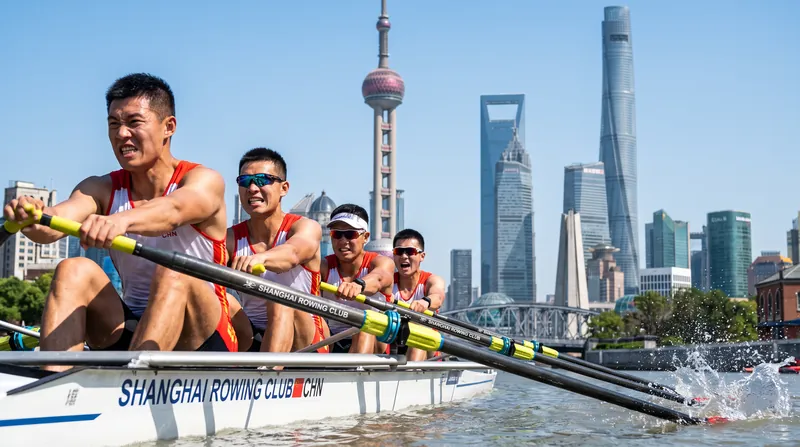
Rowing Trades 2,000-Meter Lakes for a 500-Meter Urban Sprint in Shanghai
4 sources
Standings
Sporting CP, Kielce, and Nantes Set Blistering Pace in Expanded EHF Champions League
6 sources

Recap
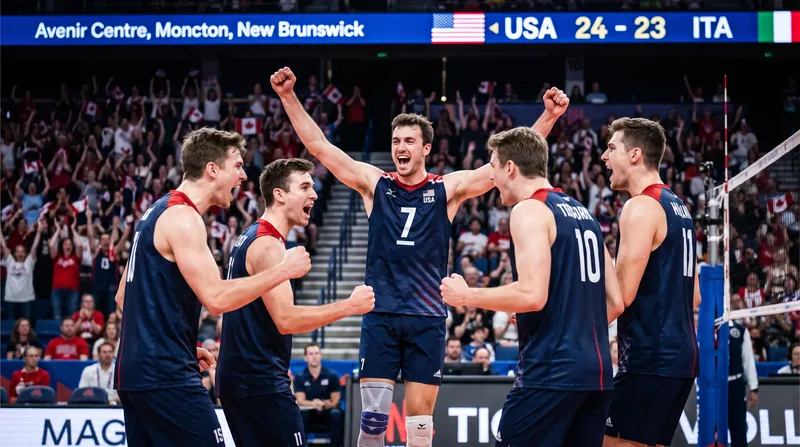
U.S. Men's National Team Outlasts Canada in Five-Set Thriller to Defend NORCECA Continental Title
5 sources
Trade
Tommy Freeman Commits Long-Term Future to Northampton Saints with Contract Extension
6 sources

Every angle. Every day.
Get Sports stories with full source coverage and perspective breakdowns delivered to your inbox.