
Triathlon Injury Report: Charles-Barclay Cleared for Challenge Roth as Riele Eyes Lake Placid Return
A wave of high-profile triathletes are making their way back to the start line this summer, headlined by Lucy Charles-Barclay's surprise entry into Challenge Roth and Justin Riele's rapid recovery from a devastating crash.
By Meera Iyer

Share this story
The grueling nature of professional triathlon means injury is an occupational hazard, but the mid-2026 season is currently being defined by a series of remarkable comebacks. Across the World Triathlon Championship Series (WTCS), the T100 Triathlon World Tour, and the global Ironman circuit, several of the sport's biggest names are returning to the start line after navigating severe physical setbacks.
For endurance athletes, an injury is rarely just a physical hurdle; it is a profound psychological test that disrupts months of meticulously planned peaking cycles. As the summer racing calendar reaches its zenith, the narrative has shifted from who is missing to who is triumphantly returning, injecting a new layer of drama into the sport's marquee events.[2]
The most highly anticipated return belongs to 2019 Challenge Roth champion Lucy Charles-Barclay, who confirmed a surprise, last-minute entry into this weekend's race in Bavaria, Germany. The British long-course star had previously ruled herself out of the iconic event following a difficult stretch that included a DNF at the Ironman World Championship in Kona due to extreme heat, followed by scheduled surgery for a lingering injury.
For months, it appeared the triathlon world would be deprived of seeing one of its most dominant athletes take on the legendary Roth course. Her absence was felt across the start list, but behind the scenes, a meticulous rehabilitation process was quietly paying dividends.[1]
In January, Charles-Barclay admitted she was incredibly close to committing to Roth, but her "body said no," forcing her to sideline the dream for the 2026 season. It was a devastating blow for an athlete who views the German race as a career pinnacle.
However, after a commanding victory at Ironman Lanzarote signaled a definitive return to form, a recent block of intense training convinced her she was ready for the full distance. The decision was not made lightly, requiring clearance from her medical team and a deep, honest assessment of her own physical resilience after a tumultuous year of recovery. Her body was finally absorbing the heavy training load without regression.[1]
"I'm in a slightly different position now," Charles-Barclay shared in an emotional video update to her followers, detailing the stark contrast between her winter struggles and her current fitness. "I'm happy, I'm healthy, my body is saying yes, my mind is saying yes." She immediately contacted Challenge Roth race director Felix Walschöfer to secure her spot, setting up a blockbuster showdown with Kat Matthews.
This weekend will mark Charles-Barclay's first appearance at Roth in six years, instantly transforming the women's professional race into one of the most anticipated matchups of the summer calendar. The late addition has sent a ripple of excitement through the triathlon community, proving that patience in recovery can yield spectacular opportunities.[1]
Across the Atlantic, American middle-distance specialist Justin Riele is engineering his own rapid comeback after a terrifying crash at the Ironman 70.3 Oceanside in April. Riele suffered a catastrophic tire blowout during the high-speed bike leg, crashing heavily onto his right side and breaking both his clavicle and scapula.
The impact was severe enough that his race ended immediately on the tarmac, a devastating halt to a season that had begun with high expectations and excellent early-year fitness metrics. For professional triathletes, a broken collarbone is a notoriously disruptive injury, instantly halting swim training and forcing a complete restructuring of their aerobic development blocks.
Riele was rushed to a Las Vegas hospital for immediate surgery to have his shattered shoulder "plated up" with surgical hardware. Despite the severity of the crash—which prompted Riele to publicly state on social media that his helmet unequivocally saved his life—the American maintained a remarkably positive outlook.
Less than 24 hours after going under the knife, he was already setting his sights on a return at Ironman Lake Placid later this summer. This rapid pivot from trauma to future planning showcases the elite athlete's unique ability to compartmentalize physical setbacks and focus entirely on the next objective, refusing to let a single mechanical failure define his entire competitive year.
Fellow professionals, including former Olympic champion Kristian Blummenfelt and American star Ben Kanute, rallied around Riele in the aftermath, highlighting the tight-knit nature of the elite triathlon community when navigating the sport's inherent dangers on open roads. Riele has since returned to grueling indoor trainer workouts, leveraging the controlled environment of a stationary smart bike to rebuild his cycling power without risking further impact to his healing shoulder.
This modern approach to rehabilitation—heavily reliant on virtual cycling platforms and precise wattage targets—allows athletes to maintain elite cardiovascular fitness while their skeletal structures mend, drastically reducing the time it takes to return to peak race readiness once they are cleared to run and swim again.
Meanwhile, on the short-course circuit, 2016 Olympic champion Gwen Jorgensen continues to redefine her relationship with the sport following her own string of injuries. Jorgensen's highly publicized comeback to elite triathlon was derailed in late 2024 by a broken collarbone sustained in a Colorado criterium crash, which required immediate surgery and severely hampered her 2025 campaign.
The setback was a bitter pill for the American superstar, who had been steadily climbing the World Triathlon Championship Series rankings in pursuit of another Olympic berth. The physical toll of the crash was compounded by the mental exhaustion of having to rebuild her swim stroke from scratch for a second time in her career.
Now fully healthy, Jorgensen has returned to the WTCS circuit with a shifted mindset that prioritizes longevity and personal fulfillment. While she remains a fierce competitor—recently taking silver at the Americas Cup in Gulfport to open her season—she acknowledges that her definition of success has fundamentally evolved.
Rather than being purely driven by podium finishes and ranking points, Jorgensen has found renewed joy in the process of racing and the ability to travel the world with her family. This psychological shift has alleviated the immense pressure of her comeback, allowing her to race with a freedom that makes her a dangerous wildcard in any field she enters, unburdened by the weight of past expectations.
Not all athletes are ready to toe the line just yet, serving as a stark reminder that patience remains the ultimate virtue in sports medicine. Danish rising star Laura Madsen, who had a massive breakout 2024 season and secured a coveted wildcard spot for the T100 series, is taking a highly measured approach to her recovery from a sacral stress fracture.
The injury forced her to withdraw from the early rounds of the global tour, a frustrating pause for an athlete who had been dubbed "one to watch" by World Triathlon analysts. Rather than rushing back to capitalize on her momentum, Madsen and her coaching team have chosen to respect the biological timeline of bone healing.[4]
The injury, which affects the critical bone connecting the tailbone to the spine, typically requires up to 12 weeks of strict rest and progressive rehabilitation to ensure the micro-cracks are fully calcified. Madsen has opted to prioritize her long-term health over short-term racing goals, stating publicly that her focus is entirely on getting "100% healthy again and then racing will come."
This mature approach to a devastating diagnosis ensures that when the 22-year-old does return to the T100 circuit, she will not be compromised by lingering biomechanical compensations that often plague athletes who rush their recovery. Her restraint is a textbook example of modern sports science prevailing over the traditional "push through the pain" mentality.[3][4]
These varied recovery timelines underscore the complex reality of professional triathlon training, where athletes must constantly balance the immense cardiovascular demands of three distinct disciplines against the mechanical toll on their muscles and joints. Research indicates that overuse injuries affect between 37 and 91 percent of triathletes at some point in their careers, making the rehabilitation process as critical to a professional's longevity as their peak performance blocks.
The sport demands a relentless volume of training, but the margins between peak fitness and structural failure are razor-thin. As Charles-Barclay, Riele, and Jorgensen prove, a severe injury does not have to be a career-ending event; with the right medical support, modern rehabilitation tools, and unwavering psychological resilience, it can simply be the prologue to an even greater comeback story on the world stage.[2]
Key points
- Lucy Charles-Barclay has confirmed a surprise return to Challenge Roth after initially ruling herself out due to injury.
- Justin Riele is targeting a summer return at Ironman Lake Placid following a severe bike crash at Oceanside 70.3.
- Gwen Jorgensen is back on the WTCS circuit with a renewed mindset after recovering from a broken collarbone.
- Rising star Laura Madsen is taking a cautious, long-term approach to healing a sacral stress fracture.
- Modern rehabilitation tools, like indoor smart trainers, are allowing athletes to maintain elite fitness while recovering from bone fractures.
How we got here
Late 2024
Gwen Jorgensen breaks her collarbone in a cycling crash, requiring surgery and delaying her WTCS comeback.
Early 2025
Laura Madsen sustains a sacral stress fracture, forcing her to withdraw from the early rounds of the T100 tour.
January 2026
Lucy Charles-Barclay rules herself out of Challenge Roth due to lingering injury concerns.
April 2026
Justin Riele suffers a severe bike crash at Oceanside 70.3, breaking his clavicle and scapula.
Late June 2026
Charles-Barclay confirms a surprise, last-minute entry into Challenge Roth after a successful rehabilitation block.
- Athlete Fanbases
- Eagerly anticipating the return of their favorite stars and celebrating their resilience.
- Neutral Analysts
- Evaluating how these returning athletes will shake up the standings and race dynamics at major events.
- Sports Medicine & Coaching Staff
- Focused on the clinical timelines, biomechanics of recovery, and preventing re-injury.
Perspectives this story doesn't cover
- Equipment manufacturers designing safer gear
- Age-group athletes managing similar injuries without professional medical teams
Sources
Source coverage
4 outlets
3 viewpoints surfaced




- [1]Triathlon MagazineAthlete Fanbases
Lucy Charles-Barclay a Last-Minute Addition to the Challenge Roth Start List
Read on Triathlon Magazine → - [2]TriathleteSports Medicine & Coaching Staff
How Do Triathlon Injury Rates Stack Up to Other Sports?
Read on Triathlete → - [3]Mayo ClinicSports Medicine & Coaching Staff
Stress fractures - Symptoms and causes
Read on Mayo Clinic → - [4]PTONeutral Analysts
T100 Triathlon World Tour Updates
More in Sports
See all →Injury
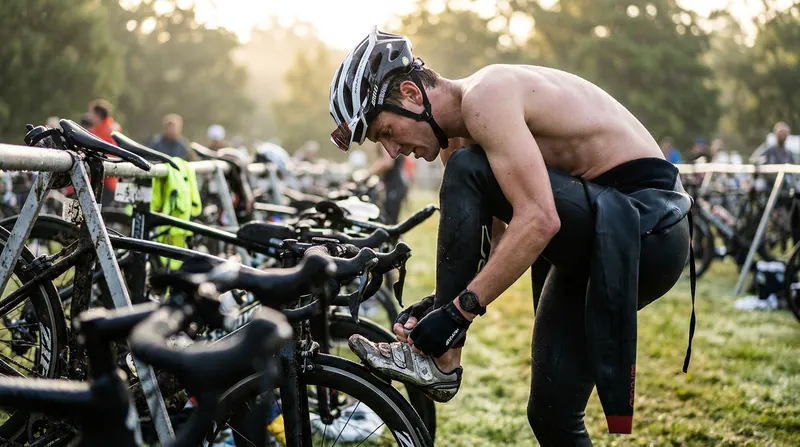
Global Triathlon Injury Report: Ditlev Cleared for Challenge Roth as Iden Navigates Frankfurt Comeback
1 sources
Power ranking
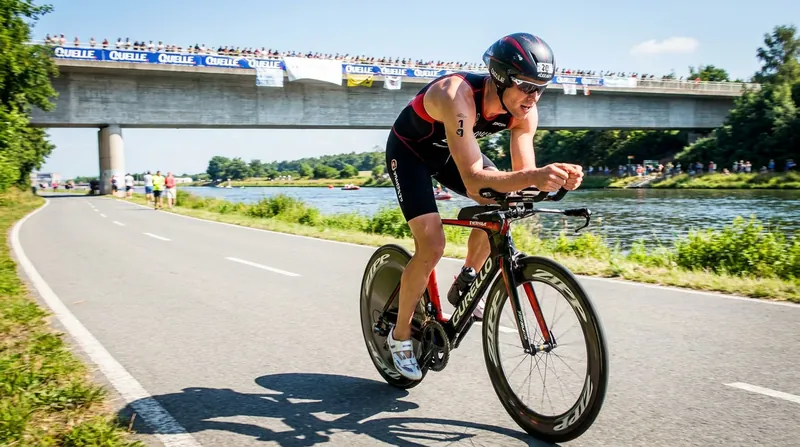
Global Triathlon Power Rankings: The Five Hottest Athletes Heading Into Championship Season
8 sources
Injury
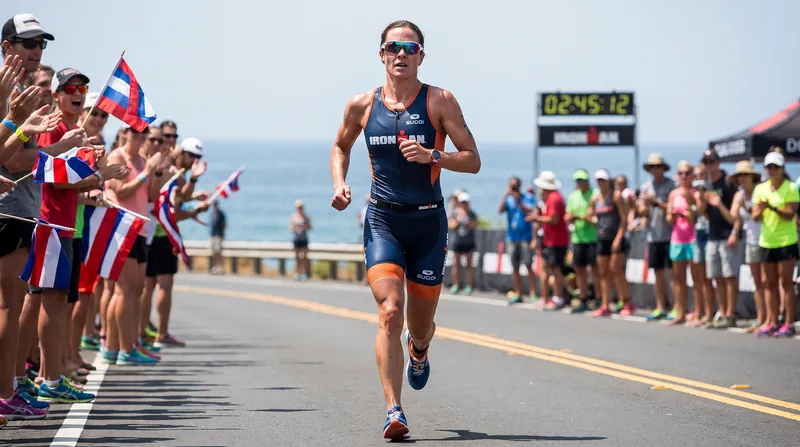
Roksana Slupek Conquers Hamburg Demons in Emotional WTCS Comeback
2 sources
Standings
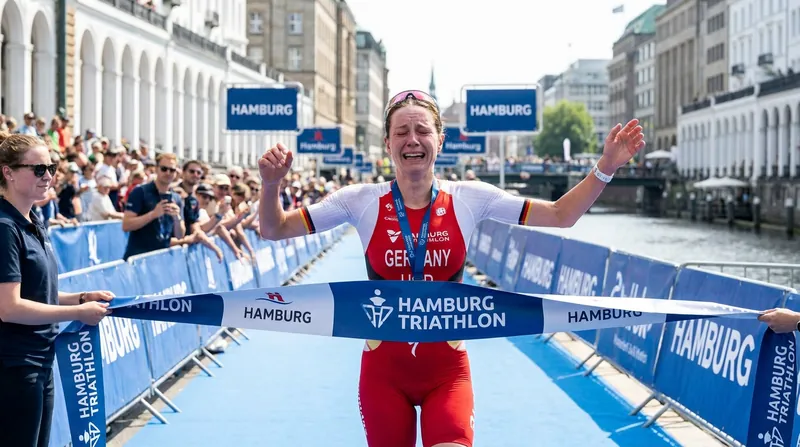
Rising Stars Disrupt WTCS Top Five as Henry Graf and Charles Paquet Cement Championship Contender Status
5 sources
Comments
Every angle. Every day.
Get Sports stories with full source coverage and perspective breakdowns, free every day.