
Global Triathlon Injury Report: Ditlev Cleared for Challenge Roth as Iden Navigates Frankfurt Comeback
As the summer triathlon season reaches its peak, former champions are returning to the start line following a wave of early-season illnesses and injuries. Magnus Ditlev is set to defend his Challenge Roth title after a severe bout of shingles, while Gustav Iden continues to rebuild his form following a lingering ankle sprain.
By Omar Haddad
Share this story
The grueling demands of the 2026 professional triathlon calendar have taken a heavy toll on the sport's elite, turning the mid-summer stretch into a profound test of medical resilience as much as physical endurance. With the introduction of the high-stakes T100 Triathlon World Tour and the lucrative Ironman Pro Series, athletes have pushed their bodies to the absolute limit in pursuit of unprecedented prize purses and global ranking points.
The relentless travel schedule and back-to-back full-distance efforts have inevitably led to physical breakdowns. Now, as the global circuit heads into the critical month of July, several former world champions are finally returning to the start line following a wave of early-season injuries and severe illnesses that dramatically altered the championship landscape.
The most highly anticipated comeback of the summer belongs to Danish powerhouse Magnus Ditlev. After months of uncertainty and forced rest, Ditlev is officially cleared to race at Challenge Roth on July 5, marking his first major start since a severe bout of shingles completely derailed his spring campaign.
Ditlev, known for his towering presence and unmatched cycling power, had been widely considered a favorite for the early-season North American races before his immune system crashed. His return to the iconic Bavarian course—where he has previously shattered course records—injects a massive surge of excitement into the European summer season and sets the stage for a blockbuster clash of titans.
The road back to the start line has been incredibly frustrating for the Danish star. Earlier this year, Ditlev had completed a punishing, meticulously planned seven-week altitude training camp in the Sierra Nevada mountains, specifically designed to peak his fitness ahead of Ironman Texas in April.
However, just days before the marquee race in The Woodlands, he woke up with a high fever and severe nerve discomfort. The subsequent shingles diagnosis forced a complete and immediate shutdown of all physical training, robbing him of his hard-earned early-season fitness peak and forcing him to travel home to Scandinavia to focus entirely on medical recovery.
Now fully healthy and armed with a fresh block of training, Ditlev faces a monumental test in Bavaria against a stacked field that includes heavyweights like Kristian Blummenfelt and Patrick Lange. Analysts and coaches note that while his world-class bike power likely remains intact, his overall race readiness after months without elite competition is the ultimate wildcard.
Exiting the water with the front pack will be absolutely critical; if his swim form is compromised by the long layoff, he will be forced to burn vital energy reserves on the bike leg just to bridge the gap, potentially leaving his legs empty for the grueling marathon finish.
Meanwhile, former Ironman World Champion Gustav Iden is already actively navigating the harsh realities of a mid-season comeback. The Norwegian superstar suffered a lingering, highly problematic ankle sprain in February that forced him to abruptly withdraw from his planned season openers at Ironman New Zealand and the Geelong 70.3. The injury initially seemed minor, but the complex nature of the joint sprain meant that Iden could not sustain the repetitive impact of long-distance running without risking permanent structural damage, forcing him into a prolonged period of cross-training and rehabilitation.
The sprain, which Iden openly described as a multi-week setback that stubbornly refused to heal on a predictable schedule, completely disrupted his crucial early-season aerobic base. He finally made his long-awaited return to the circuit at the Ironman European Championship in Frankfurt on June 28.
While he successfully completed the grueling event, the lingering effects of the ankle injury and the lost months of run training were clearly evident. Iden was left to rely heavily on his exceptional cycling strength to make up for lost time in the water and on the run, ultimately finishing off the podium but successfully banking valuable competition miles.
In direct response to these frustrating setbacks, the vaunted Norwegian national team has openly shifted its fundamental approach to training and recovery. Iden and his coaching staff have deliberately abandoned pure "feel-based" training in favor of strict, uncompromising laboratory data. By regularly testing VO2 max and blood lactate levels during every major training block, the team can precisely manage Iden's physical load. This hyper-scientific approach ensures that minor sprains or muscular imbalances do not escalate into chronic, season-ending issues during the incredibly long and demanding professional calendar.
On the women's side of the sport, the global injury landscape was permanently and dramatically altered earlier this year when ten-time World Champion Daniela Ryf announced her immediate and permanent retirement from professional triathlon. Ryf, widely regarded as one of the greatest endurance athletes in the history of the sport, had originally planned to complete a celebratory global farewell tour throughout the 2024 and 2025 seasons, giving fans one last chance to watch the "Angry Bird" dominate the long-distance circuit.
Unfortunately, the physical toll of a two-decade elite career ultimately proved insurmountable. A severe coccyx injury sustained during a painful eighth-place finish at Ironman South Africa simply refused to heal despite extensive rehabilitation efforts. Doctors eventually diagnosed the Swiss legend with a rare and persistent inflammation at the end of her spinal cord, medically known as conus medullaris.
Recognizing that she could no longer safely sustain the extreme volume and intensity required to compete at the absolute highest level, Ryf made the difficult but necessary decision to prioritize her long-term mobility and health, stepping away from the start line forever.
American star and former Kona World Champion Chelsea Sodaro is also diligently working her way back into the elite mix after a highly frustrating spring campaign. Sodaro was forced to abruptly withdraw from the highly anticipated Ironman Texas showdown just hours before the start gun due to a severe preschool virus she contracted shortly before traveling to the race venue. The sudden illness was a devastating blow for the American, who had just completed one of the strongest and most consistent training blocks of her entire professional career.[1]
The viral infection completely wiped out months of meticulous, race-specific preparation, leaving Sodaro physically drained and emotionally gutted after what had been a highly successful altitude build. However, she has since resumed full-time training, utilizing a highly disciplined regimen of performance yoga, targeted physical therapy, and careful aerobic rebuilding to safely restore her world-class fitness. Sodaro is now firmly targeting the late-summer T100 events, determined to salvage her 2026 campaign and prove that her body can still handle the rigors of the global tour.[1]
The sheer volume of high-profile medical withdrawals this season has sparked a much-needed, broader conversation within the sport about sustainable calendar management. With millions of dollars in unprecedented prize money and crucial 5,000-point Pro Series victories on the line at almost every major event, athletes are racing more frequently and intensely than ever before. The pressure to continually perform at a world-class level month after month is forcing competitors to take massive risks with their physical health, often toeing the start line when their bodies are begging for rest.
In response to this growing epidemic of breakdowns, elite coaches and sports scientists are increasingly urging a far more conservative approach to race scheduling. The compounding physical toll of back-to-back full-distance Ironman races, combined with the severe immune system suppression that routinely follows intense high-altitude training camps, leaves top-tier athletes highly susceptible to both mechanical bone injuries and aggressive viral infections. Experts warn that without mandatory off-seasons and smarter load management, the sport risks burning out its brightest stars prematurely.
In response to this growing epidemic of breakdowns, elite coaches and sports scientists are increasingly urging a far more conservative approach to race scheduling.
As the global triathlon circuit heads into its most critical and lucrative stretch of the year, the fundamental focus has shifted from pure cardiovascular endurance to sheer physical attrition. For returning superstars like Magnus Ditlev, Gustav Iden, and Chelsea Sodaro, the remainder of the 2026 season will serve as the ultimate test of resilience. Their success will depend entirely on whether careful rehabilitation, immense mental fortitude, and data-driven recovery protocols can successfully overcome the crucial months lost to the medical sidelines.
Key points
- Magnus Ditlev is officially cleared to race at Challenge Roth after a severe bout of shingles forced him to miss Ironman Texas.
- Gustav Iden successfully returned to competition at Ironman Frankfurt following a multi-week ankle sprain that disrupted his early-season base.
- Ten-time World Champion Daniela Ryf has permanently retired from the sport due to a chronic spinal cord inflammation.
- The high volume of mid-season injuries has prompted elite teams to prioritize laboratory data and lactate testing over feel-based training.
How we got here
Feb 2026
Gustav Iden withdraws from the Oceania circuit due to a lingering ankle sprain.
Apr 2026
Magnus Ditlev and Chelsea Sodaro are forced out of Ironman Texas due to shingles and a severe virus, respectively.
Jun 28, 2026
Iden makes his return to full-distance racing at the Ironman European Championship in Frankfurt.
Jul 5, 2026
Ditlev is scheduled to make his highly anticipated return at Challenge Roth.
- Athlete Management & Coaches
- Prioritizing long-term health and data-driven recovery over immediate race results.
- Race Organizers & Promoters
- Managing the commercial impact of high-profile withdrawals while supporting athlete welfare.
- Fans & Neutral Analysts
- Analyzing how lost training time and disrupted bases alter race-day dynamics.
Perspectives this story doesn't cover
- Sports Medical Professionals
- Amateur Triathletes Emulating Pros
Sources
Source coverage
1 outlets
3 viewpoints surfaced

- [1]Tri247Athlete Management & Coaches
Chelsea Sodaro OUT of IRONMAN Texas as Kona champion reveals health update
Read on Tri247 →
More in Sports
See all →Power ranking
Global Triathlon Power Rankings: The Five Hottest Athletes Heading Into Championship Season
8 sources
Injury
McCullough and Kolkman Seal Emotional Injury Comebacks on the Podium at World Triathlon Cup Rio
3 sources
Injury
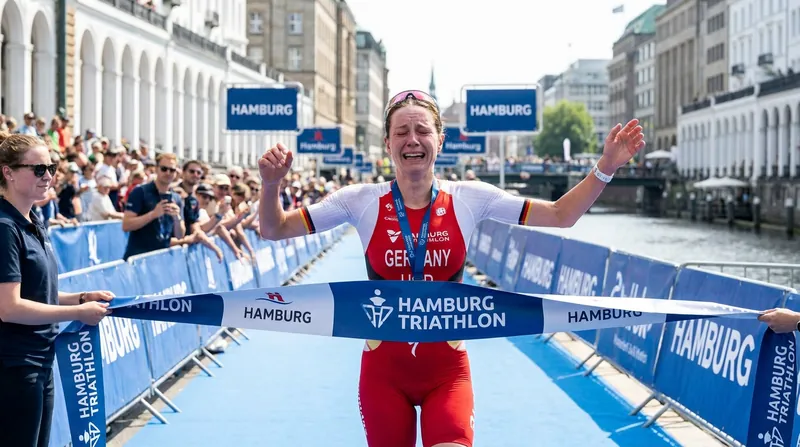
Roksana Slupek Conquers Hamburg Demons in Emotional WTCS Comeback
2 sources
Standings
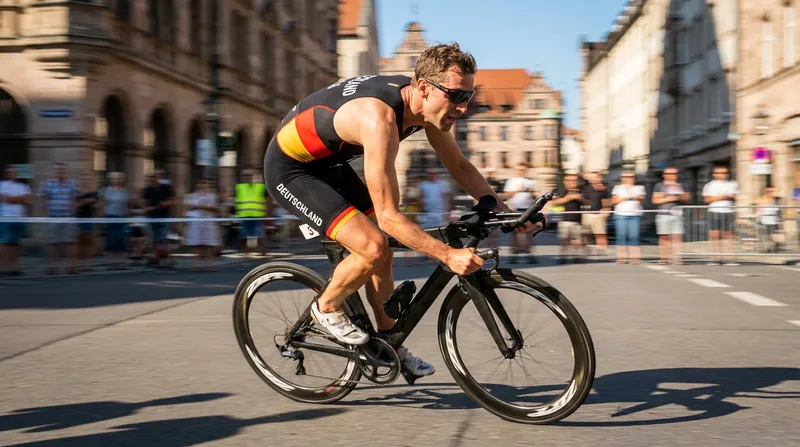
Rising Stars Disrupt WTCS Top Five as Henry Graf and Charles Paquet Cement Championship Contender Status
5 sources
Comments
Every angle. Every day.
Get Sports stories with full source coverage and perspective breakdowns, free every day.