
The Studio Workflow Shift: How the Capture One and Hasselblad Partnership Reshapes Professional Medium Format Photography
A historic integration between Capture One and Hasselblad finally brings native tethering and RAW processing to the iconic medium format cameras, ending a decades-long software divide in commercial photography.
By Paige Carter

Share this story
For nearly two decades, the high-end commercial photography world has been defined by a strict software border wall. If a photographer wanted to shoot with a Hasselblad medium format camera, they were largely forced to use Hasselblad's proprietary Phocus software for tethering and RAW processing. If they wanted to use Capture One—the undisputed industry standard for studio tethering—they had to shoot with Phase One, Fujifilm, or standard full-frame systems. That divide officially collapsed today.
In a joint announcement that has sent ripples through the commercial imaging industry, Capture One and Hasselblad revealed a comprehensive software partnership. Starting with the July 2026 update, Capture One Pro now features full native tethering support and bespoke RAW processing profiles for Hasselblad's modern medium format lineup, including the X2D 100C and the 907X systems.[1]
To understand the magnitude of this shift, one must look at the mechanics of a modern commercial photo set. In high-end fashion, product, and portrait photography, images are rarely reviewed on the back of a camera. Instead, the camera is "tethered" via a high-speed USB-C cable to a digital technician's computer. The software must ingest massive 100-megapixel files instantly, apply complex color grades on the fly, and display them on calibrated monitors for art directors and clients to review in real-time.
Capture One has dominated this specific workflow for years due to its unparalleled stability and speed. However, because Capture One originally began as a software division of Phase One—Hasselblad's primary rival in the medium format space—Hasselblad cameras were historically locked out of the ecosystem. Photographers who preferred Hasselblad's ergonomics, lenses, and renowned color science had to compromise on their software workflow.
Hasselblad's in-house software, Phocus, is widely praised for its absolute color accuracy, particularly its Hasselblad Natural Color Solution (HNCS) which renders skin tones with lifelike precision. But Phocus has long been criticized by working professionals for being sluggish and resource-heavy when handling rapid-fire studio sessions, lacking the fluid, customizable workspace that Capture One provides.[2]
The new integration solves this by embedding the core of Hasselblad's color science directly into Capture One's processing engine. According to Hasselblad's engineering team, they worked closely with Capture One developers to ensure that when a Hasselblad RAW file (.3FR) is imported, the baseline color rendering perfectly matches the HNCS standard, preserving the distinct "Hasselblad look" without requiring Phocus.[1]
The immediate evidence of this partnership's value lies in workflow speed. Early beta testers and technical reviewers report a dramatic reduction in latency. Transferring a 100-megapixel 16-bit RAW file from an X2D into Capture One takes roughly one-third of the time it previously took to route the same file through Phocus, effectively eliminating the "buffer wait" that plagues fast-paced fashion shoots.[2]
This integration was made possible by a major corporate restructuring that occurred earlier in the decade. In 2020, Capture One spun off from Phase One to become a fully independent software company. While it took several years to untangle legacy code and negotiate new industry partnerships, this independence allowed Capture One to finally court the very camera manufacturers it was once designed to compete against.
For digital technicians and rental houses, the partnership is a massive logistical relief. Previously, "digi-techs" had to maintain entirely separate computer carts and software workflows depending on whether a client rented a Phase One or a Hasselblad. Standardizing the entire industry on Capture One means fewer software crashes, unified keyboard shortcuts, and less time spent troubleshooting on sets that cost tens of thousands of dollars a day.
However, there remains some uncertainty regarding legacy hardware. While the modern mirrorless X-System and V-System cameras are fully supported with live-view and camera control, it is not yet clear if Hasselblad's older H-System DSLRs (like the H6D) will receive the same level of deep tethering integration, or if they will be limited to basic RAW file support.
The move also signals a broader shift in the creative technology market: the death of the closed ecosystem. As hardware margins tighten and software subscriptions become the dominant revenue model, companies are realizing that forcing users into proprietary silos ultimately stifles growth. By opening their systems, both Hasselblad and Capture One are betting that interoperability will drive more hardware sales and software subscriptions than exclusivity ever did.[1]
Ultimately, the true winners of this corporate detente are the photographers. By removing the artificial software barrier, professionals are now free to choose their camera based purely on optics, ergonomics, and sensor rendering, confident that the industry's best tethering software will be waiting to catch the files.[2]
Key points
- Capture One now offers full native tethering and RAW processing for Hasselblad medium format cameras.
- The integration ends a decades-long software divide that forced photographers to choose between preferred hardware and preferred software.
- Beta tests show up to a 3x increase in tethered file transfer speeds compared to legacy workflows.
- Hasselblad's highly regarded Natural Color Solution (HNCS) has been preserved and integrated into the new Capture One profiles.
Open questions
- Whether legacy Hasselblad H-system DSLR cameras will receive the same level of live-view tethering support as the newer mirrorless systems.
- If Hasselblad will continue to actively develop and update its proprietary Phocus software long-term now that Capture One support is available.
Timeline
2000s-2010s
Capture One operates as a subsidiary of Phase One, restricting tethering support for rival Hasselblad cameras.
2020
Capture One spins off into an independent company, sparking industry rumors of broader medium format support.
2022
Hasselblad launches the 100MP X2D, increasing professional demand for faster, more robust studio software solutions.
July 2026
Capture One and Hasselblad officially announce full native integration, bringing HNCS and tethering to Capture One Pro.
- Commercial Photographers
- Value speed, reliability, and industry-standard tools over proprietary software ecosystems, viewing this as a massive workflow upgrade.
- Digital Techs & Rental Houses
- Focus on equipment compatibility, troubleshooting ease, and standardizing on-set workflows to reduce technical failures.
- Color Science Purists
- Prioritize absolute color accuracy and are focused on ensuring Capture One perfectly translates Hasselblad's native color profiles.
Perspectives this story doesn't cover
- Phase One Users
- Independent Software Developers
Sources
Source coverage
2 outlets
3 viewpoints surfaced


- [1]HasselbladColor Science Purists
Expanding the Medium Format Workflow: Hasselblad x Capture One
Read on Hasselblad → - [2]The PhoblographerCommercial Photographers
Testing the New Hasselblad Tethering in Capture One Pro: A Speed Revolution
Read on The Phoblographer →

More in Shopping & Reviews
See all →Trade Policy
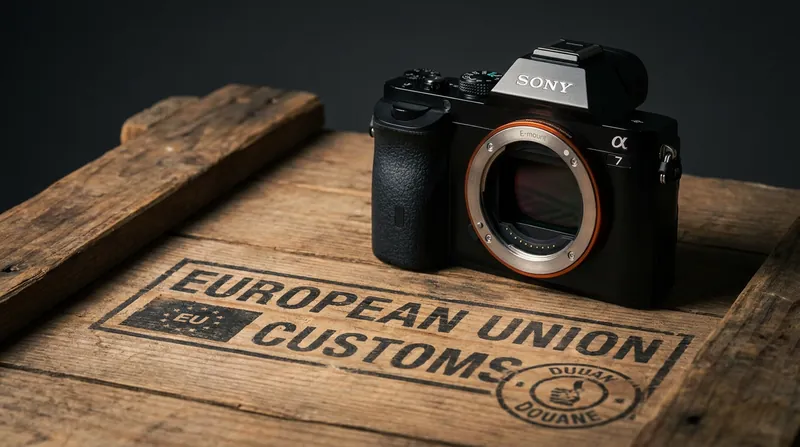
The EU's 'Camcorder Tax' Threat: How Reclassifying Digital Cameras Could Add 12.5% to Every Price Tag
2 sources
Video Production
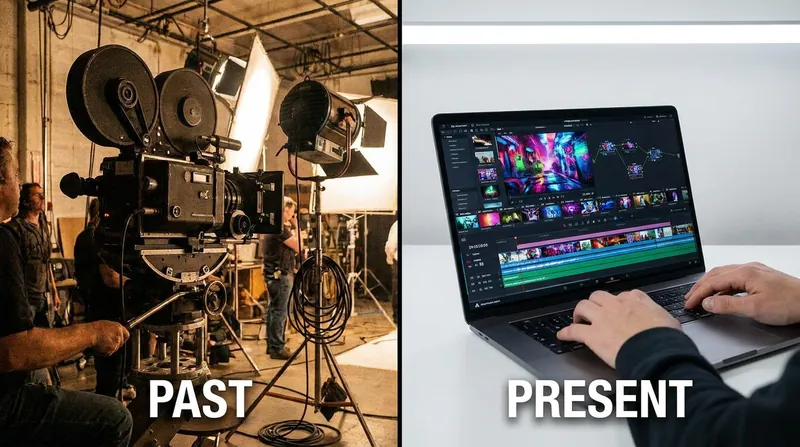
The 99% Cost Cut: How AI-Generated Content is Democratizing Professional Video Production
3 sources
Camera Market
The Camera Slowdown: May Shipments Drop Across All Categories, Challenging Compact Camera Revival Forecasts
2 sources
Camera Market
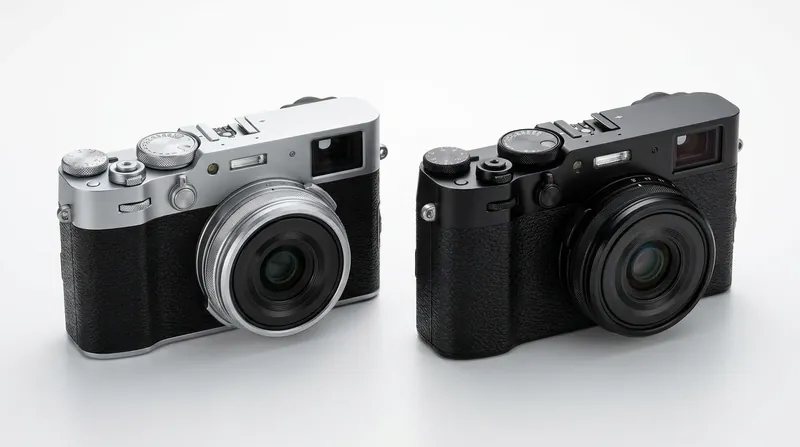
The Compact Camera Paradox: Why $35 Keychains and $1,500 Fixed-Lens Models Are Driving 2026 Market Growth
2 sources

Comments
Every angle. Every day.
Get Shopping & Reviews stories with full source coverage and perspective breakdowns, free every day.