
The Possession Metamorphosis: How Walid Regragui Rewrote Morocco's Tactical DNA for the 2026 World Cup
After shocking the world with a defensive masterclass in 2022, Morocco has spent four years transforming into a proactive, high-possession attacking force.
By Meera Iyer

Share this story
The defining image of the 2022 FIFA World Cup was a red wall. Morocco, the first African and Arab nation to reach the tournament's semi-finals, captivated the globe not through expansive possession, but through an impenetrable, highly disciplined defensive structure.
Under head coach Walid Regragui, who had taken the job just months before the tournament, the Atlas Lions deployed a compact 4-1-4-1 mid-low block that stifled European giants like Spain, Portugal, and Belgium.
It was a system built on suffering and territorial concession. Morocco averaged just 45.5 percent possession throughout that historic run, perfectly content to let opponents pass the ball harmlessly in front of them while waiting for the perfect moment to strike.
Tactical analysts compared Regragui’s 2022 blueprint to Diego Simeone’s Atlético Madrid or even classic Italian Catenaccio. The system relied heavily on Sofyan Amrabat acting as a midfield "libero," sweeping up danger in front of the backline and launching rapid counter-attacks through the wings.
But football is an unforgiving sport, and tactical systems have a finite shelf life. What works brilliantly for a plucky underdog rarely succeeds when a team is suddenly expected to dominate.[2]
The turning point arrived at the 2024 Africa Cup of Nations in Côte d'Ivoire. Entering the tournament as heavy favorites, Morocco struggled when opponents deployed the exact same low-block tactics against them, resulting in a frustrating round-of-16 elimination.
The premature exit sparked intense domestic criticism. Fans and pundits questioned whether Regragui’s reactive style was capable of breaking down stubborn defenses, demanding a shift that reflected the immense technical talent within the squad.
Rather than double down on his defensive roots, Regragui initiated a profound tactical metamorphosis. He publicly acknowledged the need for evolution, stating that the team had to transition into an attacking force that dictated play rather than merely absorbing it.
The statistical transformation since that 2024 disappointment has been staggering. Over the subsequent two years, Morocco’s average ball possession skyrocketed from 45.5 percent to a commanding 61 percent.
This was not sterile, sideways passing. The Atlas Lions became a relentless offensive machine, scoring 71 goals over a 35-match span—an average of more than two goals per game—while maintaining their trademark defensive solidity by conceding just 17 times.
The tactical shift began without the ball. The passive mid-block of 2022 was replaced by an aggressive, coordinated high press. Defense no longer started at the edge of their own penalty area; it began with the forwards hunting the ball deep in the opponent's half.
By forcing turnovers higher up the pitch, Morocco granted themselves greater control over the game's rhythm and drastically shortened the distance to the opponent's goal.
In possession, the reliance on long, hopeful balls over the top vanished. Regragui instructed his team to build play methodically through the midfield, utilizing intricate passing triangles to bypass opposition pressure.
The integration of creative midfielders like Brahim Diaz, Bilal El Khannouss, and Ismaël Saibari proved crucial to this new identity. Diaz, in particular, praised Regragui’s ability to motivate the squad to play with bravery and technical audacity, bringing a new dimension of central playmaking.
This central creativity unlocked new avenues for Morocco's world-class wide players. With opponents forced to defend the middle of the pitch, fullbacks like Achraf Hakimi were granted even more space to exploit the flanks with devastating overlapping runs.
The results of this tactical overhaul were historic. Between June 2024 and December 2025, Morocco embarked on a stunning 19-match winning streak, one of the longest in the history of international football.[1]
They became the first African nation to secure qualification for the 2026 World Cup, dominating their group with seven wins and zero losses.[1]
The crowning achievement of this new era arrived at the 2025 Africa Cup of Nations, hosted on home soil. Playing with the burden of immense expectation, Regragui’s possession-dominant side marched to the title, culminating in a victory over Senegal.[1]
What makes Regragui’s achievement so remarkable is the blend of European tactical pragmatism with the flair of Moroccan technical development. He has successfully united diaspora stars from elite European academies with homegrown talent into a cohesive, adaptable unit.
As the 2026 World Cup unfolds, the Morocco that takes the pitch is fundamentally different from the team that shocked the world four years ago. They are no longer the underdog hoping to survive; they are a proactive, multifaceted powerhouse designed to conquer.[2]
The essentials
- Morocco relied on a defensive 4-1-4-1 mid-block and 45.5% possession during their historic 2022 World Cup run.
- A disappointing 2024 AFCON exit prompted head coach Walid Regragui to overhaul the team's tactical identity.
- The team transitioned to a high-pressing, possession-dominant style, increasing their average ball control to 61%.
- The tactical shift resulted in 71 goals over 35 matches and a historic 19-match winning streak.
- Morocco enters the 2026 World Cup not as a defensive underdog, but as a proactive attacking powerhouse.
Timeline
Dec 2022
Morocco reaches the World Cup semi-finals using a highly defensive mid-block system.
Jan 2024
An early exit at the Africa Cup of Nations exposes the limitations of Morocco's reactive tactics.
Jun 2024
Walid Regragui initiates a tactical overhaul, shifting the team to a high-pressing, possession-based style.
Dec 2025
Morocco completes a historic 19-match winning streak, scoring over two goals per game.
Early 2026
Morocco wins the 2025 Africa Cup of Nations on home soil, validating their new attacking identity.
- Tactical Analysts
- Focus on the statistical shift in possession and the transition from a low block to a high press.
- Moroccan Supporters
- Value the more entertaining, proactive style of play that matches the technical quality of their star players.
- Opposition Scouts
- Emphasize the difficulty of preparing for a team that can now seamlessly switch between possession dominance and devastating counter-attacks.
Perspectives this story doesn't cover
- Domestic Moroccan club managers
- Former 2022 squad members who lost their spots in the new system
Sources
Source coverage
2 outlets
3 viewpoints surfaced


- [1]Kick442Moroccan Supporters
Walid Regragui: The Mastermind Behind Morocco's Football Resurgence
Read on Kick442 → - [2]Factlen Editorial TeamOpposition Scouts
Synthesis by Factlen editorial team
Read on Factlen Editorial Team →

More in Sports
See all →Tactics
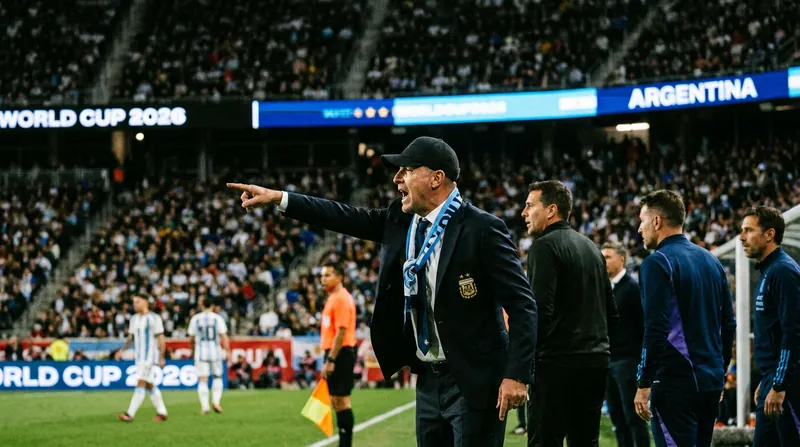
The Relational Revolution: How Argentina Replaced Positional Play with Organized Chaos
7 sources
Storyline
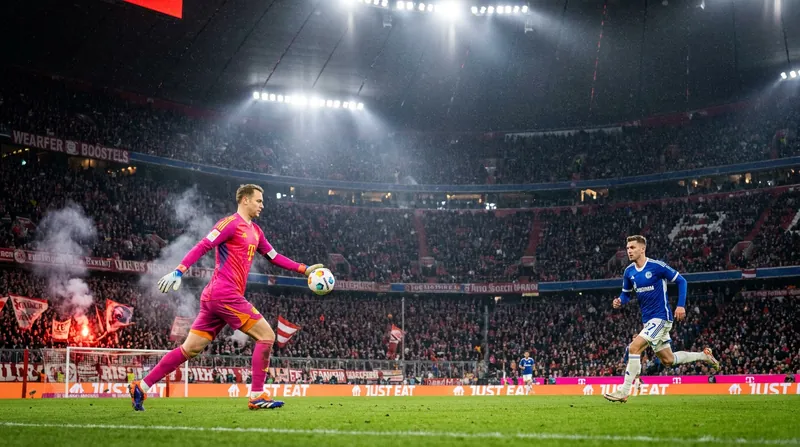
The 11th Outfield Player: How the Sweeper-Keeper Redefined World Cup Tactics
6 sources
Storyline
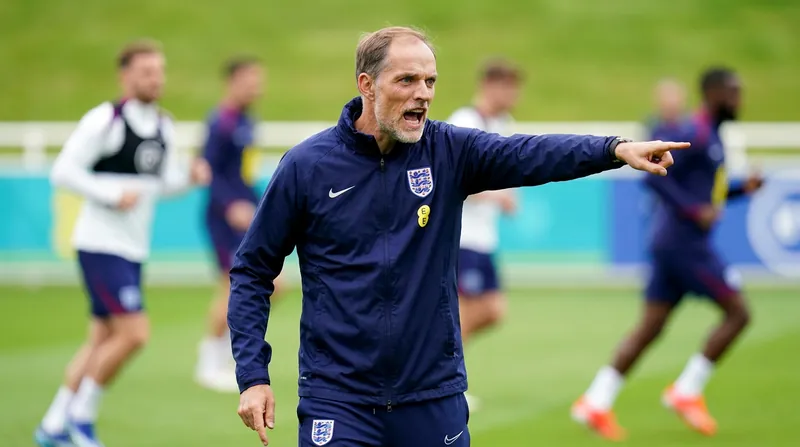
The Pragmatic Shift: How Thomas Tuchel is Rewiring England’s Golden Generation for the 2026 World Cup
8 sources
Storyline
The Maplepress: How Jesse Marsch Engineered Canada's High-Octane Tactical Identity for the 2026 World Cup
7 sources

Comments
Every angle. Every day.
Get Sports stories with full source coverage and perspective breakdowns, free every day.