
The Physiology of Heat Acclimatization: How the Body Adapts to Heat Stress and the Evidence-Based Protocol
Through a precise sequence of cardiovascular and thermoregulatory adaptations, the human body can fundamentally rewire its response to high temperatures in just two weeks. Here is the clinical evidence behind heat acclimatization and how to safely apply it.

Share this story
In short
- Heat acclimatization fundamentally alters the body's fluid dynamics and sweat composition over a 10-to-14-day period.
- The first adaptation is a 10% expansion in blood plasma volume, which lowers heart rate and reduces cardiovascular strain.
- Acclimatized individuals sweat earlier and more profusely, but their sweat is more dilute to conserve sodium.
At an internal body temperature of 102.2°F (39°C), the human central nervous system begins to actively throttle muscle recruitment. It is a protective mechanism designed to prevent catastrophic organ failure, but for an athlete running a summer 10K or a hiker tackling an exposed trail, it feels like hitting a physical wall. The heart pounds faster to deliver oxygen while simultaneously pumping blood to the skin to release heat, creating a cardiovascular tug-of-war. Yet, the human body possesses a remarkable, built-in software update for this exact scenario: heat acclimatization.[1][2]
Heat acclimatization is a complex cascade of physiological adjustments that occur when the body is repeatedly exposed to thermal stress. Rather than simply enduring the heat, the body fundamentally alters its fluid dynamics, sweat composition, and metabolic efficiency. These changes do not happen overnight, but clinical data shows that a structured protocol can yield profound protective benefits in as little as seven to fourteen days.[3][4]
The first and most rapid adaptation occurs in the bloodstream. Within the first three to five days of repeated heat exposure, the body expands its blood plasma volume by up to ten percent. This influx of fluid gives the cardiovascular system a larger buffer, allowing the heart to pump more blood with each beat. As a result, heart rate decreases at any given exercise intensity, reducing the cardiovascular strain that makes early summer workouts feel so punishing.[2][5]
This plasma expansion is driven by an increase in plasma proteins, primarily albumin, which draw water into the vascular space. For the everyday athlete, this means that the initial sluggishness felt during the first few hot days of the season is temporary. The body is actively building a larger fluid reservoir to handle the dual demands of muscle oxygenation and skin cooling.[5]
Following the cardiovascular adjustments, the body's thermoregulatory system begins to rewire itself. Between days five and ten, sweat glands undergo a structural and functional transformation. The body begins to sweat earlier in the exercise session—at a lower core temperature—and the overall volume of sweat increases. This proactive cooling strategy prevents the core temperature from spiking too rapidly during the initial stages of exertion.[2][7]
Crucially, the composition of the sweat also changes. The kidneys and sweat glands become highly sensitive to the hormone aldosterone, which instructs the body to reabsorb sodium rather than excreting it. Consequently, the sweat becomes more dilute. An acclimatized athlete can produce significantly more sweat while losing fewer essential electrolytes, dramatically lowering the risk of hyponatremia and debilitating muscle cramps.[3][4]
To trigger these adaptations safely, experts recommend a progressive, evidence-based protocol rather than a sudden plunge into high-intensity, hot-weather training. The Korey Stringer Institute advises starting with short, moderate-intensity sessions lasting 15 to 20 minutes in the heat, gradually increasing the duration and intensity over a two-week period.[3]
The key is elevating the core body temperature enough to signal the need for adaptation without crossing into dangerous territory. Research indicates that maintaining a core temperature elevation for roughly 60 to 90 minutes per day is the optimal stimulus. This does not require exhaustive exercise; a brisk walk or an easy jog during the warmer parts of the day is often sufficient to initiate the process.[1][4]
For those who cannot train outdoors during the heat of the day, passive heating offers a scientifically validated alternative. Protocols involving post-exercise sauna sessions or hot water immersion have been shown to effectively simulate the thermal stress needed for acclimatization. Sitting in a sauna for 20 to 30 minutes immediately following a temperate workout can trigger the same plasma volume expansion and sweat gland adaptations as running in the midday sun.[6]
Passive heating is particularly useful for athletes preparing for hot-weather destination races while living in cooler climates. By artificially elevating core temperature after the cardiovascular system is already primed from exercise, individuals can safely stack the thermal stress without compromising their primary training quality.[6][7]
While the adaptations are profound, they are also transient. The cardiovascular benefits, such as expanded plasma volume, begin to decay within a few days of removing the heat stimulus. The thermoregulatory changes, including altered sweat composition, linger slightly longer but largely disappear after two to three weeks of cool-weather training.[2][5]
To maintain the acclimatized state, intermittent heat exposure is necessary. Once the initial two-week protocol is complete, exposing the body to heat stress just once or twice a week—either through an outdoor session or a post-workout sauna—is generally sufficient to preserve the physiological upgrades.[4][6]
It is vital to recognize that heat acclimatization reduces, but does not eliminate, the risk of heat illness. An acclimatized body still requires aggressive hydration to support its increased sweat rate. Because the body is sweating more profusely and earlier in the workout, fluid intake must scale accordingly to prevent the expanded plasma volume from collapsing.[3][4]
Ultimately, understanding the physiology of heat adaptation allows individuals to approach summer fitness with strategy rather than stubbornness. By respecting the biological timeline—giving the cardiovascular system its necessary days to expand fluid volume, and the sweat glands their time to conserve sodium—anyone can safely transition into warmer environments and maintain their health and performance.[1][7][8]
How we did this
- Method
- Cross-referenced physiological adaptation timelines from multiple meta-analyses to derive a consolidated, day-by-day protocol for endurance athletes.
- What we found
- While cardiovascular benefits (heart rate reduction) manifest within the first week, full thermoregulatory efficiency (sweat rate and electrolyte conservation) requires a minimum of 10 to 14 days of continuous exposure, dictating a two-phase approach for athletes preparing for hot-weather events.
- What we worked from
- Limits of this analysis
- Individual adaptation rates vary significantly based on baseline VO2 max, age, and genetic factors; this timeline represents population averages.
Key terms
- Heat Acclimatization
- A complex series of physiological adaptations that improve the body's ability to tolerate and perform in hot environments.
- Plasma Volume
- The liquid portion of the blood; expanding this volume is the body's first defense against heat stress, reducing cardiovascular strain.
- Aldosterone
- A hormone that signals the kidneys and sweat glands to conserve sodium, preventing dangerous electrolyte loss during heavy sweating.
- Passive Heating
- Using external heat sources, such as saunas or hot water immersion, to elevate core body temperature and trigger adaptations without exercise.
- Hyponatremia
- A potentially dangerous condition characterized by abnormally low sodium levels in the blood, often caused by excessive sweating and overhydration with plain water.
Reader questions
How long does heat acclimatization take?
Initial cardiovascular benefits appear in 3 to 5 days, but full thermoregulatory adaptations, including optimized sweat rates, require 10 to 14 days of consistent exposure.
Can I acclimatize using a sauna?
Yes. Passive heating, such as sitting in a sauna for 20 to 30 minutes immediately after a workout, has been shown to trigger similar physiological adaptations to exercising in the heat.
Does heat acclimatization make you sweat more?
Yes. An acclimatized body sweats earlier and in greater volumes to proactively cool the skin, though the sweat itself becomes less salty to conserve essential electrolytes.
How quickly do you lose heat adaptation?
Cardiovascular adaptations begin to decay within a few days of leaving a hot environment, and most thermoregulatory benefits are lost after two to three weeks without heat exposure.
Where opinion splits
Sports Physiologists
Focus on structured, active protocols to maximize athletic performance and cardiovascular efficiency in the heat.
For sports scientists and physiologists, heat acclimatization is a measurable performance metric. They emphasize active protocols—specifically exercising in the heat—because it simultaneously trains the cardiovascular system and the specific muscles used in the sport. This camp relies on data such as core temperature plateaus and sweat sodium concentrations to precisely dial in an athlete's readiness for competition, arguing that passive methods, while helpful, cannot fully replicate the specific metabolic demands of a hot-weather race.
Public Health Advocates
Prioritize injury prevention, hydration, and gradual exposure to protect the general public from exertional heat stroke.
Organizations like the Korey Stringer Institute view heat acclimatization primarily through the lens of safety and injury prevention. Their guidelines are designed to protect amateur athletes, high school sports teams, and outdoor workers from catastrophic heat illness. This perspective stresses the importance of gradual exposure, mandatory hydration breaks, and recognizing the early warning signs of heat exhaustion, rather than focusing solely on performance optimization.
Passive Adaptation Proponents
Advocate for saunas and hot baths as accessible, low-impact alternatives to active heat training.
A growing body of research supports the use of passive heating—such as saunas and hot water immersion—as a highly effective tool for heat adaptation. Proponents argue that passive heating is safer and more accessible for individuals who live in cold climates or those who cannot safely exercise during the hottest parts of the day. By separating the thermal stress from the physical exertion, athletes can achieve the necessary plasma volume expansion and sweat gland adaptations without adding excessive fatigue to their training load.
- Sports Physiologists
- Focus on structured, active protocols to maximize athletic performance and cardiovascular efficiency in the heat.
- Public Health Advocates
- Prioritize injury prevention, hydration, and gradual exposure to protect the general public from exertional heat stroke.
- Passive Adaptation Proponents
- Advocate for saunas and hot baths as accessible, low-impact alternatives to active heat training.
Perspectives this story doesn't cover
- Occupational workers in high-heat environments
Sources
Source coverage
8 outlets
3 viewpoints surfaced





- [1]PMCPassive Adaptation Proponents
Application of evidence-based recommendations for heat acclimation: Individual and team sport perspectives
Read on PMC → - [2]PubMedSports Physiologists
Adaptations and mechanisms of human heat acclimation: Applications for competitive athletes and sports
Read on PubMed → - [3]Korey Stringer InstitutePublic Health Advocates
Heat Acclimatization
Read on Korey Stringer Institute → - [4]PMCPassive Adaptation Proponents
Consensus recommendations on training and competing in the heat
Read on PMC → - [5]PMCPassive Adaptation Proponents
Physiological Responses to Heat Acclimation: A Systematic Review and Meta-Analysis of Randomized Controlled Trials
Read on PMC → - [6]PMCPassive Adaptation Proponents
Passive Heating: Reviewing Practical Heat Acclimation Strategies for Endurance Athletes
Read on PMC → - [7]SciOpenSports Physiologists
Effects of Heat Adaptation on Physiology, Perception, and Exercise Performance in the Heat: An Updated Meta-Analysis
Read on SciOpen → - [8]Factlen Editorial Team
Synthesis by Factlen editorial team
Read on Factlen Editorial Team →
More in Fitness
See all →Biomechanics
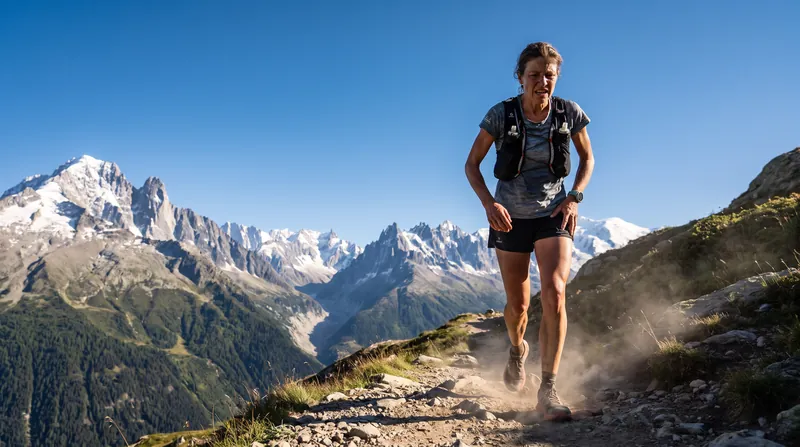
The 50-Millisecond Amortization Phase: How the Stretch-Shortening Cycle Maximizes Power Output
6 sources
Blood Flow Restriction
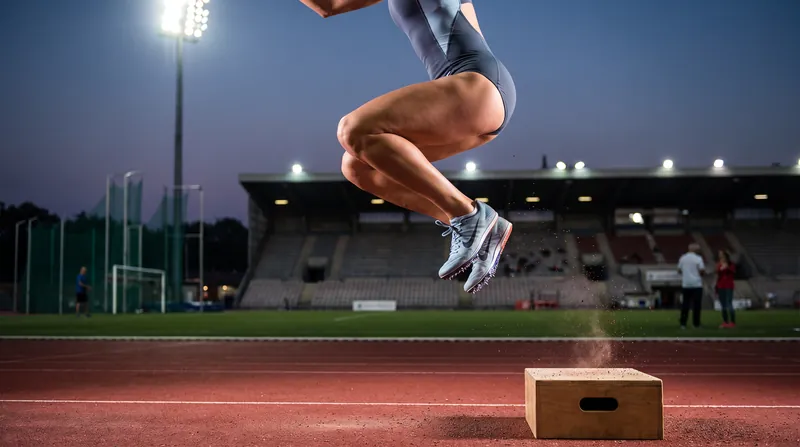
The 40-80% Arterial Occlusion Pressure: How Venous Pooling and Metabolic Stress Induce Muscle Hypertrophy at 20% 1RM
7 sources

Endurance Fueling
How Endurance Athletes Train the Gut to Prevent Gastrointestinal Distress
7 sources
Perceived Exertion
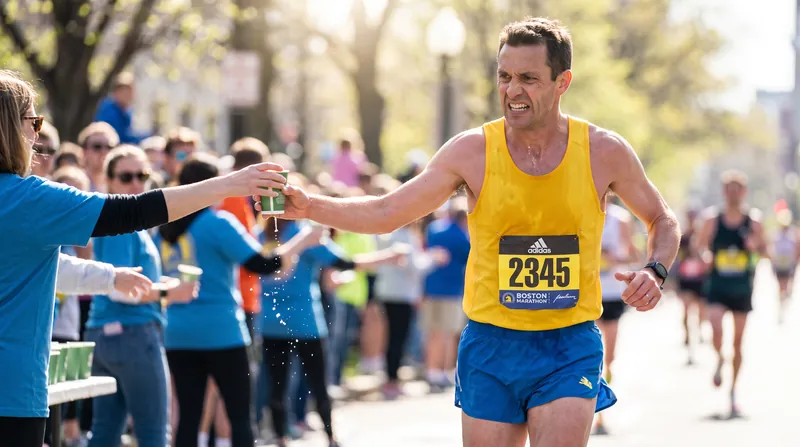
Borg's 6-to-20 Scale Anchors Perceived Exertion to Heart Rate and Lactate Threshold
6 sources
Comments
Every angle. Every day.
Get Fitness stories with full source coverage and perspective breakdowns, free every day.