
Combating Longshore Drift: How Seawalls, Groynes, and Sand Nourishment Protect Beaches
As coastal destinations face shifting sands, the choice between hard engineering and soft nourishment determines the future of our shorelines. Understanding the mechanics behind seawalls, groynes, and sand replenishment reveals how the world's most popular beaches are actively maintained.
By Kabir Mehra

Share this story
Walk onto the wide, welcoming sands of Miami Beach or the Gold Coast, and you are stepping onto a carefully engineered illusion. The perfect, unbroken expanse of sand that travelers seek out for summer getaways is rarely a purely natural phenomenon. Instead, it is the result of complex coastal mechanics working around the clock to hold the shoreline in place.[9]
To understand how beaches are preserved, you first have to feel the rhythm of the ocean. Waves do not just move water; they act as a massive, relentless conveyor belt for sediment. When waves strike the shoreline at an angle, they generate a current that runs parallel to the coast, a process known to coastal engineers as longshore drift.[2]
This natural mechanism constantly picks up sand from one end of a beach and deposits it further down the coast. In an untouched ecosystem, this is a balanced exchange where sand is continuously traded between neighboring shores. But when human development—hotels, boardwalks, and coastal highways—locks the shoreline in place, that natural migration becomes what we experience as beach erosion.[6]
For decades, the immediate instinct of coastal municipalities was to fight the ocean with concrete and stone. This approach, known as hard engineering, relies on rigid structures to absorb or deflect wave energy before it can wash the sand away. The most visible and imposing of these defenses is the seawall, a massive barrier built parallel to the shore.[3]
Seawalls are designed to protect the infrastructure behind them, and in that specific task, they are highly effective. When a winter storm surge hits, the concrete face reflects the wave energy back into the ocean, keeping the luxury resorts, coastal roads, and local businesses perfectly dry.[8]
However, that reflected energy has to go somewhere. As the wave bounces off the seawall, it scours the sand directly in front of it. Over time, this scouring effect deepens the water and entirely strips away the recreational beach, leaving only the wall itself and eliminating the very sand that tourists came to enjoy.[1]
To prevent this total loss of sand while still utilizing hard engineering, coastal engineers developed groynes. These are the long, finger-like structures of rock or timber that you often see jutting out into the ocean, sitting perpendicular to the shoreline.[4]
Groynes work by directly interrupting the longshore drift. As the current moves parallel to the coast, the groyne acts as a physical trap, catching the suspended sand on its updrift side. This creates a wide, stable beach area that is perfect for sunbathing, swimming, and setting up cabanas.[2]
But groynes come with a significant catch. While they successfully trap sand on one side, they starve the beach on the downdrift side. This creates a distinct "sawtooth" pattern along the coast, where one property enjoys a massive beach while its neighbor watches their sand disappear entirely, often leading to a domino effect of groyne construction down the coast.[4]
Recognizing the limitations and unintended consequences of concrete and rock, modern coastal management has increasingly turned to "soft engineering." The most prominent and traveler-friendly of these techniques is beach nourishment, a process that works with the ocean rather than fighting against it.[5]
Beach nourishment involves dredging massive quantities of compatible sand from offshore deposits and pumping it directly onto the eroding shoreline through massive pipes. Heavy machinery then profiles the sand, grading it to match the natural, gentle slope of the original beach.[7]
For the traveler, a nourished beach feels entirely natural. The sand is soft, the slope is gentle, and there are no concrete barriers blocking the view of the horizon. It restores the exact experiential quality that draws people to the coast in the first place, supporting the local tourism economy without creating eyesores.[9]
The challenge of nourishment is that it is not a permanent fix. Because it does not stop the underlying longshore drift, the newly deposited sand will eventually wash away just like the old sand did. Most nourished beaches require cyclical replenishment every five to ten years, making it a continuous, expensive commitment for local governments.[5]
To balance cost and longevity, many destinations now use a highly calibrated hybrid approach. By combining strategic, low-profile groynes with regular sand nourishment, engineers can slow down the rate of erosion while maintaining the wide, sandy expanses that tourists expect to see outside their hotel windows.[6]
As sea levels shift and coastal weather patterns evolve, the science of beach preservation is becoming even more sophisticated. Engineers are now exploring "living shorelines" that incorporate natural vegetation, dune restoration, and offshore oyster reefs to stabilize the sand naturally and absorb wave energy before it reaches the beach.[8]
The next time you lay down your towel on a pristine stretch of sand, take a moment to look at the shape of the coastline. Whether it is held in place by a hidden seawall, a rocky groyne, or a massive offshore dredging project, that perfect beach is a testament to our ongoing, complex partnership with the sea.[10]
Analysis by camp
The Engineering Perspective
Prioritizing structural defense and measurable wave energy reduction.
For coastal engineers, the shoreline is a dynamic mathematical problem. Their primary goal is to calculate wave energy, sediment transport rates, and structural load capacities to design interventions that will survive severe weather events. From this viewpoint, hard structures like seawalls and groynes are highly predictable tools. Engineers can precisely model how a concrete barrier will reflect a storm surge, making it easier to guarantee the safety of the infrastructure built directly behind it.
The Tourism Perspective
Focusing on the aesthetic and recreational value of the beach.
Municipalities that rely on tourism view the beach not just as a natural barrier, but as their primary economic engine. For these stakeholders, a seawall that strips away the sand is a failure, even if it keeps the hotels dry, because tourists will not pay to visit a concrete wall. This camp strongly advocates for continuous beach nourishment. While they acknowledge the high recurring costs of dredging and pumping sand, they view it as a necessary operational expense—much like paving roads or maintaining parks—required to keep their destination competitive.
The Conservation Perspective
Advocating for natural sediment flows and living shorelines.
Environmental conservationists argue that both hard engineering and aggressive dredging disrupt fragile marine ecosystems. Seawalls destroy the intertidal zones where many species live, while offshore dredging for nourishment can smother benthic habitats. This perspective pushes for a retreat from rigid coastal development, advocating instead for 'living shorelines' that use natural vegetation, oyster reefs, and restored dunes to absorb wave energy while maintaining ecological balance.
- Coastal Engineers
- Focus on measurable wave energy deflection, structural integrity, and the mathematical modeling of sediment transport.
- Tourism Boards & Municipalities
- Prioritize maintaining wide, aesthetically pleasing beaches to support local economies and protect valuable coastal real estate.
- Environmental Conservationists
- Advocate for minimizing disruption to natural sediment flows and marine habitats, favoring living shorelines over concrete.
Sources
Source coverage
10 outlets
3 viewpoints surfaced








- [1]Journal of Coastal ResearchCoastal Engineers
The Effects of Seawalls on the Beach: Part I, An Updated Literature Review
Read on Journal of Coastal Research → - [2]Coastal WikiCoastal Engineers
Groynes as shore protection
Read on Coastal Wiki → - [3]Coastal WikiCoastal Engineers
Seawalls and revetments
Read on Coastal Wiki → - [4]Climate-ADAPTEnvironmental Conservationists
Groynes, breakwaters and artificial reefs
Read on Climate-ADAPT → - [5]Climate-ADAPTEnvironmental Conservationists
Beach and shoreface nourishment
Read on Climate-ADAPT → - [6]The National Academies PressCoastal Engineers
Chapter: 3 Methods for Addressing Erosion
Read on The National Academies Press → - [7]GeoScienceWorld BooksTourism Boards & Municipalities
Beach Nourishment
Read on GeoScienceWorld Books → - [8]Climate Technology Centre & NetworkEnvironmental Conservationists
Sea walls
Read on Climate Technology Centre & Network → - [9]The Nicholas Institute for Energy, Environment & SustainabilityTourism Boards & Municipalities
Beach Nourishment
Read on The Nicholas Institute for Energy, Environment & Sustainability → - [10]Factlen Editorial Team
Synthesis by Factlen editorial team
Read on Factlen Editorial Team →
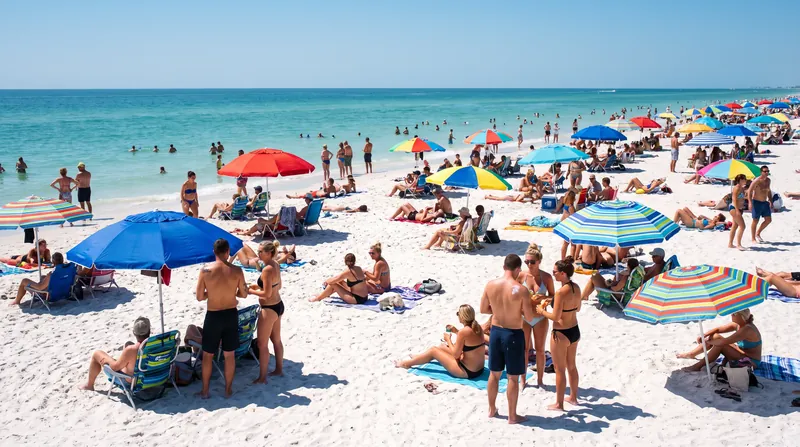
More in Travel
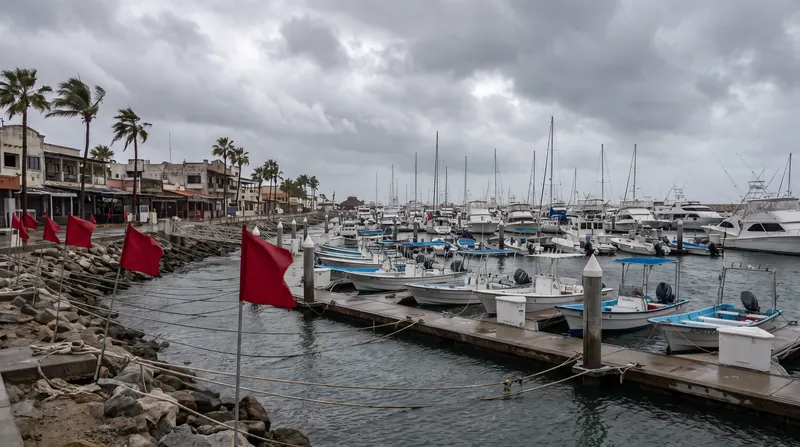
See all →Baja Storm Watch
Hurricane Polo Prompts Port Closures and Travel Warnings Across Mexico's Baja Peninsula
5 sources
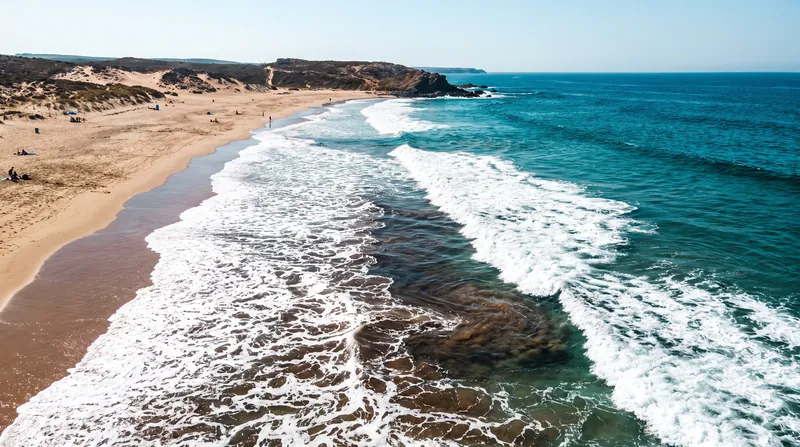
Rip Currents
The 0.5-Meter-Per-Second Threshold: How the US National Weather Service Actually Defines a Rip Current's Danger Level
4 sources
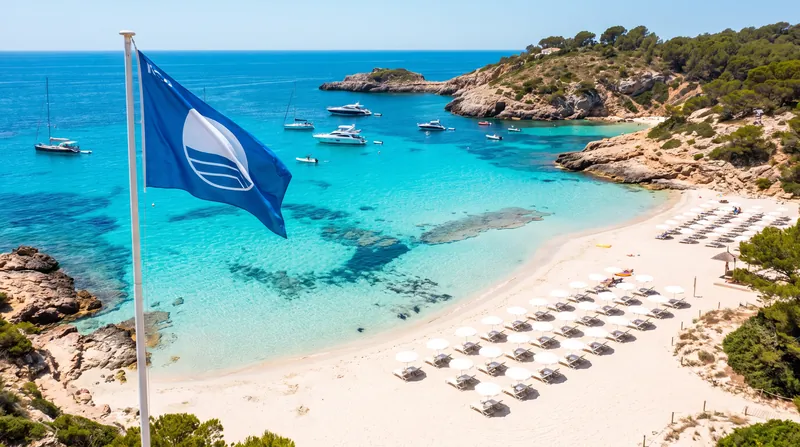
Blue Flag Awards
The 2026 Blue Flag Rankings: How the World's Strictest Beach Certification Actually Works
5 sources
Bioluminescence
The 0.1-Second Flash: How Dinoflagellates Actually Create Bioluminescent Beaches
4 sources
Comments
Every angle. Every day.
Get Travel stories with full source coverage and perspective breakdowns, free every day.