
The End of the Trackside Restart: How the FIM’s 2026 Rule Change Rewrites Motorcycle Racing Safety
Starting in 2026, MotoGP and WorldSBK riders can no longer restart stalled motorcycles in trackside run-off areas, a major regulatory shift designed to protect volunteer marshals from live traffic.

Share this story
For decades, it has been one of the most dramatic sights in motorcycle racing: a rider tumbling through the gravel, sprinting to their battered machine, and frantically bump-starting it in the run-off area while rival bikes scream past at 150 mph.
It is a display of pure adrenaline and competitive desperation. But starting in the 2026 season, that heroic trackside scramble will be officially outlawed across all circuit racing championships sanctioned by the Fédération Internationale de Motocyclisme (FIM).
The new directive mandates that any motorcycle whose engine stops after a crash can no longer be restarted on the track or in the run-off areas.
Instead, the rider and the trackside marshals must immediately push the dead machine behind the first line of protection—typically the tire barriers or air fences—onto the designated service road.
Only once the bike is safely behind the wall can the rider attempt to bring the engine back to life.
The regulatory shift, which applies to premier classes like MotoGP and the World Superbike Championship (WorldSBK), as well as the Endurance World Championship, represents a massive structural change to how the sport handles mid-race incidents.
The primary catalyst for the ban is the safety of the trackside marshals. These volunteer workers are the lifeblood of motorsport, tasked with waving warning flags, clearing debris, and assisting downed riders.
Under the old rules, marshals frequently found themselves standing in exposed gravel traps or paved run-off zones for extended periods while a rider struggled to fire up a stalled engine.
The FIM noted in its official communication to circuit racing clerks and national federations that the overriding reason for the change is to minimize the exposure of track marshals to danger.
The danger is not merely theoretical. In recent seasons, race direction has grown increasingly frustrated with riders ignoring marshal instructions or lingering in impact zones during live qualifying sessions, effectively ruining the laps of oncoming riders who are forced to slow down for yellow flags.
The new protocol introduces a strict sequence of operations. If a bike stalls, marshals are permitted to help the rider lift the machine and push it to the service road.
However, once behind the barrier, the rider must work entirely alone. The rules explicitly state that no outside assistance can be given while the rider makes repairs, adjusts bent levers, or attempts to bump-start the engine in the service road.
If the rider successfully restarts the bike without outside mechanical help, they are permitted to rejoin the session or the race.
There is a crucial loophole that riders will undoubtedly attempt to exploit: if the engine never stops running during the crash, the rider can simply pick the bike up and ride away without going behind the wall.
This tactical reality means riders will likely go to extreme lengths to keep the clutch pulled in while sliding across the asphalt, desperately trying to prevent the engine from stalling.[1]
Even if a rider manages to keep the engine alive, marshals now possess the ultimate veto power. If a track worker spots a fluid leak, a dangling fairing, or any damage that could compromise the safety of the circuit, they are authorized to physically prevent the rider from re-entering the track.
The FIM is not the first governing body to recognize the inherent dangers of crashed motorcycles rejoining the fray. The British Superbike Championship (BSB) implemented a much stricter version of this rule back in 2012.
BSB's ban was triggered by a disastrous incident at Brands Hatch, where a rider remounted a damaged bike and unknowingly deposited a trail of engine fluid around the entire circuit, ruining the track surface during a rainstorm.
While the BSB rule mandates an automatic Did Not Finish for any crash, the FIM's 2026 compromise allows riders to continue, provided they follow the new safety protocols.
The implementation will vary slightly between series. In WorldSBK practice and Superpole sessions, riders who crash and restart behind the wall can use the track to return to the pits, but they cannot start a new flying lap.
In MotoGP, riders who successfully navigate the service-road restart are free to continue their session or race as normal.
While fans may mourn the loss of the chaotic, gravel-spraying trackside restart, the consensus within the paddock is clear: protecting the volunteers who make racing possible must take precedence over the spectacle.[1]
Key points
- Starting in 2026, FIM regulations ban restarting stalled motorcycles in trackside run-off areas.
- Stalled bikes must be pushed behind the first line of protection onto a service road.
- Only the rider is permitted to make repairs or attempt a restart once behind the barrier.
- If the engine remains running during a crash, the rider can rejoin the track immediately.
What we don’t know
- How strictly marshals will enforce the 'no outside assistance' rule when a rider is struggling to repair a bike on the service road.
- Whether the new rule will lead to an increase in rider injuries as they attempt to hold the clutch during high-speed crashes.
How we got here
2012
The British Superbike Championship implements a strict no-remount rule after a massive fluid spill at Brands Hatch.
May 2025
Fabio Quartararo is penalized at Le Mans for ignoring marshal instructions after a crash.
Late 2025
MotoGP stewards begin issuing tentative penalties for riders causing hazards in run-off areas during qualifying.
January 2026
The FIM officially publishes the updated 2026 rulebook banning trackside restarts.
March 2026
The new regulations take effect at the opening round of the MotoGP and WorldSBK seasons.
- Safety Advocates & Officials
- Argue that exposing volunteer marshals to live racing traffic in run-off areas is an unacceptable and unnecessary risk.
- Riders & Teams
- Focused on the tactical implications, noting that riders will now go to extreme lengths to keep the clutch pulled during a slide to prevent the engine from stalling.
- Racing Purists & Fans
- Lament the loss of the heroic, adrenaline-fueled trackside restart, though most concede the safety benefits outweigh the spectacle.
Perspectives this story doesn't cover
- Circuit designers who build the run-off areas
- Motorcycle manufacturers adapting engine idle software
Sources
Source coverage
1 outlets
3 viewpoints surfaced

- [1]RedditRacing Purists & Fans
FIM Bans Track Side Restarts In WorldSBK And MotoGP
Read on Reddit →

More in Automotive & Transportation
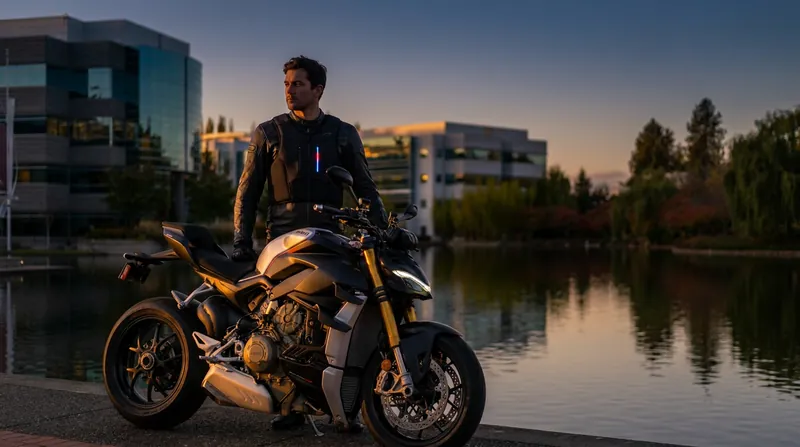
See all →Smart Armor
Autonomous Airbag Vests Use AI and IMU Sensors to Predict Motorcycle Crashes
4 sources
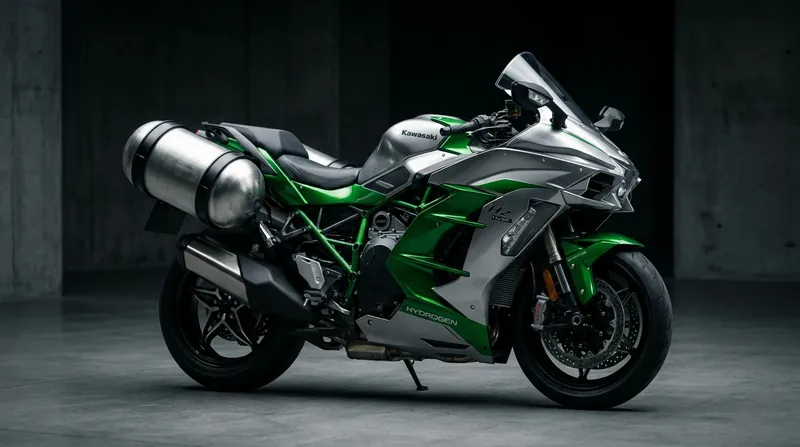
Hydrogen ICE
How Kawasaki is Trying to Save the Combustion Engine with Hydrogen
2 sources
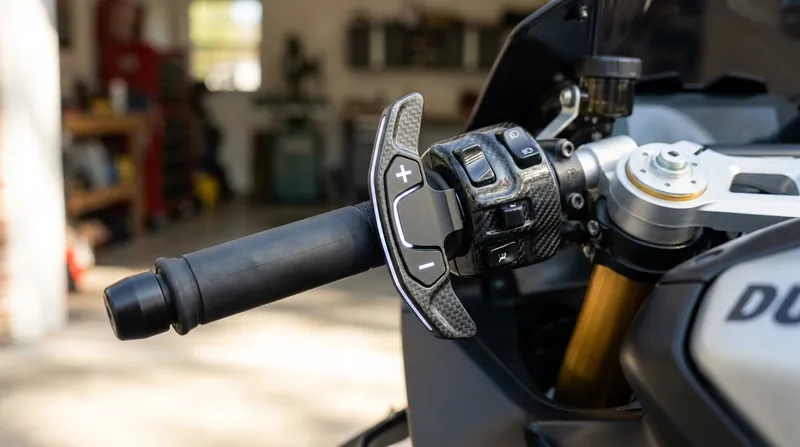
Smart Transmissions
The Death of the Clutch Lever: How Smart Transmissions are Rewiring the Motorcycle
3 sources
Motorcycle Tech
The Digital Co-Pilot: How Radar and AI Are Revolutionizing Motorcycle Safety
4 sources

Comments
Every angle. Every day.
Get Automotive & Transportation stories with full source coverage and perspective breakdowns, free every day.