
Protein-Based Gel Mimics Amelogenin to Regenerate Lost Enamel, Offering First Functional Repair for Tooth Decay
Researchers have developed a fluoride-free, protein-based gel that mimics natural tooth development to rebuild lost enamel. By drawing minerals from saliva, the biomimetic scaffold structurally regenerates the tooth surface, offering a potential end to drill-and-fill dentistry.
By Maya Khalil

Share this story
For decades, the fundamental rule of dentistry has been absolute: once tooth enamel is gone, it is gone forever. As the hardest substance in the human body, enamel lacks living cells, rendering it entirely incapable of self-repair after being eroded by dietary acids or bacterial decay. This biological limitation has forced modern dentistry to rely almost exclusively on synthetic interventions—drilling away decay and plugging the resulting holes with amalgam, composite resins, or ceramic crowns.[1]
That paradigm is now facing a profound disruption. An international research team led by scientists at the University of Nottingham has successfully developed a bio-inspired, protein-based gel capable of functionally regenerating lost tooth enamel. Published in the journal Nature Communications, the breakthrough demonstrates that damaged teeth can be coaxed into rebuilding their own protective layers using the body's natural mineralization processes.[1]
To understand how the gel works, researchers had to look back at how teeth form in the first place. During infancy, before teeth erupt through the gums, enamel is meticulously constructed on a microscopic scaffold made of natural proteins, primarily one called amelogenin. This protein matrix guides calcium and phosphate ions into highly organized, tightly packed crystal structures. Once the tooth is fully formed and erupts, the amelogenin is lost, taking the tooth's regenerative capacity with it.[1]
The Nottingham team sought to artificially recreate that lost scaffolding. They engineered synthetic proteins known as elastin-like recombinamers (ELRs), specifically designing them to mimic the structural behavior of natural amelogenin. When formulated into a gel, these proteins can be painted directly onto the surface of a damaged tooth, acting as a biomimetic proxy for the biological machinery that originally built the enamel.[1]
The application process is remarkably straightforward, mirroring the way clinical dentists currently apply standard fluoride varnishes. However, unlike fluoride—which merely hardens the existing outer surface to slow further decay—this new gel actively facilitates controlled, microscopic regrowth. It seeps into microscopic cracks, pits, and eroded areas, establishing a robust, three-dimensional matrix.[2]
Once anchored in the damaged tooth, the gel initiates a process called epitaxial mineralization. Acting as a molecular magnet, the protein scaffold draws naturally occurring calcium and phosphate ions out of the patient's saliva. It then directs these minerals to crystallize in exact alignment with the surviving enamel architecture, ensuring the new growth is structurally identical to the original tissue.[1][2]
Under an electron microscope, the transformation is stark. What begins as a chaotic, pitted surface of demineralized enamel gradually transforms over two to four weeks into a layered, organized crystal growth. Because the new hydroxyapatite crystals grow seamlessly from the existing ones, the tooth is not merely coated in a protective layer; it is fundamentally rebuilt from the inside out.
Crucially, the regenerated enamel is not just cosmetically identical—it is functionally robust. The research team subjected the newly grown enamel to rigorous mechanical testing designed to simulate the harsh realities of the human mouth. After enduring simulated tooth brushing, the heavy mechanical loads of chewing, and exposure to highly acidic foods, the regrown tissue behaved exactly like healthy, natural enamel.[1]
The gel's applications extend beyond surface-level enamel repair. Researchers found that it can also be applied to exposed dentin—the sensitive, bone-like bulk of the tooth that lies beneath the enamel. By growing an enamel-like protective layer directly over bare dentin, the gel could offer a permanent biological cure for severe tooth hypersensitivity, a condition that currently relies on temporary desensitizing toothpastes.[1][2]
The timing of this breakthrough carries unexpected political weight, particularly in the United States. The Nottingham gel is entirely fluoride-free. While this was a neutral design choice by the researchers, it arrives just as water fluoridation faces intense scrutiny and regulatory challenges from the U.S. Department of Health and Human Services. A highly effective, fluoride-free regenerative treatment offers the dental establishment a scientifically sound alternative that sidesteps ongoing public health debates.
Despite the immense promise, clinical experts caution that regenerating enamel in a controlled laboratory setting on extracted teeth is vastly different from achieving the same results in the dynamic, bacteria-rich environment of a living human mouth. Saliva flow rates, dietary habits, and oral microbiomes vary wildly between patients, all of which could impact the gel's ability to maintain its scaffold and draw sufficient minerals.
To bridge this gap, human clinical trials are scheduled to begin in early 2026. These trials will determine critical practicalities: how well the gel adheres in a real mouth, how many applications are required to achieve meaningful thickness, and whether the regenerated layer genuinely reduces the incidence of future cavities in high-risk patients.
If the trials succeed, the implications for global health are staggering. Enamel degradation is a primary driver of tooth decay, a condition that currently affects nearly half of the global population. Transitioning from a reactive model of drilling and filling to a proactive model of biological regeneration could democratize dental care, offering a painless, scalable, and non-invasive solution to one of humanity's most common ailments.[2]
Key points
- A new protein-based gel can functionally regenerate lost tooth enamel by mimicking natural biological processes.
- The gel uses engineered proteins to create a scaffold that draws calcium and phosphate from saliva.
- New hydroxyapatite crystals grow in exact alignment with the existing tooth, restoring its original strength.
- The treatment is entirely fluoride-free and can be applied rapidly, similar to current dental varnishes.
Unanswered questions
- How many applications of the gel will be required to achieve clinically significant enamel thickness in a living patient.
- Whether the gel can effectively adhere and mineralize in mouths with low saliva production or highly acidic microbiomes.
- The exact cost of the treatment once commercialized and whether dental insurance will classify it as preventative or restorative.
How we got here
Early Development
Researchers identify amelogenin as the critical protein scaffold responsible for guiding enamel crystal growth in infancy.
November 2025
The University of Nottingham team publishes breakthrough findings in Nature Communications detailing a synthetic protein gel that mimics amelogenin.
Late 2025
Laboratory testing confirms the regenerated enamel matches the mechanical strength and acid resistance of natural healthy teeth.
Early 2026
Scheduled commencement of human clinical trials to test the gel's efficacy and durability in real-world conditions.
- Regenerative Dental Researchers
- Scientists focused on biomaterials view this as the beginning of the end for synthetic dental restorations.
- Clinical Dentists
- Practicing dentists are optimistic but focused on real-world durability and application protocols.
- Public Health Skeptics
- Health officials emphasize the need for rigorous human trials before declaring an end to traditional dentistry.
Perspectives this story doesn't cover
- Dental Insurance Providers
- Manufacturers of Traditional Dental Restoratives
Sources
Source coverage
2 outlets
3 viewpoints surfaced


- [1]ScienceAlertRegenerative Dental Researchers
Dentists Could Soon 'Regrow' Your Tooth Enamel With a Simple Gel
Read on ScienceAlert → - [2]Dental TribuneClinical Dentists
New gel that regenerates enamel brings 'new opportunities' for dentistry
Read on Dental Tribune →
More in Health
See all →Regenerative Dentistry
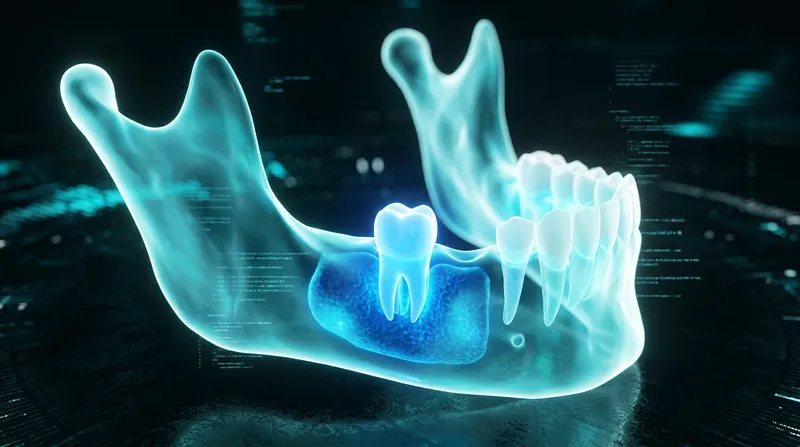
Japanese Scientists Advance Human Trials for Drug That Regrows Lost Teeth
5 sources
Dental Tech
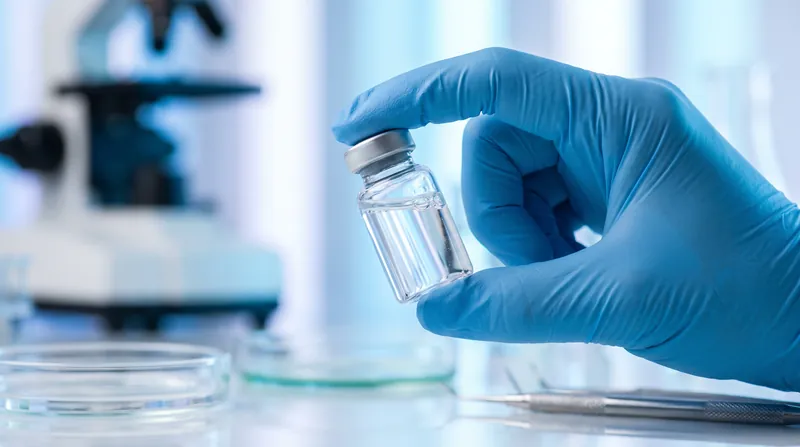
Scientists Develop Fluoride-Free Gel That Can Regrow Damaged Tooth Enamel
3 sources
Dental Imaging
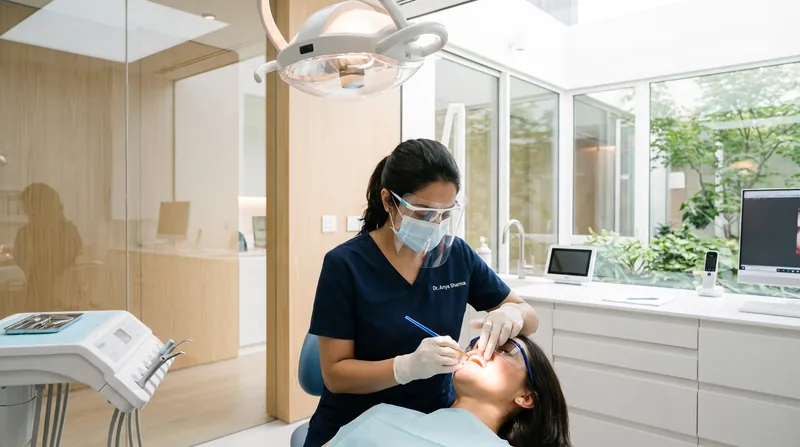
FDA Clears First-Ever Dental-Dedicated MRI for Non-Ionizing Soft-Tissue Diagnostics
3 sources
Dental Tech
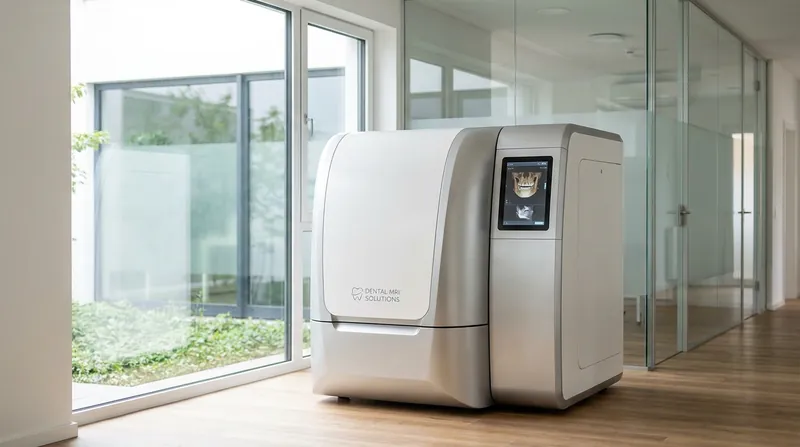
Landmark ADA/AAOMR Consensus Recommends Ending Use of Thyroid Shields in Dental X-Rays
4 sources
Comments
Every angle. Every day.
Get Health stories with full source coverage and perspective breakdowns, free every day.