
Philippine Senate Opens Historic Impeachment Trial of Vice President Sara Duterte
The Philippine Senate has officially convened as an impeachment court to try Vice President Sara Duterte on charges of constitutional violations and betrayal of public trust. The trial marks the definitive collapse of the ruling political dynasty alliance and threatens to destabilize the nation ahead of the 2028 elections.
By Adel Khoury

Share this story
The Philippine Senate officially convened as an impeachment court on Monday, marking the beginning of a historic trial that threatens to upend the nation's political landscape. Vice President Sara Duterte faces articles of impeachment transmitted by the House of Representatives, centering on allegations of constitutional violations and the betrayal of public trust.
The proceedings represent the definitive collapse of the "UniTeam" alliance that swept Duterte and President Ferdinand Marcos Jr. into power just four years ago. As the gavel fell to open the session, the capital of Manila braced for months of intense political theater and potential civil unrest.[1][4]
The core of the prosecution's case revolves around the rapid disbursement of ₱125 million in confidential funds during Duterte's tenure as Secretary of Education in 2022. House prosecutors allege that the funds were spent in a mere 11 days without proper congressional authorization or transparent auditing.
The articles of impeachment characterize this as a gross misuse of public money and a direct violation of the Philippine Constitution's strict guidelines on the national budget. Duterte's legal team has consistently denied these allegations, arguing that the funds were utilized legally for national security and youth protection initiatives.
Understanding the mechanism of the trial is crucial to grasping its high stakes. The Philippine House of Representatives acts as the grand jury, having already voted to impeach the Vice President by a simple majority. Now, the 24-member Senate serves as the jury, with House lawmakers acting as prosecutors.
To secure a conviction and remove Duterte from office, the prosecution must convince at least 16 senators—a two-thirds supermajority. This mathematical threshold makes the Senate a highly volatile battleground, as individual senators weigh their legal duties against their political futures ahead of the 2028 national elections.
The trial is the culmination of a bitter, year-long feud between the Marcos and Duterte political dynasties. The two families formed a formidable coalition in 2022, combining Marcos's stronghold in the northern Philippines with the Duterte family's massive popularity in the southern region of Mindanao. However, the alliance began to fracture over policy disagreements, budget allocations, and maneuvering for the 2028 presidential race. Duterte resigned from her cabinet post as Education Secretary in mid-2024, signaling an open break with the administration and setting the stage for the current constitutional crisis.[4]
House Speaker Martin Romualdez, a first cousin of President Marcos, has been the primary architect of the impeachment effort in the lower chamber. Duterte's camp has repeatedly accused Romualdez of orchestrating a political witch hunt designed to eliminate her as the leading presidential contender for 2028. The defense argues that the charges are entirely fabricated, weaponizing the legislative branch to neutralize a political rival. Romualdez and his allies counter that the impeachment is a necessary exercise in accountability, asserting that no official, regardless of their popularity, is above the law.[2][4]
The evidentiary phase of the trial will heavily feature reports from the Commission on Audit (COA). Prosecutors plan to present documentary evidence and witness testimony detailing how the confidential funds were requested, released, and ultimately spent. Legal experts anticipate fierce battles over the admissibility of certain financial records and the definition of "betrayal of public trust," a somewhat broad constitutional standard that allows senators significant leeway in their interpretation. The defense is expected to challenge the jurisdiction of the House to dictate executive spending priorities.
Beyond the legal arguments, the trial is a proxy war for the geopolitical alignment of the Philippines. Under President Marcos, Manila has aggressively pivoted back toward its traditional treaty ally, the United States. The administration has expanded U.S. military access to Philippine bases under the Enhanced Defense Cooperation Agreement (EDCA) and taken a much firmer stance against Chinese incursions in the South China Sea. This represents a sharp reversal from the foreign policy of former President Rodrigo Duterte, Sara's father, who actively courted Beijing and distanced Manila from Washington.
Geopolitical analysts note that Beijing is watching the impeachment trial with intense interest. Sara Duterte is widely viewed as the most prominent political figure capable of returning the Philippines to a pro-China, or at least non-aligned, foreign policy. If she is convicted and barred from holding future public office, China loses its most viable pathway to regaining influence in Malacañang Palace in 2028. Conversely, the United States views the stability of the Marcos administration as vital to its Indo-Pacific strategy and its efforts to deter Chinese aggression in the region.
The economic fallout from the political crisis is already materializing. The Philippine peso has experienced increased volatility, and the local stock market has seen a pullback as foreign investors adopt a wait-and-see approach. Business groups have expressed concern that the trial will paralyze the legislative agenda, delaying crucial economic reforms and infrastructure projects. The uncertainty surrounding the second-highest office in the land creates a risk premium that could dampen foreign direct investment at a time when the country is trying to capitalize on supply chain diversification away from China.[3]
The political math in the Senate remains the trial's biggest unknown. While the House is firmly controlled by the Marcos-Romualdez faction, the Senate has traditionally operated with more independence. Several senators are openly allied with the Duterte family, while others are positioning themselves for their own presidential or re-election campaigns. Securing the 16 votes required for conviction will require intense backroom negotiations, and any perceived overreach by the prosecution could alienate swing voters in the chamber.[1]
The potential outcomes of the trial carry starkly different consequences for the nation. A conviction would result in Duterte's immediate removal from office and perpetual disqualification from holding any public position. This would effectively decapitate the political opposition and clear the field for a Marcos-aligned candidate in 2028. However, it could also trigger massive protests in Mindanao, where the Duterte family maintains a fiercely loyal base, raising the specter of regional destabilization and a deeper fracturing of the national identity.[2][4]
Conversely, an acquittal would be a devastating political blow to President Marcos and Speaker Romualdez. It would embolden the Duterte faction, validating their claims of political persecution and providing Sara Duterte with immense momentum heading into the next election cycle.
An acquitted Vice President would likely spend the remainder of her term as a highly vocal and disruptive opposition leader, leading to a paralyzed executive branch and a deeply polarized electorate. As the first witnesses are called to the stand, the Philippines faces its most severe constitutional stress test in decades.[1][4]
Key points
- The Philippine Senate has opened the impeachment trial of Vice President Sara Duterte.
- Charges center on the alleged misuse of ₱125 million in confidential funds in 2022.
- Prosecutors need 16 of 24 Senate votes to secure a conviction and remove her from office.
- Duterte's camp claims the trial is a political witch hunt to eliminate her from the 2028 presidential race.
What we don’t know
- Whether the prosecution can secure the 16 Senate votes required for a conviction.
- How fiercely Duterte's supporters in Mindanao will react if she is removed from office.
- Whether the trial will uncover new evidence regarding the specific use of the confidential funds.
How we got here
May 2022
Ferdinand Marcos Jr. and Sara Duterte win the presidential and vice-presidential elections under the 'UniTeam' alliance.
December 2022
The Office of the Vice President spends ₱125 million in confidential funds over an 11-day period, sparking initial scrutiny.
June 2024
Sara Duterte resigns as Secretary of Education, signaling a formal break with the Marcos administration.
Late 2025
The House of Representatives votes to impeach Vice President Duterte, transmitting the articles to the Senate.
July 2026
The Philippine Senate officially convenes as an impeachment court to begin the trial.
- Accountability Advocates
- Argue that the rapid disbursement of confidential funds violated the constitution and requires strict legislative oversight.
- Duterte Loyalists
- View the impeachment as a fabricated political witch hunt designed by the Marcos faction to eliminate a 2028 presidential rival.
- Geopolitical & Market Observers
- Focus on how the trial destabilizes the Philippine economy and serves as a proxy battle between US and Chinese influence in the region.
Perspectives this story doesn't cover
- Local government officials in Mindanao who rely on the Duterte family's patronage
- Philippine military leadership navigating the political divide
Sources
Source coverage
4 outlets
3 viewpoints surfaced




- [1]ReutersGeopolitical & Market Observers
Philippine Senate opens historic impeachment trial of VP Sara Duterte
Read on Reuters → - [2]Philippine Daily InquirerDuterte Loyalists
Duterte camp decries 'political witch hunt' as trial begins
Read on Philippine Daily Inquirer → - [3]BloombergGeopolitical & Market Observers
Philippine markets brace for volatility as Duterte impeachment trial kicks off
Read on Bloomberg → - [4]Al JazeeraDuterte Loyalists
Philippine Vice President Duterte’s impeachment trial begins: What we know
Read on Al Jazeera →
More in News & Politics
See all →Immigration Enforcement
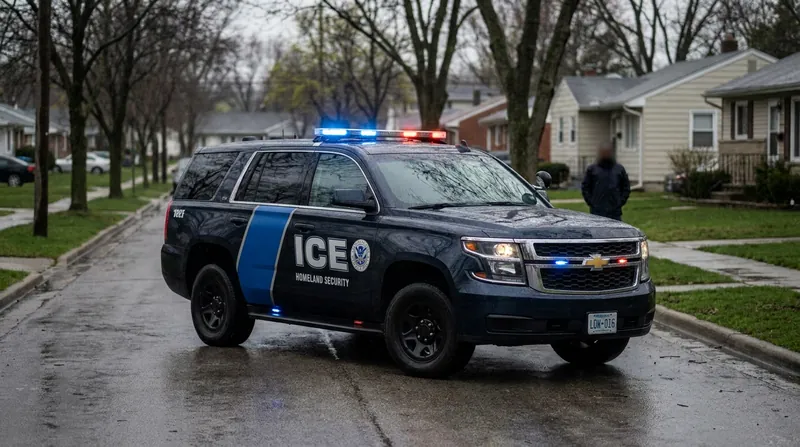
Trump Administration Suspends Routine ICE Vehicle Stops Following String of Fatalities
7 sources
Jan 6 Prosecutions
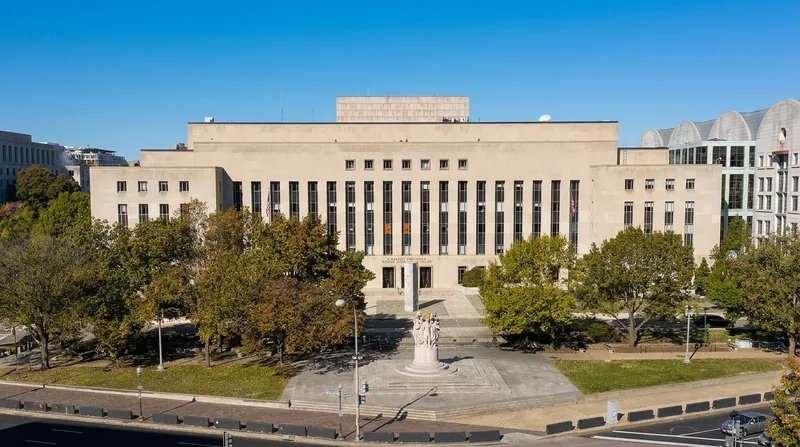
Federal Judge Dismisses Remaining Proud Boys Seditious Conspiracy Charges Following Trump Clemency Directive
4 sources
Immigration Policy
Trump Administration to Open 528-Bed Migrant Staging Center Next to Louisiana Deportation Hub
3 sources

NATO Summit
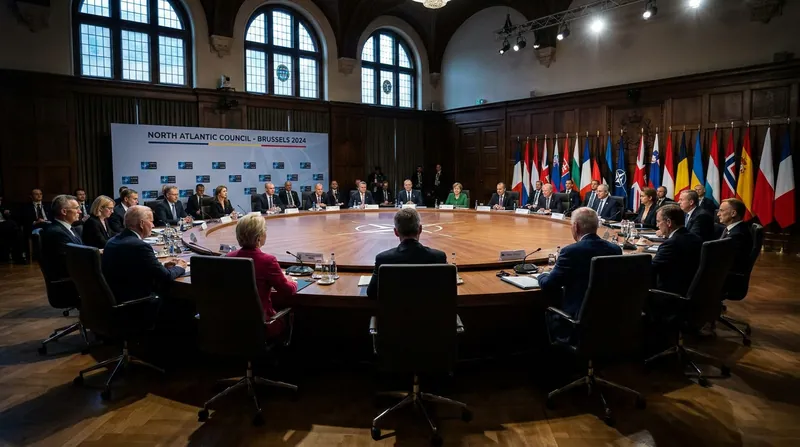
High-Stakes NATO Summit Opens as Trump Pressures Allies on Defense Spending and 'Loyalty'
5 sources
Comments
Every angle. Every day.
Get News & Politics stories with full source coverage and perspective breakdowns, free every day.