
Manchester United Secures Land for Proposed 100,000-Seat Stadium
Manchester United has acquired the majority of the land required to construct a new 100,000-capacity stadium, marking a major milestone in the club's ambitious infrastructure regeneration project.
By Jackson Reed

Share this story
Manchester United has officially acquired the majority of the land necessary to build a proposed 100,000-seater stadium, taking a decisive step toward realizing one of the most ambitious infrastructure projects in European football history. The club announced the acquisition on Monday, signaling that the long-discussed transition away from the historic but aging Old Trafford is moving from concept to concrete reality. The newly secured parcels sit adjacent to the current stadium in the Trafford Park industrial estate, providing the necessary footprint for a sprawling modern campus.[1][3]
The land deal is the linchpin of minority owner Sir Jim Ratcliffe's vision to create a "Wembley of the North." Since INEOS assumed control of the club's football operations, Ratcliffe has been vocal about the need for a state-of-the-art facility that rivals the best in the world, arguing that the north of England deserves a venue capable of hosting major international finals.
By purchasing the adjacent land, the club avoids the logistical nightmare of having to play away from home for years while a rebuild takes place on the exact site of the current stadium.[2][4]
At a proposed capacity of 100,000, the new stadium would dwarf the current 74,000-seat Old Trafford and comfortably surpass Wembley Stadium's 90,000 seats to become the largest club venue in the United Kingdom. This massive expansion is designed to address a chronic ticket shortage for the club's matches, while simultaneously transforming matchday revenue streams. Modern hospitality suites, expanded concourses, and integrated digital infrastructure are expected to bring the club's commercial capabilities in line with European giants like Real Madrid and Tottenham Hotspur.[5]
Beyond the pitch, the project is being framed as a catalyst for sweeping urban renewal. Local officials and urban planners view the stadium as the anchor for a broader regeneration of the Trafford Park area. The master plan includes mixed-use developments featuring new housing, commercial spaces, and significantly upgraded transport links. By integrating the stadium into a modernized neighborhood, the club aims to create a 365-day destination rather than a venue that only comes alive on matchdays.[3]
Financing the estimated £2 billion project remains a complex puzzle, but the land acquisition demonstrates serious financial commitment. While the stadium itself is expected to be funded through a mix of private investment and debt secured by the club's ownership, INEOS has publicly advocated for a public-private partnership to fund the surrounding transport infrastructure. Discussions with local and national government bodies are ongoing to secure grants for the expanded railway and tram connections required to move 100,000 people safely and efficiently.[4][5]
For the fanbase, the development brings a mix of soaring excitement and inevitable nostalgia. Old Trafford has been the club's home since 1910, hosting decades of triumphs, tragedies, and iconic moments. However, years of underinvestment had left the "Theatre of Dreams" with leaking roofs, cramped concourses, and outdated facilities. Supporter trusts have largely backed the new build, acknowledging that to compete at the highest level, the club desperately needs a facility fit for the 21st century.
Crucially, the club does not plan to simply bulldoze its history. Current proposals suggest that the original Old Trafford could be scaled down to a 30,000-seat venue rather than being demolished entirely. This preserved, smaller-scale stadium would serve as the permanent home for the Manchester United Women's team and the club's academy squads, ensuring that the historic turf continues to host competitive football while honoring the site's legacy.[2]
With the land now secured, the project enters its next critical phase. The club's stadium task force, chaired by Lord Seb Coe, is expected to finalize its formal recommendations by the end of the year. Following that, Manchester United will need to submit comprehensive planning applications to Trafford Council and begin the process of selecting a lead architect to design the sweeping new skyline addition.[1]
The essentials
- Manchester United has acquired the majority of the land needed for a new 100,000-seat stadium.
- The proposed venue would surpass Wembley to become the largest stadium in the UK.
- The project aims to anchor a massive economic regeneration of the Trafford Park area.
- The original Old Trafford may be scaled down to a 30,000-seat home for the women's and academy teams.
- The club will now move toward finalizing designs and submitting formal planning applications.
Timeline
Feb 2024
Sir Jim Ratcliffe's INEOS acquires a minority stake and assumes control of football operations.
Mar 2024
A stadium task force, chaired by Lord Seb Coe, is created to explore options for Old Trafford.
Late 2024
Internal recommendations shift from renovating the current stadium to building a brand new facility.
Jun 2026
The club officially acquires the majority of the adjacent land required for the new 100,000-seat project.
- Club Ownership
- Views the new stadium as an essential step to modernize the club's commercial operations and restore its status as a global football superpower.
- Local Planners
- Focuses on the broader economic benefits, viewing the stadium as a catalyst for housing, jobs, and transport upgrades in Trafford Park.
- Supporter Groups
- Balances excitement for world-class facilities with a desire to preserve the heritage and historical significance of the original Old Trafford site.
Perspectives this story doesn't cover
- Rival Premier League clubs
- Local residents facing potential displacement or construction disruption
Sources
Source coverage
5 outlets
3 viewpoints surfaced





- [1]ESPNClub Ownership
Man United acquire land for new stadium
Read on ESPN → - [2]BBC SportSupporter Groups
No signings, no sales - what is happening at Manchester United?
Read on BBC Sport → - [3]Sky SportsLocal Planners
Man Utd secure land to build new 100,000-seater stadium
Read on Sky Sports → - [4]The GuardianClub Ownership
Socceroos enter last chance saloon with Mexico friendly to shape World Cup dreams | Jack Snape
Read on The Guardian → - [5]Financial TimesClub Ownership
Manchester United advances £2bn stadium project with land acquisition
Read on Financial Times →
More in Sports
See all →World Cup
World Cup Final Four Set: France Faces Spain, Argentina Clashes with England in Blockbuster Semi-Finals
6 sources
World Cup 2026
Norway Upsets Brazil in World Cup Round of 16 as Neymar Announces International Retirement
4 sources

AC Milan Rebuild
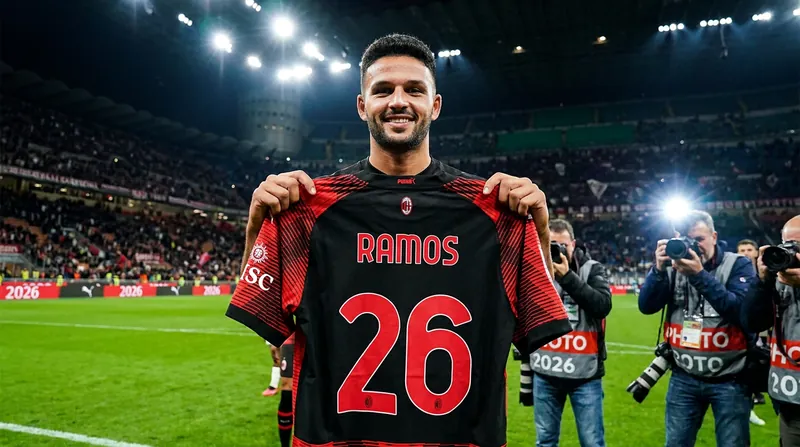
AC Milan Announces Record-Breaking Signing of Goncalo Ramos in Blockbuster Transfer Deal
2 sources
National Team Reset
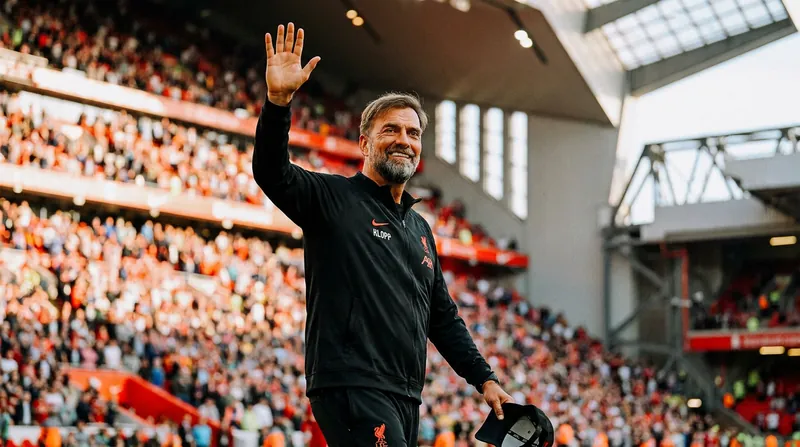
Nagelsmann Steps Down as Germany Coach; DFB Pivots to Jürgen Klopp in Major Reset
3 sources
Comments
Every angle. Every day.
Get Sports stories with full source coverage and perspective breakdowns, free every day.