
Italy Misses 2026 World Cup as Curaçao Becomes Smallest Nation Ever to Qualify
Four-time champion Italy failed to qualify for its third consecutive World Cup, while the Caribbean island of Curaçao secured its first-ever berth to become the smallest nation in tournament history.

Share this story
Four-time World Cup champion Italy will watch the 2026 tournament from home, while the Caribbean island of Curaçao is packing its bags for the global stage. In a historic shift for international soccer, the Azzurri failed to qualify for their third consecutive World Cup, just as Curaçao secured its first-ever berth to become the smallest nation in tournament history.[1][2]
The defining moments of the qualification cycle arrived in a dramatic playoff finish that reshaped the sport's hierarchy. Curaçao sealed its historic ticket with a tense 0-0 draw against Jamaica in Kingston. The result capped an undefeated run through CONCACAF qualifying that saw the islanders outscore opponents by nearly 2.5 goals a game.[2][5]
Across the Atlantic, a national nightmare unfolded in Zenica. Needing a victory in the UEFA playoff final to avoid unthinkable ignominy, Italy fell 4-1 on penalties to Bosnia and Herzegovina after a grueling 1-1 draw. Bryan Cristante and Francesco Esposito both missed from the spot, leaving the visitors trapped in their own private hell as the hosts celebrated.[1][7]
For Curaçao, the achievement shatters long-standing records. The autonomous territory within the Kingdom of the Netherlands—home to roughly 156,000 people—eclipses Iceland's 2018 benchmark of 350,000 residents to become the smallest country by population and area ever to reach the men's World Cup.[2][4]
Guided by 78-year-old Dutch managerial veteran Dick Advocaat, the "Blue Wave" leaned heavily on a diaspora strategy, recruiting top-tier talent with Dutch-Antillean roots. The squad's disciplined organization and high-intensity style turned them into the undisputed Cinderella story of the 18-month qualifying marathon, dispatching regional rivals with ruthless efficiency.[2][6]
Italy's collapse, conversely, cements a generational crisis for a federation that has not graced the World Cup stage since 2014. Despite avoiding heavyweights like Sweden and Poland in the playoff draw, the reigning Euro 2020 champions crumbled under the weight of national expectation, unable to break down a resolute Bosnian defense in open play.[1][3]
The shootout defeat leaves Italy as the only former World Cup winner to miss the 2026 edition. They are also the highest-ranked team in the world to fail to qualify for the newly expanded 48-team tournament, a failure that has already sparked calls for a comprehensive overhaul of the Italian developmental system.[1][4]
The juxtaposition of these two trajectories highlights the democratizing effect of the expanded 2026 format. While traditional powerhouses can no longer rely on pedigree and a built-in margin for error, well-organized smaller federations have found a viable, if arduous, pathway to the sport's pinnacle.[3][4]
Curaçao now heads to a daunting Group E alongside Germany, Ecuador, and Ivory Coast, carrying the hopes of an island that could fit its entire population inside a single mega-stadium. Italy, meanwhile, faces another painful four-year cycle of introspection, left to wonder how the giants of the game were left behind while the smallest nation in history marched on.[2][5]
Key points
- Curaçao secured its first-ever World Cup berth with a 0-0 draw against Jamaica, capping an undefeated qualifying run.
- With a population of 156,000, Curaçao shatters Iceland's 2018 record to become the smallest nation ever to reach the tournament.
- Four-time champion Italy failed to qualify for the third consecutive time after a penalty shootout loss to Bosnia and Herzegovina.
- The contrasting results highlight the shifting dynamics of international soccer under the expanded 48-team World Cup format.
- Curaçaoan Diaspora
- Views the qualification as a triumph of strategic recruitment and national pride, proving that small island nations can compete globally.
- Italian Football Establishment
- Views the failure as a systemic crisis requiring a complete overhaul of youth development and domestic league integration.
- Global Underdog Advocates
- Argues that the expanded 48-team format successfully democratizes the sport, allowing smaller nations to break the monopoly of traditional giants.
Perspectives this story doesn't cover
- Jamaican and Bosnian national team supporters whose own qualification journeys were overshadowed by the historic extremes of Curaçao and Italy.
Sources
Source coverage
7 outlets
3 viewpoints surfaced







- [1]The GuardianItalian Football Establishment
Italy miss out on World Cup again after Bosnia and Herzegovina's shootout triumph
Read on The Guardian → - [2]Los Angeles TimesCuraçaoan Diaspora
Why tiny Curacao could be the Cinderella team of the 2026 World Cup
Read on Los Angeles Times → - [3]Football360Global Underdog Advocates
World Cup State of Play: How San Marino and Curacao can qualify – and Italy could miss out
Read on Football360 → - [4]WikipediaGlobal Underdog Advocates
2026 FIFA World Cup
Read on Wikipedia → - [5]FIFACuraçaoan Diaspora
Curaçao ride wave to inaugural World Cup berth
Read on FIFA → - [6]Sky SportsCuraçaoan Diaspora
Curacao's World Cup squad in full
Read on Sky Sports → - [7]Fox SportsItalian Football Establishment
Four-time champion Italy is the standout name in the European playoffs
Read on Fox Sports →
More in Sports
See all →Contenders
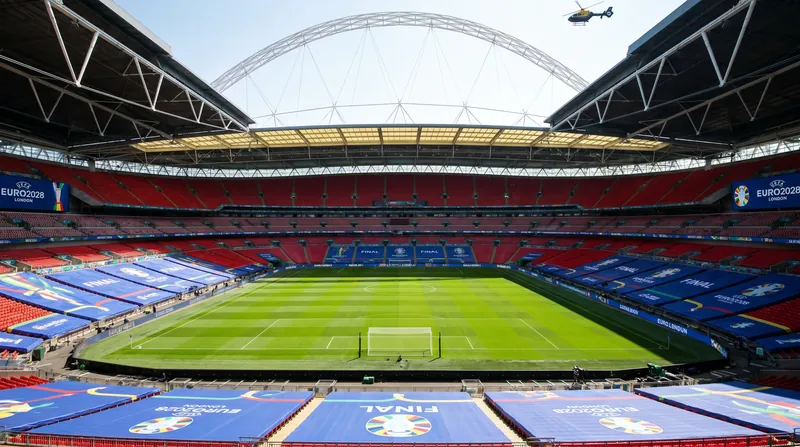
Two Years Out: The Early Contenders and Dark Horses for UEFA Euro 2028
2 sources

Looking back
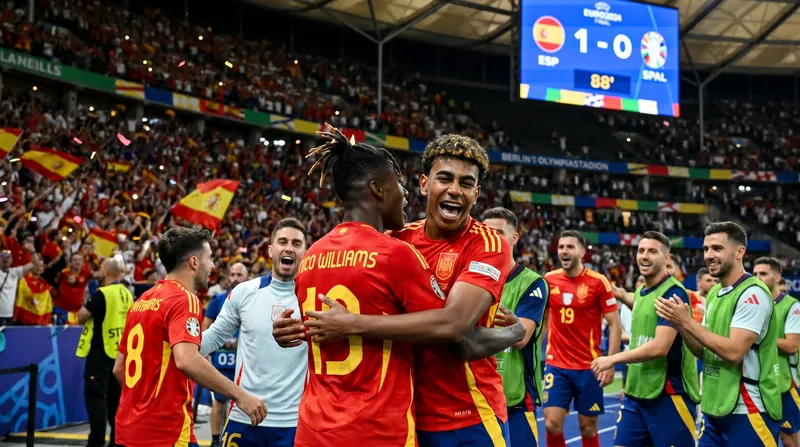
How Spain's direct revolution conquered Euro 2024: A look back at the Berlin final
3 sources
National Team Discipline
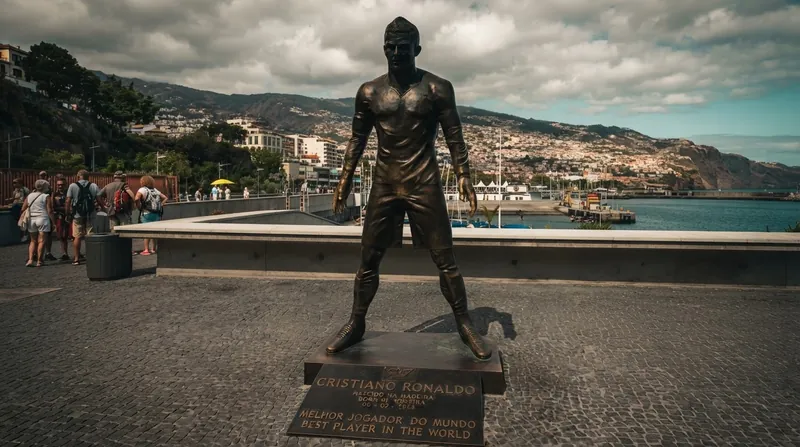
Cristiano Ronaldo Handed 30-Day Suspension and Fine by Portuguese FA Over Squad Walkout
4 sources
Football Governance
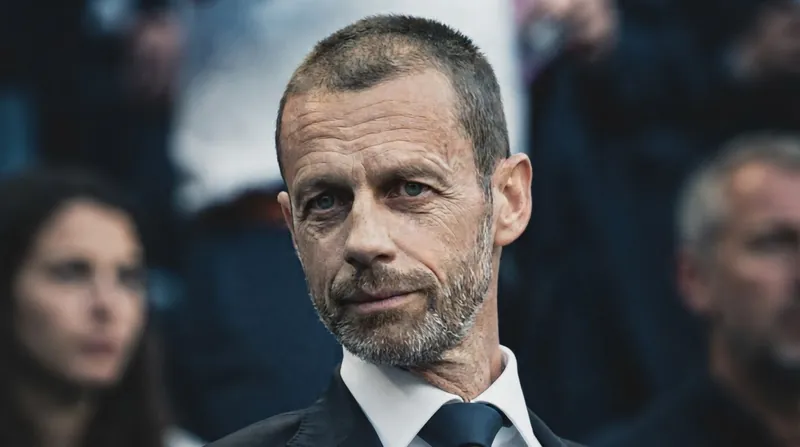
Aleksander Čeferin Reverses Decision to Seek Fourth Term as UEFA President
6 sources
Comments
Every angle. Every day.
Get Sports stories with full source coverage and perspective breakdowns, free every day.