
How Australia's Reinstated Private Health Rebates for Pilates Actually Work
Following a landmark government review, Australian health funds are once again permitted to offer rebates for Pilates. However, strict new credentialing rules mean not every class or instructor will qualify.

Share this story
In short
- The Australian Government has reinstated private health rebates for Pilates following the 2024 Natural Therapies Review.
- Health funds began rolling out coverage for Pilates under Extras policies starting in July 2025.
- Rebates are strictly for managing identified health conditions, not for general recreational fitness.
For years, Australians relying on Pilates to manage chronic back pain or recover from surgery faced a frustrating financial barrier. In April 2019, the Federal Government removed Pilates—along with fifteen other natural therapies—from the list of services eligible for private health insurance rebates. The decision was driven by a 2015 review that concluded there was limited clinical evidence to support their widespread funding. Overnight, patients were forced to absorb the full cost of their sessions unless they were explicitly billed under a physiotherapy item code.[1][3]
That landscape has now fundamentally shifted. Following a comprehensive reassessment led by the Chief Medical Officer, the 2024 Natural Therapies Review found moderate-to-high quality evidence supporting the clinical effectiveness of Pilates, Yoga, and Tai Chi for specific health conditions. Consequently, the Australian Government passed legislation permitting health funds to reinstate rebates for these modalities under Extras cover, effective July 2025.[1][3][6]
The reinstatement is a major victory for preventative health and rehabilitation, but it is not a blanket approval for all Pilates classes. The new regulatory framework draws a sharp line between clinical rehabilitation and general fitness. To qualify for a rebate, the service must be therapeutic in nature, and the instructor delivering it must meet stringent new credentialing standards.[4][6]
Under the updated rules, health funds will not pay benefits for recreational group fitness classes. Instead, the sessions must be designed to assist with the management or treatment of an already identified health condition. This includes chronic disease management, pre- or post-operative rehabilitation, injury prevention, and mental health support. Patients seeking to claim their sessions simply for general wellbeing will find their claims rejected.[4][5]
To enforce this distinction, many health funds now require a formal medical referral before they will approve a claim. For example, members claiming under Health Improvement Benefits must often submit a specific approval form completed by a recognized health provider, such as a general practitioner, physiotherapist, or exercise physiologist. This documentation verifies that the Pilates program is a medically necessary intervention rather than a lifestyle choice.[5][6]
The credentialing of the instructors themselves has also undergone a massive overhaul. Prior to 2019, the qualifications required to trigger a rebate were often inconsistent across different health funds. Today, the government's framework places a heavy emphasis on verifiable, high-level training. To be recognized as an eligible provider, an instructor must hold an RTO-accredited Diploma in comprehensive Pilates instruction, ensuring they possess advanced knowledge in anatomy, physiology, and clinical assessment.[3][4]
This requirement effectively excludes instructors who only hold a standard Certificate IV in fitness or who have completed non-accredited weekend courses. Clinics and studios are currently navigating this transition, ensuring their staff meet the elite standards required by the funds. For patients, this means that even if their health fund offers Pilates cover, they must verify that their specific teacher is a recognized provider before booking a session.[4][6]
It is important to note that physiotherapy-led and exercise physiologist-led Pilates sessions have remained largely unaffected by these regulatory swings. Because these sessions are billed under standard physiotherapy or exercise physiology item codes, they never lost their rebate eligibility. The new pathway specifically opens the door for diploma-qualified Pilates teachers to be recognized as standalone therapeutic providers.[2][3]
Financially, the return of these rebates offers substantial relief for patients requiring long-term care. In metropolitan Australian clinics, a clinical Pilates session typically costs between fifty and one hundred and ten dollars. Depending on the specific health fund and the patient's level of Extras cover, rebates generally range from twenty to forty dollars per session, significantly reducing the out-of-pocket expense for a standard eight-to-twelve-week rehabilitation program.[2][6]
The rollout of these rebates is occurring gradually throughout 2025 and 2026. Because the legislation permits—but does not mandate—funds to offer the cover, each insurer is independently deciding whether to include Pilates, setting their own benefit levels, and defining their specific item codes. Major funds began activating their Pilates codes in mid-2025, with others following suit as they update their ancillary provider frameworks.[3][5]
Industry bodies have strongly supported the government's reversal. AUSactive, Australia's peak body for the exercise and active health sector, welcomed the recommendations, emphasizing that integrating evidence-based natural therapies into the private health system aligns with national priorities to reduce pressure on the broader healthcare network through preventative care.[1][6]
Industry bodies have strongly supported the government's reversal.
For Australians looking to take advantage of the reinstated rebates, the immediate next steps require a bit of administrative diligence. Patients should first contact their health fund to confirm that their current policy covers Health Management Programs or Health Improvement Benefits for Pilates.
They must then secure the necessary medical referral and ensure their chosen studio employs diploma-qualified, health-fund-recognized instructors. While the process demands more paperwork than a standard gym class, the financial and clinical benefits of supervised, subsidized rehabilitation make it a highly valuable pathway for those managing chronic conditions.[4][5][6]
Jargon, explained
- Clinical Pilates
- A highly individualized form of Pilates used for injury rehabilitation and chronic pain management, typically led by a physiotherapist or diploma-qualified instructor.
- Extras Cover
- A component of Australian private health insurance that pays benefits for out-of-hospital medical services, such as dental, optical, and physiotherapy.
- Item Code
- A specific numerical code used by health professionals to identify the exact service provided, allowing health funds to process the corresponding rebate.
- RTO-Accredited Diploma
- A qualification issued by a Registered Training Organisation in Australia, ensuring the curriculum meets strict national educational and clinical standards.
- Health Improvement Benefit
- A specific category of health fund cover designed to subsidize preventative health measures and exercise programs prescribed to manage a diagnosed medical condition.
Common questions
Can I claim my regular gym Pilates class?
No. Health funds will only pay rebates for Pilates sessions designed to treat or manage a specific, diagnosed health condition, not for general fitness.
Do I need a referral from my doctor?
In most cases, yes. Funds typically require a Health Improvement Benefit form or a referral letter signed by a GP, physiotherapist, or other recognized health provider.
How much will I get back per session?
Rebates vary by health fund and your level of Extras cover, but they typically range from $20 to $40 per session.
Does my instructor's qualification matter?
Yes. To qualify for a rebate, your instructor must hold an RTO-accredited Diploma in comprehensive Pilates instruction and be registered with an approved professional body.
Competing readings
Clinical Rehabilitation Providers
Physiotherapists and diploma-qualified instructors emphasize the necessity of strict credentialing.
For clinical practitioners, the government's insistence on an RTO-accredited Diploma is a vital quality-control measure. They argue that using Pilates to rehabilitate a spinal injury or manage a chronic condition requires a deep understanding of anatomy and pathology that a standard weekend fitness certification simply does not provide. By restricting rebates to highly qualified teachers, the framework protects patients from exacerbating their injuries and ensures that health fund payouts are directed toward genuinely therapeutic interventions rather than recreational workouts.
Private Health Funds
Insurers are balancing the demand for preventative care with the need to control claims costs.
Health funds recognize that funding preventative and rehabilitative therapies can reduce long-term hospital and surgical costs. However, they are highly cautious about opening the floodgates to general fitness claims. By requiring medical referrals and strictly auditing instructor credentials, insurers aim to limit rebates to members who have a documented medical need. This administrative friction is a deliberate mechanism to manage the financial impact of reinstating the therapy, ensuring premiums do not spike as a result of the new coverage.
Fitness Industry Advocates
Peak bodies view the reinstatement as a crucial step toward integrated preventative health.
Organizations like AUSactive view the return of Pilates rebates as a validation of the fitness sector's role in the broader healthcare continuum. They argue that empowering Australians to manage their own health through subsidized, evidence-based movement therapies is essential for reducing the burden on the public hospital system. While they acknowledge the administrative hurdles of the new credentialing framework, they see it as a necessary evolution that elevates the professional standing of the entire industry.
- Clinical Rehabilitation Providers
- Physiotherapists and diploma-qualified instructors emphasize the necessity of strict credentialing.
- Private Health Funds
- Insurers are balancing the demand for preventative care with the need to control claims costs.
- Fitness Industry Advocates
- Peak bodies view the reinstatement as a crucial step toward integrated preventative health.
Perspectives this story doesn't cover
- Patients who rely on Pilates for general mental wellbeing but do not have a diagnosed chronic condition to qualify for the rebate.
- Independent fitness instructors with Certificate IV qualifications who are now excluded from the rebate system.
Sources
Source coverage
6 outlets
3 viewpoints surfaced






- [1]AUSactiveFitness Industry Advocates
AUSactive Welcomes Natural Therapies Review Recommendations
Read on AUSactive → - [2]Upwell Health CollectiveClinical Rehabilitation Providers
Is clinical Pilates covered by private health insurance?
Read on Upwell Health Collective → - [3]Articulate PhysiotherapyClinical Rehabilitation Providers
Claiming Pilates on Your Private Health Insurance
Read on Articulate Physiotherapy → - [4]Revere PilatesClinical Rehabilitation Providers
Everything You Need to Know to claim pilates sessions
Read on Revere Pilates → - [5]ahm Health InsurancePrivate Health Funds
Using your Health Improvement Benefits
Read on ahm Health Insurance → - [6]Factlen Editorial TeamFitness Industry Advocates
Synthesis by Factlen editorial team
Read on Factlen Editorial Team →
More in Fitness
See all →Core Biomechanics
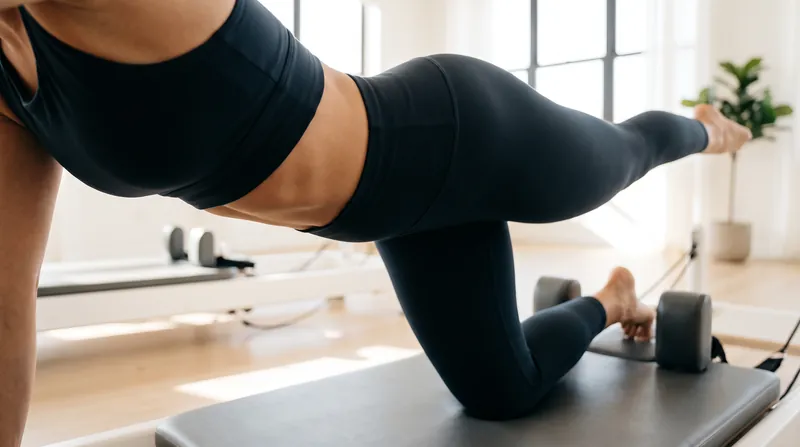
The Accommodating Resistance: How Reformer Springs Drive Higher Deep Core Co-Contraction Than Mat Pilates
5 sources
Rehabilitation Timelines
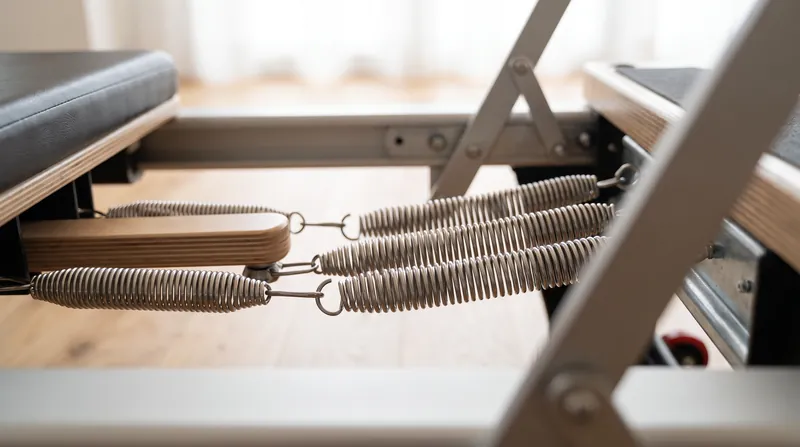
The 5-to-8 Week Threshold: How Long Pilates Must Last to Improve Chronic Low Back Pain
9 sources

Core Biomechanics
The Deep Core Anchor: How Pelvic Floor Co-Contraction Redefines Lumbar Stability
7 sources
Rehabilitation Protocols
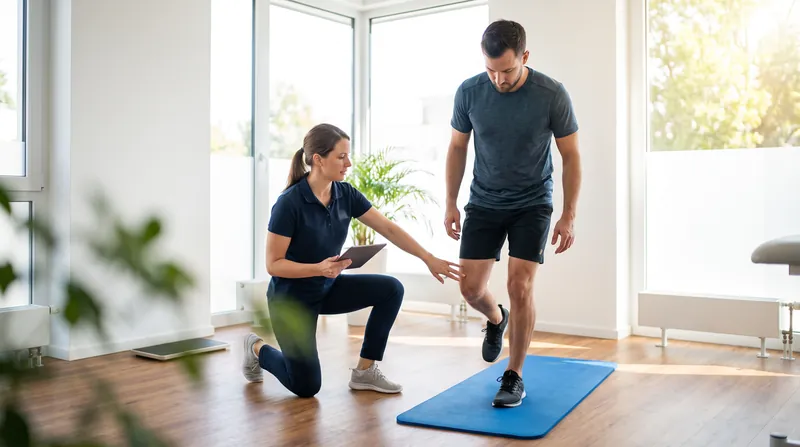
Diagnostic Physiotherapy Screenings Distinguish Clinical Pilates From Studio Fitness
5 sources
Comments
Every angle. Every day.
Get Fitness stories with full source coverage and perspective breakdowns, free every day.