
General Mills Completes Removal of Artificial Dyes From Entire U.S. Cereal Portfolio
The food giant has finalized a decade-long initiative to replace synthetic food coloring with natural alternatives across its entire cereal lineup. The move marks a major shift in mainstream grocery aisles as consumer demand for cleaner ingredient labels continues to reshape the packaged food industry.

Share this story
For years, a quiet battle has waged in the grocery aisle between the vibrant, nostalgic appeal of brightly colored breakfast cereals and growing parental anxiety over synthetic food dyes. That tension reached a definitive resolution this week as General Mills announced the complete removal of all artificial colors from its U.S. cereal portfolio. The milestone marks the end of a massive, decade-long reformulation effort that fundamentally changes the ingredient profile of some of the country's most recognizable pantry staples.[1][2][3]
Shoppers will immediately notice the change on the back of the box, though the company claims the front remains largely the same. Iconic brands like Trix, Lucky Charms, and Fruity Cheerios are now colored exclusively using natural sources such as fruit juice, vegetable extracts, and spice blends. The transition means consumers looking to avoid additives like Red 40, Yellow 5, and Blue 1 no longer have to exclusively shop at premium health-food stores or pay higher prices for specialty organic brands.[4][6]
The initiative originally began in 2015 when General Mills pledged to phase out artificial flavors and colors in response to shifting consumer preferences. Achieving that goal required extensive food science innovation to ensure the natural alternatives could survive the manufacturing process without fading or altering the cereal's taste. Extracting stable reds from radishes and strawberries, or blues and greens from spirulina, proved significantly more complex and expensive than using lab-created synthetic dyes.[1][7]
The completion of this rollout places immense pressure on competitors to follow suit. As the maker of roughly one-third of the cereal sold in the United States, General Mills has effectively reset the baseline expectation for the category. Food industry analysts note that when a market leader of this size reformulates its flagship products, it forces suppliers to scale up the production of natural ingredients, driving down costs across the entire food supply chain.[3][7]
Health and consumer advocacy groups have celebrated the milestone as a major victory for public health. Organizations that have long campaigned against synthetic dyes—citing studies linking certain artificial colors to hyperactivity and behavioral issues in children—view the corporate pivot as proof that sustained consumer pressure works. The shift is particularly notable given the ongoing legislative efforts in states like California to ban specific synthetic food additives entirely from public schools and grocery store shelves.[5]
The move also intersects with broader national conversations about food safety and regulation. Some political commentators and health advocates have framed the General Mills announcement as a win for the "Make America Healthy Again" movement, which pushes for stricter oversight of ultra-processed foods and the removal of controversial chemicals from the American diet. By voluntarily removing these dyes, the company stays ahead of potential future FDA mandates or state-level ingredient bans.[5]
While the health benefits are widely praised, the visual transition has not been without its hurdles over the past decade. Early iterations of naturally colored cereals, such as the initial rollout of Trix without artificial dyes, faced mixed reactions from consumers who missed the neon hues of the original product. General Mills has spent the intervening years refining its natural color extraction techniques to better match the vibrant aesthetics that children and nostalgic adults expect.[2][6]
Looking ahead, the successful reformulation of the cereal portfolio is expected to accelerate similar transitions in other packaged food categories, including snacks, baking products, and yogurts. For the everyday shopper, the immediate takeaway is a simplified label-reading experience: the vibrant colors in the cereal bowl are now grown, not synthesized, marking a permanent shift in how mainstream American breakfast is manufactured and marketed.[1][4]
Perspectives explored
Consumer Health Advocates
Argue that removing synthetic dyes is a necessary step to protect children from potential behavioral side effects.
Advocacy groups and health commentators view the removal of synthetic dyes like Red 40 and Yellow 5 as a long-overdue victory for public health. Citing studies that link artificial coloring to hyperactivity in children, these groups argue that corporate self-regulation is currently outpacing federal oversight. They see General Mills' pivot as proof that sustained consumer pressure can force massive changes in the ultra-processed food supply, setting a precedent for other multinational food conglomerates to follow.
Food Industry Analysts
View the transition as a strategic business move that alters the supply chain economics of natural ingredients.
From an industry perspective, the decade-long reformulation is less about altruism and more about capturing market share from health-conscious millennial and Gen Z parents. Analysts point out that when a company of General Mills' size commits to natural extracts, it forces the entire agricultural and chemical supply chain to scale up the production of fruit and vegetable-based dyes. This massive increase in scale ultimately drives down the premium cost of natural ingredients, making it cheaper for smaller brands to adopt cleaner labels.
Regulatory Watchdogs
Emphasize that voluntary corporate action highlights the sluggish pace of federal food safety regulation.
Policy commentators note that this transition highlights a growing gap between U.S. federal regulations and global food standards. Many of the synthetic dyes previously used in American cereals are already restricted or require explicit warning labels in the European Union. Watchdogs argue that by voluntarily removing these additives, General Mills is strategically future-proofing its portfolio against a rising tide of state-level legislation, such as California's recent pushes to ban specific food chemicals entirely.
Key points
- General Mills has successfully removed all synthetic food dyes from its U.S. cereal portfolio.
- Brands like Trix and Lucky Charms now use natural colors derived from fruits, vegetables, and spices.
- The transition completes a corporate pledge originally made in 2015 to clean up ingredient labels.
- Industry analysts expect the move to drive down the cost of natural food coloring across the broader market.
Timeline
2015
General Mills pledges to remove artificial flavors and colors from its cereals in response to consumer demand.
2016
The company releases its first wave of naturally colored cereals, including a reformulated version of Trix.
2017
Following consumer feedback on muted colors, General Mills temporarily reintroduces classic Trix alongside the natural version.
August 2026
General Mills announces the complete and final removal of all synthetic dyes across its entire U.S. cereal portfolio.
- Food Industry Analysts
- Views the reformulation as a strategic move that will force suppliers to scale natural ingredients, lowering costs across the sector.
- Consumer Advocates
- Celebrates the removal of synthetic dyes as a necessary step for cleaner grocery aisles and easier label-reading for parents.
- Health Policy Commentators
- Sees the voluntary corporate action as a victory for public health movements pushing against ultra-processed food additives.
- Corporate Leadership
- Frames the transition as a fulfillment of a long-standing promise to consumers who demand simpler, more recognizable ingredients.
Perspectives this story doesn't cover
- Synthetic Dye Manufacturers
- Independent Food Scientists
Sources
Source coverage
7 outlets
4 viewpoints surfaced






- [1]General MillsCorporate Leadership
General Mills Completes Removal of Certified Colors from U.S. Cereal Portfolio
Read on General Mills → - [2]LiveNOW from FOXHealth Policy Commentators
General Mills ditches artificial dye from Lucky Charms, Trix
Read on LiveNOW from FOX → - [3]Food Business AfricaFood Industry Analysts
General Mills completes removal of certified colors from US cereal portfolio
Read on Food Business Africa → - [4]Consumer AffairsConsumer Advocates
General Mills removes certified colors from all U.S. cereals
Read on Consumer Affairs → - [5]Washington ExaminerHealth Policy Commentators
General Mills removes artificial dyes from cereals in win for MAHA
Read on Washington Examiner → - [6]KFI AM 640Consumer Advocates
General Mills Removes Artificial Coloring From U.S. Cereals
Read on KFI AM 640 → - [7]Food Ingredients & Food ScienceFood Industry Analysts
General Mills removes artificial dyes from its entire cereal portfolio
Read on Food Ingredients & Food Science →
More in Shopping & Reviews
See all →Audio Hardware
Speaker Sensitivity (dB/W/m) and Impedance (Ohms): How These Two Numbers Dictate Amplifier Power Requirements
4 sources

Consumer Protection
FTC Bans Humboldt Merchant Services From High-Risk Processing in $12 Million Settlement
6 sources

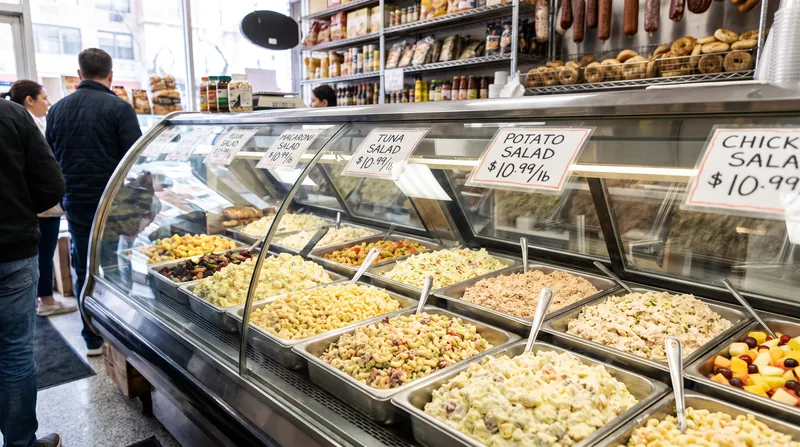
Deli Supply Chain
Made Fresh Salads Recalls All Deli Products Over Listeria Risk
4 sources
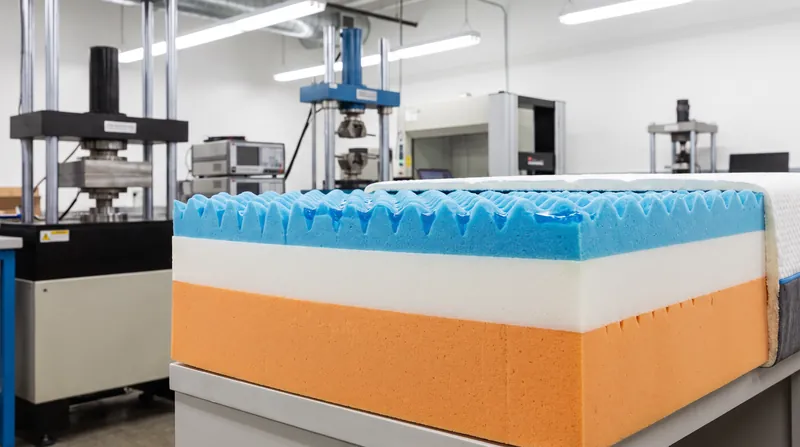
Material Science
Predicting Mattress Lifespan: How Foam Density and Indentation Force Deflection Determine Durability
5 sources
Comments
Every angle. Every day.
Get Shopping & Reviews stories with full source coverage and perspective breakdowns, free every day.