
Fresh Snow's 80-Percent UV Albedo Doubles Ocular Radiation, Mandating Category 4 Glacier Glasses
High-altitude snowfields reflect up to 90 percent of ultraviolet light upward, creating a 'double sun' effect that quickly burns unprotected corneas. Standard sunglasses allow peripheral light leakage, making Category 4 lenses with side shields essential for alpine travel.
By Lan Xu

Share this story
In short
- Fresh alpine snow reflects up to 90 percent of incoming ultraviolet radiation, creating a 'double sun' effect that bombards the eyes from below.
- Ambient UV radiation increases by roughly 10 percent for every 1,000 meters of elevation gained, compounding the danger of snow glare at high altitudes.
- Standard Category 3 sunglasses allow peripheral light leakage and transmit too much visible light, making Category 4 lenses with side shields mandatory for glacier travel.
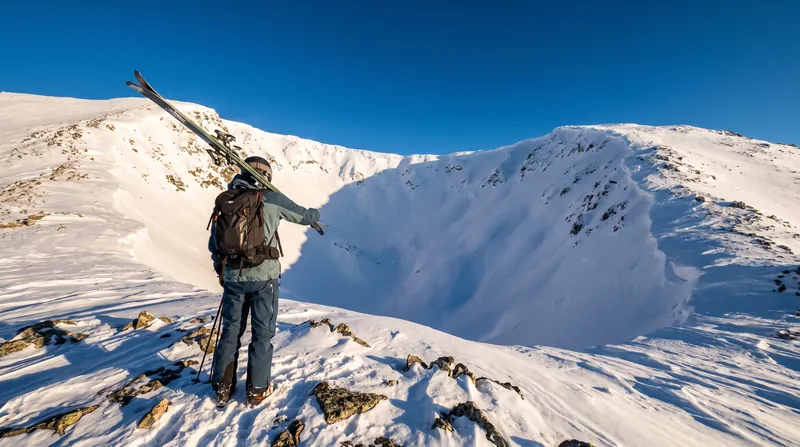
Step out of the Mont Blanc cable car at 3,842 meters on a clear January morning, and the brightness immediately forces your eyes shut. The air is minus 10 degrees Celsius, but the light feels physical, bouncing off the Aiguille du Midi snowfields with a blinding intensity.
A climber stepping onto the ridge without proper eyewear is not just squinting; they are actively absorbing a toxic dose of radiation. At this elevation, the danger does not just come from the sky above.
It comes from the ground below. Fresh alpine snow acts as a near-perfect mirror for ultraviolet light, creating a compounding radiation environment that human eyes never evolved to handle.
The Physics of the Double Sun
The mechanism driving this intense glare is known as albedo, a measure of how much solar energy a surface reflects. Most natural environments absorb the vast majority of ultraviolet light.
Ocean water reflects roughly 10 percent of UV rays, while beach sand bounces back about 15 to 20 percent. Fresh snow operates on an entirely different physical scale.
A pristine snowfield reflects between 80 and 90 percent of incoming ultraviolet radiation back into the atmosphere. For a skier or mountaineer, this creates what atmospheric scientists call a "double sun" effect.
The body is bombarded by primary radiation from above and a nearly equal secondary wave from below. "When on ice or snow, up to 80 percent of the sun's rays can be reflected back up towards your face," notes the Jagged Globe mountaineering equipment guide.
The Altitude Multiplier
The reflection is only half of the mathematical problem facing alpine travelers. The atmosphere itself acts as a vital filter for ultraviolet light, but that protection thins out as elevation increases.
For every 1,000 meters gained above sea level, ambient UV radiation intensifies by roughly 10 percent. By the time a climber reaches 3,000 meters, the baseline ultraviolet exposure is already 30 percent higher than it would be on a coastal beach.
When that amplified radiation strikes a fresh snowpack and bounces upward at an 80 percent reflection rate, the total ocular load becomes staggering. A person standing on a high-altitude glacier receives more than double the total UV radiation of someone sitting at sea level.
The cold mountain air masks the thermal heat that usually warns people of severe sun exposure. This leaves climbers entirely unaware of the invisible damage accumulating in their eyes.
Sunburning the Cornea
When unprotected eyes absorb this massive dose of scattered radiation, the result is photokeratitis, universally known among climbers as snow blindness. The condition is literally a sunburn on the transparent front surface of the eye.[1]
Intense UV rays damage the corneal epithelial cells, causing them to inflame and eventually slough off. The American Academy of Ophthalmology explains that the condition is particularly common in high mountains where the thinner air provides less protection.[1]
"Snow blindness is a form of photokeratitis that is caused by UV rays reflected off ice and snow," the Academy states, noting that the damage is often delayed. Because the cornea lacks temperature receptors, the injury happens painlessly in the moment.[1]
Symptoms typically strike six to twelve hours after the exposure, often waking climbers in the middle of the night. The sensation is routinely described as feeling like a handful of crushed glass has been rubbed under the eyelids, accompanied by severe light sensitivity and tearing.[1]
Why Standard Sunglasses Fail
To survive this extreme environment, travelers often rely on their everyday sunglasses, assuming dark lenses are enough. This is a dangerous miscalculation. Standard Category 3 lifestyle sunglasses are designed for direct overhead sunlight, not the omnidirectional glare of a snowfield.
Ordinary frames sit flat against the face, leaving significant gaps at the top, bottom, and sides. Because fresh snow reflects 80 percent of UV light upward, that radiation easily bypasses the lenses entirely.
This structural flaw, known as peripheral light leakage, allows enough scattered UV into the eye to cause photokeratitis even while wearing tinted lenses. Furthermore, Category 3 lenses transmit between 8 and 18 percent of visible light.
While perfect for driving or hiking on dirt trails, that transmission rate is simply too bright for the compounding glare of a high-altitude glacier. It inevitably leads to severe eye fatigue and squinting over a long day.
The Category 4 Standard
The definitive solution is a specialized piece of equipment known as the glacier glass, built around the stringent Category 4 lens standard. Category 4 is the darkest optical rating available, permitting only 3 to 8 percent of visible light to pass through to the eye.[2]
"Category 4 lenses are designed for extremely intense light," explains the Global Summit Guide's 2026 equipment standard. "That is dramatically darker than ordinary lifestyle sunglasses and exactly why they make sense on bright snowfields, high glaciers and reflective alpine terrain."[2]
"Category 4 lenses are designed for extremely intense light," explains the Global Summit Guide's 2026 equipment standard.
Because they block over 92 percent of visible light, Category 4 lenses are legally prohibited for driving under the international ISO 12312-1 standard. They are strictly specialized tools for extreme glare, often featuring brown or amber base tints to enhance contrast against the featureless white snow.[2]
Sealing the Peripheral Gaps
Dark lenses alone cannot stop snow blindness if the frame allows light to leak in from the edges. True glacier glasses integrate physical barriers, typically leather or synthetic side shields, to close the gaps between the frame and the wearer's cheekbones and temples.
These shields block the upward and lateral radiation bouncing off the snowpack. "Side shields close the gap at the edges of the frame, where light, wind and dust get in around a regular pair of sunglasses," notes Vallon, a manufacturer of alpine eyewear.
Modern alpine frames also feature wraparound geometry to hug the face tightly, preventing wind-driven snow from irritating the eyes. By combining Category 4 darkness with total peripheral coverage, glacier glasses neutralize the double sun, allowing climbers to safely navigate the world's brightest environments.[2]
Medical Recovery and Treatment
If a climber does suffer from photokeratitis, the immediate medical response requires total light deprivation. The damaged corneal cells need time to regenerate, a process that typically takes 24 to 48 hours in a completely dark environment.[1]
Medical professionals advise against rubbing the eyes, which can further damage the fragile, sunburned tissue. Treatment generally involves removing contact lenses, applying artificial tears to lubricate the surface, and using cold compresses to reduce the intense swelling.[1]
The only true cure is prevention. By respecting the physics of high-altitude albedo and wearing the correct Category 4 equipment, mountaineers ensure their vision remains intact for the descent.
Key terms
- Albedo
- A measure of how much solar energy a surface reflects, with fresh snow reflecting up to 90 percent of ultraviolet light compared to just 10 percent for ocean water.
- Photokeratitis
- A painful, temporary eye condition caused by intense ultraviolet radiation damaging the corneal epithelial cells, essentially a sunburn on the surface of the eye.
- Category 4 Lens
- The darkest international rating for sunglass lenses, permitting only 3 to 8 percent of visible light to pass through, designed specifically for extreme alpine glare.
- Peripheral Light Leakage
- The structural flaw in standard sunglasses where light enters the eye through the unprotected gaps at the top, bottom, and sides of the frame.
Frequently asked
Can I wear Category 4 glacier glasses while driving?
No. Category 4 lenses transmit only 3 to 8 percent of visible light, making them dangerously dark for driving. They are explicitly marked as unsuitable for the road under the international ISO 12312-1 standard.
Do photochromic lenses work for glacier travel?
Yes, provided they are rated to reach Category 4 darkness. A 2–4 photochromic lens adapts to changing conditions, which is highly useful on long alpine days that transition from dawn shadows to bright, high-altitude snowfields.
Can I get snow blindness on a cloudy day?
Absolutely. Clouds only filter about 20 to 30 percent of ultraviolet radiation. The remaining UV light still passes through and reflects off the snowpack at an 80 percent rate, easily causing photokeratitis if your eyes are unprotected.
Viewpoints in depth
Alpine Guides and Equipment Manufacturers
Emphasize that eyewear is a critical piece of safety equipment, not an accessory, requiring Category 4 darkness and total peripheral coverage.
For professionals operating above the snowline, standard lifestyle sunglasses are viewed as structurally inadequate. Equipment manufacturers and alpine guides stress that Category 4 lenses are the baseline requirement for glacier travel because they block over 92 percent of visible light. They argue that lens darkness alone is insufficient without physical side shields to prevent peripheral light leakage, as the omnidirectional glare of a snowfield will easily bypass a flat frame.
Ophthalmologists and Medical Researchers
Focus on the physiological damage caused by UV radiation, warning that the painless onset of photokeratitis masks severe cellular injury to the cornea.
Medical professionals treat snow blindness not as a minor irritation, but as a severe radiation burn to the eye's transparent front surface. Because the cornea lacks temperature receptors, climbers do not feel the damage occurring in real time. Ophthalmologists emphasize that the intense pain, tearing, and temporary vision loss typically strike six to twelve hours after exposure, requiring total light deprivation and 24 to 48 hours of recovery for the corneal epithelial cells to regenerate.
Environmental Health Advocates
Highlight the deceptive nature of winter sun exposure, noting that cold temperatures and cloud cover often lead people to underestimate the severe UV risks of snow albedo.
Public health agencies and environmental researchers point out that people routinely misjudge the danger of high-altitude environments because the cold air masks the thermal heat of the sun. They emphasize that clouds only filter a fraction of ultraviolet radiation, allowing up to 80 percent of UV rays to penetrate and bounce off the snowpack. This creates a dangerous false sense of security, leading climbers to remove their eye protection precisely when the 'double sun' effect is most active.
- Alpine Guides and Equipment Manufacturers
- Emphasize that eyewear is a critical piece of safety equipment, not an accessory, requiring Category 4 darkness and total peripheral coverage.
- Ophthalmologists and Medical Researchers
- Focus on the physiological damage caused by UV radiation, warning that the painless onset of photokeratitis masks severe cellular injury to the cornea.
- Environmental Health Advocates
- Highlight the deceptive nature of winter sun exposure, noting that cold temperatures and cloud cover often lead people to underestimate the severe UV risks of snow albedo.
Perspectives this story doesn't cover
- Indigenous Arctic populations who historically developed slit goggles to combat snow blindness
Sources
Source coverage
3 outlets
3 viewpoints surfaced



- [1]American Academy of OphthalmologyOphthalmologists and Medical Researchers
Snow blindness: a common form of photokeratitis
Read on American Academy of Ophthalmology → - [2]Global Summit GuideAlpine Guides and Equipment Manufacturers
Best Glacier Glasses & Mountain Sunglasses 2026
Read on Global Summit Guide → - [3]Factlen Editorial TeamEnvironmental Health Advocates
Synthesis by Factlen editorial team
Read on Factlen Editorial Team →
More in Travel
See all →Glaciology
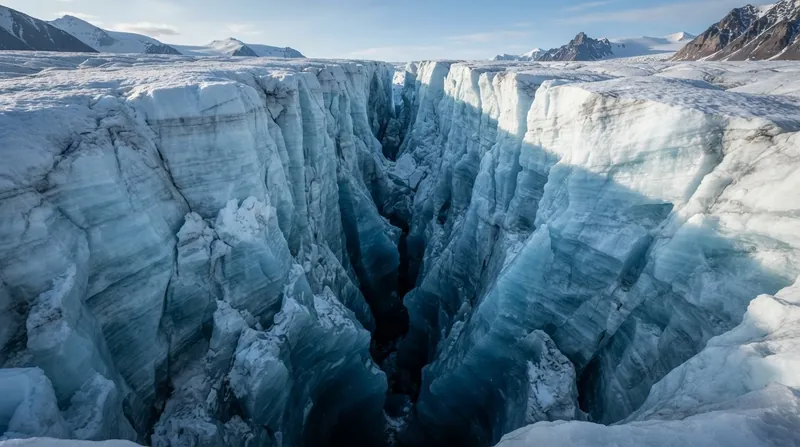
Lithostatic Ice Pressure Drives Viscoplastic Closure: Why Dry Glacier Crevasses Rarely Exceed 30 Meters
3 sources
Navigation Rules
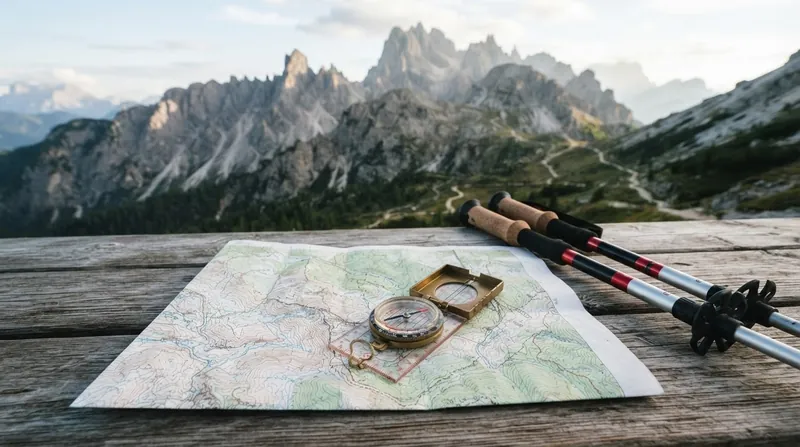
Adding Ten Minutes per 100 Meters of Ascent: How Naismith's Rule Converts Mountain Elevation into Hiking Time
3 sources
Mountain Geography
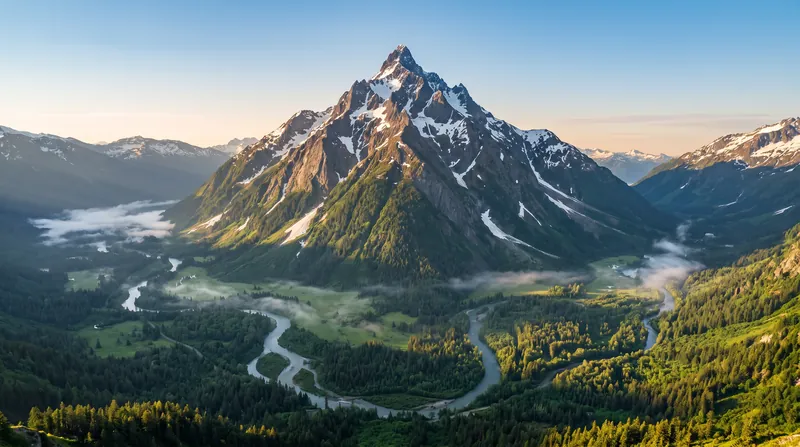
The 1,500-Meter Threshold: How Topographic Prominence Actually Defines an Ultra-Prominent Peak
6 sources
Avalanche Safety
The Five-Level Scale and the Likelihood/Size Matrix: How the North American Public Avalanche Danger Scale Actually Quantifies Backcountry Risk
3 sources
Comments
Every angle. Every day.
Get Travel stories with full source coverage and perspective breakdowns, free every day.