
FDA Elevates Frozen Blueberry Recall to Highest Risk Level: Comparing Safe Alternatives
The FDA has upgraded the recall of Publix GreenWise frozen blueberries to a Class I risk due to E. coli contamination. As consumers clear their freezers, we compare the safety, cost, and culinary trade-offs of fresh, freeze-dried, and alternative frozen fruits.
By Hui Lin

Share this story
Twelve illnesses, four hospitalizations, and nearly 45,000 units of frozen fruit pulled from supermarket freezers. On August 18, 2026, the U.S. Food and Drug Administration elevated an ongoing recall of Publix GreenWise frozen blueberries and mixed berries to a Class I designation—its most severe risk category, indicating a reasonable probability of serious health consequences or death.
The culprit is a Shiga toxin-producing strain of E. coli O145, traced back to a processing facility in San Carlos, Chile. For consumers who rely on frozen berries for daily smoothies and baking, the immediate directive from public health officials is clear: check the freezer for 10-ounce and 48-ounce bags with a best-by date of February 9, 2028, and discard them immediately.[1][2]
The elevation to a Class I recall underscores a persistent vulnerability in the global frozen fruit supply chain. While freezing halts the growth of bacteria, it does not act as a kill-step. Pathogens like E. coli can survive sub-zero temperatures indefinitely, lying dormant until the fruit is thawed in a kitchen or blended into a room-temperature beverage.
Because frozen berries are rarely cooked before consumption, any contamination introduced during harvesting or packaging passes directly to the consumer. This specific outbreak has already hospitalized a third of those infected across Florida and Georgia, prompting urgent warnings to vulnerable populations.[2][3][5]
Replacing a staple like frozen blueberries requires balancing nutritional needs, budget, and convenience. Frozen berries are a massive industry precisely because they offer out-of-season access to high-antioxidant fruit at a fraction of the fresh price. When a major recall disrupts that access, shoppers are forced to navigate alternatives that each come with distinct trade-offs.
The immediate pivot for many is the fresh produce aisle, where organic blueberries offer the exact same culinary utility without the industrial freezing risk. However, fresh berries introduce a new set of constraints: they are highly perishable, typically lasting only five to seven days in the refrigerator, and are subject to severe seasonal price volatility.[4][6]
For those who prioritize shelf stability and pathogen safety above all else, freeze-dried fruit has emerged as a compelling, albeit expensive, substitute. The freeze-drying process involves vacuum dehydration, which removes 98 percent of the fruit's water content. This near-total lack of moisture makes it virtually impossible for bacteria like E. coli to survive or multiply.
The result is a product with a 25-year shelf life and a highly concentrated flavor profile. Yet, the economics of freeze-drying are steep. Consumers can expect to pay between $3.50 and $5.00 per ounce for freeze-dried blueberries, compared to roughly $0.30 per ounce for their frozen counterparts.[4]
Texture is another critical variable when substituting frozen berries. Freeze-dried blueberries are crunchy and porous, making them excellent for topping cereals or folding into muffin batter where they can rehydrate slightly. They fail entirely, however, in smoothies, where they turn into a gritty powder rather than providing the thick, frosty base that frozen fruit delivers.
For smoothie enthusiasts, the most practical alternative is often pivoting to entirely different frozen fruits—such as mangoes, peaches, or pineapple—that are processed on separate supply chains and sourced from different agricultural regions, entirely bypassing the current Chilean recall.[4][6]
The broader context of this recall highlights the complex logistics of modern food distribution. The affected GreenWise products were distributed exclusively to Publix stores across eight states: Alabama, Florida, Georgia, Kentucky, North Carolina, South Carolina, Tennessee, and Virginia. Yet, the raw materials originated thousands of miles away at Frutas y Hortalizas del Sur S.A. in Chile.
This sprawling supply chain means that a single contamination event at a washing or packing station can spread pathogens across multiple international borders before the first illness is ever reported. The FDA's delayed elevation to a Class I risk level—weeks after the initial July recall—reflects the time required to trace the epidemiological data back to a specific processing lot.[1][5]
For consumers, the actionable takeaway extends beyond simply throwing away a specific bag of fruit. It requires a fundamental shift in how we handle frozen produce. Public health officials increasingly recommend treating frozen fruit with the same caution applied to raw meat or unwashed leafy greens.
If a frozen product is not going to be cooked—such as being baked into a pie or boiled into a compote—the risk of pathogen exposure remains non-zero. This reality is driving a quiet resurgence in home-freezing, where consumers purchase fresh, locally sourced berries during peak season, wash them thoroughly, and freeze them on sheet pans for winter use.[2][3]
Ultimately, the choice of a safe alternative depends entirely on the intended use case. The trade-offs between fresh, freeze-dried, and alternative frozen fruits are stark, and no single option perfectly replicates the cheap, long-lasting convenience of a commercially frozen blueberry.
As the FDA continues its investigation and the CDC monitors for additional illnesses, shoppers must weigh the premium price of freeze-dried safety against the perishability of fresh produce, or simply adapt their recipes to accommodate different fruits entirely. The detailed breakdown below quantifies these trade-offs, providing a clear framework for replacing recalled berries without compromising on safety or culinary utility.[1][4]
Key points
- The FDA elevated the Publix GreenWise frozen berry recall to Class I, indicating a risk of serious health consequences.
- Freezing fruit does not kill E. coli; the bacteria can survive sub-zero temperatures and infect consumers when thawed.
- Fresh blueberries offer a safe 1:1 culinary replacement but come with high perishability and seasonal price volatility.
- Freeze-dried berries provide a pathogen-free, shelf-stable alternative, though they cost significantly more per ounce.
Unanswered questions
- Whether the E. coli contamination occurred during harvesting, washing, or packaging at the Chilean facility.
- If additional frozen fruit brands sourced from Frutas y Hortalizas del Sur S.A. will be added to the recall.
- The exact number of unreported illnesses, as many people recover from E. coli without seeking medical testing.
- Public Health Officials
- Focus on pathogen containment, traceability, and immediate disposal of affected lots.
- Consumer Protection Advocates
- Focus on warning vulnerable populations about the severe risks of E. coli in uncooked foods.
- Culinary & Lifestyle Voices
- Focus on how to adapt recipes, check freezers, and find safe ingredient substitutions.
Perspectives this story doesn't cover
- Chilean agricultural exporters facing international scrutiny
- Small-scale domestic blueberry farmers
Sources
Source coverage
6 outlets
3 viewpoints surfaced






- [1]FDAPublic Health Officials
Publix Recalls GreenWise Organic Whole Blueberries and Whole Mixed Berries
Read on FDA → - [2]CDCPublic Health Officials
Food Safety Alert: E. coli Outbreak Linked to Frozen Blueberries
Read on CDC → - [3]HealthlineConsumer Protection Advocates
FDA Upgrades Publix Frozen Blueberry Recall to Highest Health Risk Level
Read on Healthline → - [4]Taste of HomeCulinary & Lifestyle Voices
FDA Upgrades Frozen Blueberry Recall to the Highest Risk Level—Here's What to Avoid
Read on Taste of Home → - [5]AARPConsumer Protection Advocates
Publix Recalls More Frozen Berries Amid E. Coli Outbreak
Read on AARP → - [6]News4JAXCulinary & Lifestyle Voices
FDA upgrades recall of GreenWise Organic frozen blueberries
Read on News4JAX →

More in Shopping & Reviews
See all →Memory Standards
How CAMM2 Memory Forces Laptop Buyers to Choose Battery Life Over Upgradability
3 sources

Appliance Upgrades
How Heat Pump Dryers Cut Electricity Use 60 Percent at the Cost of Slower Drying
1 sources

Battery Tech
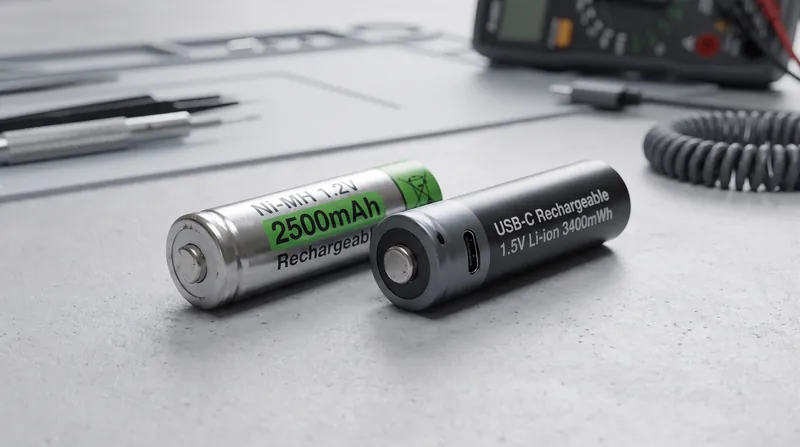
The Economics of Smart Home Power: Comparing 1.5V Lithium-Ion vs. NiMH Rechargeable Batteries
2 sources
Hardware Buying Guide
The Hidden Cost of AI: How Data Center Demand is Causing 'Shrinkflation' in Laptops
6 sources

Comments
Every angle. Every day.
Get Shopping & Reviews stories with full source coverage and perspective breakdowns, free every day.